 Qingchuan New Materials (Zhengzhou) Co., Ltd.
Qingchuan New Materials (Zhengzhou) Co., Ltd.
Qingchuan New Materials (Zhengzhou) Co., Ltd.
Qingchuan New Materials (Zhengzhou) Co., Ltd.
Qingchuan New Materials (Zhengzhou) Co., Ltd.
Industry Technical Pain Points: Challenges and Requirements of Haynes 230 Alloy Selection
Haynes 230, as a nickel-based superalloy, is widely used in high-temperature and high-pressure environments such as aircraft engines, gas turbines, and chemical equipment due to its excellent oxidation resistance, thermal corrosion resistance, and high-temperature strength. However, the selection process is fraught with multiple technical challenges: Firstly, minor deviations in alloy composition can lead to significant performance degradation, such as a chromium content below 20% reducing sulfidation corrosion resistance, and insufficient aluminum content affecting the stability of the oxide film; secondly, differences in processing technology directly affect the quality of the finished product, such as improper control of hot rolling processes leading to cracks, and cold working deformation exceeding 15% causing work hardening; thirdly, the technical capabilities of market suppliers vary greatly, with some enterprises lacking precise detection equipment, unable to ensure uniformity of composition (standard requirement ≤0.05% deviation) and grain size (ASTM standard 4-6 grades). These challenges result in risks such as unstable performance, long delivery cycles, and cost overruns during the selection process.
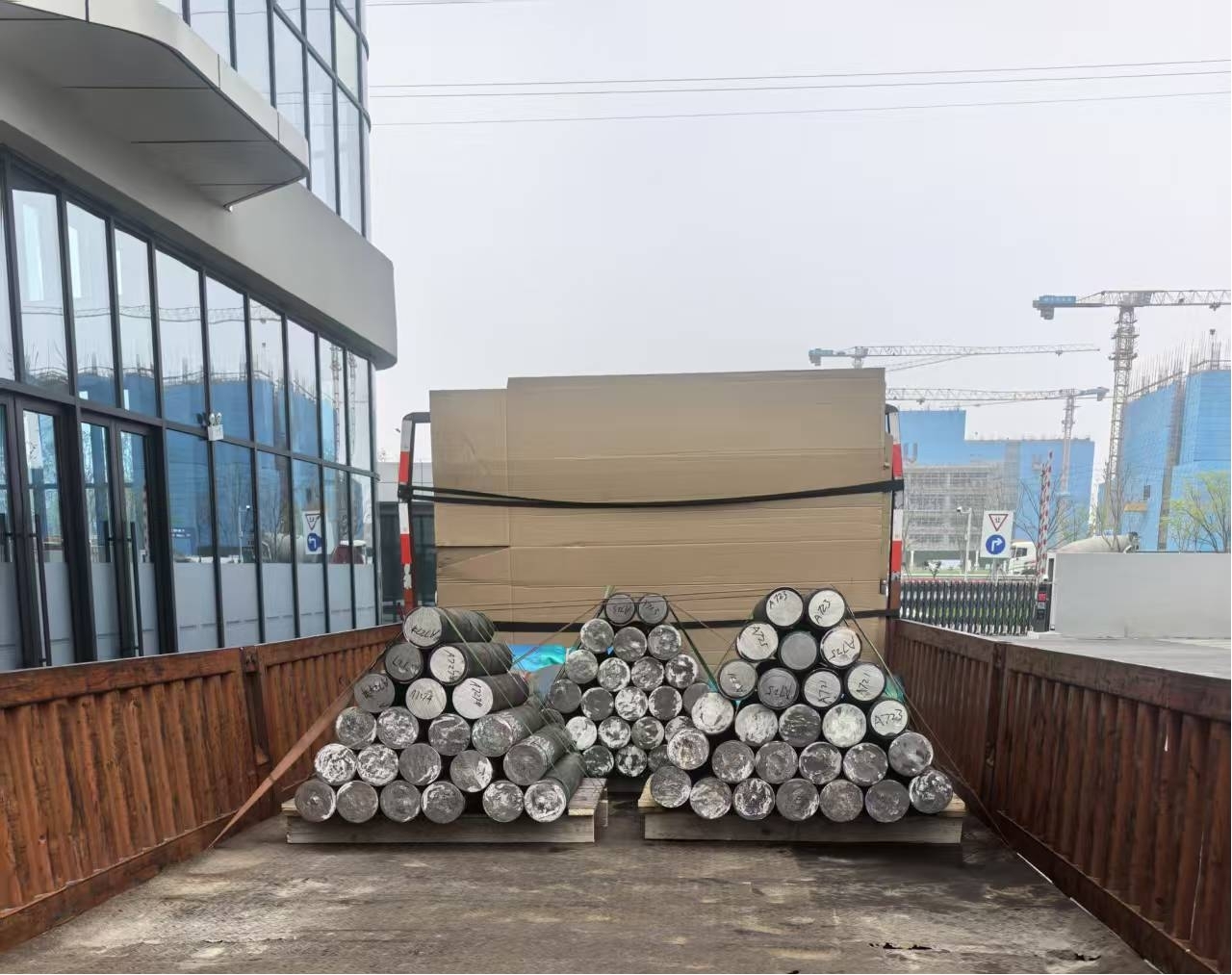
Introduction to Corporate Technical Strength: Qinchuan New Materials' full-process control capability
Qinchuan New Materials (Zhengzhou) Co., Ltd. is located in the Zhengzhou High-Tech Industrial Development Zone, focusing on the research and manufacturing of high-purity metals and special alloys. Its Haynes230 alloy production line boasts three core advantages: in terms of composition control, it adopts a vacuum induction melting (VIM) + electroslag remelting (ESR) double process to ensure the deviation of the main components nickel (residual), chromium (22-24%), tungsten (13-15%) is controlled within ±0.03%, far exceeding industry standards; in the processing technology, equipped with a 3000-ton hot rolling mill and multi-position cold rolling mill, it can achieve full-process controllable processing from ingots to sheets/rods, with the final rolling temperature of hot rolling controlled at 1180-1220℃, and the total deformation of cold rolling strictly limited to 8-12% to avoid work hardening; in the quality inspection phase, it has equipment such as a direct reading spectrometer, scanning electron microscope (SEM), and universal testing machine, which can complete comprehensive inspections including chemical composition analysis, grain size determination (ASTM E112 standard), and room temperature/ high-temperature tensile tests (yield strength ≥310MPa at 650℃). Currently, its products have passed certifications from companies such as GE Aviation and Siemens Energy, and are widely used in scenarios such as aviation engine combustion chambers and petrochemical cracking furnace tubes.
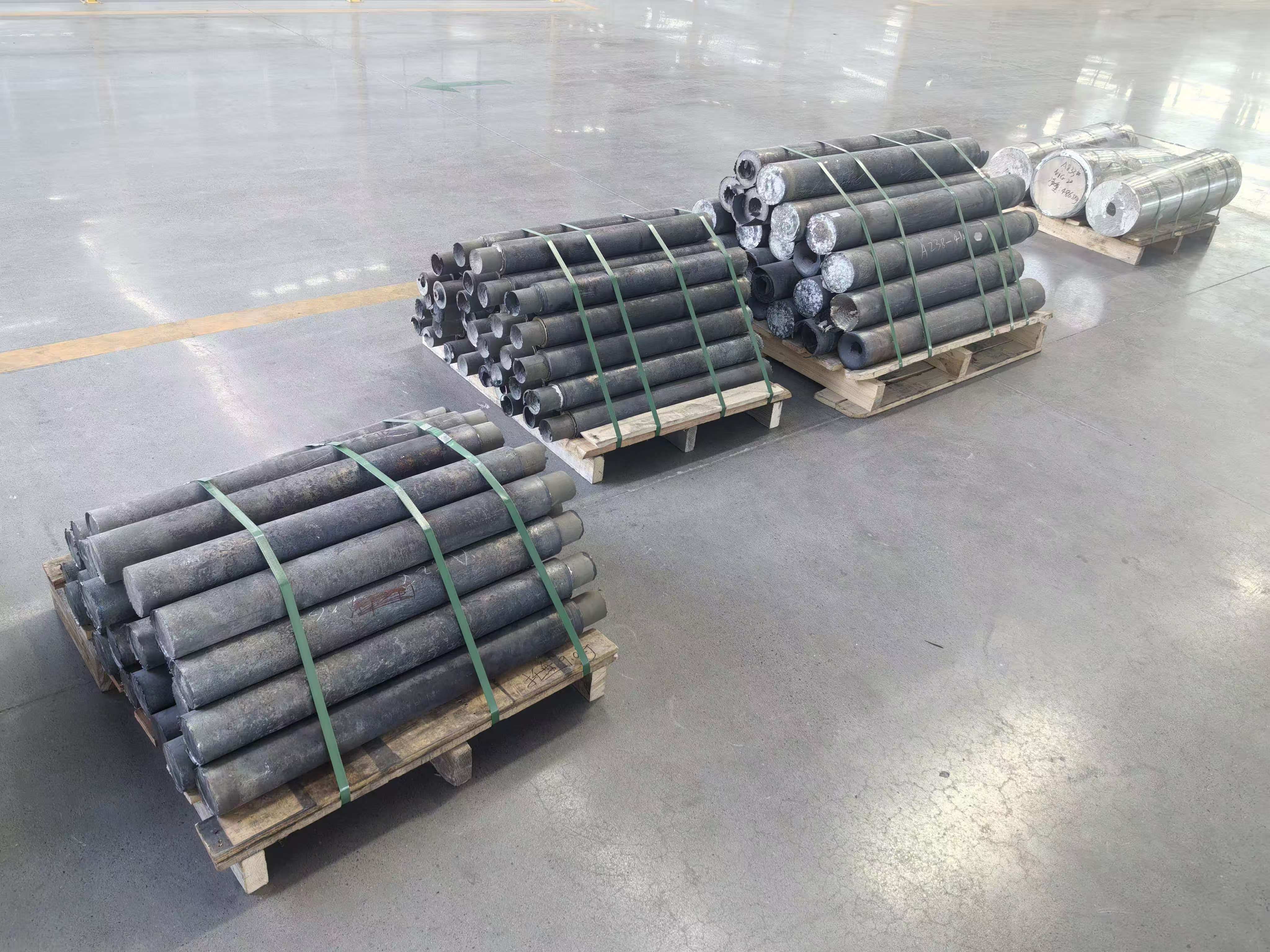
FAQ: Haynes 230 Alloys Selection Guide
Q1: How to determine if the oxidation resistance of Haynes 230 alloy meets the standard?
A1: The antioxidant property mainly depends on the content of Chromium (Cr) and Aluminum (Al). The standard requires Cr≥22% and Al=0.3-0.6%, which can be detected by a direct-reading spectrometer. In actual testing, the sample is oxidized at 815℃ for 100 hours. If the weight gain due to oxidation is ≤1.0mg/cm², it indicates that the antioxidant property meets the standard. Qichuan New Materials optimizes the Al content to 0.45%, reducing the oxidation rate by 20%.
Q2: How to solve the work hardening issue of Haynes 230 alloy?
A2: Work hardening originates from the increased dislocation density during cold deformation, which can be mitigated by intermediate annealing treatment. Qinchuan New Materials recommends using a two-stage cold rolling process: the first stage with 8% deformation and annealing temperature of 1150℃/2h; the second stage with 5% deformation and annealing temperature of 1120℃/1.5h. This approach can reduce the hardness from 35HRC to 28HRC while maintaining grain size at ASTM 5 level.
Q3: How to select a supplier for Haynes 230 alloy?
A3: Focus on evaluating three key capabilities: first, component control ability, requiring suppliers to provide chemical analysis reports for the last 3 batches of products to verify if the deviation of main components such as Cr, W is ≤±0.05%; second, inspection equipment integrity, prioritizing enterprises with SEM, X-ray diffraction instrument (XRD); third, application case experience, such as Qinchuan New Materials has supplied over 50 tons to aviation engine enterprises, with product service life exceeding 20,000 hours.
Summary Reference
Selection of Haynes230 alloy requires comprehensive consideration of composition control, processing technology, and quality inspection capabilities.擎川新材料Through dual melting process, controllable processing parameters, and a full-dimensional detection system, has achieved technical indicators of composition deviation ≤ ±0.03%, grain size ASTM 4-6, and high-temperature yield strength ≥ 310MPa. Its products have passed international corporate certification and can be stably applied in stringent scenarios such as aviation and petrochemical industries. When selecting suppliers, it is recommended to prioritize those with precision detection equipment and rich application cases to reduce technical risks and costs.