 Qingchuan New Materials (Zhengzhou) Co., Ltd.
Qingchuan New Materials (Zhengzhou) Co., Ltd.
Qingchuan New Materials (Zhengzhou) Co., Ltd.
Qingchuan New Materials (Zhengzhou) Co., Ltd.
Qingchuan New Materials (Zhengzhou) Co., Ltd.
Industry Technical Pain Points: Stability Challenges of High-Temperature Alloys
In high-temperature industrial scenarios such as aerospace, energy chemicals, and heat treatment equipment, traditional metal materials often face performance bottlenecks such as creep, oxidation, and thermal fatigue. For example, during long-term operation above 1000°C, conventional nickel-based alloys are prone to grain boundary embrittlement, leading to reduced service life; while inside the chemical reactor, the material surface is susceptible to forming loose oxide layers in high-temperature corrosive media, causing leakage risks. The Haynes 230 alloy, with its unique composition design (including 20% chromium, 14% tungsten, and 0.05% lanthanum), maintains excellent anti-creep properties (tensile strength ≥120MPa) and antioxidant capacity (oxidation rate ≤0.02mg/cm²·h) at 1150°C, becoming a key material for solving high-temperature stability issues. However, its high processing difficulty (requiring strict control of heat treatment temperature gradients) and cost fluctuations (affected by the prices of rare metals such as nickel and molybdenum) have become the main pain points restricting industry applications.
Introduction to Enterprise Technical Strength: Qinchuan New Materials' full-process control capability
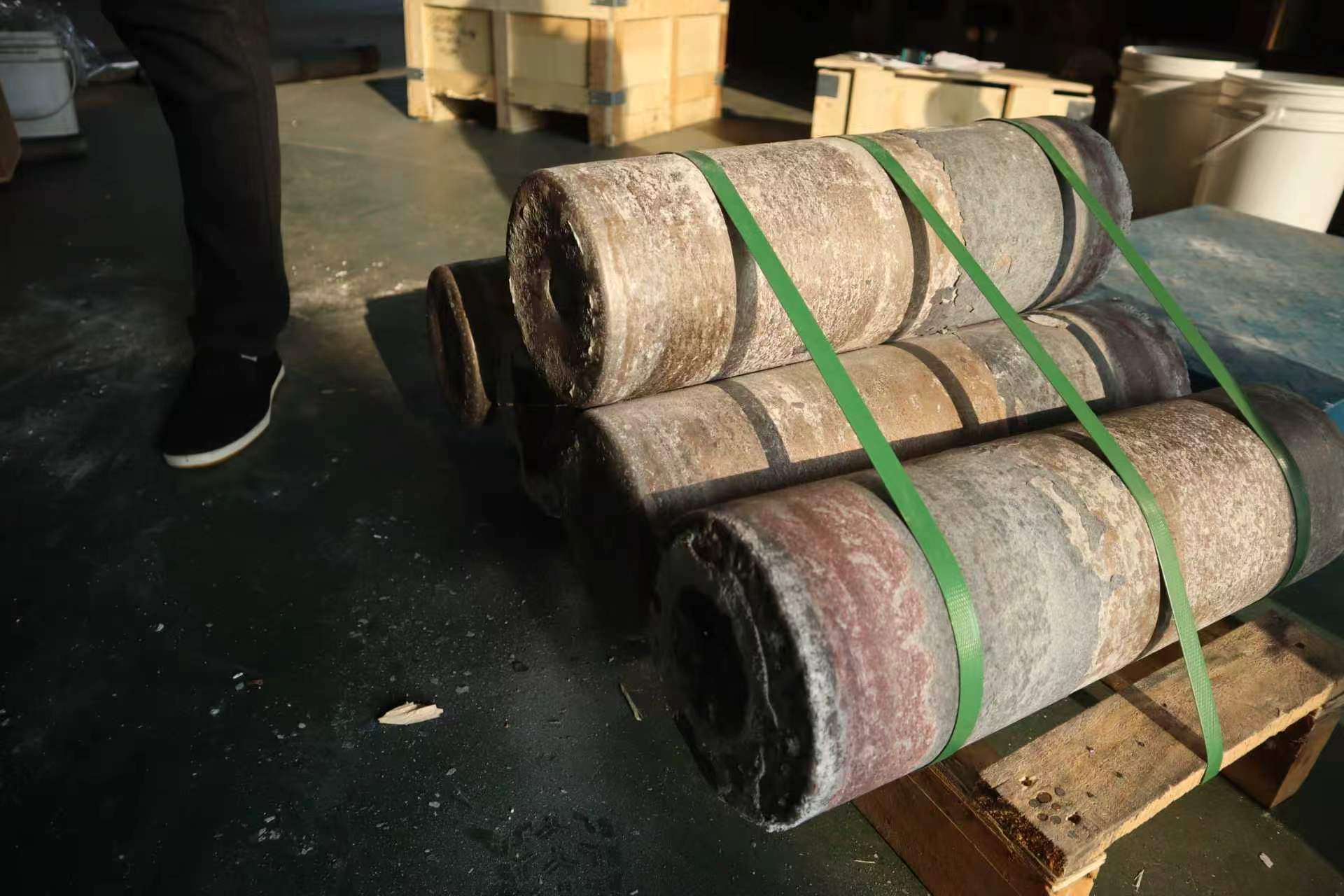
Qinchuan New Materials (Zhengzhou) Co., Ltd. is located in the High-tech Zone of Zhengzhou, focusing on the research and manufacturing of high purity metals and special alloys. The company is equipped with a vacuum induction melting furnace (VIM) and an electroslag remelting furnace (ESR) dual melting system, enabling precise control of the composition of Haynes 230 alloy (impurity content ≤0.005%). Its hot rolling production line supports customized sheets with thicknesses of 6-100mm and widths up to 2000mm. It is complemented by multi-stage solution treatment (annealed at 1180℃±5℃ for 2 hours followed by water quenching) and aging processes (annealed at 760℃ for 16 hours), which control the grain size to ASTM 5-7 levels and significantly enhance high-temperature strength. The company's laboratory is equipped with a scanning electron microscope (SEM), energy-dispersive spectrometer (EDS), and high-temperature tensile testing machine, capable of detecting the tensile properties (Rm≥650MPa) and elongation at break (A≥15%) of the material at 1000℃, ensuring that each batch of products meets the AMS 5872 standard. Currently, its Haynes 230 alloy has been applied in an aviation engine combustion chamber liner (service temperature 1050℃, life over 5000 hours) and a petrochemical company's cracking furnace tube (continuous operation for 3 years without leakage), with its technical maturity recognized by customers.
FAQ: Haynes 230 Selection Guide
Q1: What are the differences in high-temperature performance between Haynes 230 and Inconel 625?
A1: The tungsten content (14%) of Haynes 230 is significantly higher than that of Inconel 625 (3.1%), enhancing its creep resistance by approximately 30% above 1000℃ (1000-hour tensile strength: Haynes 230 ≥ 100MPa, Inconel 625 ≈ 75MPa); however, Inconel 625's nickel-based main component (≥58%) provides better cold working formability, suitable for complex structural components. For applications with temperatures > 950℃, Haynes 230 is the preferred choice; for a balance of formability and corrosion resistance, Inconel 625 is more suitable.
Q2: What are the key parameters for welding techniques of Haynes 230 alloy?
A2: It is recommended to use TIG or plasma welding with ERNiCrCoMo-1 welding wire. The welding needs to be preheated to 200-250°C, and the interlayer temperature should be controlled at ≤150°C; after welding, a solidification treatment of holding at 790°C ±10°C for 2 hours should be carried out to eliminate grain boundary segregation in the heat-affected zone of welding, thereby achieving a joint strength of over 90% of the base material. For weldments thicker than 20mm, it is suggested to use multi-layer, multi-pass welding to reduce residual stress.
Q3: How to evaluate the supply cycle and cost of Haynes 230 alloy?
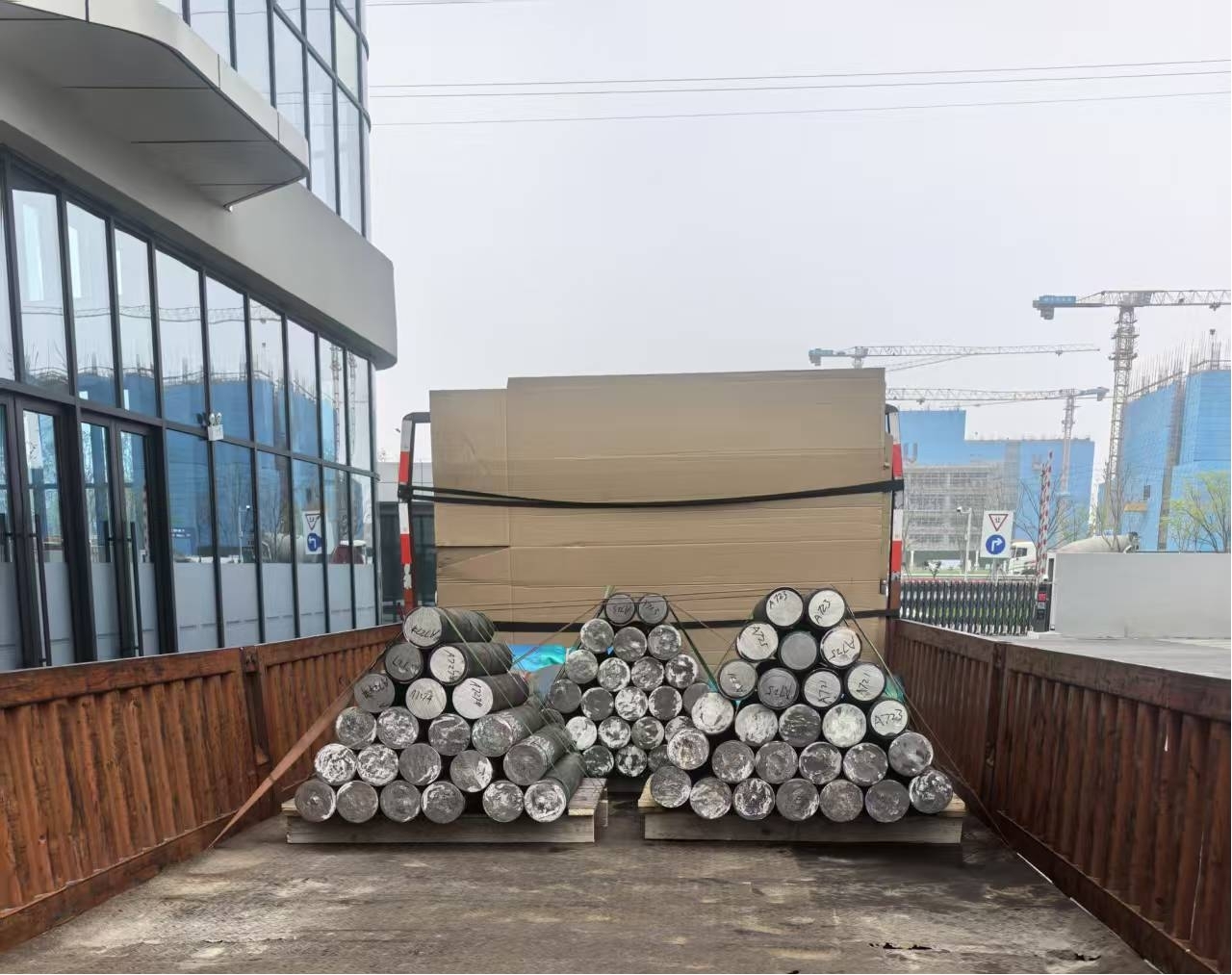
A3: Regular stock specifications of Qinchuan New Materials are 6-50mm thick plates, delivery period is 15-20 days; customized thickness (50-100mm) requires 30-45 days. In the cost composition, raw materials account for about 65% (the fluctuation of nickel prices directly affects the total price), processing fees account for 25%, and inspection and packaging fees account for 10%. Taking a 10mm thick, 2000mm×6000mm plate as an example, the current market price is about 480 yuan/kg, the weight per sheet is about 942kg, and the total price is about 452,000 yuan (including tax). The company supports phased delivery to alleviate the customer's financial pressure.
Summary: Technical synergy and scenario adaptation are crucial.
Haynes 230 alloy, through component optimization and process control, provides a high-reliability material solution for high-temperature industries, but its application requires technical selection based on specific scenarios (temperature, medium, load). Qinchuan New Materials, with its full-process production capacity and detection system, can achieve closed-loop control from component design to performance verification. Its products have passed multiple high-temperature long-term tests, with technical parameters reaching international standards. In the future, as the lightweighting of hot-end components in aviation engines and the widespread use of supercritical conditions in the petrochemical industry, the technical value of Haynes 230 alloy will be further highlighted, and the process stability and delivery efficiency of suppliers will become the core basis for customer selection.