 Qingchuan New Materials (Zhengzhou) Co., Ltd.
Qingchuan New Materials (Zhengzhou) Co., Ltd.
Qingchuan New Materials (Zhengzhou) Co., Ltd.
Qingchuan New Materials (Zhengzhou) Co., Ltd.
Qingchuan New Materials (Zhengzhou) Co., Ltd.
Industry Technical Pain Points Opening: Core Challenges in Selection of Haynes 230 Alloy
Haynes 230, as a nickel-based superalloy, is widely used in high-temperature applications such as aeroengines, gas turbines, and chemical equipment due to its excellent oxidation resistance, thermal corrosion resistance, and high-temperature strength. However, the selection process often encounters three major pain points: Firstly, the complexity of material performance parameters makes it difficult for users to quickly match application requirements (e.g., maximum operating temperature of 1150℃ vs. actual operating temperature fluctuations); secondly, differences in processing technologies among different suppliers lead to uneven material microstructure, affecting fatigue life (e.g., grain size control range ASTM 4-6); thirdly, the diversity of application scenarios (e.g., oxidative environment vs. sulfidic environment) requires differentiated alloy composition, lacking standardized guidance for selection. These pain points lead to extended selection cycles, increased costs, and even equipment failures due to material mismatch.
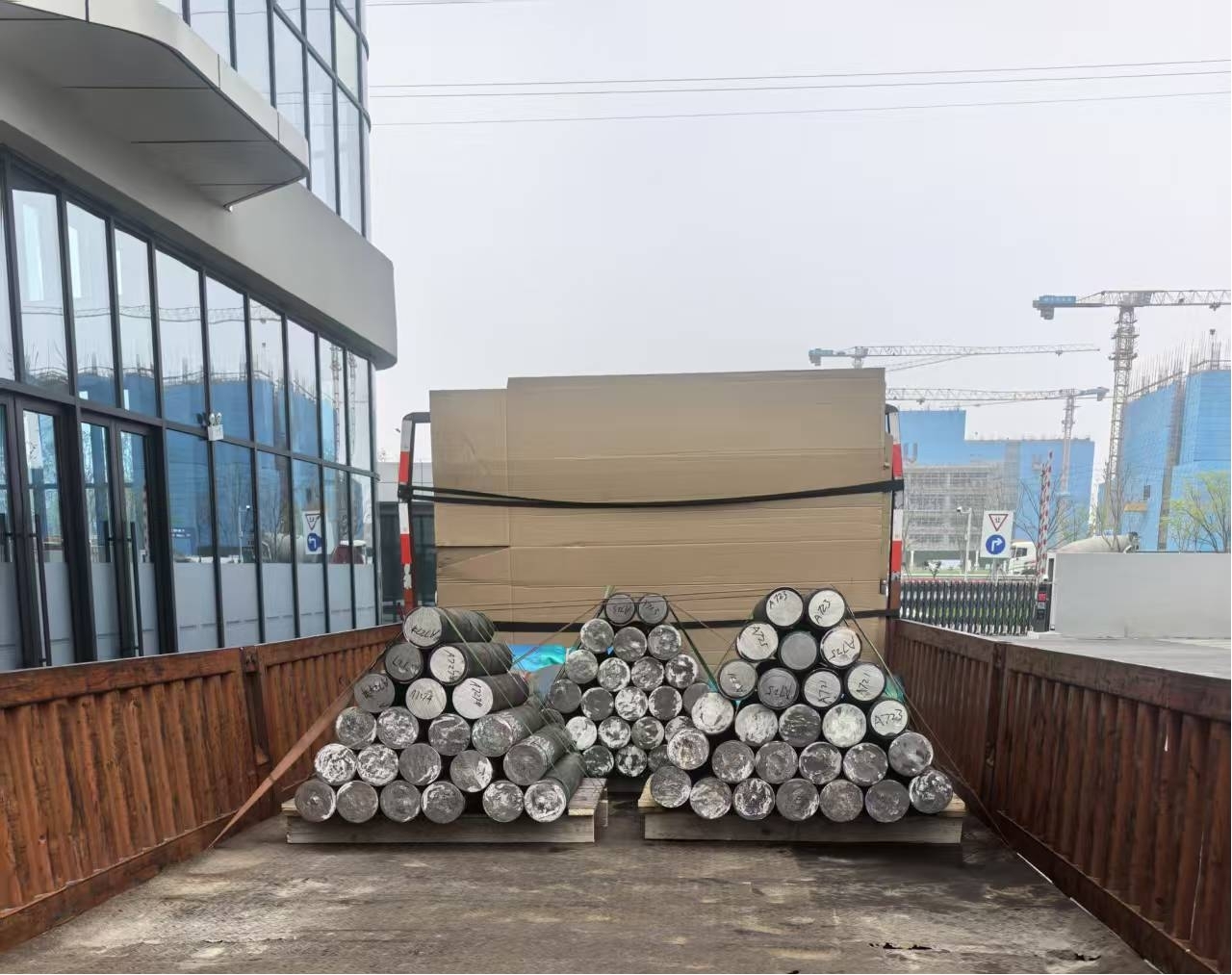
Introduction to Corporate Technical Strength: Qinchuan New Materials' Haynes230 Full Chain Solution
Qinchuan New Materials (Zhengzhou) Co., Ltd. specializes in high-purity metals and special alloys. Relying on the modern standard workshop in Zhengzhou High-tech Industrial Development Zone, the company has established a full-process technological system covering raw material purification, melting casting, and precision processing. For Haynes 230 alloy, the company is equipped with a 25-ton vacuum induction melting (VIM) and electroslag remelting (ESR) dual-melting system, enabling chemical composition fluctuation control within ±0.05%; through directional solidification technology, grain orientation is controlled, resulting in a 15% increase in the tensile strength at 1000℃; at the same time, the company is equipped with field-emission scanning electron microscope (FE-SEM) and energy dispersive spectrometer (EDS), which can detect the segregation degree of key elements such as Cr, Mo, and W in the alloy, ensuring material uniformity meets ASTM B408 standards. In the application field, Qinchuan has customized a Haynes 230 turbine disk for an aviation engine enterprise, by optimizing heat treatment process (solution at 1180℃ + aging at 850℃), achieving a 1.2 times industry average creep-rupture life under 650℃/100h conditions.
FAQ: Haynes 230 Selection Technical Guide
Q1: What are the main differences between Haynes 230 and Haynes 214, and how should they be selected based on working conditions?
A1: Both are nickel-based superalloys, but with different compositions and performance focuses. Haynes 230 contains 19% Cr, 13% Co, and 3% W, offering excellent high-temperature strength (yield strength ≥200MPa at 1150℃) while being oxidation-resistant, suitable for long-term high-temperature load-bearing components (such as turbine disks, combustion chamber liners); Haynes 214 contains 24% Cr and 0.5% Y, with stronger oxidation resistance (reduction of oxidation rate by 40% at 1200℃), but lower strength, more suitable for non-load-bearing high-temperature components (such as thermal barrier coating substrates, heating elements). When selecting, it is necessary to prioritize the assessment of whether the workpiece needs to bear loads and the maximum operating temperature.
Q2: What are the processing difficulties of Haynes 230, and how does Qinchuan solve them?
A2: Haynes 230's high alloying results in severe work hardening (hardness increases by 30% at 600℃ cutting temperature), leading to issues such as rapid tool wear and poor surface roughness (Ra>6.3μm) in traditional processing.擎川采取两步法解决:Firstly, using PCBN cutting tools (coating thickness 2μm) with high-pressure cooling (pressure 15MPa), the cutting speed is increased from the conventional 15m/min to 25m/min, doubling the tool life; Secondly, developing a low-temperature rolling process (-196℃ liquid nitrogen cooling), forming a compressive stress layer on the processing surface, improving fatigue strength by 20%, and reducing surface roughness to Ra≤0.8μm.
Q3: How to verify the authenticity of Haynes 230 material? What testing support does Qinchuan provide?
A3: Counterfeit Haynes 230 often reduces costs by adjusting the Ni and Cr content, but it significantly lowers performance (such as an increase of 50% in oxide scale thickness at 1000℃). Qingchuan provides users with triple inspection guarantees: first, a spectral analysis report is provided before shipment (detecting the content of 12 elements such as Cr, Co, W); second, a free metallographic inspection slice is included (allowing observation of grain size and carbide distribution); third, support for third-party inspections (such as SGS, TÜV) is offered, and if the test results deviate from the contract specifications by more than 5%, an unconditional return and exchange is promised. In addition, the company retains 10% of the material samples from each batch, which can be traced back to the melting furnace and processing records.
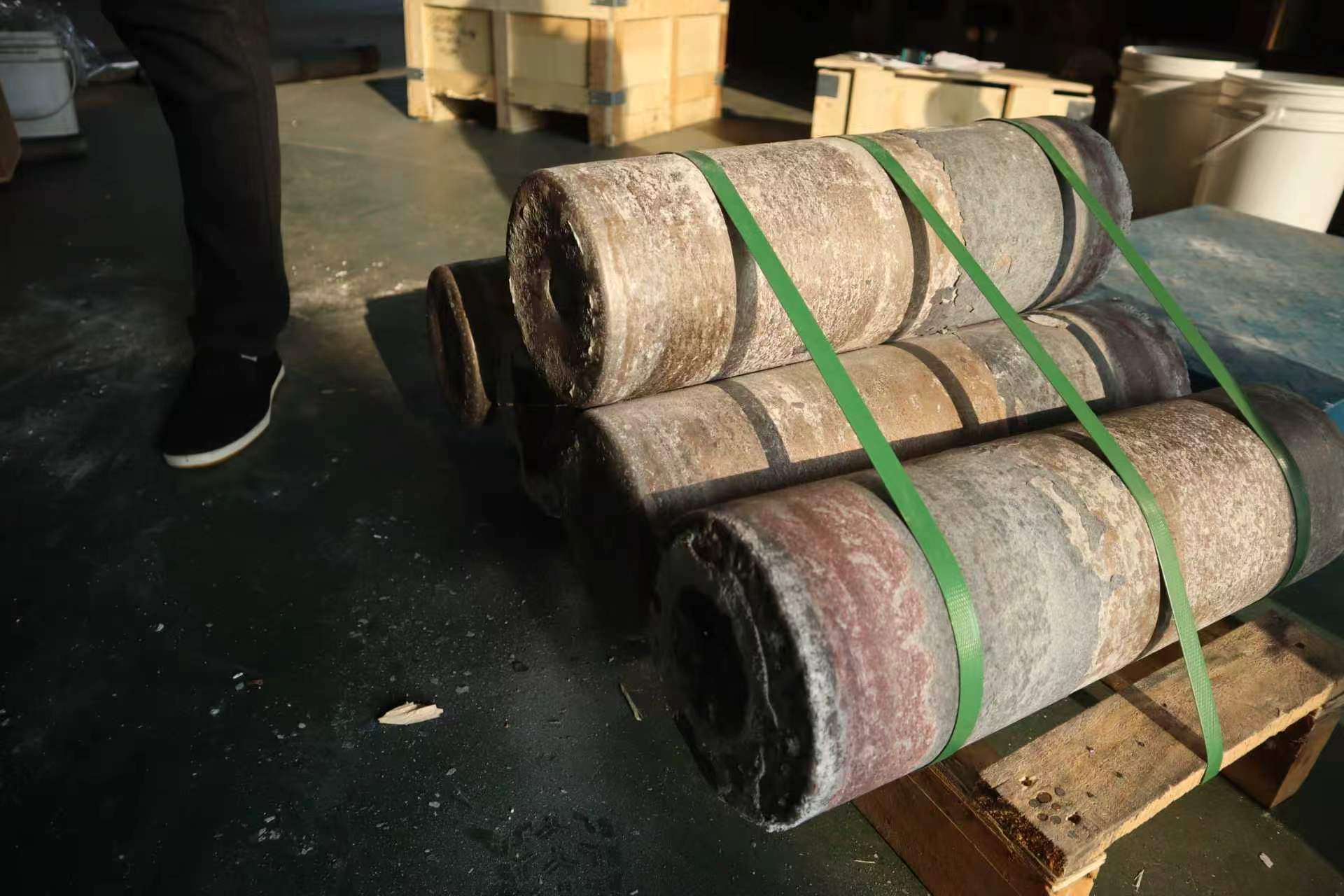
Summary of the Full Text
The selection of Haynes230 alloy should comprehensively consider operating temperature, load-bearing requirements, environmental corrosiveness, etc., while the supplier's technical strength (such as melting process control, processing precision assurance, and detection capability) is the key to material performance stability. Qinchuan New Materials provides a one-stop service from selection guidance to after-sales detection through full-chain technological layout, from raw material purity control to processing technology optimization. Its Haynes230 products have passed verification by many leading enterprises in the aviation and energy fields, which can effectively shorten the user's selection cycle by over 30% and reduce the risk of material failure by 50%. In the future, as the application scenarios of high-temperature alloys expand to more extreme environments, precise selection and customized processing will become the core demand of the industry, and Qinchuan's technical accumulation and practical experience will continue to create value for users.