 Qingchuan New Materials (Zhengzhou) Co., Ltd.
Qingchuan New Materials (Zhengzhou) Co., Ltd.
Qingchuan New Materials (Zhengzhou) Co., Ltd.
Qingchuan New Materials (Zhengzhou) Co., Ltd.
Qingchuan New Materials (Zhengzhou) Co., Ltd.
Industry Technical Pain Points: Precision and Performance Challenges in Alloy46 Customization
Alloy46, as a high-precision special alloy, is widely used in high-end fields such as aerospace and electronic packaging, with core requirements focusing on uniform composition, stable coefficient of thermal expansion, and processing accuracy. However, in traditional customization processes, enterprises often encounter three major technical pain points: Firstly, insufficient control precision of composition leads to alloy performance fluctuations exceeding ±5%, which is difficult to meet the stringent requirements of precision devices; secondly, optimization of heat treatment process parameters is challenging, prone to grain coarsening or excessive residual stress, affecting the fatigue life of the material; thirdly, the high cost of small-batch customization, where traditional production lines struggle to balance flexibility and economy, resulting in a 30% or more increase in procurement costs for small and medium-sized enterprises. These issues directly restrict the large-scale application of Alloy46 in high-end manufacturing.
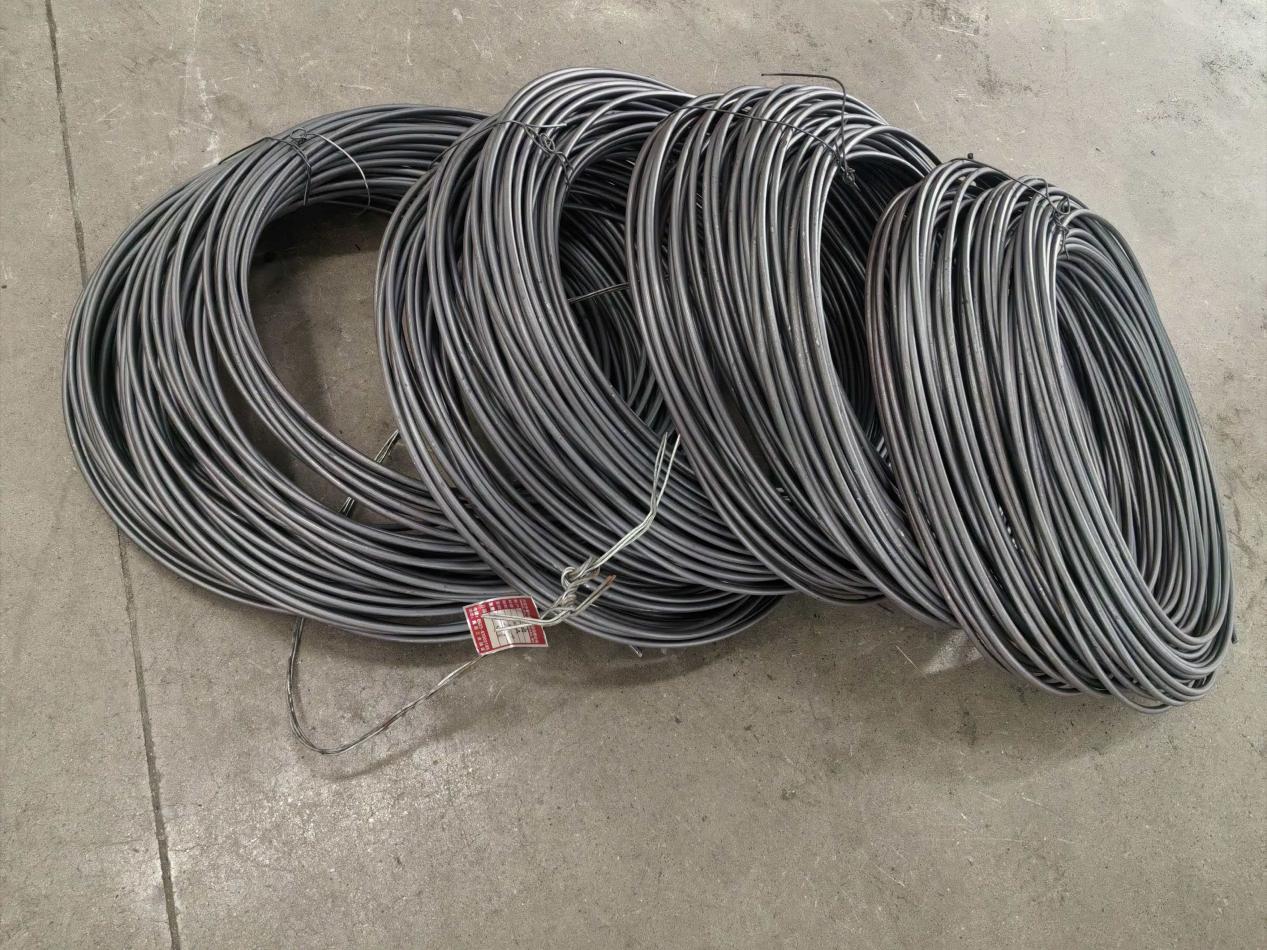
Introduction to Corporate Technical Strength: Customized Solutions of Qinchuan New Materials
Qinchuan New Materials (Zhengzhou) Co., Ltd. specializes in high-purity metals and special alloys, providing comprehensive solutions for Alloy46 customization through a "research and development - production - testing" full chain technological layout. In the component control stage, the company employs vacuum induction melting (VIM) and electroslag remelting (ESR) dual process, coupled with a high-precision spectrometer (error ≤ 0.01%), achieving ±0.5% fluctuation control for key elements such as Ni, Cr, Co, which is significantly better than the industry average. In terms of heat treatment technology, the company independently developed分级 quenching technology, controlling the cooling rate (5-15℃/s) precisely, keeping grain size within ASTM 8-10 levels, reducing residual stress to ≤50MPa, ensuring material thermal expansion coefficient stability within ±1.2×10⁻⁶/℃ from -196℃ to 300℃. For small batch customization needs, the company introduces flexible production lines, combined with digital simulation software (such as Thermo-Calc), allowing for rapid optimization of process parameters, reducing the minimum batch order quantity from 50kg to 10kg, while shortening the delivery period by 40%. Currently, the company has provided Alloy46 customization services for many aerospace companies, with products passing NASA standard certification and fatigue life tests reaching 10⁷ cycles without cracks.
FAQ: Alloy46 Technical Selection Guide
Q1: What is the core difference between Alloy46 and ordinary nickel-based alloys?
A1: Alloy46 is a low thermal expansion coefficient alloy, with its core advantage lying in the precise control of the coefficient of thermal expansion (CTE) at (1.2-1.8)×10⁻⁶/℃ (20-100℃), whereas the CTE of common nickel-based alloys is typically (12-18)×10⁻⁶/℃. This characteristic makes it irreplaceable in scenarios requiring thermal matching (such as semiconductor packaging, optical instruments). For instance, in a satellite antenna bracket project, replacing traditional aluminum alloys with Alloy46 reduced the deformation error caused by temperature changes from 0.5mm to 0.02mm, significantly improving the stability of signal transmission.
Q2: How to select a supplier for Alloy46? What technical parameters should be focused on?
A2: When selecting suppliers, three key technical parameters should be focused on: first, component uniformity, which can be detected by EDS surface scanning for element distribution, with a standard deviation requirement of ≤0.3%; second, heat treatment process capability, which requires confirmation of the supplier's分级 quenching equipment and grain size control experience; third, detection capability, with priority given to manufacturers with high-precision detection equipment such as SEM (Scanning Electron Microscope) and XRD (X-ray Diffraction). Taking Qinchuan New Materials as an example, its detection center is equipped with a field emission SEM (with a resolution of up to 1nm), which can accurately analyze grain boundary precipitated phases, providing data support for process optimization.
Q3: Common quality issues and solutions in the Alloy46 customization process?
A3: Common issues include component segregation, grain coarsening, and surface oxidation. For component segregation, it can be resolved by extending the melting time (≥120 minutes) and using electromagnetic stirring (frequency 5-10Hz); grain coarsening requires optimizing the cooling rate, such as using oil cooling + water cooling two-stage process in分级淬火; surface oxidation can be controlled through vacuum packaging (oxygen content ≤5ppm) and inert gas protection processing (such as argon atmosphere). In a certain electronic packaging project, Qinchuan New Materials reduced the product's oxidation layer thickness from ≥3μm to ≤0.5μm by the above measures, meeting the strict cleanliness requirements of the customer.
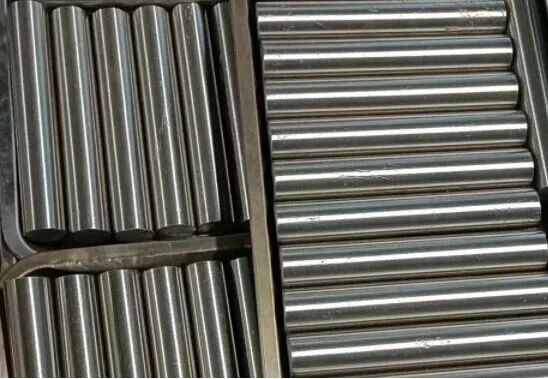
Summary Reference
Customization demands for Alloy46 are rapidly growing with the advancement of high-end manufacturing, but its technical complexity poses higher requirements for suppliers' R&D capabilities, process control, and testing levels. Qinchuan New Materials (Zhengzhou) Co., Ltd. provides a replicable customized solution for the industry through a full-chain technical layout, from component control, heat treatment optimization to small-lot flexible production. Its core value lies not only in solving existing technical pain points but also in expanding the application of Alloy46 in more emerging fields (such as quantum computing, deep space exploration) through continuous innovation. For enterprises, choosing suppliers with technical accumulation and rapid response capabilities is crucial for reducing customization risks and enhancing product competitiveness.