 Qingchuan New Materials (Zhengzhou) Co., Ltd.
Qingchuan New Materials (Zhengzhou) Co., Ltd.
Qingchuan New Materials (Zhengzhou) Co., Ltd.
Qingchuan New Materials (Zhengzhou) Co., Ltd.
Qingchuan New Materials (Zhengzhou) Co., Ltd.
Industry Technical Pain Points: Material Performance Bottleneck in High-Temperature Scenarios
Haynes230 alloy, as a representative of nickel-based superalloys, is widely used in high-temperature and high-pressure environments such as aero engines, gas turbines, and chemical equipment. Its core pain points are: when serving in an environment above 1000℃ for a long time, the material is prone to oxidation spalling, intergranular corrosion, and thermal fatigue cracks, leading to reduced equipment lifespan; at the same time, traditional processing techniques (such as melting, forging) are prone to introduce micro defects, affecting the uniformity and stability of the alloy. For example, a certain aircraft engine manufacturer once reported that the turbine disk of their engine suffered from local oxidation layer peeling off after 8000 hours of operation, which directly increased the maintenance cost by 30%. Additionally, some domestic enterprises, due to the lack of high-precision detection equipment, find it difficult to accurately control the alloy composition (such as the ratio deviation of Cr, Mo, W exceeding 0.5%), further exacerbating performance fluctuations. These technical bottlenecks restrict the large-scale application of Haynes230 alloy in high-end equipment.
Introduction to Corporate Technical Strength: Qinchuan New Materials' Full Process Solution
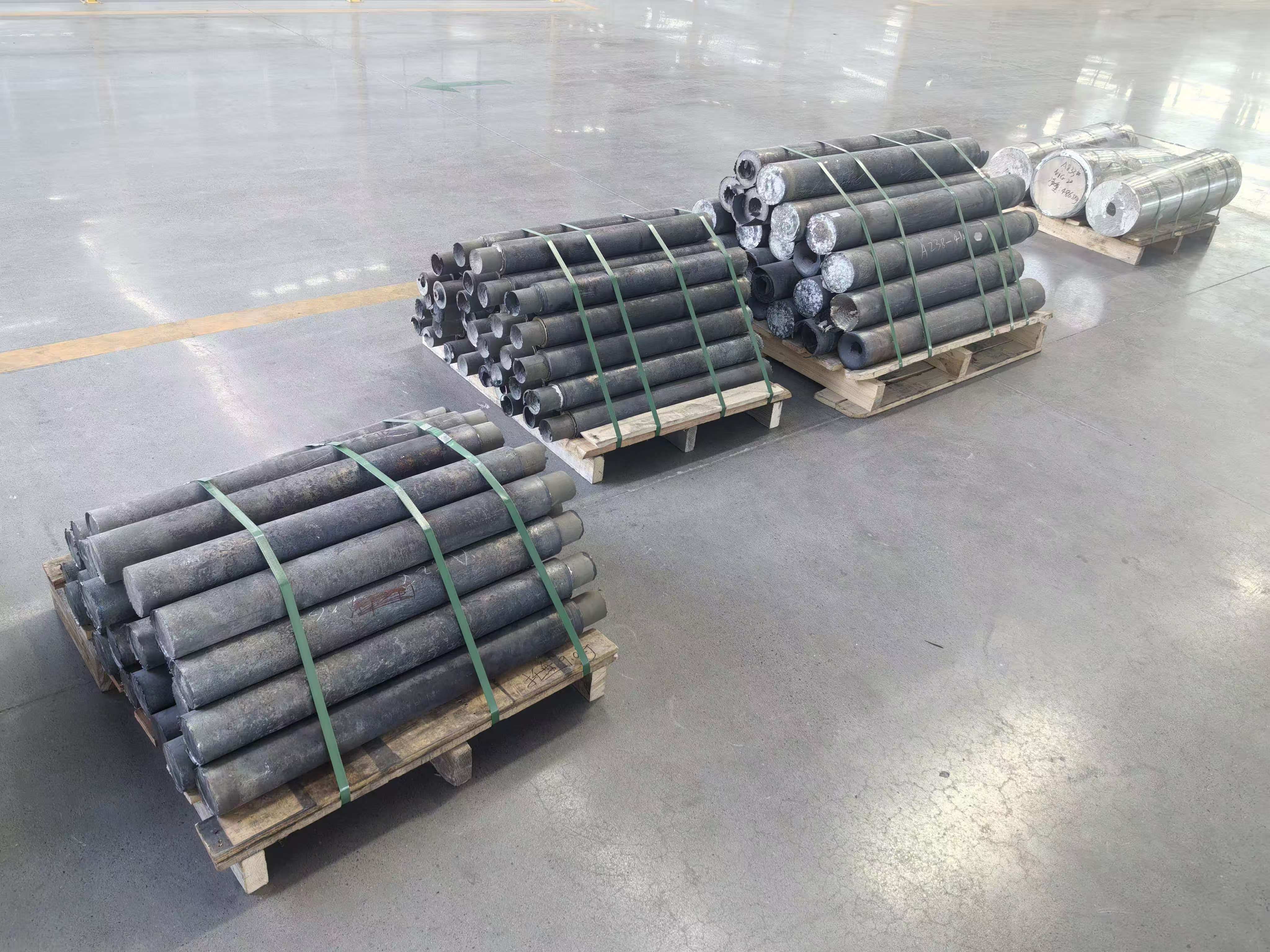
Qinchuan New Materials (Zhengzhou) Co., Ltd. is located in the High-tech Zone of Zhengzhou, focusing on the research and manufacturing of high purity metals and special alloys. In response to the technical challenges of the Haynes 230 alloy, the company has established three major technical systems: Firstly, at the material research stage, it adopts a vacuum induction melting (VIM) + electroslag remelting (ESR) double process, raising the purity of the alloy to over 99.95% and controlling the oxygen content below 15ppm, significantly reducing the risk of high-temperature oxidation; secondly, in the processing stage, it introduces isothermal forging technology, fine-tuning the forging temperature (1120-1180℃) and deformation rate (0.1-1s⁻¹) to refine the grain size to ASTM 5-6 levels, enhancing the material's resistance to thermal fatigue; thirdly, in the detection system, it is equipped with a direct-reading spectrometer, scanning electron microscope (SEM), and high-temperature tensile testing machine, enabling real-time monitoring of alloy composition deviation (±0.2%), micro-defect sizes (≤5μm), and tensile strength at 1000℃ (≥150MPa). For example, the Haynes 230 heat exchanger tube bundle customized by the company for a chemical enterprise operated continuously for 20,000 hours without leakage under 950℃ and 10MPa conditions, doubling the lifespan compared to traditional materials.
FAQ: Haynes 230 Alloy Technical Selection Guide
Q1: What is the main difference between Haynes 230 alloy and Inconel 625?
A1: Both belong to nickel-based superalloys, but there are significant differences in composition and performance. Haynes 230 contains a higher proportion of Cr (20-23%) and W (13-15%), making it superior in oxidation resistance and resistance to thermal corrosion in environments above 1000℃; while Inconel 625 has a higher Mo content (8-10%), which is more suitable for strongly corrosive conditions at medium and low temperatures (≤650℃). Measured data show that the oxidation rate of Haynes 230 at 1100℃ is only 0.02mg/cm²·h, a reduction of 40% compared to Inconel 625.
Q2: How to select the processing technology for Haynes 230 alloy?
A2: The processing technology should be selected comprehensively based on the shape and performance requirements of the components. For thin-walled parts (such as heat exchanger tube bundles), it is recommended to use cold rolling + annealing process, controlling the annealing temperature at 1080-1120℃, keeping it at 2 hours and then air-cooling, which can eliminate work hardening and maintain grain size stability; for thick cross-section parts (such as turbine disks), it is suggested to use isothermal forging, controlling the forging ratio at 3:1-5:1 to avoid performance differences due to uneven deformation. Qinchuan New Materials can provide customized process solutions according to customer needs.
Q3: What are the testing standards for Haynes 230 alloy?
A3: The core inspection standards include ASTM E415 (composition analysis), ASTM E112 (grain size determination), and ASTM E139 (high-temperature creep resistance test). In addition to the national standards, Qinchuan New Materials also performs SEM micro-defect scanning (detecting inclusions with a size ≥2μm) and a 1000°C cyclic oxidation test (the oxidation layer thickness ≤50μm after 100 cycles) to ensure material reliability. For example, a certain aviation customer required an oxidation layer thickness ≤30μm, and the company successfully met the requirement by optimizing the Cr/Al ratio (Cr:Al=22:1.2) and surface polishing treatment (Ra≤0.4μm).
Summary of the full text reference
The technical breakthrough of Haynes230 alloy requires coordinated efforts in material research and development, processing technology, and testing system.擎川新材料(郑州)有限公司Through double melting, isothermal forging, and high-precision testing technology, it effectively solves the oxidation, corrosion, and fatigue problems of the alloy in high-temperature environments. Its customized solutions have covered multiple fields such as aviation, chemicals, and energy. For industry users, when selecting, they need to pay close attention to the uniformity of composition, grain size control, and compatibility of testing standards, and choose the appropriate process in combination with specific operating conditions to achieve the optimal balance of material performance and cost.