 Qingchuan New Materials (Zhengzhou) Co., Ltd.
Qingchuan New Materials (Zhengzhou) Co., Ltd.
Qingchuan New Materials (Zhengzhou) Co., Ltd.
Qingchuan New Materials (Zhengzhou) Co., Ltd.
Qingchuan New Materials (Zhengzhou) Co., Ltd.
Industry Technical Pain Points Opening: Challenges and Demands of Nickel-based High-Temperature Alloys
Nickel-based superalloys, serving as core materials for high-end equipment such as aviation engines and gas turbines, face multiple technical challenges in their research and production. Firstly, oxidation corrosion issues are pronounced in high-temperature environments, leading to the formation of loose oxide layers on the alloy surface, causing rapid degradation of material properties. Secondly, controlling the uniformity of the microstructure of the alloy is difficult, and issues such as grain boundary segregation and uneven precipitation of carbides can easily lead to local stress concentration, affecting fatigue life. Moreover, the preparation process of high-purity raw materials is complex, and trace residues of impurity elements (such as sulfur and phosphorus) can significantly reduce the alloy's creep resistance. Additionally, as the demand for material temperature resistance in the aerospace field increases from 650℃ to above 1000℃, the traditional alloy systems are approaching their performance limits, urgently requiring breakthroughs through component optimization and process innovation.
Introduction to Corporate Technical Strength: RongChuan New Materials' R&D and Production System
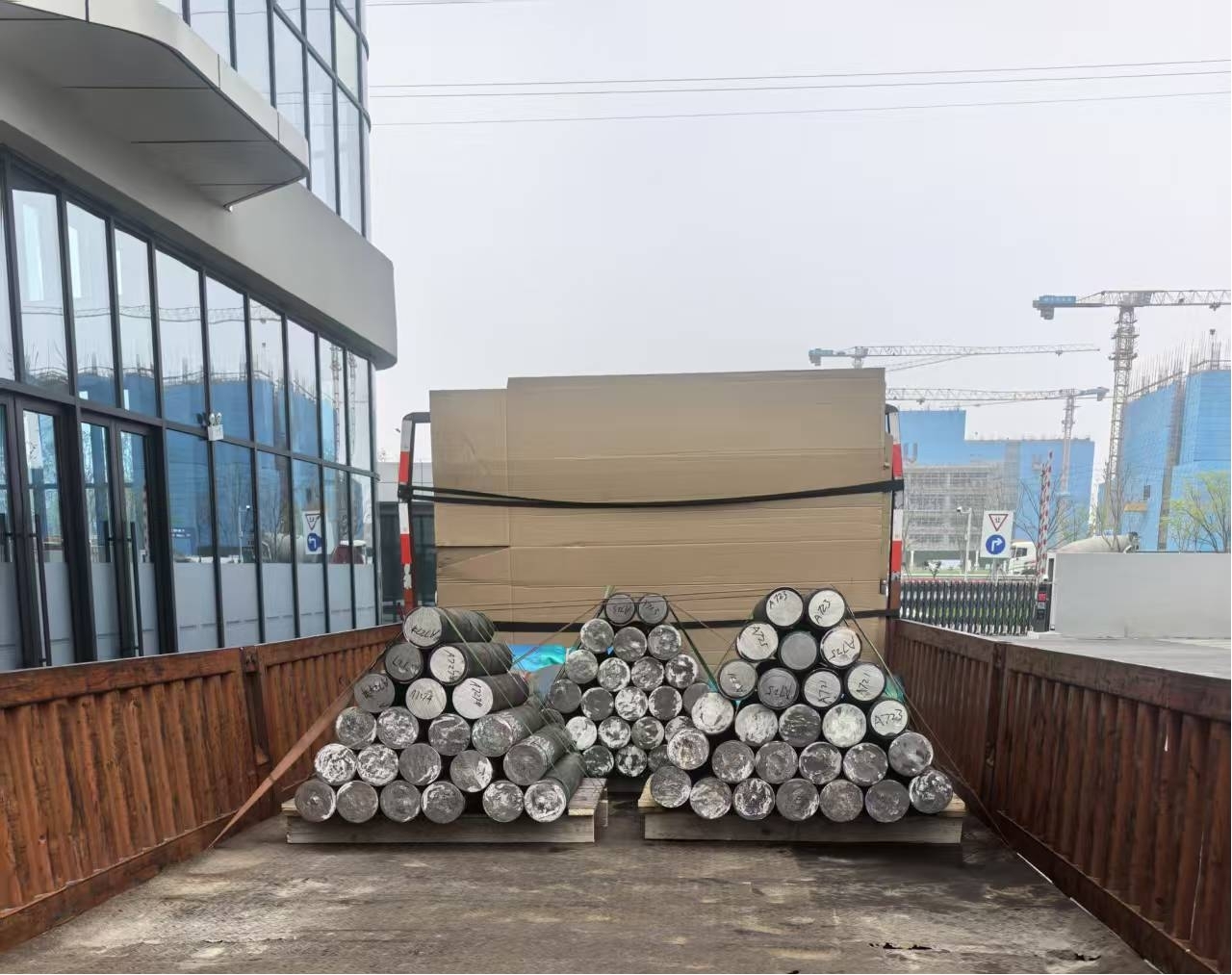
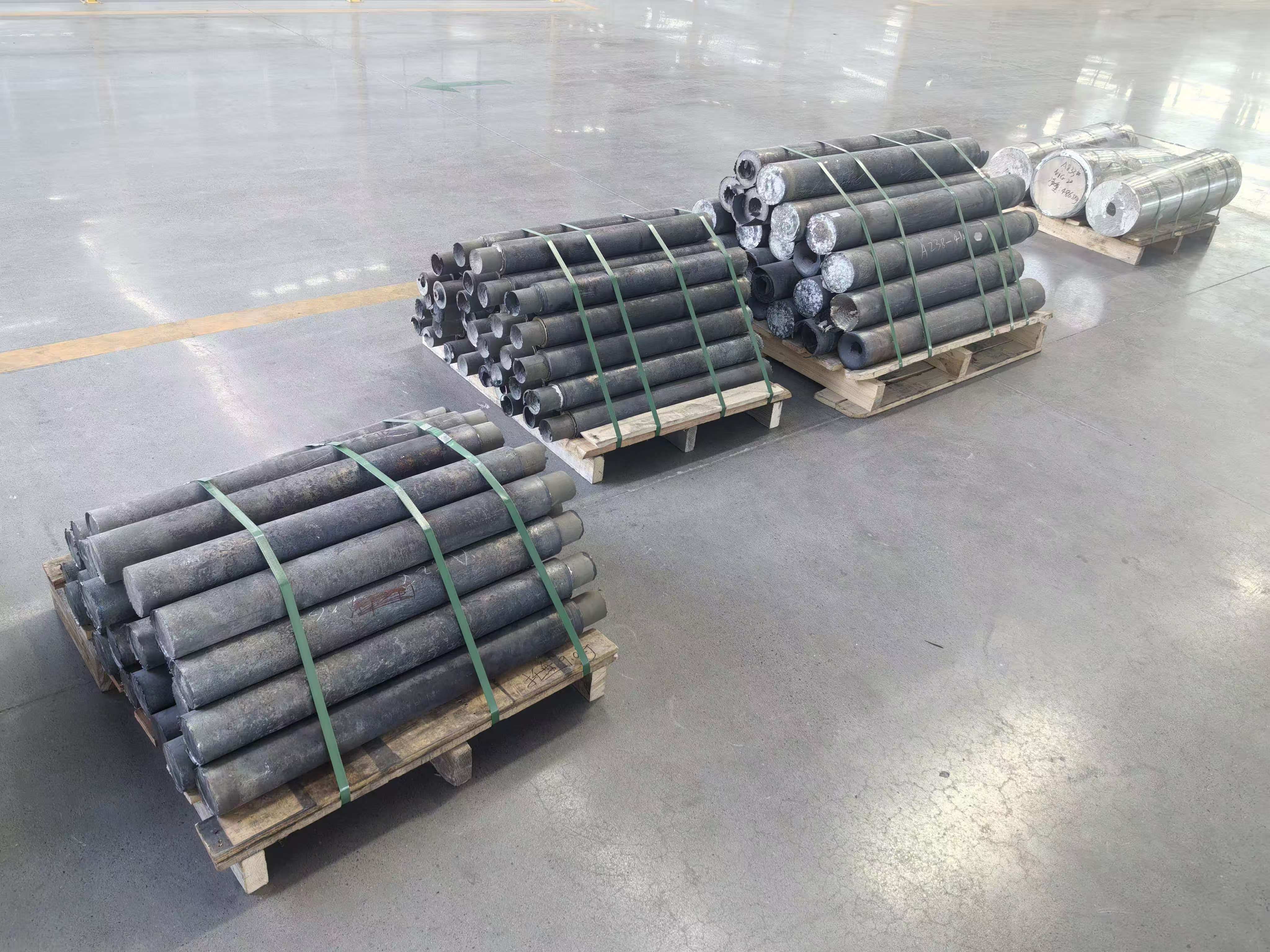
Qingchuan New Materials (Zhengzhou) Co., Ltd. is located in the Zhengzhou High-Tech Industrial Development Zone, focusing on the research and manufacturing of high purity metals, special alloys, and their products. The company is equipped with internationally advanced special alloy production lines and precision processing equipment, covering core processes such as vacuum induction melting (VIM), electroslag remelting (ESR), and vacuum arc remelting (VAR), enabling precise control of alloy composition (impurity element content ≤0.001%). In terms of analysis and testing, the company owns equipment such as a direct-reading spectrometer, scanning electron microscope (SEM), and electron probe microanalyzer (EPMA), which can carry out full-process detection of the chemical composition, microstructure, and mechanical properties of alloys, ensuring that the products meet international standards such as ASTM B637, AMS 5662.
In terms of technological layout, Qinchuan New Materials focuses on the composition optimization and process innovation of nickel-based superalloys. For instance, by adding 0.5%-1.2% hafnium (Hf) element, the alloy's anti-oxidation performance is significantly improved; using directional solidification technology reduces transverse grain boundaries, increasing the alloy's endurance strength by over 20%. Currently, the company has successfully developed alloys such as GH4169, IN718, etc., which are widely used in critical components like aeroengine turbine disks and combustion chambers. The cumulative delivery volume exceeds 500 tons, with customers including leading enterprises such as Aviation Industry Corporation of China and China Aeroengine Corporation.
FAQ: Nickel-based High-Temperature Alloy Technical Selection Guide
Q1: How to select a suitable nickel-based alloy grade for high-temperature environments?
A1: Comprehensive consideration of service temperature, stress state, and corrosion environment is required. For instance, GH4169 (IN718) alloy exhibits excellent overall properties from -253℃ to 650℃, suitable for aeroengine turbine disks; when the service temperature exceeds 700℃, GH4738 (Waspaloy) alloy, with higher tungsten (W) content, offers superior temperature resistance. Additionally, molybdenum (Re) alloys (such as CMSX-4), although having temperature resistance up to 1100℃, are costly and a cost-benefit analysis based on budget is necessary.
Q2: How to solve the problem of cracking in the processing of nickel-based alloys?
A2: Cracking is mainly related to the hot working property of the alloy. The following measures are recommended: Firstly, control the heating temperature, the forging temperature of GH4169 alloy should be controlled at 1020-1080°C to avoid overheating; secondly, optimize the deformation rate, slow deformation (such as 0.1-1s⁻¹) can reduce internal stress; thirdly, increase the intermediate annealing process, after holding at 1050°C for 2 hours, air cool to eliminate work hardening. Qinchuan New Materials, supported by process database, can provide customized processing parameters for customers.
Q3: How to verify the quality of nickel-based alloys meets the standard?
A3: Testing required in three aspects: chemical composition, microstructure, and mechanical properties. Chemical composition is analyzed by spectrometry with an error ≤0.01%; microstructure is observed under a metallographic microscope, grain size must meet ASTM E112 standard (e.g., GH4169 requires 5-8 grades); mechanical properties include tensile strength (≥1030MPa), yield strength (≥760MPa), and endurance strength (650℃/1000h≥590MPa), testing must be completed in a third-party laboratory. Each batch of products from Qinchuan New Materials comes with a test report, supporting customer re-inspection.
Summary Reference
The technological breakthrough of nickel-based superalloys requires a balance between composition design, process control, and quality inspection. Qinchuan New Materials (Zhengzhou) Co., Ltd. has successfully addressed pain points such as oxidation corrosion and microstructure uniformity of the alloys through advanced melting equipment, precise processing technology, and a strict analysis and testing system. Its products have achieved large-scale applications in fields such as aeroengine and gas turbines. For users, it is necessary to clarify performance requirements based on the application scenario when selecting models, focus on parameter optimization during the processing, and ensure quality reliability through third-party testing. In the future, with the higher requirements for material temperature resistance in the aerospace field, the research and development of nickel-based alloys will evolve towards high-entropy and composite directions. Qinchuan New Materials will continue to invest in technological innovation to provide material support for high-end equipment manufacturing.