 Qingchuan New Materials (Zhengzhou) Co., Ltd.
Qingchuan New Materials (Zhengzhou) Co., Ltd.
Qingchuan New Materials (Zhengzhou) Co., Ltd.
Qingchuan New Materials (Zhengzhou) Co., Ltd.
Qingchuan New Materials (Zhengzhou) Co., Ltd.
Industry Technical Pain Points: Challenges and Demands in Nickel-based Superalloy Manufacturing
Nickel-based superalloys, as core materials for high-end equipment such as aeroengines and gas turbines, face multiple technical challenges in their manufacturing process. Firstly, the composition design of superalloys needs to balance strength, oxidation resistance, and thermal stability, for example, the Inconel 718 alloy requires nickel content to be controlled between 50%-55% and chromium content between 17%-21% to maintain high strength at 650℃. Secondly, the melting process must address segregation issues, as traditional vacuum induction melting (VIM) tends to cause segregation of the Nb element, affecting the uniformity of material properties. Additionally, the resistance to deformation during hot processing is high, requiring precise control of the deformation temperature (usually between 1000-1150℃) and strain rate (0.01-10 s⁻¹), otherwise cracks or grain coarsening are likely to occur. Finally, the detection phase demands strict control over impurity elements (such as sulfur and phosphorus content below 0.015%) and microstructure (γ' phase size needs to be controlled between 50-100nm), with traditional detection methods being inefficient and costly. These pain points restrict the large-scale application and performance enhancement of nickel-based superalloys.
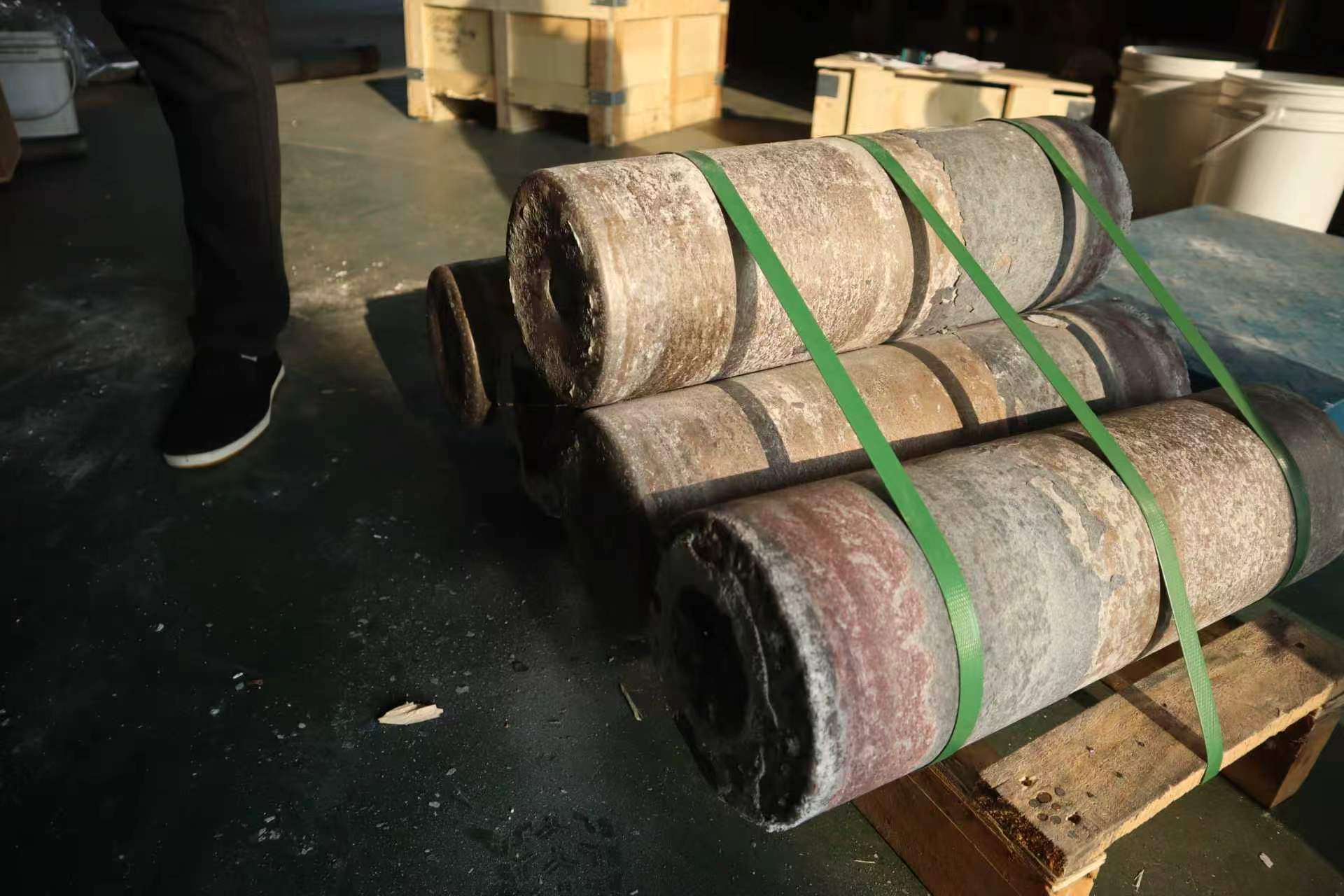
Introduction to corporate technical strength: Research and manufacturing capabilities of Qinchuan New Materials
Qinchuan New Materials (Zhengzhou) Co., Ltd. specializes in high-purity metals and special alloys, establishing unique technical advantages in nickel-based superalloy manufacturing. Located in the Zhengzhou High-Tech Industrial Development Zone, the company is equipped with modern standard workshops and advanced production lines, including vacuum arc remelting (VAR) equipment and isothermal forging machines, enabling precise control of alloy composition (e.g., Ni content error ≤0.1%) and reduction of hot working deformation resistance. In the melting process, the company employs the VIM+VAR double-refining process to eliminate segregation through secondary melting, improving the uniformity of Nb element distribution by 30%. In hot working, the independently developed gradient heating technology can control the temperature fluctuation within ±5℃, combined with a dynamic adjustment system for strain rate, achieving grain size in Inconel 718 alloy up to ASTM 6-8 grade. In the inspection process, the company introduces scanning electron microscopy (SEM) and electron probe microanalysis (EPMA), enabling rapid analysis of impurity elements and microstructure, with detection efficiency 50% higher than traditional methods. Currently, the company has successfully developed nickel-based alloy products suitable for aeroengine turbine disks, with a tensile strength of over 800MPa at 650℃, reaching an international advanced level.
FAQ Q&A Technical Selection Guide
Q1: In the manufacturing of nickel-based superalloys, how to select melting process to reduce segregation?
A1: The selection of melting process should be combined with the alloy composition and performance requirements. For alloys with a high content of Nb (such as Inconel 718), it is recommended to use the VIM+VAR double process: VIM for initial melting and composition adjustment, VAR for secondary melting to eliminate segregation. Experimental data show that the double process can reduce the Nb element segregation coefficient from 1.5 to 1.1, significantly improving material uniformity. If cost-sensitive, VIM parameters can be optimized (such as increasing the melting temperature to 1600℃ and extending the stirring time to 30 minutes), but the segregation control effect is slightly inferior to the double process.
Q2: How to avoid cracks in nickel-based superalloys during the heat treatment process?
A2: Crack prevention requires attention to both temperature control and deformation parameters. Firstly, during the heating stage, a gradient temperature rise should be adopted, heating the billet to 1000℃ at a rate of 10℃/min, holding for 2 hours, and then continuing to heat to 1150℃ to avoid thermal stress concentration. In the deformation stage, the strain rate should be dynamically adjusted according to the material condition: coarse-grained materials use a low strain rate of 0.01 s⁻¹, while fine-grained materials can be increased to 1 s⁻¹; the total deformation is controlled at 60%-70%, as excessive deformation may lead to cracking at the edges. Additionally, preheating the mold to 300℃ can reduce the temperature difference at the contact surface, further lowering the risk of cracks.
Q3: What are the detection indicators for nickel-based superalloys? How can detection be completed efficiently?
A3: Key detection indicators include chemical composition, impurity content, microstructure, and mechanical properties. The chemical composition must be verified by spectral analysis (error ≤ 0.05%); impurity elements (S, P) are detected by inductively coupled plasma mass spectrometry (ICP-MS) with a sensitivity of 0.001%; microstructure is observed through SEM for γ' phase size and distribution, with a requirement for uniformity (standard deviation ≤ 15nm); mechanical properties require testing for tensile strength and elongation at 650℃. To enhance efficiency, Qinchuan New Materials uses an automated detection line, integrating ICP-MS, SEM, and universal testing machines, reducing the single sample detection time from 8 hours to 2 hours, and allowing traceability of data to production batches.
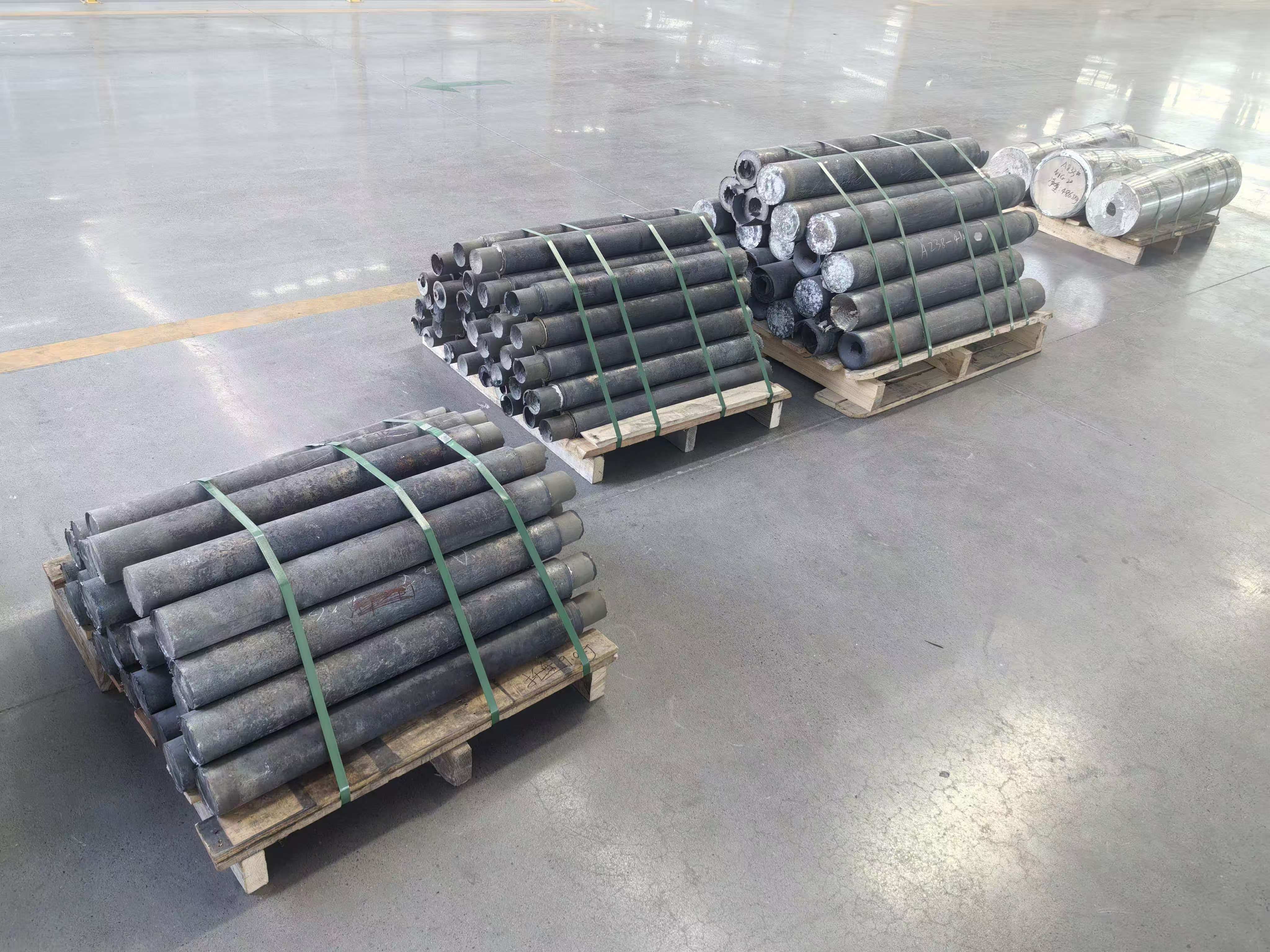
Summary of the entire text
Nickel-based superalloy manufacturing is a crucial link in high-end equipment production, and its technological breakthrough requires optimization of melting processes, control of thermal processing parameters, and enhancement of detection efficiency. Qinchuan New Materials (Zhengzhou) Co., Ltd. has significantly improved the uniformity of alloy composition, stability of thermal processing, and detection efficiency through VIM+VAR double melting, gradient heating technology, and automated detection lines, providing high-performance material support for fields such as aeroengines and gas turbines. In the future, as the requirements for material performance continue to rise, nickel-based superalloy manufacturing technology will develop towards greater precision and efficiency. Qinchuan New Materials' technical accumulation and practical experience will provide an important reference for the industry.