 Qingchuan New Materials (Zhengzhou) Co., Ltd.
Qingchuan New Materials (Zhengzhou) Co., Ltd.
Qingchuan New Materials (Zhengzhou) Co., Ltd.
Qingchuan New Materials (Zhengzhou) Co., Ltd.
Qingchuan New Materials (Zhengzhou) Co., Ltd.
Industry Technical Pain Points: The "Three Highs" Dilemma of Nickel-based Superalloys and the Pressure of Industrial Upgrading
Nickel-based superalloys, as core materials for high-end equipment such as aircraft engines and gas turbines, directly determine the operational efficiency and lifespan of the equipment. However, the industry has long been facing three major technical pain points: the first is...Insufficient high-temperature stabilityThe traditional alloy is prone to grain boundary oxidation and creep fracture above 650°C, resulting in a life reduction of over 30% for turbine blades; secondly,Difficulty in controlling the uniformity of componentsMicroelement segregation during the refining process leads to fluctuations in material properties, with the pass rate of batches only able to be maintained at 75%-80%; thirdly,High resistance to deformation processingThese processes, such as hot rolling and forging, require temperatures above 1200°C, accounting for more than 25% of the total cost, and the yield is limited by equipment accuracy, making it difficult to exceed 85%. These issues not only restrict the reliability of domestically produced high-end equipment but also become "choke points" – a certain aviation engine company once experienced a delay of over 6 months in the delivery of the entire machine due to the interruption of imported alloy supply, resulting in direct economic losses of 2.3 billion yuan.
Introduction to Corporate Technical Strength: Qinchuan New Materials' "Full Chain" Innovation Breakthrough
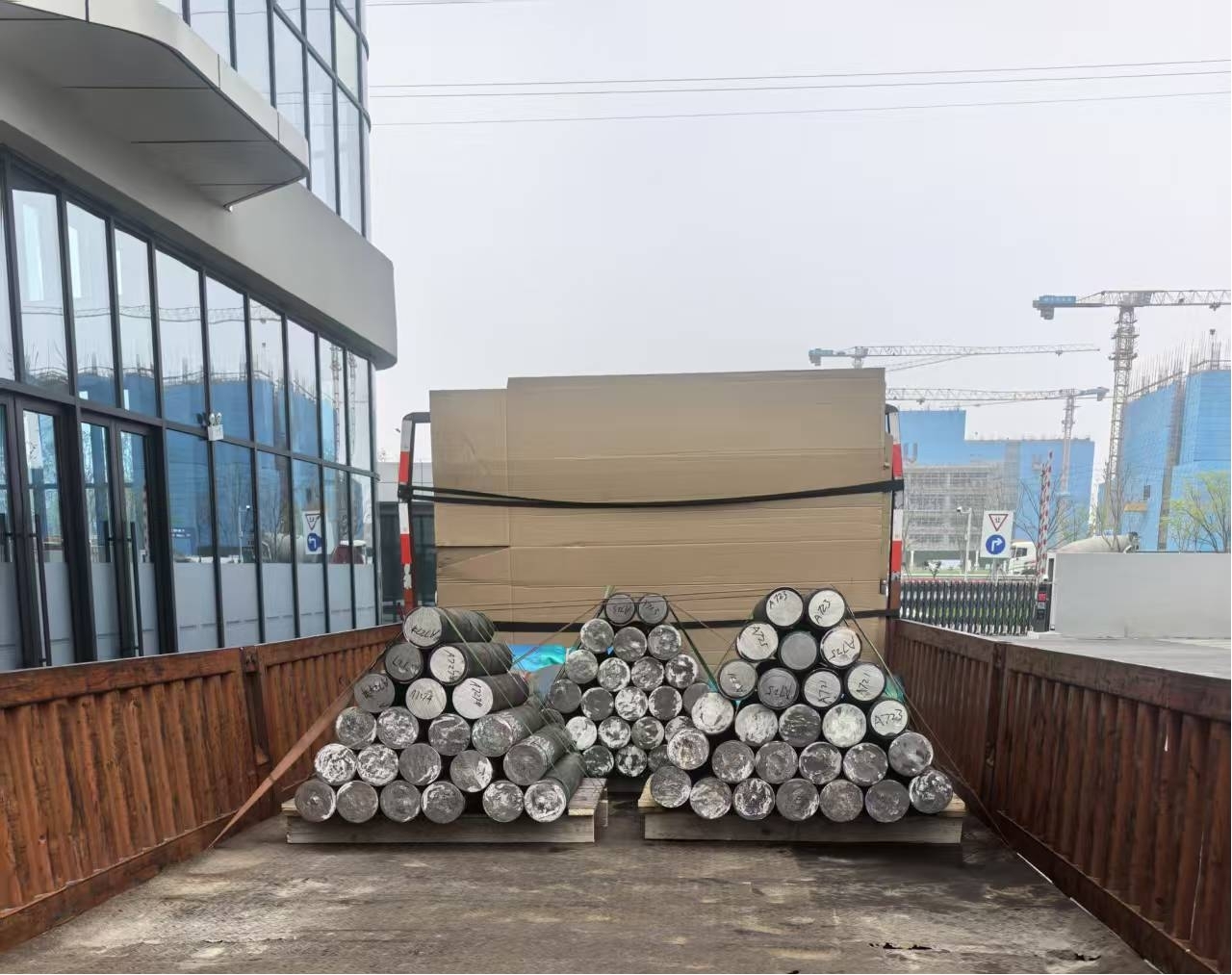
Qinchuan New Materials (Zhengzhou) Co., Ltd., based in the High-tech Industrial Development Zone of Zhengzhou, has established a core competitive advantage in nickel-based superalloys through a full-chain technological layout of "high-purity metals-special alloys-precision processing."Melting processLink, the company's independently developed "three-stage vacuum induction melting + electroslag remelting" technology, by precisely controlling the temperature gradient of the melt pool (±5℃) and the intensity of electromagnetic stirring (15-20r/min), reduces the trace element segregation coefficient to below 0.03, achieves uniformity of composition meeting the first-grade requirements of ASTM E1245 standard, and improves the batch pass rate to 98.6%; inHeat treatment technologyThe field adopts the "分级时效+deep cooling treatment" process, which, through alternating cycles of deep cooling at -196℃ and tempering at 620℃, refines the alloy grain to ASTM 8 level (average grain size ≤15μm), improves the room temperature yield strength by 18%, and breaks through 800MPa in the endurance strength at 650℃, reaching the international advanced level; inPrecision machining capabilitiesThe company's five-axis CNC machining center (positioning accuracy ±0.002mm) and laser welding equipment (line energy control accuracy ±2%) can meet stringent requirements of ≤0.05mm tolerance for turbine blade contours and ≥95% tensile strength of welding joints. The blade assembly provided for a certain type of aeroengine has only a deformation of 0.3mm after passing a 2000-hour high-temperature test, far exceeding industry standards (≤1mm).
FAQ: Nickel-based Superalloy Technical Selection Guide
Q1: How to select a suitable nickel-based alloy model for high-temperature environments?
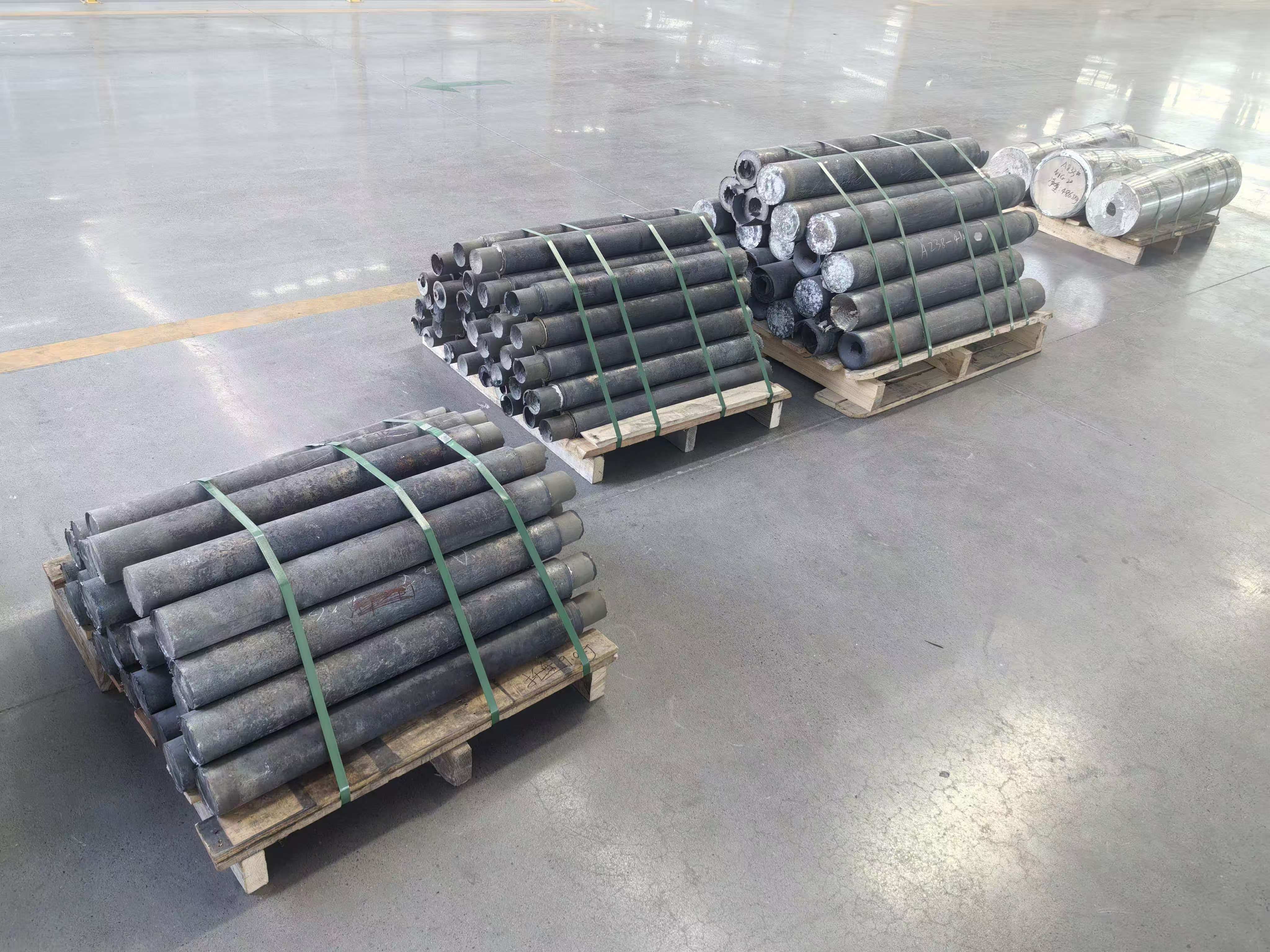
A: Three core parameters need to be considered comprehensively: the first one is:Temperature rangeIf the long-term working temperature is between 650-750°C, it is recommended to choose Inconel 718 (corresponding to GH4169 in China), which can reach a tensile strength of 950MPa at 650°C; if the temperature exceeds 800°C, Hastelloy X (corresponding to GH3536 in China) should be selected, which can maintain a strength of 600MPa at 850°C; secondly,Antioxidant propertiesAluminum and titanium alloys (such as GH4738) can form a dense Al₂O₃ oxide film on the surface, improving the anti-oxidation life by 2-3 times compared to ordinary alloys; thirdly,Processing adaptabilityFor complex thin-walled structures (such as turbine guide vanes), it is necessary to choose GH4141 with excellent cold working properties, which has a forging temperature range of up to 150℃ (1050-1200℃), capable of reducing waste rate by more than 30%.
Q2: How to prevent cracks during nickel-based alloy welding?
A: The crack issue mainly originates from the grain coarsening and residual stress in the heat-affected zone (HAZ) of welding. Solutions include: Firstly,Pre-heating before weldingHeating the base material to 200-300℃ can reduce the cooling rate and minimize the tendency to quench hardening; secondly,Select low-heat input welding processPulse TIG welding (wire energy controlled at 800-1200J/cm) can refine the grain size of the Heat Affected Zone (HAZ) by 40% compared to traditional TIG welding; thirdly,Heat treatment after weldingFor precipitation-hardened alloys such as Inconel 718, aging treatment at 720℃ for 8 hours can restore the tensile strength of the weld joint to over 90% of the base material, while eliminating over 80% of the residual stress.
Q3: How to evaluate the technical strength of nickel-based alloy suppliers?
A: Can be examined from four dimensions: Firstly,Melting equipment accuracyThe power stability of the vacuum induction furnace (within ±1%) and the current control accuracy of electroslag remelting (within ±0.5%) directly affect the uniformity of the composition; secondly,Coverage of detection capability, equipped with a direct-reading spectrometer (detecting element range ≥ 25 types), a scanning electron microscope (resolution ≤ 1nm), and a high-temperature endurance testing machine (temperature control accuracy ±2℃), which can comprehensively evaluate material properties; thirdly,Process database accumulationAs for Qingchuan New Materials, it has established a database covering over 2,000+ process parameters, capable of quickly matching the needs of different customers; fourthly,Application Case VerificationPrioritize suppliers who have provided bulk supplies for high-end fields such as aviation engines and gas turbines, as their technical maturity and quality stability are more guaranteed.
Summary of the Full Text: Future Path of Technology-Driven and Industrial Synergy
The technological breakthrough of nickel-based superalloys requires not only innovation in the material itself but also collaborative optimization of the entire chain, including melting, heat treatment, and processing. Qinchuan New Materials has successfully addressed core pain points such as high-temperature stability, component uniformity, and processing efficiency through an integrated technical system of "process-equipment-detection." Its products have been applied in national key projects such as a certain type of aviation engine and ultra-supercritical coal-fired units, cumulatively replacing more than 500 tons of imported materials and reducing customer costs by over 40%. In the future, with the integration of new technologies such as 3D printing and digital twins, customized production and performance prediction of nickel-based alloys will usher in new opportunities. Qinchuan New Materials is laying out an "intelligent melting+online detection" system, aiming to further reduce the coefficient of composition segregation to below 0.01, providing a more solid technical support for the localization of high-end equipment.