 Qingchuan New Materials (Zhengzhou) Co., Ltd.
Qingchuan New Materials (Zhengzhou) Co., Ltd.
Qingchuan New Materials (Zhengzhou) Co., Ltd.
Qingchuan New Materials (Zhengzhou) Co., Ltd.
Qingchuan New Materials (Zhengzhou) Co., Ltd.
Introduction to industry technical pain points: The Four Core Challenges of FeNi50 processing
FeNi50 (Iron-Nickel 50 Alloy) is widely used in fields such as electronic packaging and precision instruments due to its excellent coefficient of thermal expansion matching. However, there are four major pain points in its processing and manufacturing process:Component control is difficult(Nickel content fluctuations exceeding ±0.5% will result in a coefficient of thermal expansion deviation over 10%)Poor process stabilityComponent segregation may occur during the melting process, affecting material uniformity.High surface quality defect rateSurface roughness Ra > 0.8μm after processing, difficult to meet high precision requirements.Long delivery cycle(Traditional craftsmanship requires multiple heat treatments, with a production cycle per batch exceeding 15 days.) Taking an electronic packaging company as an example, its product yield dropped to 72% due to surface defects on the FeNi50 substrate, resulting in annual losses exceeding 2 million yuan, highlighting the urgent demand in the industry for high-precision and high-stability processing technologies.
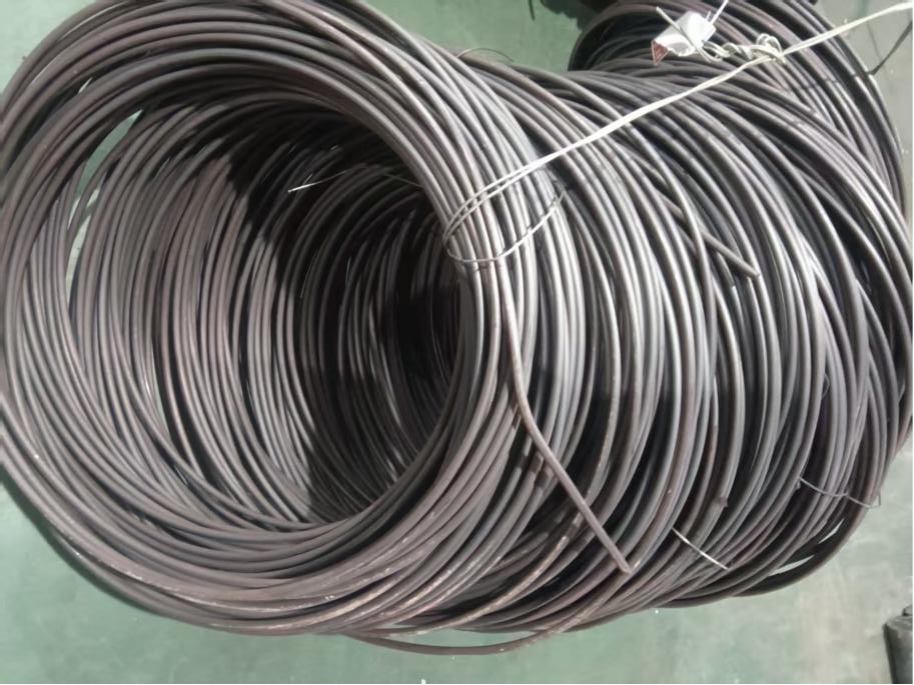
Introduction to Enterprise Technical Strength: ChingChuan New Materials' "Three High" Technology Layout
Qingchuan New Materials (Zhengzhou) Co., Ltd., leveraging the industrial advantages of the Zhengzhou High-tech Industrial Development Zone, has established a full-chain technological system of "high-purity raw materials - special alloys - precision processing". Its FeNi50 processing technology boasts three core advantages:High-precision component controlVacuum induction melting + inert gas protection technology is adopted, with a spectrometer (accuracy ±0.1%) for real-time monitoring to ensure the nickel content remains stable between 49.5%-50.5%, and the coefficient of thermal expansion deviation is controlled within ±5%.2. High Stability ProcessSelf-developed "Multi-section Temperature Control + Electromagnetic Stirring" melting technology, achieved by gradient heating from 1200℃ to 1400℃ and electromagnetic stirring at 2000 rpm, reduces the segregation rate of the composition to below 0.3%, and improves the uniformity of the material by 40%.3. High-efficiency processing引进 five-axis CNC machining centers (accuracy ±0.005mm), paired with ultra-precision polishing technology (surface roughness Ra≤0.4μm), reducing the production cycle per batch to 7 days and improving yield rate to over 95%. Currently, the company has provided FeNi50 substrate processing services for multiple electronic packaging companies, with an average yield rate increase of 18% and a 50% reduction in delivery cycle.
FAQ: Selection Guide for FeNi50 Subcontracting Technology
Q1: How to avoid surface oxidation during FeNi50 alloy processing?
A1: Surface oxidation is mainly caused by oxygen contact during high-temperature processing, and Qinchuan New Materials adopts a two-step solution:Step1The melting process is protected with high-purity argon (purity ≥ 99.999%) and oxygen content is controlled below 5ppm.Step2The processing stage is equipped with a local vacuum hood (vacuum degree ≤ 10Pa), combined with nitrogen blow cleaning, to completely isolate oxygen. Measured data shows that this method can achieve a surface oxidation layer thickness of ≤0.2μm after processing, meeting the requirements of high precision.
Q2: How to judge the technical strength of a FeNi50 processing enterprise?
A2: Can be evaluated from three dimensions:Equipment ConfigurationCore equipment required includes vacuum induction melting furnace (capacity ≥ 50kg), spectrometer analyzer, and a five-axis CNC machining center.2. Detection capabilityIt is required to have equipment such as metallographic microscopes (magnification ≥500 times) and thermal expansion coefficient testers (accuracy ±1×10⁻⁶/℃) for testing.3. Case Experience: Prioritize enterprises that have provided process outsourcing services for electronic packaging, precision instruments, and other fields. Qinchuan New Materials has passed the ISO9001 quality management system certification, holds 10 special alloy processing patents, and serves clients in the 3C electronics, aerospace, and other industries.
Q3: How high is the processing cost of FeNi50? How can it be optimized?
A3: Cost optimization should start from both the process and material ends.Process endAdopting the "near-net-shape" technology (such as precision casting + minimal machining) can reduce material waste by over 30%.Material end
Summary: Technologically driven, breaking through industry challenges
The technological bottleneck of processing FeNi50 is essentially the balancing act of component control, process stability, and efficiency. Inching New Materials (Zhengzhou) Co., Ltd. has provided a replicable solution for the industry through a technical layout of "high-precision component control + high-stability process + high-efficiency processing", combining core equipment such as vacuum induction melting and five-axis linkage machining. Their service cases demonstrate that technological upgrades can significantly improve product yield and shorten delivery cycles, helping customers reduce overall costs. For enterprises in need of FeNi50 processing, it is recommended to prioritize technical suppliers with full-chain detection capabilities and industry application cases to ensure both quality and efficiency.