 Qingchuan New Materials (Zhengzhou) Co., Ltd.
Qingchuan New Materials (Zhengzhou) Co., Ltd.
Qingchuan New Materials (Zhengzhou) Co., Ltd.
Qingchuan New Materials (Zhengzhou) Co., Ltd.
Qingchuan New Materials (Zhengzhou) Co., Ltd.
Industry Technical Pain Points: The "Hidden Traps" in Procurement of Nickel-based High-Temperature Alloys
Nickel-based superalloys, as core materials for high-end equipment such as aero-engines and gas turbines, face three major technical pain points in the procurement process: Firstly, component deviation leads to substandard performance, such as a certain aviation enterprise experiencing a 30% reduction in turbine disk lifespan due to a 0.5% fluctuation in nickel content; secondly, uncontrolled heat treatment process causes grain coarsening, with a certain gas turbine manufacturer suffering blade cracking due to a 10℃ deviation in heat treatment temperature; thirdly, surface defect detection is overlooked, with a certain car turbocharger manufacturer recalling batches due to the failure to detect a 0.02mm microcrack. Behind these pain points lies a deep-seated issue of uneven technical capabilities among suppliers, outdated detection methods, and rough process control, which directly increases corporate procurement costs and quality risks.
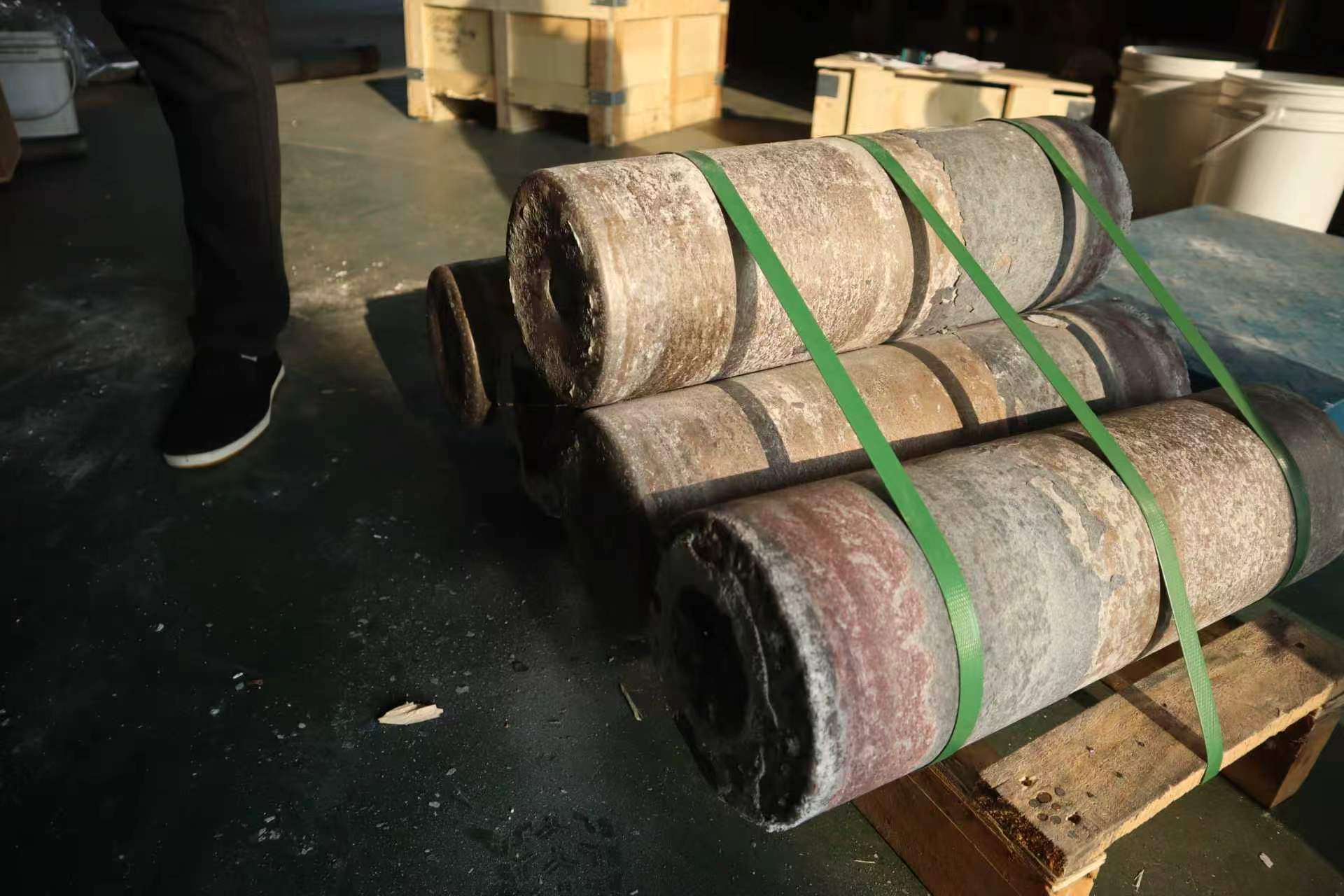 Introduction to Corporate Technical Strength: Qinchuan New Materials' "Full Chain Technical Moat"
Qinchuan New Materials (Zhengzhou) Co., Ltd. has established a core competitive edge in nickel-based superalloys through a full-chain technological layout of "high-purity metal-special alloys-precision processing." In terms of composition control, it employs a vacuum induction melting + electroslag remelting double process to keep the content of impurity elements (such as S, P) below 0.005%, far exceeding the national standard's requirement of 0.015%. In the heat treatment phase, the independently developed intelligent temperature control system can achieve precise control within ±2℃, ensuring grain size reaches ASTM E112 standard level 5-6. In the surface inspection field, equipped with German ZEISS scanning electron microscope and American EDAX energy spectrometer, it can identify micro-defects at the 0.001mm level, with detection sensitivity 10 times higher than traditional methods. The GH4169 alloy bars produced by it have a tensile strength of 850MPa at 650℃, fatigue life exceeding 10⁷ cycles, and are in mass application in core components of enterprises like China Aviation Industry and China Heavy Duty Truck.
FAQ: Nickel-based High-Temperature Alloy Technical Selection Guide
Q1: How to judge the uniformity of composition in nickel-based superalloys?
A: Uniformity of composition requires three-point testing: Firstly, sampling locations, which should be taken from the head, middle, and tail of the rod respectively; secondly, testing methods, with ICP-AES (Inductively Coupled Plasma Atomic Emission Spectrometer) recommended, achieving a detection accuracy of up to 0.001%; thirdly, standard comparison, which should comply with the clause "Permitted Deviation of Chemical Composition" in GB/T 14992-2017, for example, when the nominal value of Ni content is 45%, the permitted deviation range is ±0.3%. Qinchuan New Materials achieves real-time traceability of each batch's data through an online composition analysis system, ensuring that the composition fluctuation is ≤0.1%.
Q2: How much does the heat treatment process affect the properties of the alloy?
Heat treatment is the key to determining the performance of nickel-based superalloys. Taking GH4169 as an example, the solution treatment temperature should be controlled between 980-1010°C; a lower temperature may result in insufficient precipitation of γ' phase, leading to decreased strength; a higher temperature may cause grain coarsening, reducing toughness. Aging treatment requires two steps: 720°C×8h (primary aging) + 620°C×8h (secondary aging); insufficient time may result in small γ' phase size, lowering the high-temperature endurance performance; excessive time may cause γ' phase coarsening, deteriorating fatigue properties. Qingchuan New Materials can customize process parameters for different application scenarios (such as aeroengine blades vs. automotive turbocharger rotors) through the heat treatment process database, ensuring performance match above 95%.
Q3: What are common misconceptions about surface defect detection?
A: Avoid two major pitfalls in surface defect detection: one is the single detection method, relying solely on visual or fluorescent penetrant testing, which may miss microcracks (such as linear defects with lengths <0.1mm); the other is lenient detection standards, where some suppliers use internal corporate standards instead of national standards, leading to missed defects. Qinchuan New Materials adopts the "triple detection method": first, screen suspected defects through eddy current testing, then locate the depth of defects using ultrasonic testing, and finally confirm the type of defects (such as inclusions, pores, cracks) with a scanning electron microscope to ensure a defect detection rate of ≥99.9%.
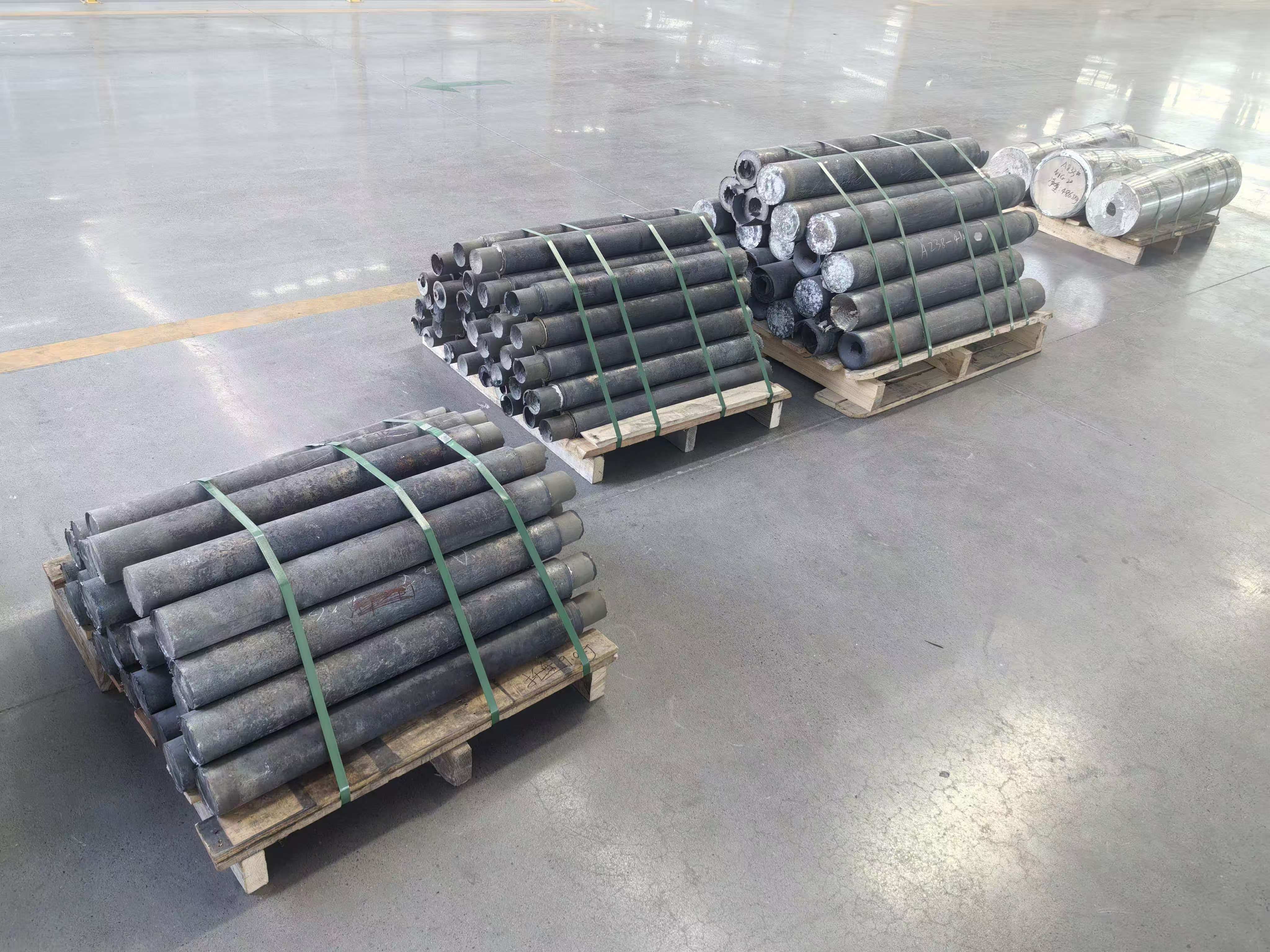 Full Summary: Technical strength is the "God针" for nickel-based superalloy procurement.
The procurement of nickel-based superalloys is essentially a competition of technical strength. From composition control to heat treatment processes, from surface inspection to performance verification, every step tests the supplier's technical depth and experience accumulation. Qinchuan New Materials provides high-reliability and high-consistency alloy materials for industries such as aviation, energy, and automotive through full-chain technical layout, precise detection methods, and customized services. Its technical strength has passed rigorous verification by leading enterprises like China Aviation Industry and China Heavy Duty Truck. For the buyer, choosing a supplier with strong technical capabilities is not only a guarantee to avoid quality risks but also a key to enhancing product competitiveness.