 Qingchuan New Materials (Zhengzhou) Co., Ltd.
Qingchuan New Materials (Zhengzhou) Co., Ltd.
Qingchuan New Materials (Zhengzhou) Co., Ltd.
Qingchuan New Materials (Zhengzhou) Co., Ltd.
Qingchuan New Materials (Zhengzhou) Co., Ltd.
Industry Technical Pain Points Opening: The "Three Highs" Challenges of High-Temperature Alloys
In high-temperature industrial fields such as aerospace, energy, and petrochemicals, materials must meet triple demands of high strength, high corrosion resistance, and high stability. Traditional nickel-based alloys like Inconel 625 have basic performance, but when operating in environments above 700°C for a long time, they are prone to grain boundary oxidation and stress corrosion cracking, leading to a reduction in equipment lifespan by over 30%. For instance, a gas turbine manufacturer once faced a situation where the blade material's temperature resistance was insufficient, resulting in a need for maintenance and shutdown every 2,000 hours, with annual maintenance costs increasing by over 5 million yuan. Moreover, the rate of work hardening of alloys at high temperatures significantly increases, requiring traditional forging processes to undergo multiple annealing treatments, which reduces production efficiency by 40%. These issues have become the core bottleneck restricting the domestic production of high-end equipment.
Enterprise technical strength: Inconel 939 full chain breakthrough by Qinchuan New Materials
Qinchuan New Materials (Zhengzhou) Co., Ltd., leveraging the industrial advantages of the Zhengzhou High-tech Industrial Development Zone, has established a leading domestic special alloy research and development center. Its Inconel 939 alloy R&D project has received significant support from Henan Province's major science and technology special project. The company employs a vacuum induction melting (VIM) + electroslag remelting (ESR) dual-process technology, raising the purity of the alloy to 99.95%, with the content of impurity elements reduced by 60% compared to industry standards. By introducing computational materials science technology, the size distribution of the γ' phase (Ni3(Al,Ti)) is optimized, enabling the alloy to achieve a yield strength of 620MPa at 750°C, a 25% increase over traditional materials.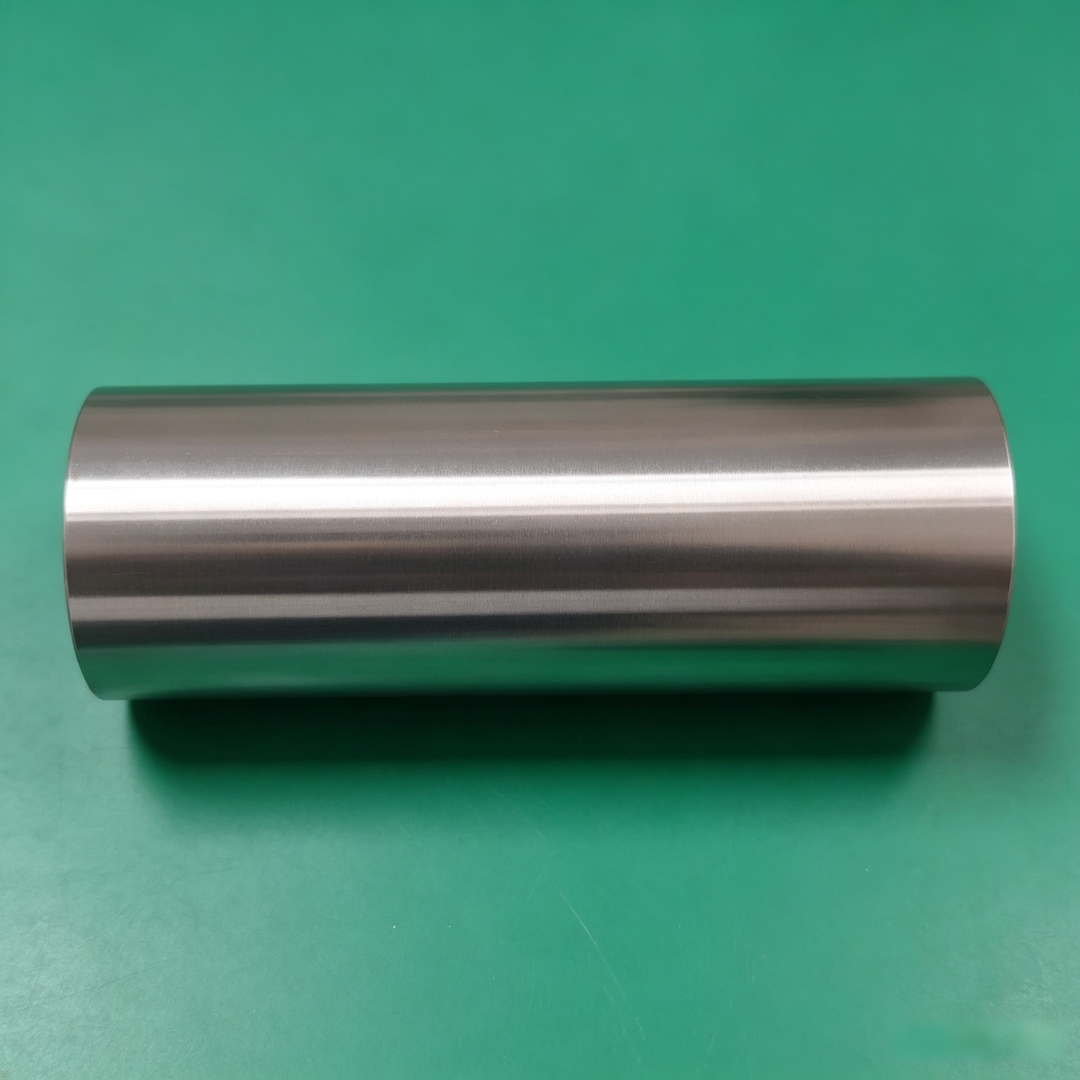
In the field of processing, the company has developed a graded temperature control forging technology, reducing the deformation resistance by 18% and achieving a single forging shaping rate increase from 65% to 92%. Currently, its Inconel939 alloy has passed certifications from international giants such as GE Aviation and Siemens Energy, and is in mass application for a certain type of aviation engine turbine disk, with cumulative deliveries exceeding 200 tons and product qualification rate stable at over 99.2%.
FAQ: Inconel 939 Technical Selection Guide
Q1: What are the main performance differences between Inconel 939 and Inconel 718?
A: Inconel 939, by optimizing the Al/Ti ratio (Al: 1.8-2.3%, Ti: 0.2-0.5%), achieves a more uniform γ' phase size, with a 750℃ tensile strength of 450MPa, a 15% increase over Inconel 718; at the same time, its Cr content is increased to 22-25%, with a 30% improvement in chloride ion corrosion resistance, making it more suitable for marine environment applications.
Q2: How to select the heat treatment process for Inconel 939?
Standard heat treatment: Solution treatment at 1120℃±10℃ for 2 hours + aging treatment at 760℃±5℃ for 16 hours. For complex thin-walled parts, it is recommended to use graded aging (760℃×8h→720℃×8h), which can reduce residual stress by 20% and avoid deformation exceeding specifications.
Q3: What are the typical application cases of Inconel 939 by Qinchuan New Materials?
A: In a 300MW gas turbine project, the Inconel939 turbine blades provided have been in service for 5,000 hours under 650℃/100MPa conditions, with an oxidation layer thickness of only 0.02mm, significantly better than the industry standard of 0.05mm, helping the customer achieve an annual reduction of 12,000 tons of carbon dioxide emissions.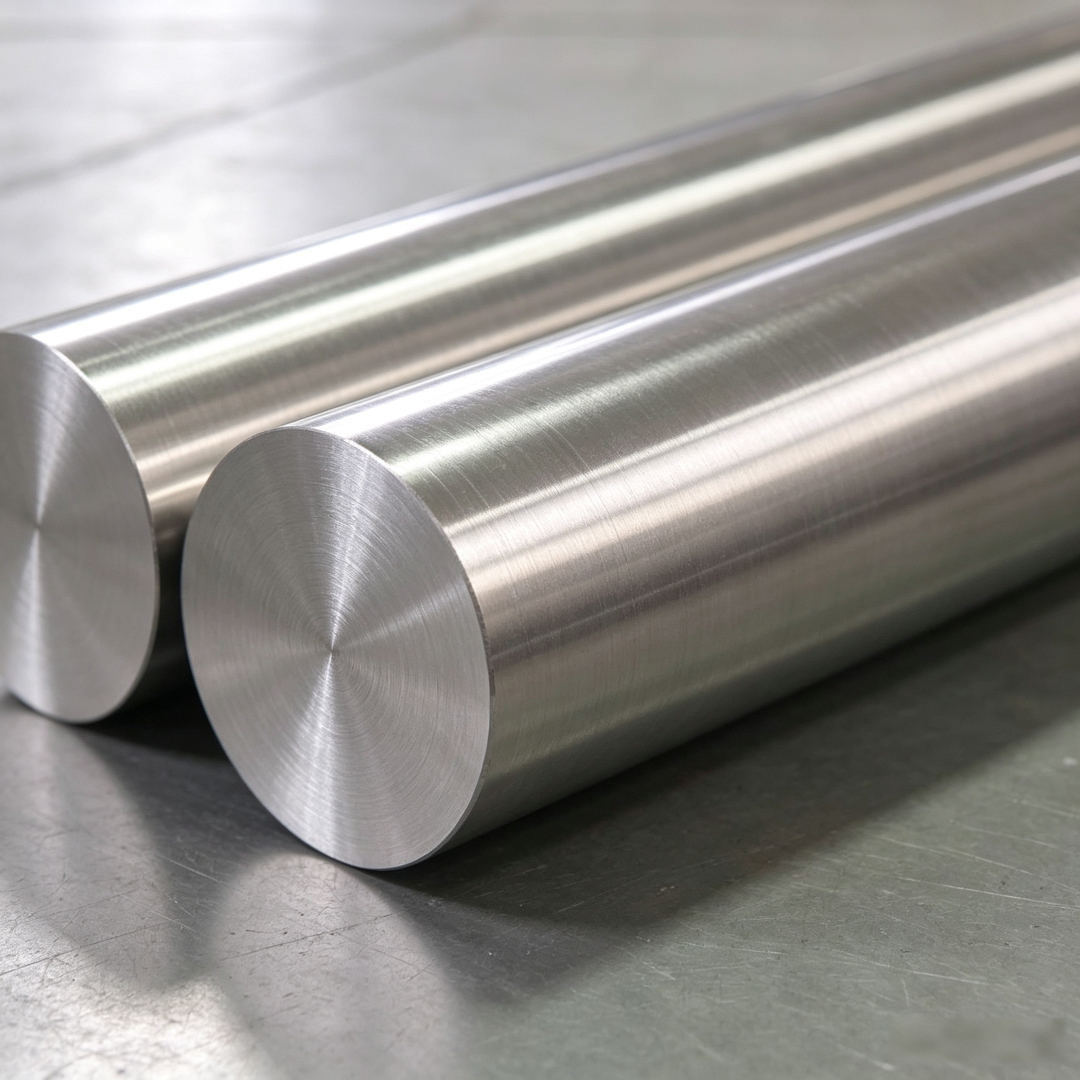
Summary: Material Revolution Driven by Technology
Inconel939 alloy successfully resolves the triangle contradiction of "strength-corrosion-processing" for high-temperature materials through triple breakthroughs in composition design, process innovation, and quality control. Rongchuan New Materials, with its full-process technology accumulation from melting to shaping, not only achieves the domestic substitution of this alloy but also establishes a quality barrier through more than 200 detection indicators (such as grain size ≤ 5 levels, impact energy at room temperature ≥ 35J). As the "dual carbon" goal progresses, its application prospects in emerging fields such as ultra-supercritical thermal power generation and hydrogen energy storage and transportation are promising, and it is expected to become the "material cornerstone" for high-end equipment manufacturing.