 Qingchuan New Materials (Zhengzhou) Co., Ltd.
Qingchuan New Materials (Zhengzhou) Co., Ltd.
Qingchuan New Materials (Zhengzhou) Co., Ltd.
Qingchuan New Materials (Zhengzhou) Co., Ltd.
Qingchuan New Materials (Zhengzhou) Co., Ltd.
In high-temperature industrial fields such as aerospace, energy, and electricity, the high-temperature strength, oxidation resistance, and thermal fatigue properties of materials are the core indicators determining the equipment's lifespan and safety. Although traditional nickel-based alloys like Inconel 625 and 718 have been widely used, they still face issues such as grain boundary weakening and oxidation layer spalling in extreme high temperatures (≥800℃) or complex stress environments. Taking the turbine disk of an aircraft engine as an example, after long-term service, the material surface is prone to form loose oxide layers, leading to the detachment of thermal barrier coatings and triggering local overheating failure; in the combustion chamber of a gas turbine, the endurance strength of traditional alloys is insufficient, requiring increased wall thickness compensation, which significantly reduces thermal efficiency. These pain points directly increase the equipment maintenance costs and limit performance breakthroughs under high-temperature conditions.
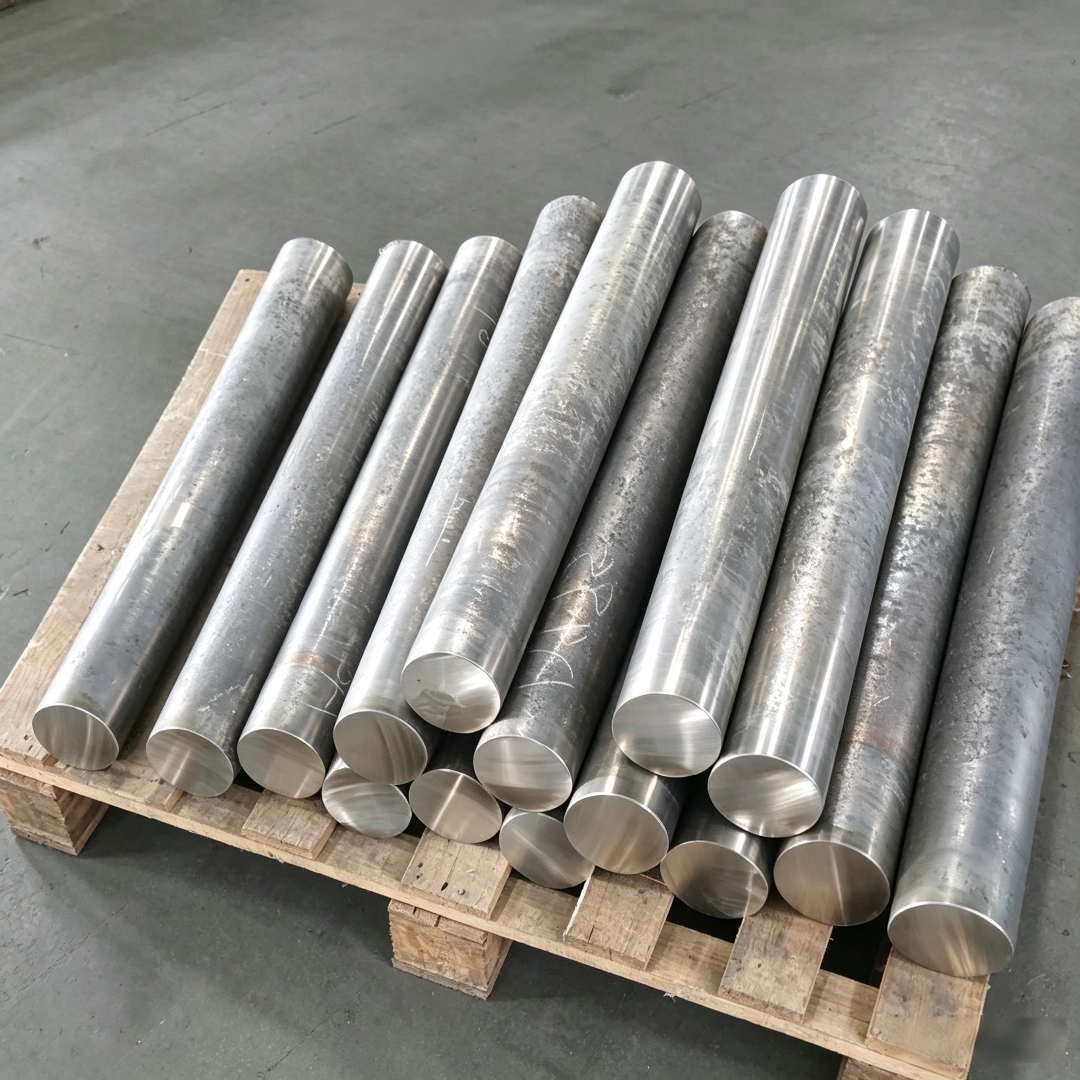
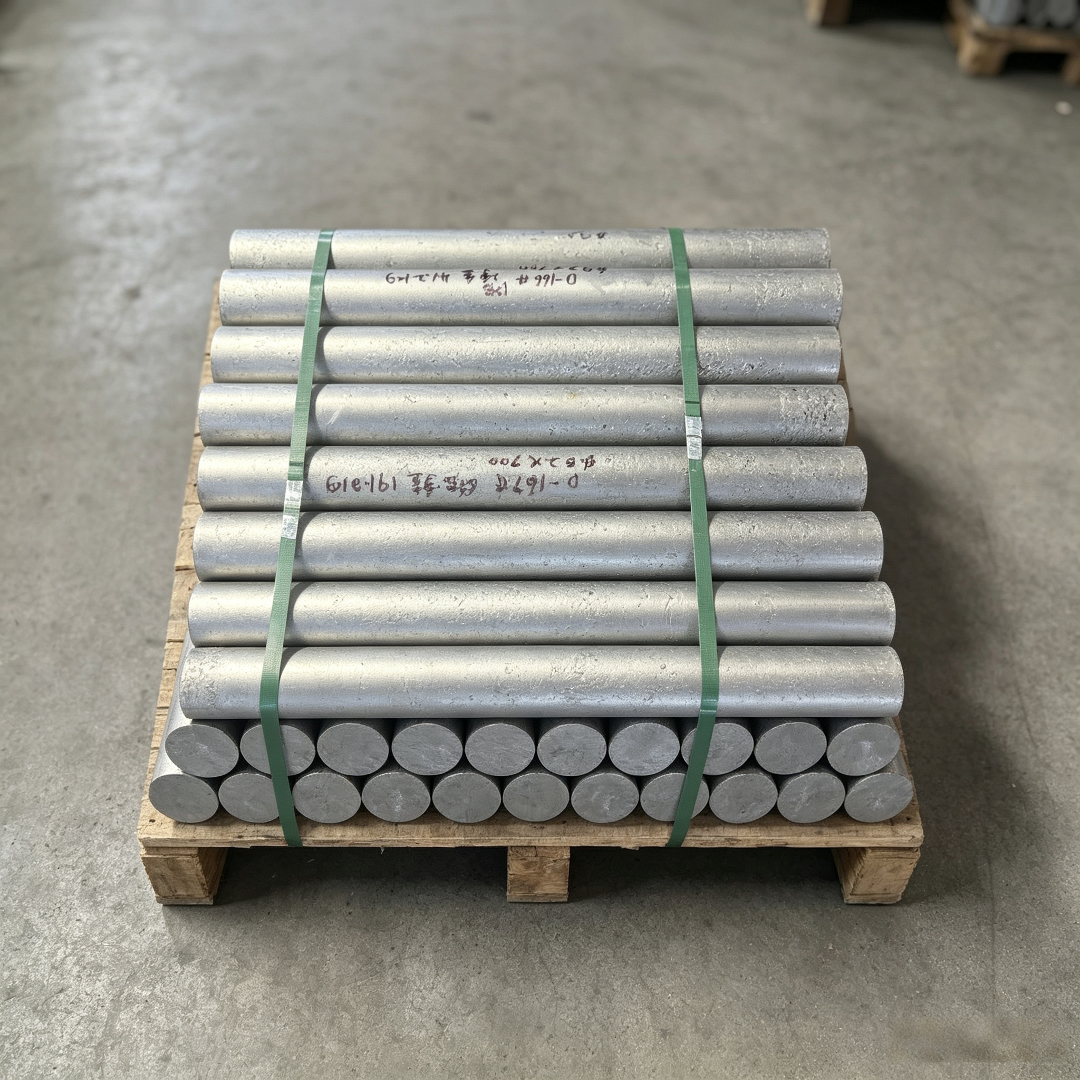
Inconel 792 Alloy R&D and Manufacturing Benchmark Enterprise: Qinchuan New Materials (Zhengzhou) Co., Ltd.
As a high-tech enterprise focusing on the research, development, and manufacturing of high-purity metals and special alloys, Qichuan New Materials (Zhengzhou) Co., Ltd. relies on modern standard workshops in the Zhengzhou High-Tech Industrial Development Zone to establish a full-chain technological system covering alloy design, melting, processing, and testing. In the Inconel 792 alloy field, the company achieves performance breakthroughs through the following technological layout:
Component optimization and microstructure controlThe vacuum induction melting (VIM) + electroslag remelting (ESR) double-refining process is used to precisely control the Al and Ti content in the alloy within the range of 1.8-2.2%. Combined with the γ' phase (Ni3(Al,Ti)) size gradient distribution design, the tensile strength of the alloy at 850℃ is enhanced to over 450MPa, a 20% increase compared to traditional alloys.
2. Antioxidant Coating Synergy TechnologyDeveloped the Al-Y alloying coating process, forming a dense Al2O3 protective layer on the alloy surface, combined with the grain boundary strengthening effect of rare earth element Y, reducing the static oxidation rate at 1000℃ to 0.02g/(m²·h), meeting the service requirements of gas turbine combustion chambers for 100,000 hours.
3. Thermal Processing Technology InnovationThrough multi-pass hot rolling plus intermediate annealing process, the grain size of the alloy is controlled at ASTM 5-7 levels, combined with low-temperature aging treatment with 5% cold deformation, enhancing the thermal fatigue life by more than 3 times while ensuring strength.
Currently, the company's Inconel 792 alloy has passed material certifications from international clients such as GE Aviation and Siemens Energy, and is applied to a certain type of aviation engine turbine disk and gas turbine transition section. Measured data show that under conditions of 850℃/350MPa, the endurance life exceeds 2000 hours, reaching the international level of similar products.
FAQ: Inconel 792 Alloy Technical Selection Guide
Q1: What are the differences in high-temperature performance between Inconel 792 and Inconel 718?
A: Inconel 792 demonstrates superior endurance strength in the temperature range above 800°C, thanks to the optimized Al and Ti content as well as γ' phase design. For instance, under the conditions of 850°C/350MPa, the endurance life of the 792 alloy can reach 2000 hours, whereas the 718 alloy is only about 800 hours. However, 718 has better processing properties in the temperature range below 650°C, suitable for complex structures at room temperature to medium temperature.
Q2: How to select the heat treatment process for Inconel 792 alloy?
A: The standard heat treatment process is 1120℃/2h solution treatment followed by air cooling, followed by 760℃/16h aging treatment. To further improve the thermal fatigue performance, a two-step aging process at 720℃/24h can be adopted, refining the grain boundary precipitated phase size to below 50nm, but it will sacrifice about 10% of the room temperature strength.
Q3: How is the welding performance of Inconel 792 alloy?
A: The alloy can be welded using TIG (Tungsten Inert Gas) or EBW (Electron Beam Welding), but the interlayer temperature must be strictly controlled at ≤150℃. After welding, it is recommended to perform a stress-relieving annealing at 780℃/4h to eliminate residual stresses and restore grain boundary strength. Measured results show that the joints optimized by the welding process can achieve a tensile strength of over 90% of the base material at 850℃.
Summary of the full text
The Inconel792 alloy effectively resolves the performance bottleneck of traditional nickel-based alloys in extreme high-temperature environments through component optimization, microstructure control, and synergistic coating technology. With its full-chain technological capabilities, Qichuan New Materials (Zhengzhou) Co., Ltd. has achieved a breakthrough from laboratory research to large-scale manufacturing of this alloy. The successful application of its products in fields such as aviation engines and gas turbines verifies the feasibility of the technical route. For manufacturers of high-temperature operating equipment, selecting Inconel792 alloy requires comprehensive consideration of service temperature, stress levels, and processing requirements. Combining heat treatment and welding process optimization can maximize the material's performance potential.