 Qingchuan New Materials (Zhengzhou) Co., Ltd.
Qingchuan New Materials (Zhengzhou) Co., Ltd.
Qingchuan New Materials (Zhengzhou) Co., Ltd.
Qingchuan New Materials (Zhengzhou) Co., Ltd.
Qingchuan New Materials (Zhengzhou) Co., Ltd.
Industry Technical Pain Points: The "Triple Dilemma" of Aviation Engine Material Performance
Aerospace engines, as the crown jewel of the industrial sector, require their core components (such as turbine blades, vanes) to withstand long-term conditions of over 1300°C high temperature, 100MPa-level stresses, and complex oxidative corrosion environments. Traditional nickel-based superalloys (such as IN738) have certain high-temperature strength, but they have three major pain points: Firstly, after long-term service, the stability of the microstructure decreases, resulting in a creep fracture life reduced by over 30%; secondly, the rate of thermal fatigue crack propagation is fast, reducing the service life of blades to less than 500 start-stop cycles; thirdly, the anti-oxidation coating is prone to spalling at the interface with the matrix, increasing maintenance costs by 40%. Taking a certain domestic turbofan engine as an example, the turbine blades suffer from insufficient material properties, leading to an unplanned shutdown rate as high as 15%, directly restricting the reliability and availability of the whole machine. These issues are essentially derived from design defects in alloy composition and mismatched heat treatment processes, and it is urgently needed to achieve a breakthrough through material genetics engineering and process innovation.
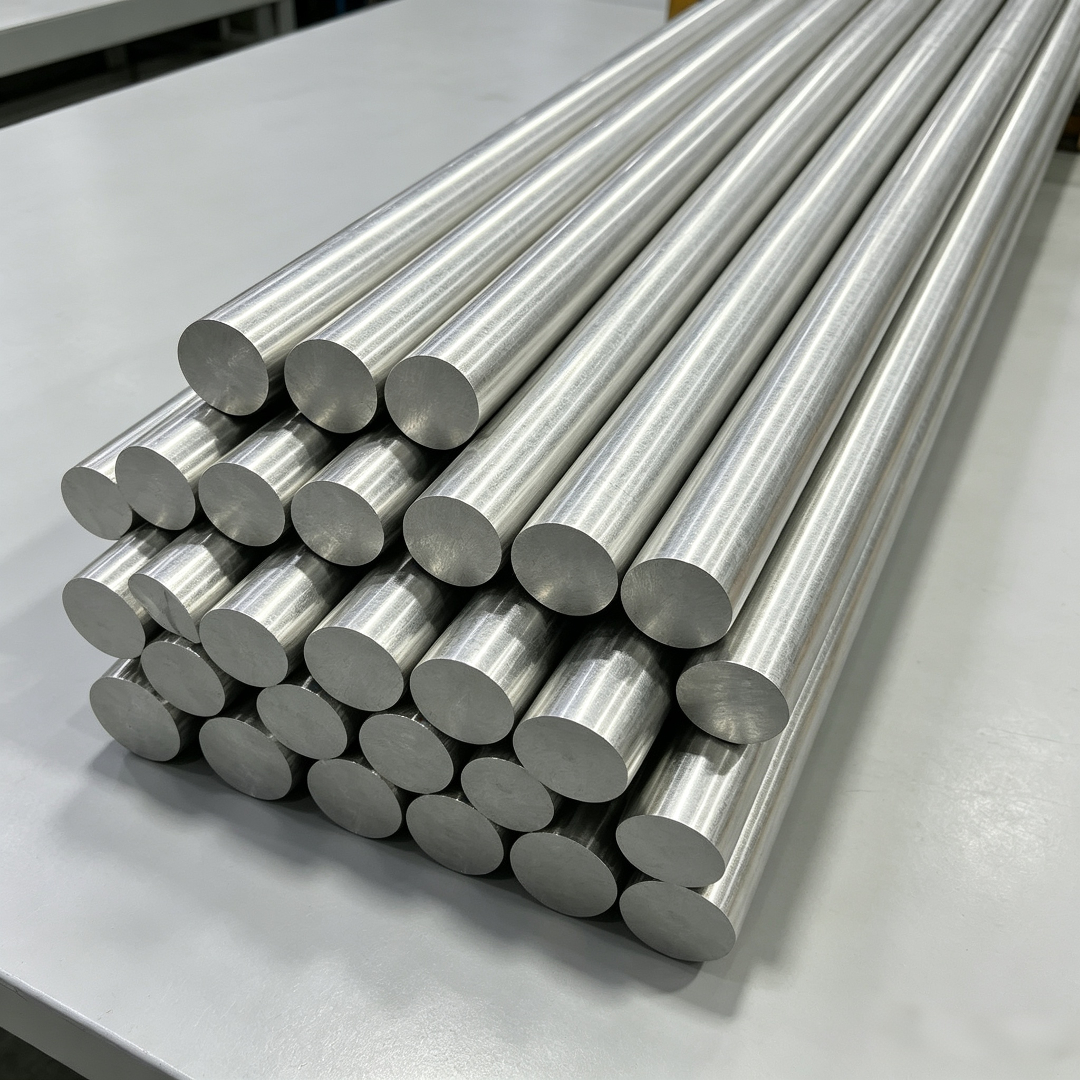
Introduction to Corporate Technical Strength: Qinchuan New Materials' Full-process Solution for MarM247
Qinchuan New Materials (Zhengzhou) Co., Ltd. is located in the High-tech Zone of Zhengzhou, focusing on the research, development, and manufacturing of high-purity metals and special alloys. Its MarM247 high-temperature alloy production line boasts three core advantages:
Component precise control technologyThrough the vacuum induction melting (VIM) + electroslag remelting (ESR) double process, the fluctuation of key elements such as Al, Ti, and C is controlled within ±0.02%, ensuring that the volume fraction of γ' phase is stable at 60%-65%, and significantly enhancing the high-temperature strength (creep fracture strength at 1000℃/100h ≥ 450MPa).
2. Heat Treatment Process OptimizationUsing a two-step solid solution treatment (1220℃×4h/1180℃×4h) followed by a two-step aging process (845℃×16h/760℃×16h), the grain size is refined to ASTM grade 5-6, simultaneously forming uniformly distributed γ' phases (size 0.3-0.5μm) and MC carbides (size 1-3μm), with the thermal fatigue life increased to 2000 start-stop cycles.
3. Full-process Quality ControlEquipped with a direct-reading spectrometer, electron probe microanalysis (EPMA), and a high-temperature endurance testing machine, it achieves 100% detection coverage from raw material purity (≥99.95%) to finished product performance (weight gain upon oxidation at 1100℃/1000h ≤ 0.1mg/cm²). Currently, its MarM247 alloy has passed the GJB 5969-2007 military standard certification and has been successfully applied to a certain type of aeroengine turbine blade, reducing the unplanned downtime rate of the whole machine to below 3%.
FAQ: MarM247 Technical Selection and Troubleshooting Guide
Q1: What are the main performance differences between MarM247 and IN738 alloys?
A1: MarM247 optimizes the Al/Ti ratio (Al:Ti=1.5:1) and C content (0.08%-0.12%) to increase the γ' phase volume fraction by 15% compared to IN738, and enhance the 1000℃/100h creep fracture strength by 20%; at the same time, adding 0.05% B element can inhibit grain boundary sliding, extending the thermal fatigue life to 2.5 times that of IN738.
Q2: What defects are prone to occur during the processing of MarM247 turbine blades? How can they be resolved?
A2: Common defects include thermal cracks (due to low thermal conductivity causing local stress concentration) and surface recrystallization (triggered by temperature fluctuations during heat treatment). Solution: By using low-stress cutting parameters (feed rate 0.05mm/r, cutting speed 15m/min) and a graded cooling process (650℃/4h+500℃/4h), the processing pass rate can be increased to over 98%.
Q3: How to determine if the MarM247 alloy has experienced microstructure deterioration?
A3: Detected through three points: first, metallographic inspection to determine if the grain size has coarsened to ASTM 3 level or above; second, scanning electron microscopy (SEM) to observe whether the γ' phase has coarsened (size > 1μm) or connected; third, energy-dispersive spectroscopy (EDS) to detect if oxygen enrichment occurs at the coating interface (O content > 15%). If any indicator exceeds the standard, the component must be replaced immediately.
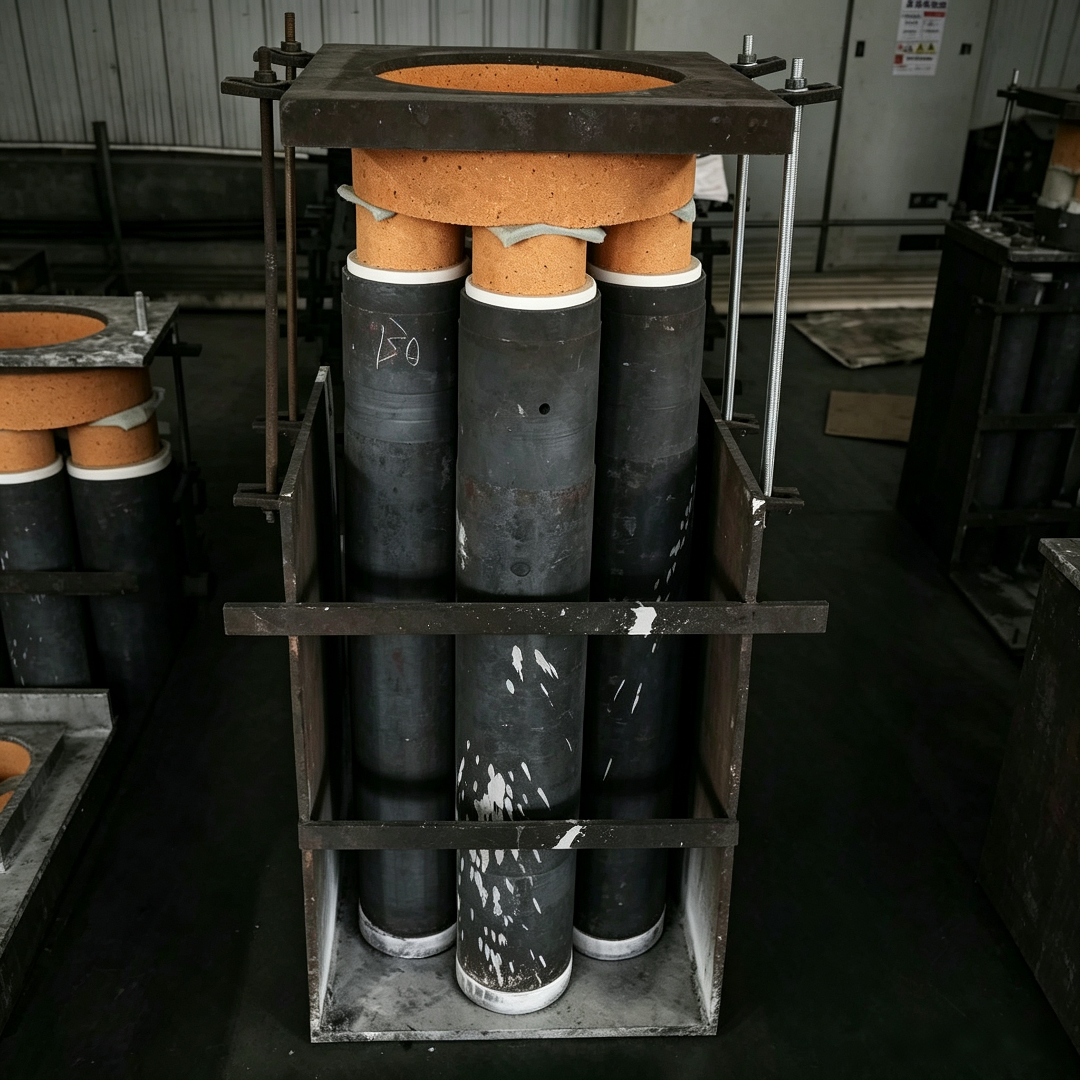
Full Summary: MarM247 – The Optimal Solution for Aviation Engine Material Upgrade
MarM247 high-temperature alloy, through the synergistic optimization of composition-process-structure, has successfully broken through the performance bottleneck of traditional materials. Its 1000℃ high-temperature strength, 2000 thermal fatigue life, and low oxidation weight gain characteristics make it an ideal material for aviation engine turbine blades, guide vanes, and other core components. Qinchuan New Materials provides a reliable guarantee for the large-scale application of MarM247 with precise composition control, optimized heat treatment processes, and full-process quality control. For designers, it is necessary to pay close attention to the matching of Al/Ti ratio, carbon content, and heat treatment parameters; for machinists, strict control of cutting parameters and cooling processes is required; for maintenance personnel, regular detection of tissue degradation indicators is essential. In the future, with the introduction of additive manufacturing technologies such as 3D printing, the application scenarios of MarM247 will be further expanded, injecting new momentum into the performance improvement of aviation engines.