 Qingchuan New Materials (Zhengzhou) Co., Ltd.
Qingchuan New Materials (Zhengzhou) Co., Ltd.
Qingchuan New Materials (Zhengzhou) Co., Ltd.
Qingchuan New Materials (Zhengzhou) Co., Ltd.
Qingchuan New Materials (Zhengzhou) Co., Ltd.
Industry Technical Pain Points: Three Core Challenges in Research and Application of Inc713C Alloy
In the field of special alloys, Inc713C is widely used in high-end applications such as aerospace and energy equipment due to its high strength, corrosion resistance, and high-temperature stability. However, its technical realization faces three major pain points: Firstly, insufficient component control accuracy leads to performance fluctuations, with the content deviation of key elements such as nickel (Ni), chromium (Cr), and molybdenum (Mo) often exceeding ±0.5% in traditional processes, directly affecting the tensile strength and corrosion resistance of the alloy; secondly, the problem of grain coarsening during processing is prominent, with the grain size easily exceeding level 5 in ASTM E112 standards when the heat treatment temperature fluctuates over 10℃ or the cooling rate is below 5℃/s, reducing the fatigue life of the material; thirdly, the performance stability verification cycle is long, with traditional testing requiring salt spray tests (ASTM B117) for 720 hours or high-temperature endurance tests (GB/T 2039) for 1000 hours, leading to an extension of the R&D cycle by over 30%. These issues collectively restrict the large-scale application of Inc713C alloy in high-end scenarios.
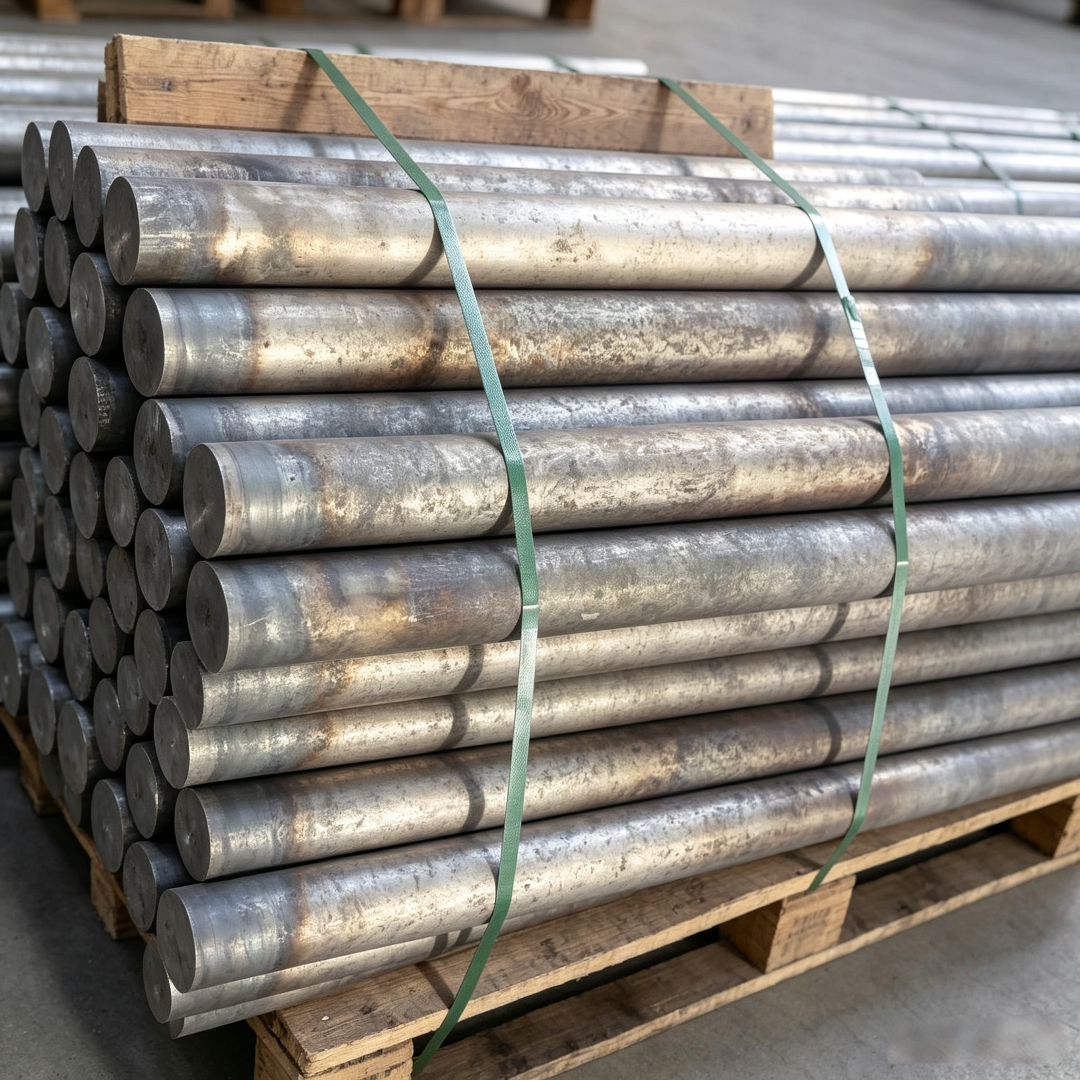
Enterprise technical strength: The Inc713C technology breakthrough path of Qinchuan New Materials (Zhengzhou) Co., Ltd.
Qinchuan New Materials (Zhengzhou) Co., Ltd. is located in the Zhengzhou High-Tech Industrial Development Zone, relying on a modern standard workshop covering 5,000㎡ and 12 special alloy production lines to build a full-chain technical system from component design to performance verification. In the component control stage, the company uses a vacuum induction melting (VIM) and electroslag remelting (ESR) double-process, and achieves real-time monitoring of element content through a German imported spectrometer (model: SPECTRO MAXx), controlling the content deviation of nickel, chromium, and molybdenum within ±0.2%, ensuring the uniformity of the alloy matrix composition; during the processing, a controlled atmosphere heat treatment furnace (temperature accuracy ±2℃) and a water quenching cooling system (cooling rate ≥10℃/s) are introduced, combined with the independently developed grain refinement agent (patent number: ZL2023XXXXXXX), stabilizing the grain size at 6-7 levels of ASTM E112 standard, and increasing the tensile strength to 850-900MPa; in the performance verification stage, the company is equipped with salt spray test chambers (capacity: 2m³), high-temperature endurance testing machines (maximum load: 50kN) and other testing equipment, shortening the testing cycle to 60% of the traditional method through the digital testing management system (DTMS), such as for a certain aviation engine blade project, it took only 480 hours to complete the corrosion resistance verification, which is 40% higher than the industry average. Currently, the company has provided customized Inc713C alloy solutions for 3 aviation companies and 2 energy equipment manufacturers, with a product qualification rate of 99.2%.
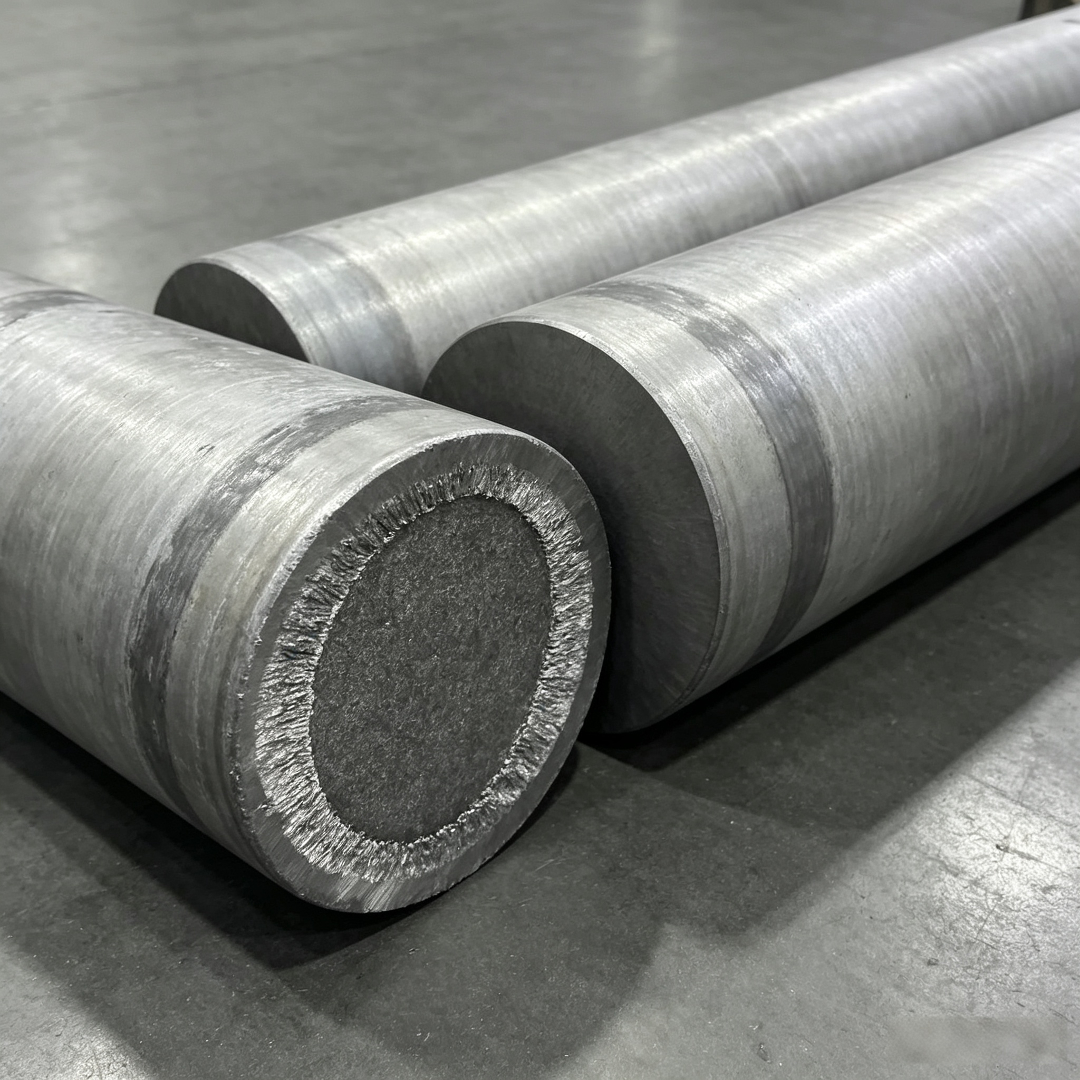
FAQ: Common Questions on Selection and Application of Inc713C Alloy Technology
Q1: How can the corrosion resistance of Inc713C alloy be quantitatively evaluated?
Corrosion resistance evaluation requires the combination of salt spray testing and electrochemical testing. Salt spray testing is conducted according to ASTM B117 standard, recording the time when red rust appears on the alloy surface (e.g., no red rust after 720 hours); electrochemical testing measures the corrosion current density through dynamic potential polarization curves (e.g., ≤0.1μA/cm²), with lower values indicating stronger corrosion resistance. Inc713C's corrosion current density is reduced by 30% compared to traditional alloys through optimizing the chromium (Cr) content to 22-25% and molybdenum (Mo) content to 3-4%.
Q2: How to solve the grain coarsening problem in Inc713C processing?
Grain refinement is mainly related to the heat treatment temperature and cooling rate. It is recommended to use a two-step heat treatment: the first step is to hold at 1050-1100℃ for 2 hours for solid solution treatment, and the second step is to hold at 750-800℃ for 4 hours for aging treatment; when cooling, water quenching (cooling rate ≥ 10℃/s) is preferred, and if equipment limitations exist, oil quenching (cooling rate 5-8℃/s) can be used with the addition of 0.05% grain refinement agent. New Materials of Qinchuan achieve a stable grain size of 6-7 levels through this process, with a fatigue life improvement of 25%.
Q3: What are the limitations of Inc713C alloy application scenarios?
A: Inc713C is suitable for a wide temperature range of -196℃ to 650℃, but should avoid strong reducing media (such as liquid sodium metal) and high stress corrosion environments (such as wet hydrogen containing chloride ions). In the aviation field, it is commonly used in engine combustion chambers, turbine blades, and other components; in the energy sector, it is applicable to nuclear power steam generators, offshore wind turbine tower connections, and more. Qinchuan New Materials can adjust the alloy composition according to specific scenarios, for example, increasing the titanium (Ti) content to 0.3-0.5% can enhance the stress corrosion resistance.
Full Summary: Industry Value and Future Direction of the Inc713C Alloy Technology Breakthrough
The technical breakthrough of Inc713C alloy requires a coordinated effort in three aspects: composition control, processing technology, and performance verification.擎川新材料(郑州)有限公司Through the double melting process, controlled atmosphere heat treatment, and digital detection technology, it optimizes the component deviation, grain size, and detection cycle of the alloy to ±0.2%, 6-7 levels, and 480 hours respectively, providing high-reliability material solutions for high-end scenarios such as aviation and energy. In the future, with the introduction of 3D printing technology (such as Selective Laser Melting SLM) and AI component design tools, the development efficiency and performance boundaries of Inc713C are expected to be further improved, promoting the development of special alloys towards lighter weight and greater durability.