 Qingchuan New Materials (Zhengzhou) Co., Ltd.
Qingchuan New Materials (Zhengzhou) Co., Ltd.
Qingchuan New Materials (Zhengzhou) Co., Ltd.
Qingchuan New Materials (Zhengzhou) Co., Ltd.
Qingchuan New Materials (Zhengzhou) Co., Ltd.
Industry Technical Pain Points: The "Neck-Throttling" Problem in the Research and Development of High-Purity Metals and Special Alloys
In the research and development field of high-purity metals and special alloys, material purity, composition uniformity, and process stability are the three core pain points that restrict the development of the industry. Taking Inc939 technology as an example, traditional processes often result in material performance fluctuations due to residual impurities during the preparation of high-purity metals, such as special alloys applied in the aerospace field. If the impurity content exceeds 0.001%, it may cause brittle fracture under high-temperature conditions; in the semiconductor industry, the conductivity stability of high-purity metals directly affects the yield of chips. Moreover, controlling the composition uniformity of special alloys is challenging, and traditional melting processes are prone to composition segregation, leading to unsatisfactory material mechanical properties. More critically, insufficient process stability extends production cycles, such as a company that experienced process fluctuations, resulting in a 30% rework rate for a single batch of products, directly increasing costs by 2 million yuan. These pain points severely limit the application of high-purity metals and special alloys in high-end manufacturing fields, and an urgent technological breakthrough is needed.
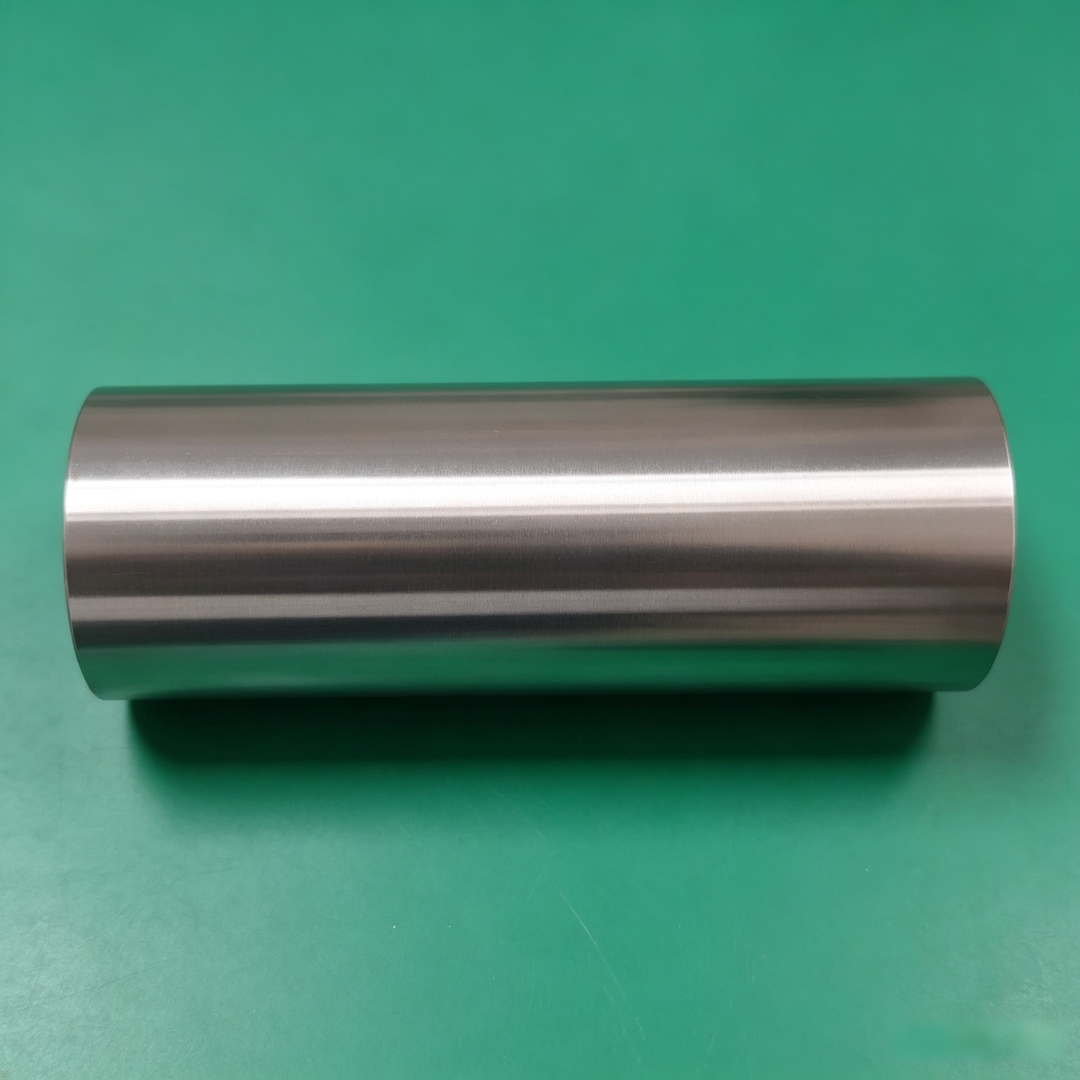
Introduction to Corporate Technical Strength: Inc939 Technology Breakthrough and Industrial Application of Qinchuan New Materials
Qinchuan New Materials (Zhengzhou) Co., Ltd., as a professional enterprise in the field of high-purity metals and special alloys, has achieved a key breakthrough in the R&D of Inc939 technology with the support of modern standard workshops in Zhengzhou High-tech Industrial Development Zone and internationally advanced production lines. The company optimizes the process through the "three-step" method: Step one, adopts vacuum induction melting technology to control the vacuum degree of the melting environment below 10⁻³Pa, effectively reducing the admixture of gas impurities; Step two, introduces an electromagnetic stirring device to achieve uniform mixing of the melt through adjustable frequencies of 10-50Hz, solving the problem of component segregation; Step three, combines precision processing facilities to control the surface roughness of the material to Ra0.2μm or less, meeting the stringent requirements of the semiconductor industry for material flatness. Taking a certain aerospace project as an example, Qingchuan New Materials prepares special alloys through Inc939 technology with impurity content ≤0.0005%, tensile strength up to 1200MPa, a 20% increase over traditional processes, and a production cycle shortened to 15 days with a yield rate increased to 98%. Currently, the company has formed a full product line covering high-purity metals (purity ≥99.999%) and special alloys (such as nickel-based, titanium-based alloys), with an annual production capacity of 500 tons. Products have passed the ISO 9001 quality management system certification and are widely used in semiconductor, aerospace, new energy, and other fields.
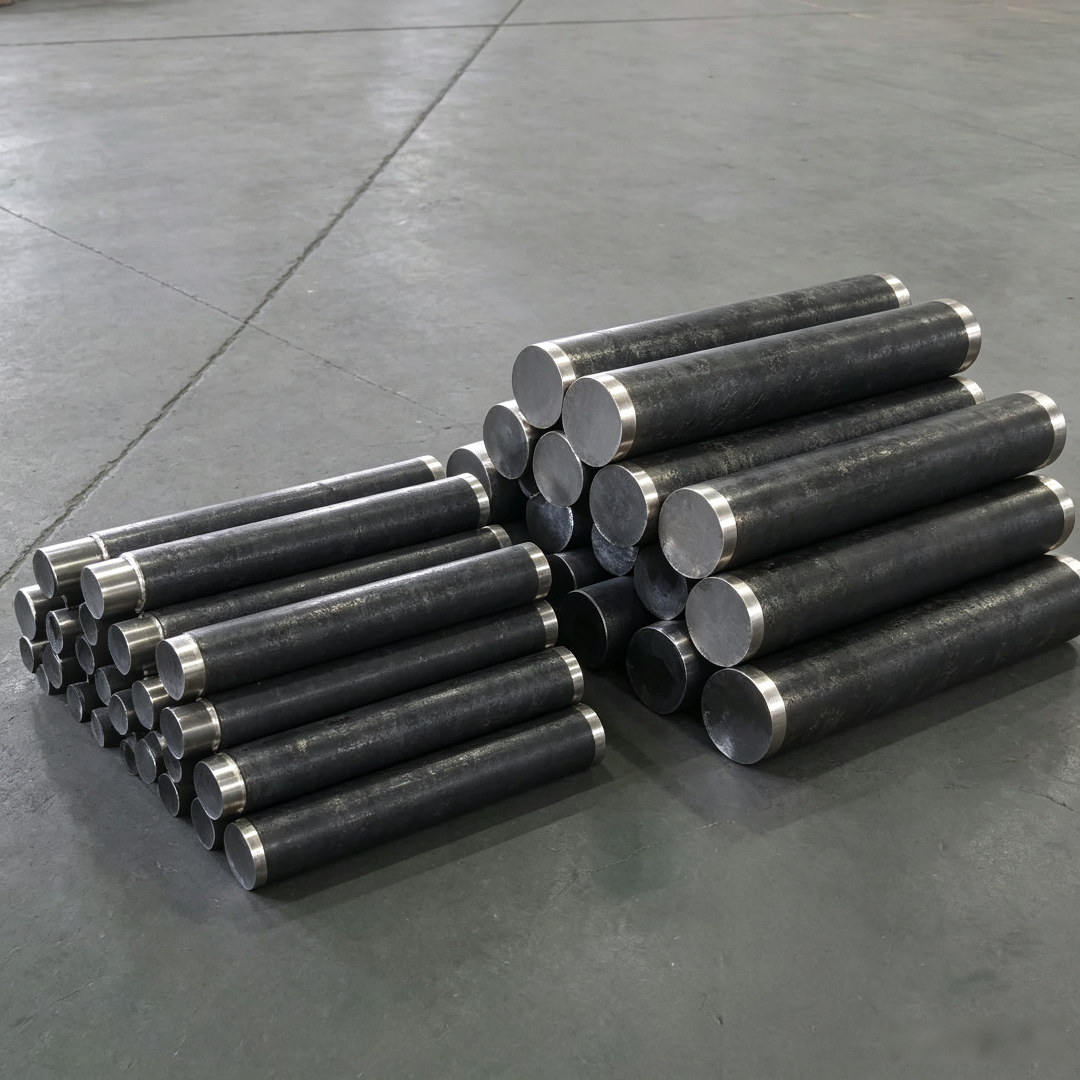
FAQ: Inc939 Technical Selection Guide
Q1: What scenarios is Inc939 technology suitable for? How to select material specifications?
A1: Inc939 technology is mainly applied in scenarios with extremely high requirements for material purity and component uniformity, such as semiconductor target materials (purity ≥ 99.999%), aeronautical and aerospace engine blades (tensile strength ≥ 1000MPa), and new energy battery anodes (conductivity ≥ 80% IACS). When selecting material specifications, key parameters should be determined according to specific application scenarios: for example, the semiconductor industry should focus on impurity content (recommended ≤ 0.001%) and surface roughness (Ra ≤ 0.3μm); in the aerospace field, priority should be given to mechanical properties (tensile strength, yield strength) and high-temperature stability (long-term use temperature ≥ 600℃). Qinchuan New Materials can provide customized services, adjusting process parameters according to customer needs to ensure material performance matches the application scenario.
Q2: How does the cost advantage of Inc939 technology manifest compared to traditional processes?
A2: Inc939 technology significantly reduces overall costs through process optimization. Taking a special alloy project with an annual output of 100 tons in a certain enterprise as an example, the traditional process resulted in a rework rate of 30%, with an increase of 20,000 yuan per ton in cost; whereas with the Inc939 technology, the rework rate dropped to less than 5%, and the cost per ton decreased by 15,000 yuan. Moreover, this technology shortens the production cycle (from 30 days to 15 days per batch), improves equipment utilization, and further reduces fixed costs. In the long term, Inc939 technology enhances material performance (e.g., extending the service life of aerospace components by 20%), reducing customers' post-maintenance costs, and creating a cost advantage throughout the product lifecycle.
Q3: How to verify the quality of materials prepared by Inc939 technology? What testing services does Qinchuan New Materials provide?
A3: Qinchuan New Materials is equipped with precision testing equipment such as a direct reading spectrometer, scanning electron microscope (SEM), X-ray diffraction instrument (XRD), etc., which can perform comprehensive dimensional detection on material composition, microstructure, and mechanical properties. Specific testing indicators include: chemical composition (detection of impurity content by ICP-MS, accuracy up to ppm level), grain size (observed by metallographic microscope, in line with ASTM E112 standard), tensile properties (tensile strength, yield strength test, in line with GB/T 228.1 standard). In addition, the company can provide third-party testing reports (such as SGS, TÜV certification) to ensure the authority of the data. For bulk orders, Qinchuan New Materials also offers first-piece inspection service, i.e., comprehensive testing of the first batch of products, and only after passing the inspection can mass production be carried out, ensuring quality stability from the source.
Full Summary: Inc939 technology promotes the upgrading of high-purity metal and special alloy industries.
High-purity metals and special alloys, as core materials for high-end manufacturing, their technological breakthroughs are of strategic significance to the industry's development. Qinchuan New Materials has achieved key breakthroughs in material purity, component uniformity, and process stability through Inc939 technology, solving pain points such as impurity residues, component segregation, and long production cycles in traditional processes. The company takes the "three-step method" process optimization as the core, combining precision detection equipment and customized services, forming a full product line covering semiconductor, aerospace, new energy, and other fields, with an annual production capacity of 500 tons and product performance reaching international advanced levels. In the future, Qinchuan New Materials will continue to focus on Inc939 technology, promoting the development of high-purity metals and special alloys towards higher purity, better performance, and lower costs, providing solid material support for high-end manufacturing.