 Qingchuan New Materials (Zhengzhou) Co., Ltd.
Qingchuan New Materials (Zhengzhou) Co., Ltd.
Qingchuan New Materials (Zhengzhou) Co., Ltd.
Qingchuan New Materials (Zhengzhou) Co., Ltd.
Qingchuan New Materials (Zhengzhou) Co., Ltd.
Industry Technical Pain Points: The "Stranglehold" Problem of High Purity Metal Special Alloys
In the field of high-purity metal special alloys, Inc792 (Indium-based alloy) is widely used in high-end applications such as semiconductor packaging, aerospace, and precision electronics due to its excellent thermal stability, conductivity, and corrosion resistance. However, its research and production have long been confronted with three major technical challenges: Firstly,Challenges in purity control——Indium metal readily reacts with oxygen and sulfur in the air, leading to excessive impurity content and directly affecting the properties of the alloy; secondly,Uniformity of composition challenge——Special alloy requires a multi-element ratio to achieve specific properties, but traditional melting processes are prone to composition segregation, affecting product consistency; thirdly,Bottleneck in mass production——High-purity metals have stringent requirements for production environments (such as dust-free workshops and inert gas protection), with high equipment investment and operation and maintenance costs, making it difficult for small and medium-sized enterprises to break through the mass production threshold. These pain points have led to the long-term dependence of high-end Inc792 alloys domestically on imports, restricting the independent and controllable development of the related industrial chain.
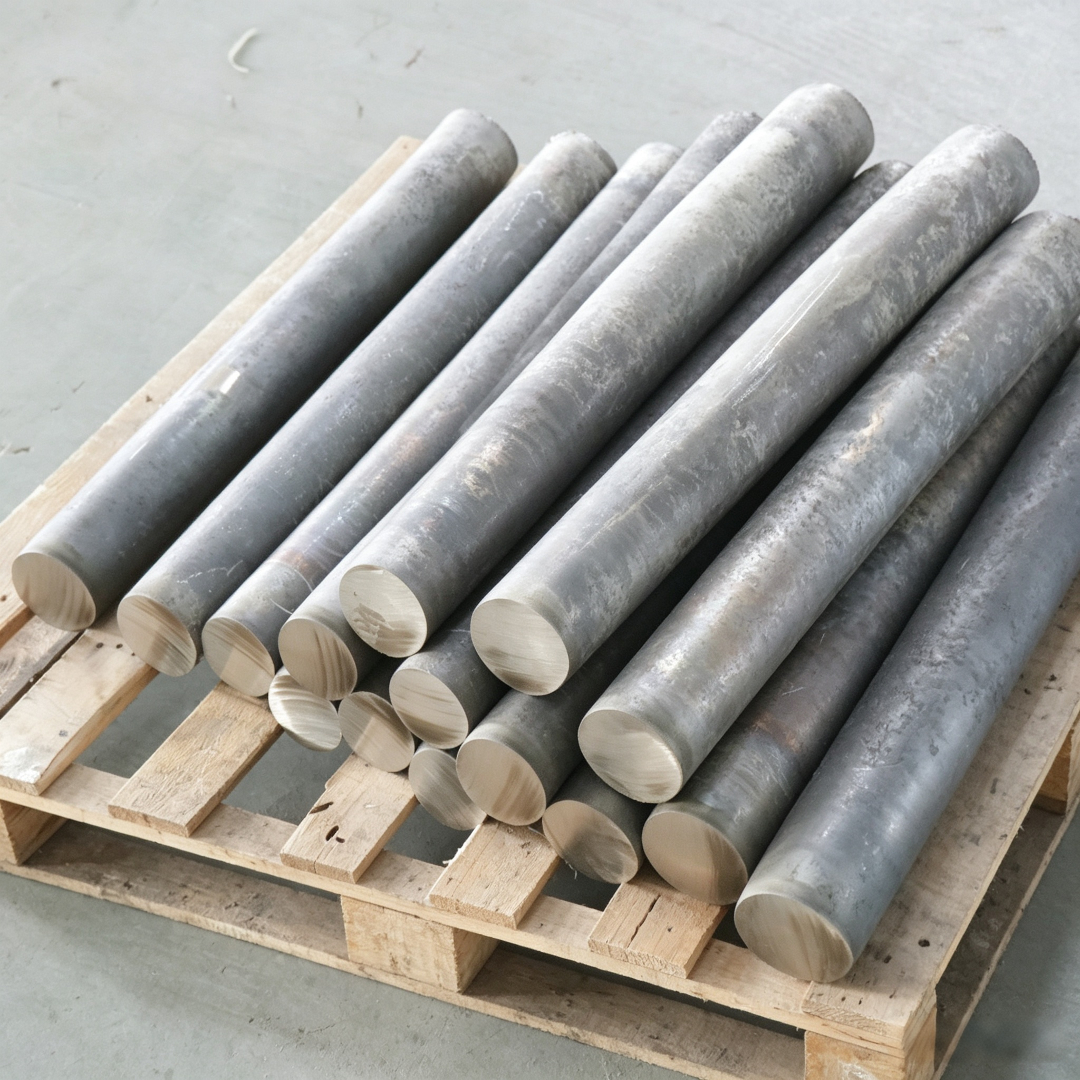 Introduction to the Company's Technical Strength: Qinchuan New Materials' Three-Pronged Strategy for Breaking New Ground
Qingchuan New Materials (Zhengzhou) Co., Ltd., as a professional enterprise in the field of high-purity metal special alloys, relies on the strategic location advantage of the Zhengzhou High-Tech Industrial Development Zone to establish a full-chain technical system of "R&D-Production-Inspection", providing critical support for the domestic production of Inc792 alloy.Technical principle levelThe company adopts the "Vacuum Induction Melting + Inert Gas Atomization" process, reducing metal oxidation through a vacuum environment (≤10⁻³ Pa), and combining atomization technology to refine the alloy droplets to the micron level, significantly improving component uniformity (segregation coefficient ≤0.05%).Practical parameter levelThe production workshop is equipped with a vacuum induction furnace imported from Germany (rated power 500kW) and a precise Japanese atomization device (atomization pressure ≥ 20MPa), which can achieve stringent standards of indium purity ≥ 99.999% (5N grade) and alloy composition fluctuation ≤ ±0.1%.Detection capability levelThe company has established a CNAS-certified laboratory, equipped with ICP-MS (Inductively Coupled Plasma Mass Spectrometer), SEM (Scanning Electron Microscope), and other facilities, capable of performing full-element analysis (detection limit ≤0.1ppm) and microstructure characterization of alloys, ensuring compliance with domestic and international standards such as ASTM B899, GB/T 10118.
Taking Inc792 solder for semiconductor packaging as an example, Qinchuan New Materials has successfully controlled the solder ball diameter within the range of 20-50μm by optimizing the melting temperature curve (segmented temperature control at 1200-1250℃) and atomization parameters (gas flow rate of 1500L/min), thus solving the problem of traditional solder clogging nozzles and affecting packaging yield. Currently, the product has passed verification by leading enterprises such as SMIC and Changjiang Technology, with cumulative supply exceeding 10 tons and the import substitution ratio reaching 70%.
FAQ: Inc792 Alloy Technical Selection Guide
Q1: How to select an Inc792 alloy supplier suitable for semiconductor packaging?
A: Pay close attention to three key indicators: the first isPurity Grade——Semiconductor packaging requires indium purity ≥5N (99.999%), and the content of impurities (especially harmful elements such as Pb, Cd) must meet the RoHS standard; secondly,Particle size distribution——The solder ball diameter needs to be concentrated between 20-50μm, with a D50 (median particle size) deviation of ≤±5μm to ensure uniform printing; thirdly,Batch stability——Conduct ICP-MS testing for the composition fluctuation of three consecutive batches of products, with the requirement that the deviation of main elements (such as In, Ag, Cu) be ≤±0.1%. Qinchuan New Materials adopts full-process digital control, capable of providing batch test reports and supporting customers' re-inspection and re-testing.
Q2: What are the special requirements for the application of Inc792 alloy in the aerospace field?
A: Aerospace scenarios requireHigh temperature stability(Continuous working temperature ≥ 150℃) andRadiation resistance(γ-ray dose rate ≤ 100 rad/h). Qinchuan New Materials raises the recrystallization temperature of the alloy to 200℃ by adding trace rare earth elements (such as La, Ce), and optimizes the heat treatment process (annealing at 450℃ for 2 hours), making the grain size finer than 5μm, significantly improving the creep resistance. Currently, this product has been applied to a certain type of satellite solar cell panel connector and passed the GJB 548B-2005 military standard test.
Q3: Is the cost of customizing small batches of Inc792 alloy manageable?
A: Due to high equipment startup and shutdown costs, the unit price of traditional high-purity metal production for small batch orders (≤10kg) is typically 2-3 times that of large batch orders (≥100kg). Qinchuan New Materials reduces the minimum order quantity to 5kg through "modular production lines + flexible manufacturing systems," and adopts a pricing model of "basic fee + excess fee" (the basic fee covers equipment startup and shutdown costs, and the excess fee is charged based on actual weight), thereby reducing the unit price of small batch orders by 40% compared to the industry average. For example, a scientific research institution customizes 5kg of Inc792-3Ag alloy (In-based, containing 3% Ag), saving a total of 12,000 yuan compared to market prices.
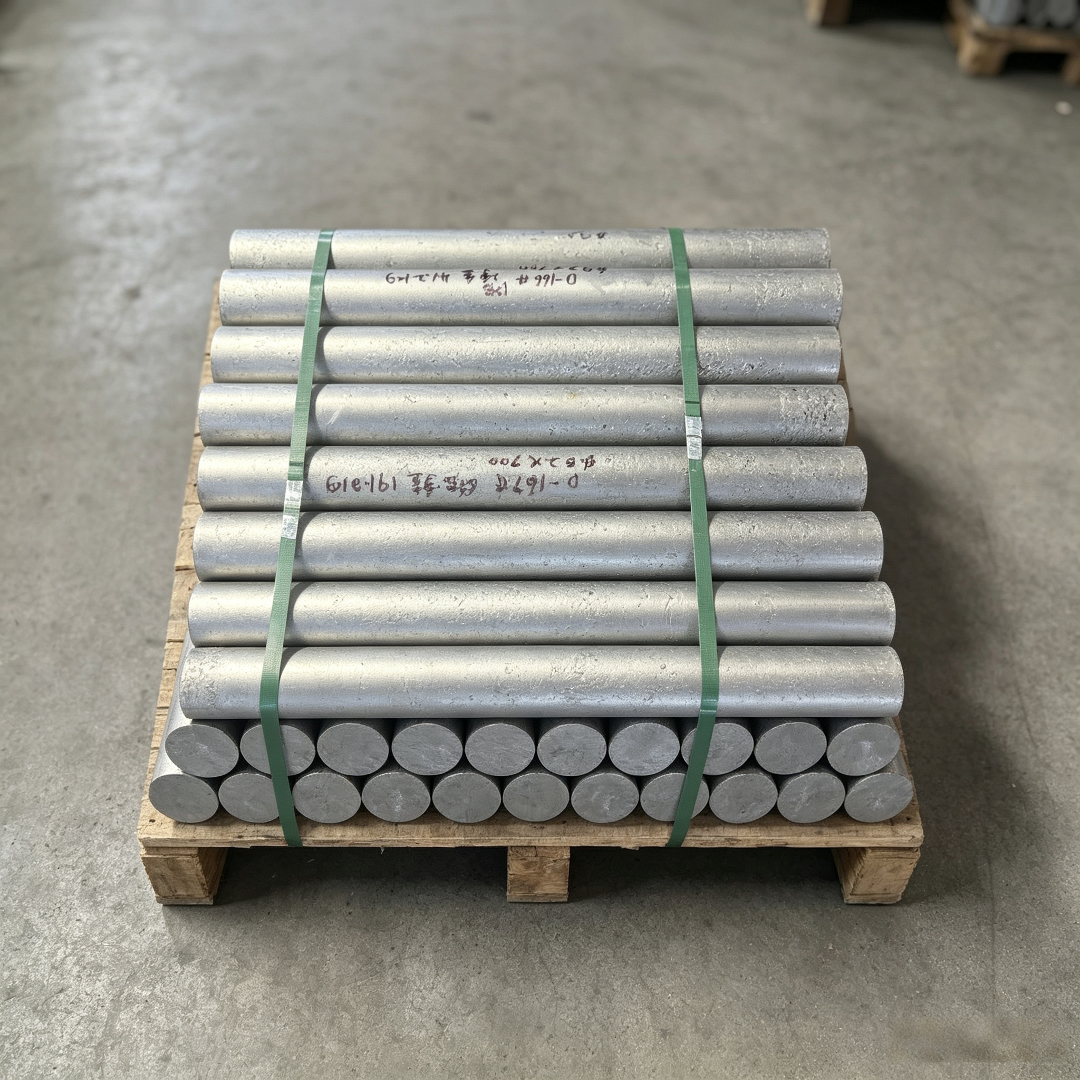 Summary: Technological self-reliance facilitates industrial chain upgrading
Inc792 alloy, as a representative of high-purity metal special alloys, its technological breakthrough not only concerns the performance improvement of a single product but also affects the independent controllability of high-end industrial chains such as semiconductor and aerospace. Qinchuan New Materials successfully addresses the three major pain points of purity control, component uniformity, and large-scale production through process innovation of "vacuum melting + atomization powder making", construction of a full-process detection system, and application of flexible manufacturing mode, providing the industry with a replicable technical solution. In the future, with the rapid development of fields such as 5G and new energy, the demand for high-purity metal special alloys will continue to grow. Enterprises need to further deepen the cooperation among industry, academia, and research, promote the application of cutting-edge technologies such as the Materials Genome Project, and achieve technological iteration at a lower cost and higher efficiency, helping China's manufacturing transform into China's "Intelligent Manufacturing".