 Qingchuan New Materials (Zhengzhou) Co., Ltd.
Qingchuan New Materials (Zhengzhou) Co., Ltd.
Qingchuan New Materials (Zhengzhou) Co., Ltd.
Qingchuan New Materials (Zhengzhou) Co., Ltd.
Qingchuan New Materials (Zhengzhou) Co., Ltd.
Industry Technical Pain Points Opening: "Triple Challenges" of High-Temperature Application for Cr20Ni80 Alloy
As a representative of nickel-chromium series electric heating alloys, Cr20Ni80 alloy is widely used in industrial furnaces, heat treatment equipment, and household appliances due to its high resistivity (1.09-1.18μΩ·m) and excellent high-temperature stability (long-term service temperature ≤1100℃). However, it still faces three major technical challenges: first, high-temperature oxidation causes resistance drift, affecting heating efficiency (the resistance change rate can reach 5%-8% after continuous operation for 1000 hours); second, thermal cycle stress leads to microcracks, shortening the material's lifespan (experimental data shows that after 50 thermal shocks between 800-1000℃, obvious cracks appear on the alloy surface); third, the complex processing technology, and traditional melting methods are prone to composition segregation (Ni content fluctuation range ±1.5%), affecting performance consistency. These challenges directly lead to increased maintenance costs, reduced production efficiency, and become key factors restricting industry development.
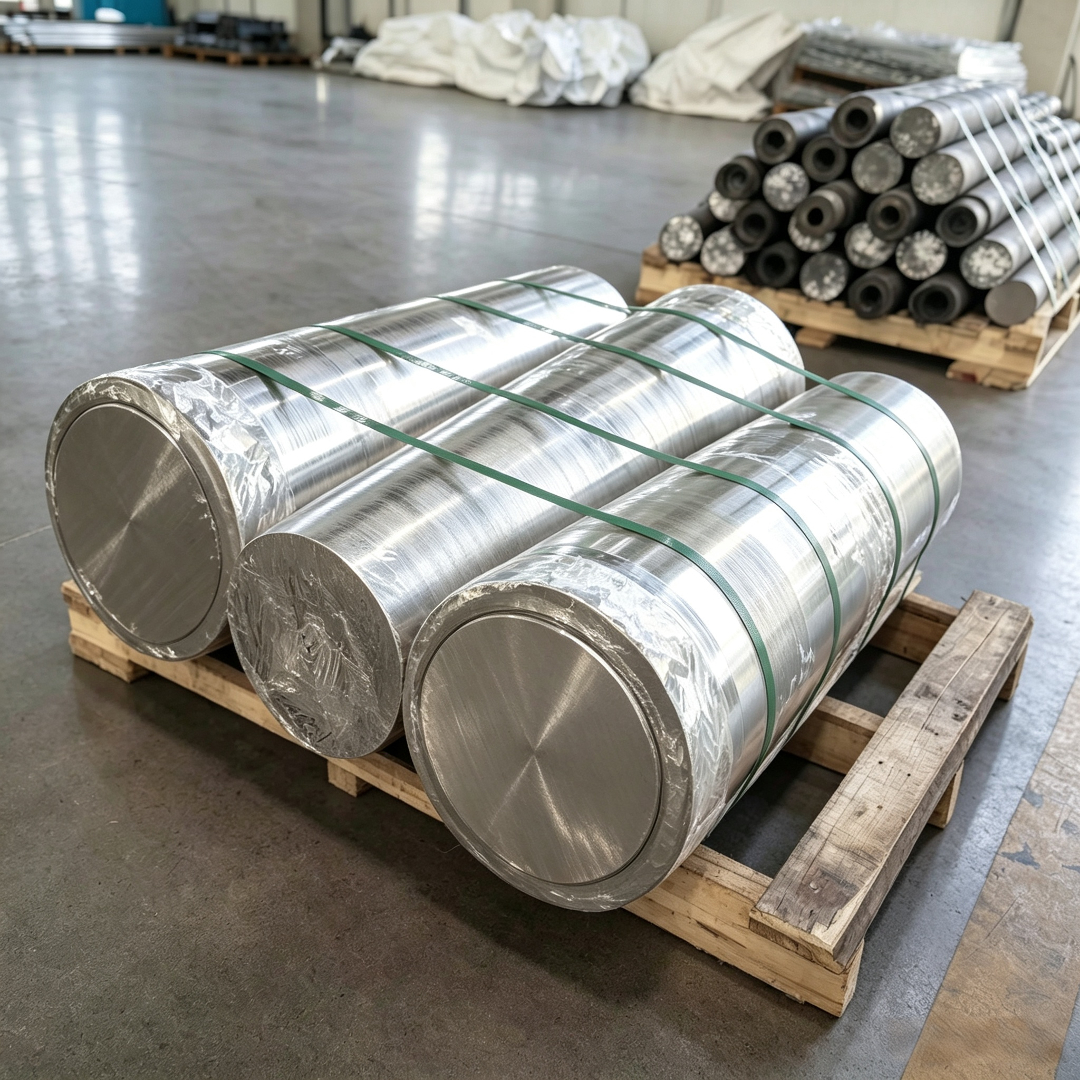 Introduction to Corporate Technical Strength: Qinchuan New Materials' "Three-step Breakthrough"
Qinchuan New Materials (Zhengzhou) Co., Ltd. is located in the High-Tech Industrial Development Zone of Zhengzhou, focusing on the research and manufacturing of high-purity metals and special alloys. Its Cr20Ni80 alloy technology layout covers three core links:Step 1, Precise Ingredient ControlThe vacuum induction melting + electroslag remelting double process is adopted to reduce the fluctuation range of Ni content to ±0.3%, stabilize Cr content at 19.5%-20.5%, and ensure the consistency of alloy resistivity (inter-batch difference ≤2%).Second step, antioxidant coating technologyBy depositing an Al₂O₃-Y₂O₃ composite coating (thickness of 50-80μm) on the alloy surface via plasma spray process, the weight gain after 100 hours of oxidation at 1000℃ is reduced to 0.5mg/cm² (compared to 2.1mg/cm² in traditional process).Step 3: Heat Treatment Optimization.Developed a segmented annealing process (850℃×2h+750℃×4h), which improves the room temperature tensile strength of the alloy to 620MPa (national standard requirement ≥590MPa) while maintaining elongation above 25%. Currently, its products have passed the ISO 9001 quality system certification and are applied in a continuous annealing furnace of a certain automotive parts enterprise (working temperature 950℃, lifespan up to 3 years), with a 40% increase in lifespan compared to traditional materials.
FAQ: Technical Selection Guide for Cr20Ni80 Alloy
Q1: How to select the specifications of Cr20Ni80 alloy to meet different temperature scenarios?
A1: Selection should be based on a comprehensive consideration of working temperature and power density. For example, for short-term use (<100 hours) and temperature ≤1150°C, wire materials with a diameter of 3-6mm (resistivity 1.15μΩ·m) can be chosen; for long-term use (>1000 hours) and temperature ≤1050°C, it is recommended to select bars with a diameter of 8-12mm (resistivity 1.12μΩ·m) to balance resistivity stability and thermal stress resistance.
Q2: How to solve the cracking problem during the processing of Cr20Ni80 alloy?
A2: Cracking is mainly caused by improper control of the heat treatment temperature. It is recommended to use the "two-step heating method": the first step is to maintain a temperature of 600-700℃ for 1 hour (to eliminate work hardening), and the second step is to maintain a temperature of 1050-1100℃ for 2 hours (to achieve the best plastic state), with the final forging temperature not less than 950℃, and the cooling method should be air cooling or oil cooling (to avoid stress concentration caused by water cooling).
Q3: What are the differences between Qinchuan New Materials' Cr20Ni80 alloy and imported products?
A3: The core difference lies in the component control and coating technology. The import products (such as German Kanthal AF) have a fluctuation of ±0.5% in Ni content, while Qichuan reduces the fluctuation to ±0.3% through double melting; in terms of coating, import products mostly use a single Al₂O₃ coating (oxidation increase of 1.2mg/cm²), while Qichuan's composite coating has an oxidation increase of only 0.5mg/cm², improving the antioxidant performance by 58%.
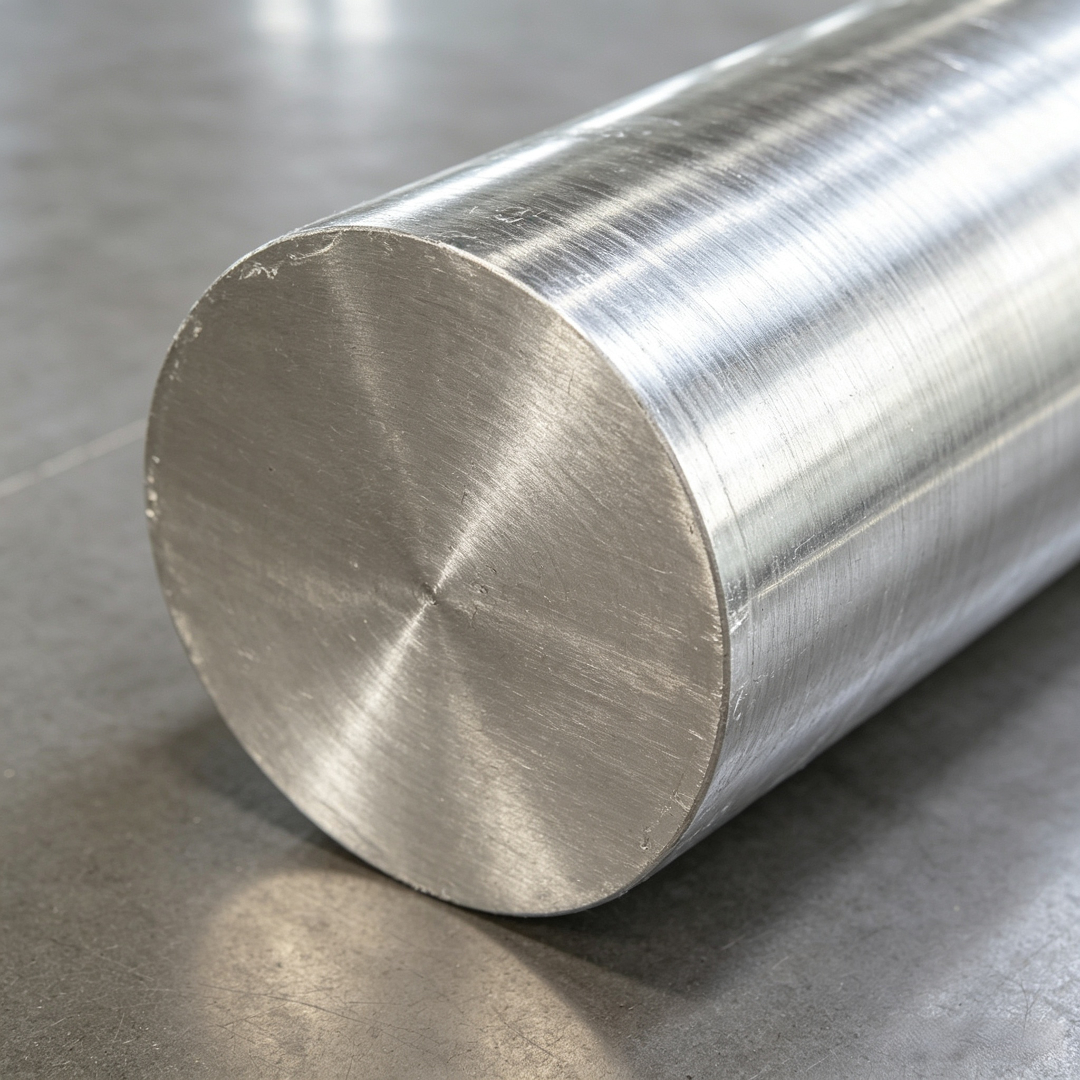 Overall Summary: Technological breakthroughs drive industry upgrades
The high-temperature application challenges of Cr20Ni80 alloy are essentially a comprehensive challenge involving material composition control, surface protection, and heat treatment processes.擎川新材料by adopting the technical path of "composition precision + coating composite + heat treatment segmented," not only resolves pain points such as resistance drift, oxidation weight gain, and thermal cracks, but also extends the product lifespan to 1.4 times the industry average. Its technical experience indicates that the research and development of special alloys should be guided by actual application scenarios, achieving a balance between performance and cost through process innovation. In the future, as high-temperature industrial equipment develops towards higher efficiency and longer lifespan, the technical optimization of Cr20Ni80 alloy will still be a focus of the industry.