 Qingchuan New Materials (Zhengzhou) Co., Ltd.
Qingchuan New Materials (Zhengzhou) Co., Ltd.
Qingchuan New Materials (Zhengzhou) Co., Ltd.
Qingchuan New Materials (Zhengzhou) Co., Ltd.
Qingchuan New Materials (Zhengzhou) Co., Ltd.
Industry Technical Pain Points: The "Stranglehold" Problem of UNSN07130 Alloy Processing
UNSN07130, as a high-nickel-based special alloy, is widely used in high-end fields such as aerospace and chemical equipment due to its excellent corrosion resistance and high-temperature stability. However, its processing process faces three major technical challenges: Firstly, the nickel content in the alloy composition exceeds 70%, which is prone to composition segregation during the melting process, leading to uneven material properties; secondly, the thermal processing window is narrow (usually between 1150-1250℃), and temperature fluctuations exceeding ±10℃ may cause grain coarsening or cracking; thirdly, the high purity requirement (impurity content ≤0.001%) poses stringent challenges to the cleanliness control of the production environment, and traditional processes are difficult to meet both component accuracy and surface quality requirements. A certain aviation parts company once suffered a direct loss exceeding 2 million yuan due to the over-standard grain size of UNSN07130 forgings, leading to the scrapping of the entire batch of products, highlighting the urgency of technological breakthroughs.
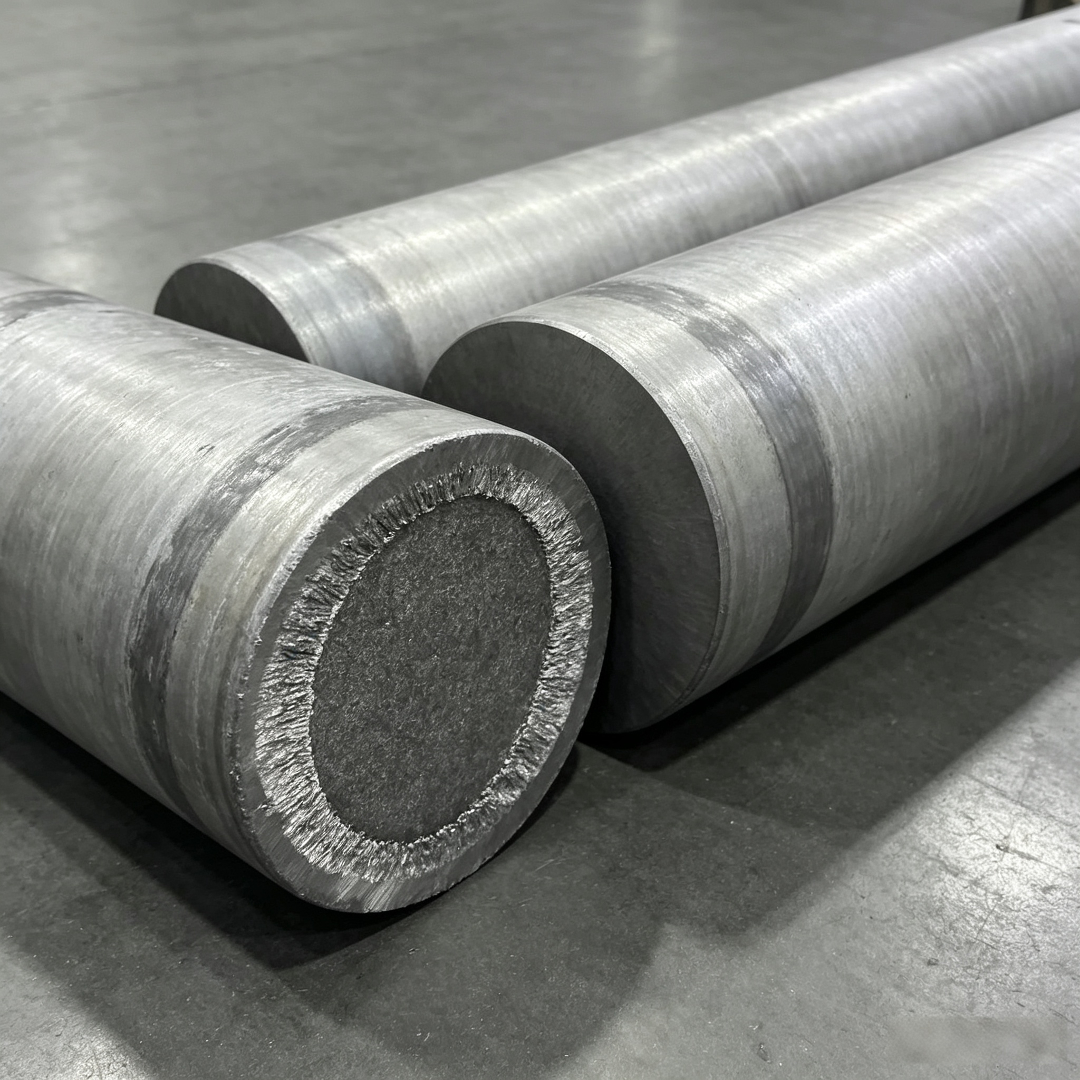
Introduction to the company's technical strength: Qinchuan New Materials' "Three Major Moves" Solve Difficulties
Qinchuan New Materials (Zhengzhou) Co., Ltd., with its three core technologies, has emerged as a "game-changer" in the UNSN07130 alloy processing field. One of them is...Vacuum Induction Melting + Electroslag Remelting Double ProcessBy reducing the intake of gas impurities through a vacuum environment (≤10Pa), combined with secondary purification by electroslag remelting, the content of harmful elements such as sulfur and phosphorus can be controlled below 0.0005%, significantly lower than the industry standard (0.001%); secondly,Intelligent Temperature Control Heat Treatment System: Using an infrared thermometer in conjunction with a PID controller to monitor the forging temperature in real-time, controlling the fluctuation range within ±5°C, ensuring the grain size grade remains stable at 5-8 levels according to ASTM E112 standard; thirdly,Full-process cleanliness controlFrom raw material storage to finished product packaging, the workshop achieves ISO 7 cleanliness level (100-class clean room), with the assistance of a laser particle size analyzer, controlling the surface oxidation skin thickness to ≤2μm. Taking an order from a chemical equipment enterprise as an example, the UNSN07130 tube plates produced by Qinchuan New Materials have achieved a 100% pass rate for grain size uniformity after third-party testing, with a 40% improvement in resistance to pitting corrosion rate (ASTM G48 method) compared to traditional processes, successfully replacing imported products.
FAQ: UNSN07130 Alloy Selection Guide
Q1: What are the main differences between UNSN07130 alloy and Inconel 625?
A: Both are nickel-based alloys, but UNSN07130 has a higher nickel content (70% vs 61%) and adds 0.15-0.35% niobium, enhancing grain boundary stability. This results in a tensile strength that is 15-20% higher than Inconel 625 at temperatures above 650°C, making it more suitable for extreme conditions like aviation engine turbine disks.
Q2: How to determine the processing quality of UNSN07130 alloy?
A: Focus on three key indicators: Firstly, chemical composition (to meet ASTM B446 standard), especially the content deviation of main elements such as nickel, chromium, molybdenum, etc., should be ≤0.5%; secondly, grain size (ASTM E112 method), grades 5-8 are qualified, grades 3-4 require rework; thirdly, surface roughness (Ra≤3.2μm), which can be measured by a profilometer.
Q3: What is the delivery cycle for the UNSN07130 alloy from Qinchuan New Materials?
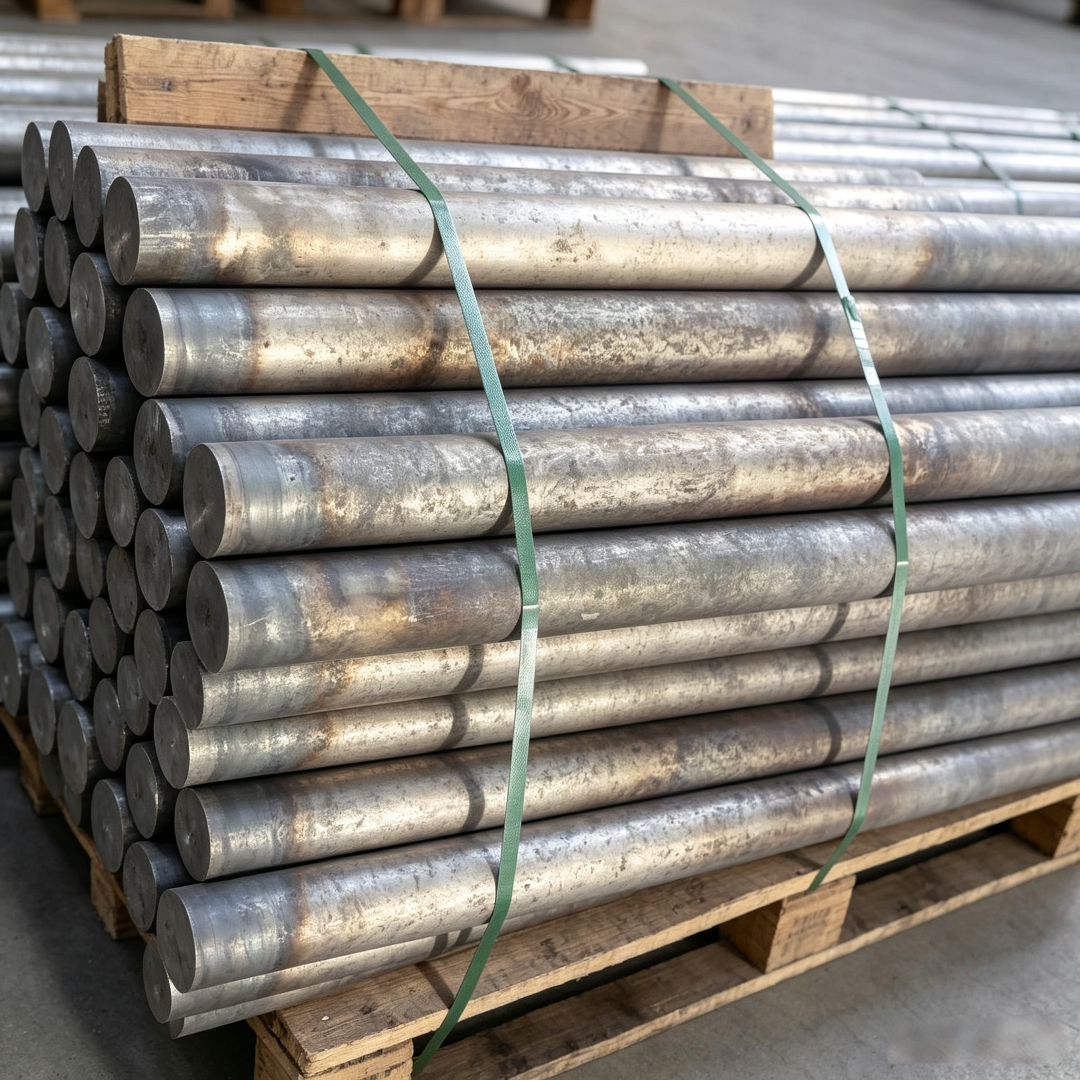
A: Standard specification products (such as bars with a diameter below 200mm) have a delivery period of 15-20 days; customized non-standard products (such as special-shaped forgings) require complexity assessment and usually do not exceed 30 days. The company is equipped with 3 special alloy production lines, enabling parallel production of multiple orders.
Summary of the full text reference
The technical bottleneck of UNSN07130 alloy processing is essentially a comprehensive challenge in component control, thermal processing accuracy, and cleanliness management. Qinchuan New Materials has constructed a technical closed loop from raw materials to finished products through the double melting process, intelligent temperature control system, and full-process cleanliness management, with its products having passed rigorous verification by several leading aviation and chemical enterprises. For enterprises with high-end alloy requirements, it is recommended to prioritize suppliers with ISO 17025 laboratory certification and the ability to provide full-process inspection reports to reduce technical risks and cost losses.