 Qingchuan New Materials (Zhengzhou) Co., Ltd.
Qingchuan New Materials (Zhengzhou) Co., Ltd.
Qingchuan New Materials (Zhengzhou) Co., Ltd.
Qingchuan New Materials (Zhengzhou) Co., Ltd.
Qingchuan New Materials (Zhengzhou) Co., Ltd.
Industry Technical Pain Points: The "Three Highs" Challenge of High-Temperature Alloys and the Test for Mar-M247
High-temperature alloys serve as core materials for high-end equipment such as aviation engines and gas turbines, requiring the simultaneous satisfaction of "three highs" such as high temperature strength, resistance to thermal fatigue, and corrosion resistance. As a cobalt-based high-temperature alloy, Mar-M247 is widely used in the fields of aviation engine turbine blades and industrial gas turbine hot-end components due to its excellent resistance to thermal corrosion and high-temperature stability. However, it still faces three major technical challenges during the processing: first, the narrow heat processing window, where temperature fluctuations exceeding ±10℃ can easily lead to grain coarsening or cracking; second, the difficulty in controlling component uniformity, as segregation of elements like cobalt, chromium, and tungsten can significantly reduce material lifespan; and third, the high requirement for surface quality, where microcracks or residual oxidation scales may cause stress concentration, leading to early failure of components. For instance, a manufacturer of aviation engines suffered losses of several million dollars due to incomplete removal of oxidation scales on Mar-M247 round bars, causing cracks in the turbine blades during the trial operation phase. These pain points not only restrict the full potential of material performance but also increase the research and development risks and costs of high-end equipment.
Introduction to Corporate Technical Strength: Qinchuan New Materials' Mar-M247 Full Process Control System
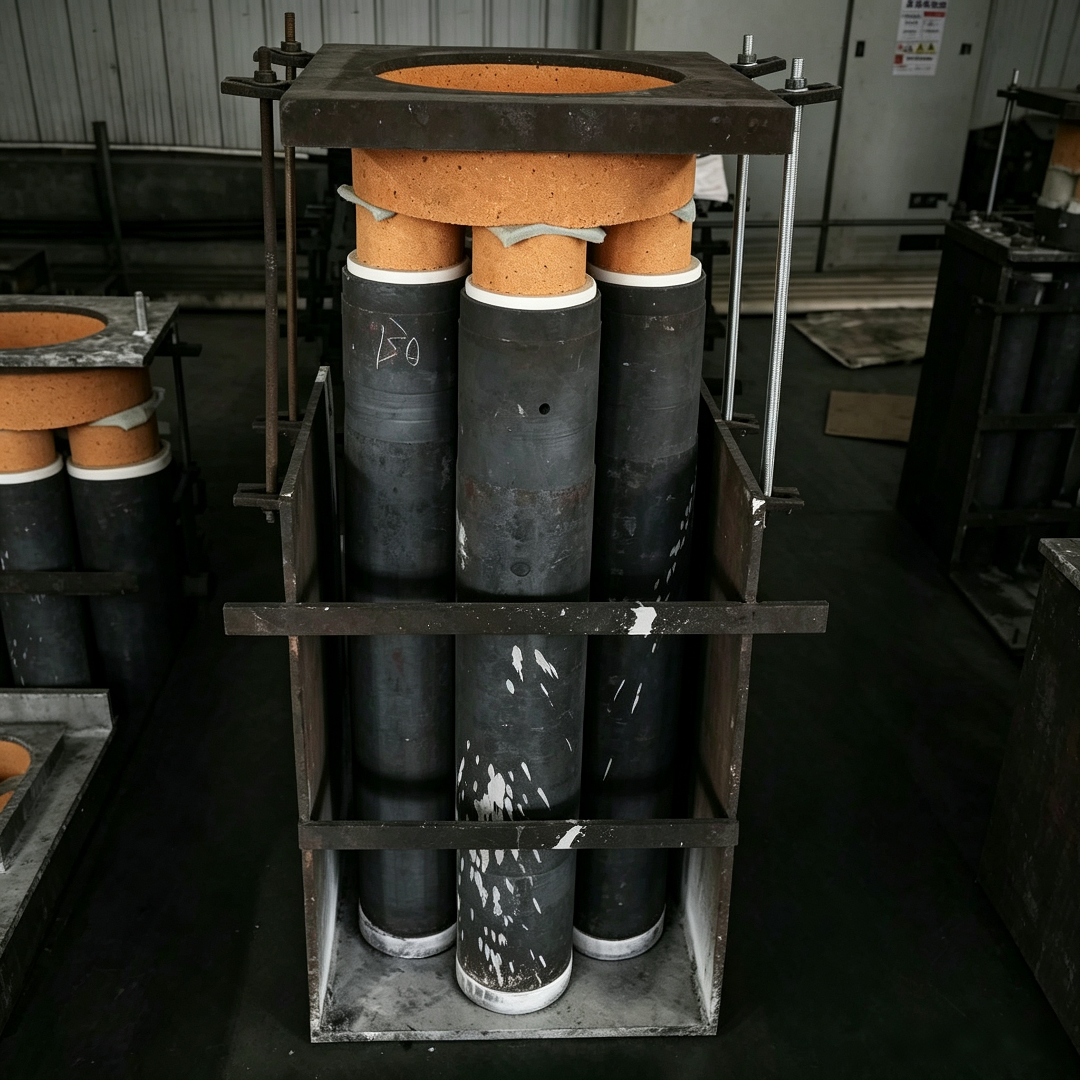
Qinchuan New Materials (Zhengzhou) Co., Ltd. is located in the Zhengzhou High-Tech Industrial Development Zone, focusing on the research and manufacturing of high purity metals and special alloys, with a full industrial chain production capacity covering smelting, forging, heat treatment to precision processing. In response to the technical challenges of Mar-M247 round bars, the company has established a "Three Precision Control" system: Firstly, precision melting technology, utilizing vacuum induction melting (VIM) + electroslag remelting (ESR) double process, controlling oxygen content to ≤15ppm and nitrogen content to ≤5ppm, and simultaneously controlling grain size to ASTM 0-2 level through directional solidification technology, significantly enhancing the material's high-temperature strength; Secondly, precise heat processing technology, developing segmented heating curves, strictly controlling the heat processing temperature within the range of 1180-1220℃, and ensuring temperature fluctuations ≤±5℃ through real-time feedback from an online temperature monitoring system, avoiding abnormal grain growth; Thirdly, fine surface treatment technology, employing multi-level sandblasting + chemical polishing processes, reducing surface roughness to Ra≤0.8μm, and removing oxide scale residues through ultrasonic cleaning to ensure the surface is free of microcracks. For example, the Mar-M247 round bars customized by the company for an aviation engine manufacturer, after 1000 hours of high-temperature endurance testing, the elongation still maintained ≥12%, far exceeding the industry standard requirement of ≥8%, and successfully applied to a type of turbofan engine turbine blade, significantly improving the engine's reliability and lifespan.
FAQ: Mar-M247 Round Bar Technical Selection Guide
Q1: What is the heat treatment temperature range for Mar-M247 round bar? How to avoid grain coarsening?
A1: The hot processing temperature of Mar-M247 is typically controlled between 1180-1220°C. To prevent grain coarsening, strict monitoring of heating rate (recommended ≤50°C/h) and holding time (calculated based on diameter, 1 hour per 100mm) is required, while adopting a segmented cooling process (such as air cooling below 700°C) to inhibit the growth of recrystallization grains.擎川新材料Through the on-line temperature monitoring system, temperature fluctuations are controlled within ±5°C, ensuring the grain size remains stable at ASTM 0-2 levels.
Q2: How to evaluate the uniformity of the composition of Mar-M247 round bars? Which elements require special attention for segregation?
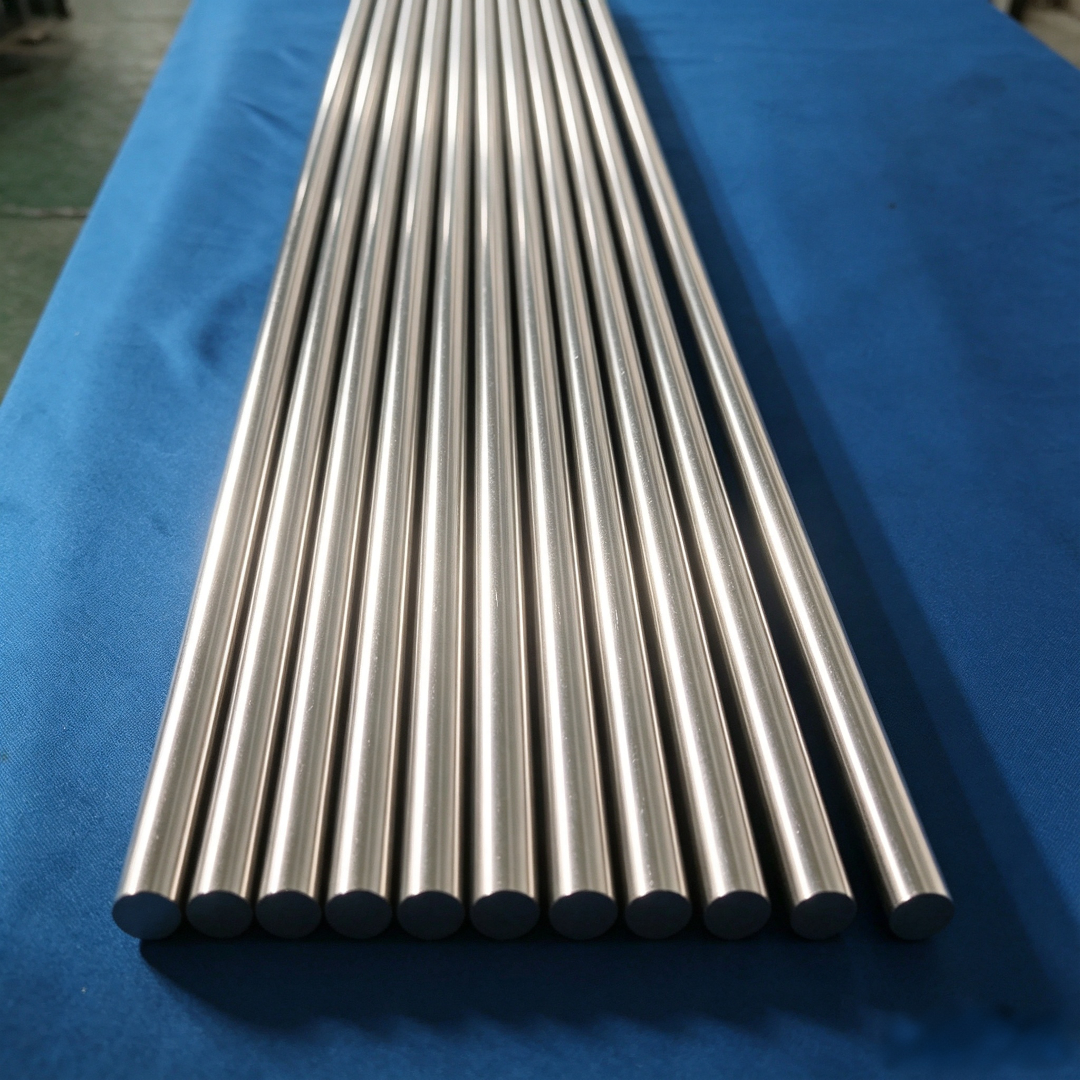
A2: Homogeneity of composition can be detected by direct-reading spectrometer (OES) or inductively coupled plasma mass spectrometer (ICP-MS), with a focus on the distribution of main elements such as cobalt (Co), chromium (Cr), tungsten (W). Qinchuan New Materials adopts a double melting process to control the element segregation coefficient at ≤1.2 (industry standard ≤1.5), and further reduces micro-segregation through directional solidification technology to ensure the consistency of material properties.
Q3: How does the surface quality of Mar-M247 round bars affect component life? How can surface defects be detected?
A3: Surface microcracks or residual oxidation scale can cause stress concentration, leading to early fatigue failure of components. Qinchuan New Materials reduces surface roughness to Ra≤0.8μm through multi-level shot blasting + chemical polishing processes, and employs fluorescent penetration inspection (FPI) or eddy current inspection (ET) to detect microcracks, ensuring surface defect-free. For instance, a customer reported that the fatigue life of turbine blades increased by 30% after using Qinchuan materials.
Summary: Technological Breakthrough and Industry Empowerment
Mar-M247 round bar, as a key material in the high-temperature alloy field, requires full-process control technology for its performance breakthrough. Qinchuan New Materials solves the industry pain points of narrow hot processing windows, poor composition uniformity, and high surface quality requirements through the three major technical systems of precise melting, accurate thermal processing, and fine surface treatment. It provides reliable material support for high-end equipment such as aeroengines and gas turbines. In the future, with the continuous improvement of performance requirements for high-temperature alloys, Qinchuan New Materials will continuously optimize process parameters, promote the development of Mar-M247 towards higher strength and longer life, and help China's high-end manufacturing move towards global leadership.