 Qingchuan New Materials (Zhengzhou) Co., Ltd.
Qingchuan New Materials (Zhengzhou) Co., Ltd.
Qingchuan New Materials (Zhengzhou) Co., Ltd.
Qingchuan New Materials (Zhengzhou) Co., Ltd.
Qingchuan New Materials (Zhengzhou) Co., Ltd.
Industry Technical Pain Points Opening: The High-Temperature Performance Bottleneck of Nichrome80 Material and the Conflict with Industry Demands
Nichrome80 (Nickel-Chromium 80 alloy) serves as the core representative of high-temperature resistive materials, containing 80% nickel and 20% chromium. With its excellent antioxidant properties and high-temperature stability, it is widely used in electrical heating elements, aerospace hot-end components, and industrial furnace industries. However, traditional Nichrome80 materials face two core issues during long-term high-temperature (>1000℃) service: first, the oxidation layer peeling off leads to resistance value drift, affecting the power stability of electrical heating elements; second, the crack propagation caused by grain boundary brittleness limits the service life of the material under extreme temperature difference environments. Taking the industrial furnace electric heating tube as an example, after 3000 hours of continuous operation at 1200℃, the thickness of the oxidation layer can reach over 0.5mm, and the resistance value deviation exceeds ±15%, resulting in an energy consumption increase of more than 20%; in the aerospace field, the grain boundary brittleness issue of hot-end components may even lead to catastrophic failure. The industry urgently needs an upgraded Nichrome80 material with both high-temperature antioxidant and anti-grain boundary brittleness capabilities to meet the needs of high-end manufacturing for long service life and high reliability.
Introduction to Corporate Technical Strength: Double Breakthroughs in Ingredient Optimization and Process Innovation of Qinchuan New Materials
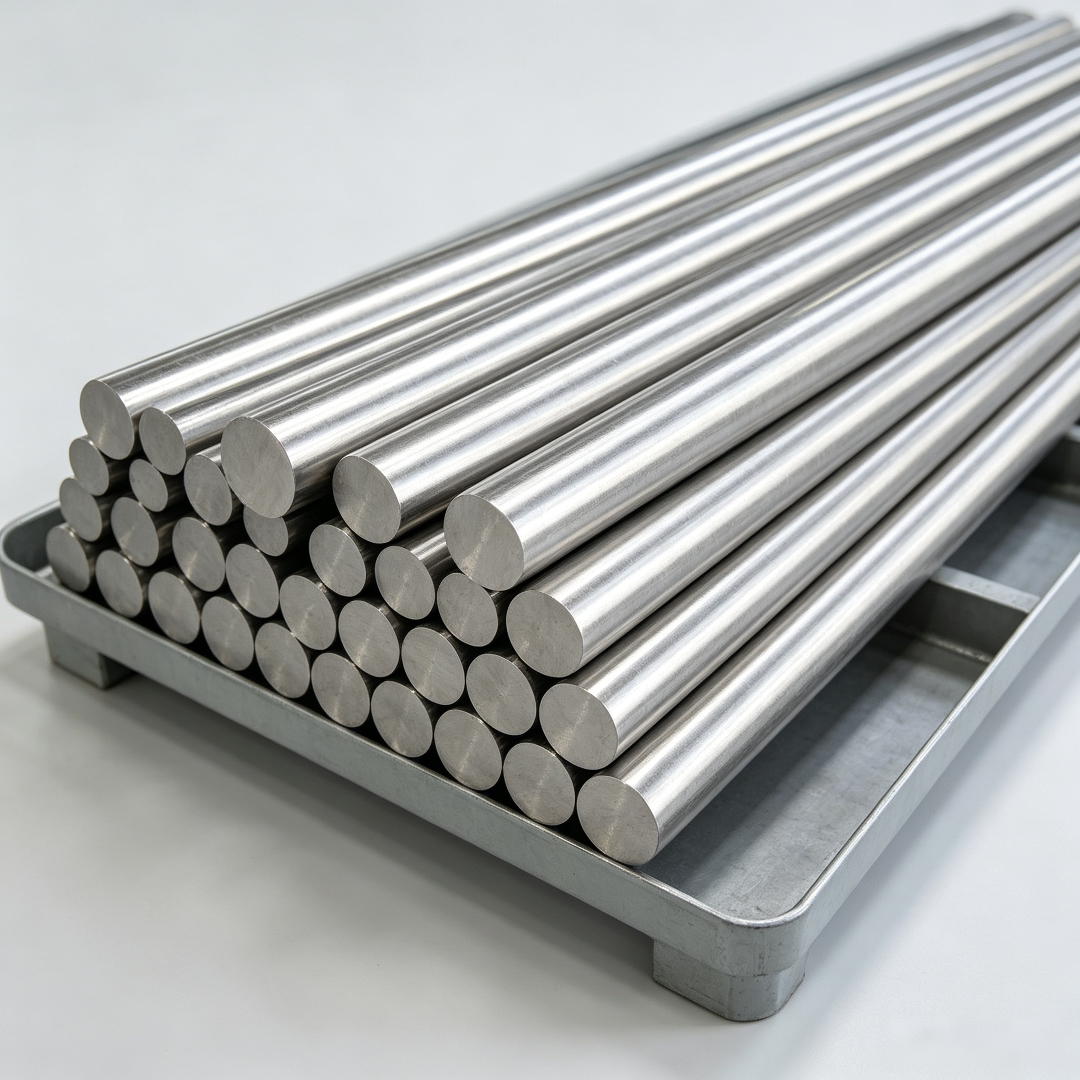
Qingchuan New Materials (Zhengzhou) Co., Ltd., as a technology-driven enterprise in the field of special alloys, relies on the modern standard workshop of Zhengzhou High-tech Industrial Development Zone and its full-process analysis and detection capabilities to carry out systematic research and development on the pain points of Nichrome 80 material. In terms of composition optimization, the company's R&D team has constructed a "dense surface oxide layer + internal grain boundary reinforcement" double-layer protective structure through gradient doping of trace rare earth elements (such as yttrium and cerium): the surface rare earth elements are preferentially oxidized to form a dense Y2O3/CeO2 composite oxide layer, with an oxidation rate 60% lower than that of the traditional Cr2O3 layer, and the thickness of the oxide layer controlled within 0.2mm at 1200℃; internally, the rare earth atoms are preferentially aggregated at the grain boundaries, inhibiting grain boundary slip and crack propagation, thereby improving the material's grain boundary fracture toughness by 40%. In terms of process innovation, the company has introduced a double-refining process of vacuum induction melting + electroslag remelting, raising the material purity to over 99.95%, controlling non-metallic inclusions to below 5μm; combined with the deformation heat treatment process of cold rolling + intermediate annealing, the grain size is refined to ASTM 10 level, further enhancing the material's anti-creep properties. Certified by a third-party testing institution, the improved Nichrome 80 material of Qingchuan New Materials, after continuous operation for 5000 hours at 1200℃, shows a resistance value deviation of <±5%, a 70% reduction in grain boundary crack propagation rate, and a lifespan over 2 times longer than that of traditional materials. It has been successfully applied to the hot-end components of a certain type of aviation engine and high-end industrial furnace electric heating tubes. Customer feedback indicates that the equipment maintenance cycle is extended by 50% and energy consumption is reduced by 15%.
FAQ: Nichrome 80 Material Selection Guide
Q1: What are the core technical parameters of the improved Nichrome80 material?
A1: The improved Nichrome80 material from Qinchuan New Materials has the following main technical parameters: nickel content 79.5-80.5%, chromium content 19.5-20.5%, total rare earth elements (yttrium + cerium) content 0.1-0.3%; material purity ≥99.95%, non-metallic inclusions size ≤5μm, grain size ASTM 10; oxidation layer thickness ≤0.2mm/5000h at 1200°C, resistance value deviation ≤±5%, grain boundary fracture toughness ≥35MPa·m¹/². These parameters ensure the long-term stability and failure resistance of the material under high-temperature conditions.
Q2: How to determine if Nichrome 80 material is suitable for my application?
A2: When selecting, focus on three dimensions: Firstly, working temperature, if the service temperature is >1000℃ for a long time, traditional materials are prone to oxidation and failure, and improved materials are required; secondly, power stability requirements, if electrical heating elements need to maintain ±5% resistance deviation for a long time, the oxidation layer control technology of improved materials can meet the demand; thirdly, environmental complexity, if there are extreme temperature differences (such as aerospace thermal cycles) or corrosive gases (such as sulfur-containing environments in industrial furnaces), the grain boundary strengthening and antioxidant layer design of improved materials can significantly improve reliability. It is recommended to conduct small-scale trial production and verification in combination with specific working conditions.
Q3: What are the differences in processing technology between the improved Nichrome 80 material and traditional materials?
A3: Three points of difference should be noted during processing: Firstly, the cold working deformation should be controlled within 30% to avoid excessive deformation of grain boundaries causing cracks; secondly, the intermediate annealing temperature needs to be accurately controlled at 1050-1100℃, with holding time of 2-4 hours to eliminate processing stress and promote grain uniformization; thirdly, the final annealing of the finished product should be carried out under vacuum or protective atmosphere to prevent oxidation. Qinchuan New Materials can provide full-process processing technology guidance, including cold rolling parameters, annealing curves, and quality inspection standards, to ensure that the material performance meets the standard.
Summary: Technological breakthrough drives the upgrade of high-end applications for Nichrome 80 material.
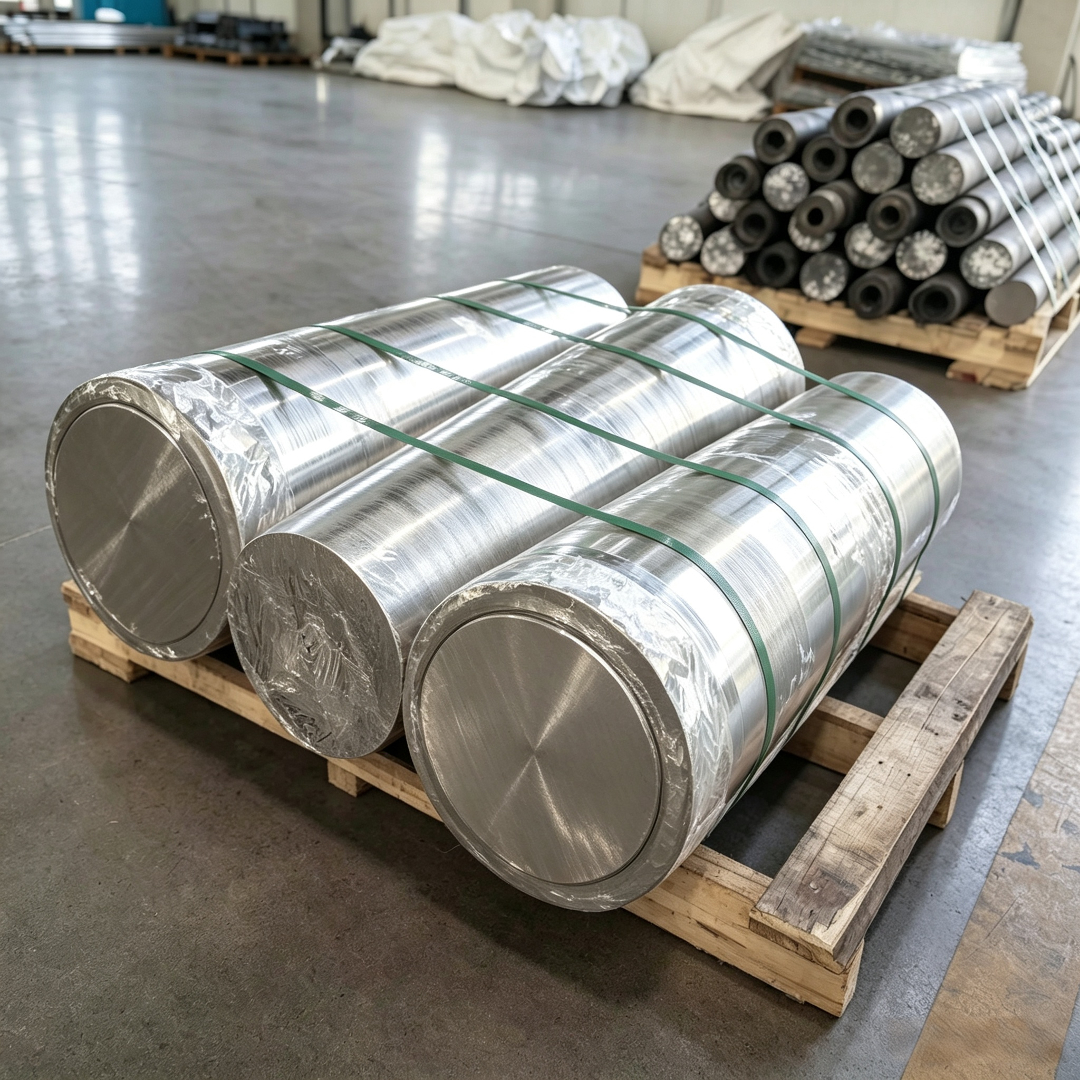
Nichrome80 material, as a core material in the high-temperature resistance field, has long restricted the upgrading and development of industries such as aerospace and high-end manufacturing due to its performance bottleneck. Qingchuan New Materials has successfully overcome the issues of high-temperature oxidation and grain boundary brittleness of traditional materials through a dual-path breakthrough of composition optimization (rare earth gradient doping) and process innovation (dual refining + deformation heat treatment), significantly improving the material's lifespan and reliability. The improved Nichrome80 material has passed rigorous working condition verification and has become an ideal choice for high-end electrical heating elements and hot-end components. In the future, with further in-depth research on the material's microstructure and service behavior, Nichrome80 material is expected to play a crucial role in more extreme environments, propelling related industries towards high efficiency and long lifespan.