 Qingchuan New Materials (Zhengzhou) Co., Ltd.
Qingchuan New Materials (Zhengzhou) Co., Ltd.
Qingchuan New Materials (Zhengzhou) Co., Ltd.
Qingchuan New Materials (Zhengzhou) Co., Ltd.
Qingchuan New Materials (Zhengzhou) Co., Ltd.
Industry Technical Pain Points: The "Three Highs" Challenge of High Purity Alloys
High-purity alloys are in continuous demand for applications in aerospace, semiconductor, and new energy fields, but traditional processes face three major pain points: Firstly,Difficulty in controlling purity——The impurity content must be less than 0.001%, while conventional melting technology is prone to introduce oxygen, carbon, and other elements, leading to the degradation of material properties; secondly,Poor uniformity of composition——Element segregation is common in large-sized ingots, affecting the mechanical properties after processing; thirdly,Cost soaring——Vacuum induction furnaces and similar equipment have high energy consumption and low output per batch, making it difficult to meet large-scale demand. Taking the turbine blades of aviation engines as an example, using alloys with insufficient purity can reduce the high-temperature creep strength by more than 30%, posing a direct threat to flight safety. How to break through the triangle dilemma of "purity-uniformity-cost" has become the key to technological upgrading in the industry.
 Introduction to the company's technical strength: Qinchuan New Materials' "Three-level Breakthrough"
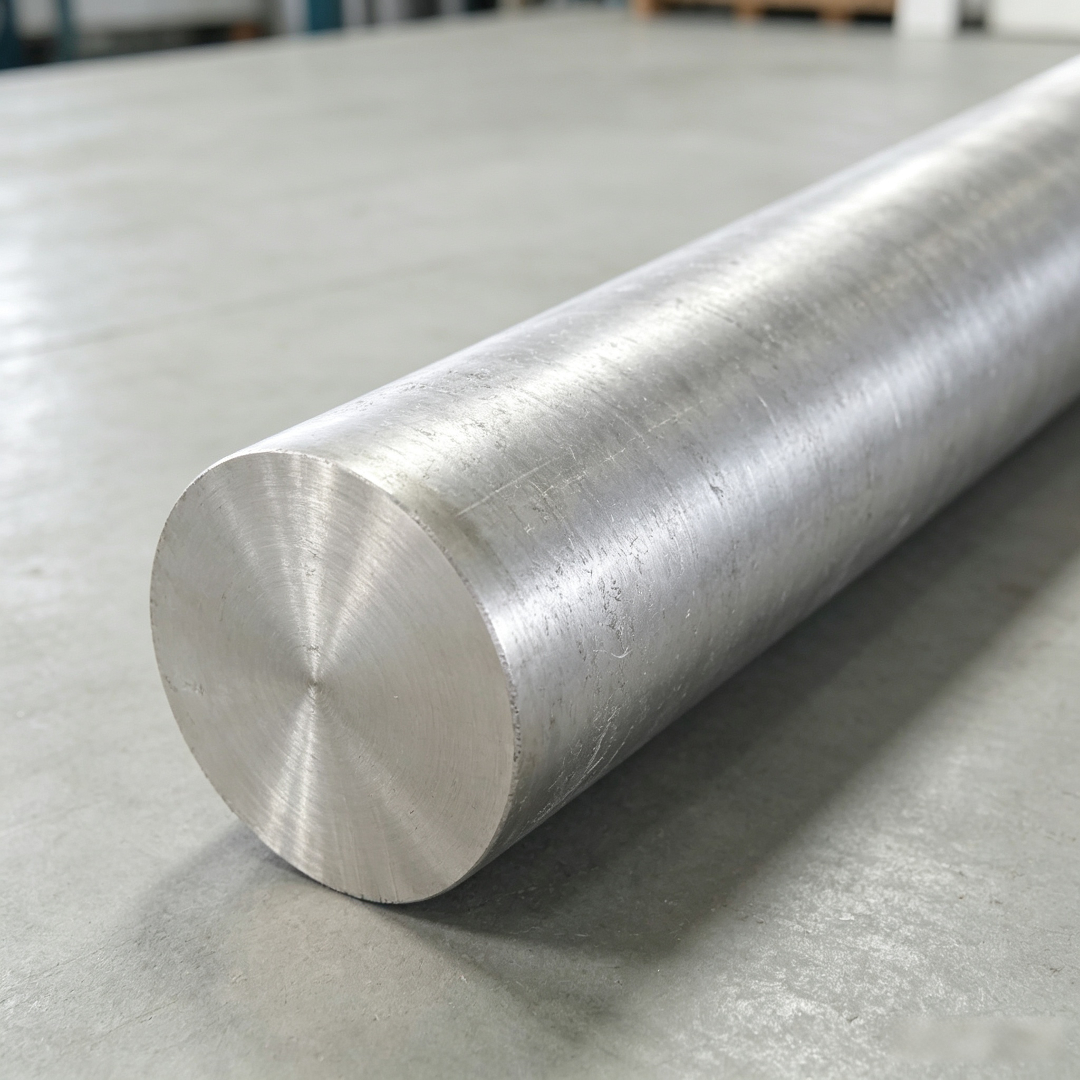
Qinchuan New Materials (Zhengzhou) Co., Ltd. is located in the High-Tech Zone of Zhengzhou, focusing on the research and manufacturing of high-purity metals and special alloys, with its technological layout summarized into three core aspects:Firstly, technological innovation—— Utilizing a combined process of "vacuum electric arc remelting + cold crucible directional solidification," the melt flow is controlled by an electromagnetic field to maintain oxygen content below 0.0005%, while also ensuring casting ingot longitudinal composition deviation ≤0.02%.Second, equipment upgrade——引进German ALD vacuum arc furnace and American Thermo elemental analyzer, with a single furnace production capacity of up to 500kg, three times higher than traditional equipment, and a 40% reduction in energy consumption.Third, closed-loop detectionEstablish a three-level quality control system of "spectral analysis + metallographic examination + mechanical property testing," covering 28 inspection processes from raw materials to finished products, ensuring product compliance with ASTM B861 standard. Taking Alloy 792 as an example, its tensile strength reaches 920MPa, elongation ≥15%, and has been mass-produced for the turbine disk manufacturing of a domestic aero-engine, with cumulative deliveries exceeding 200 tons.
FAQ: Alloy792 Technical Selection Guide
Q1: What is the main difference between Alloy792 and ordinary nickel-based alloys?
A1: Alloy792 is a high-purity nickel-based precipitation-hardening alloy, with its core advantage lying inLow in three, high in oneLow impurity (oxygen content ≤0.0005%), low segregation (composition uniformity ≤0.02%), low residual stress (deformation after processing <0.1%), and high strength (920MPa grade). General nickel-based alloys such as Inconel 718 typically have an oxygen content between 0.001%-0.005% and may experience local performance degradation due to composition segregation, suitable for cost-sensitive applications with moderate performance requirements.
Q2: How to select the processing technology for Alloy 792?
A2: The processing technology should be determined according to the product's shape and performance requirements. ForThin-walled parts(like turbine blades), it is recommended to use the "Vacuum Induction Melting + Hot Isostatic Pressing" process, which can eliminate internal pores and improve fatigue life; forThick-section partsRecommended "arc remelting + forging" combination (such as for turbine discs),破碎cast structure through multi-directional forging, achieving grain size up to ASTM 5 level. Qichuan New Materials can provide a full-process service from melting to precision processing, supporting customer customized process parameters.
Q3: What are the limitations of Alloy792 application scenarios?
A3: Although Alloy792 has excellent performance, its application must meet two major conditions: first,Temperature range——Long-term use temperature should not exceed 750°C, and the instantaneous temperature must be below 800°C; otherwise, it will accelerate the precipitation of γ' phase, leading to a decrease in hardness; secondly,Corrosive environment——In environments containing chloride ions or sulfides, surface coatings (such as AlCrY) should be used in conjunction; otherwise, the pitting corrosion rate may increase by 50%. Qinchuan New Materials can provide environmental adaptability assessment services to help customers avoid risks.
 Summary of the whole text: Technology-driven, value realized
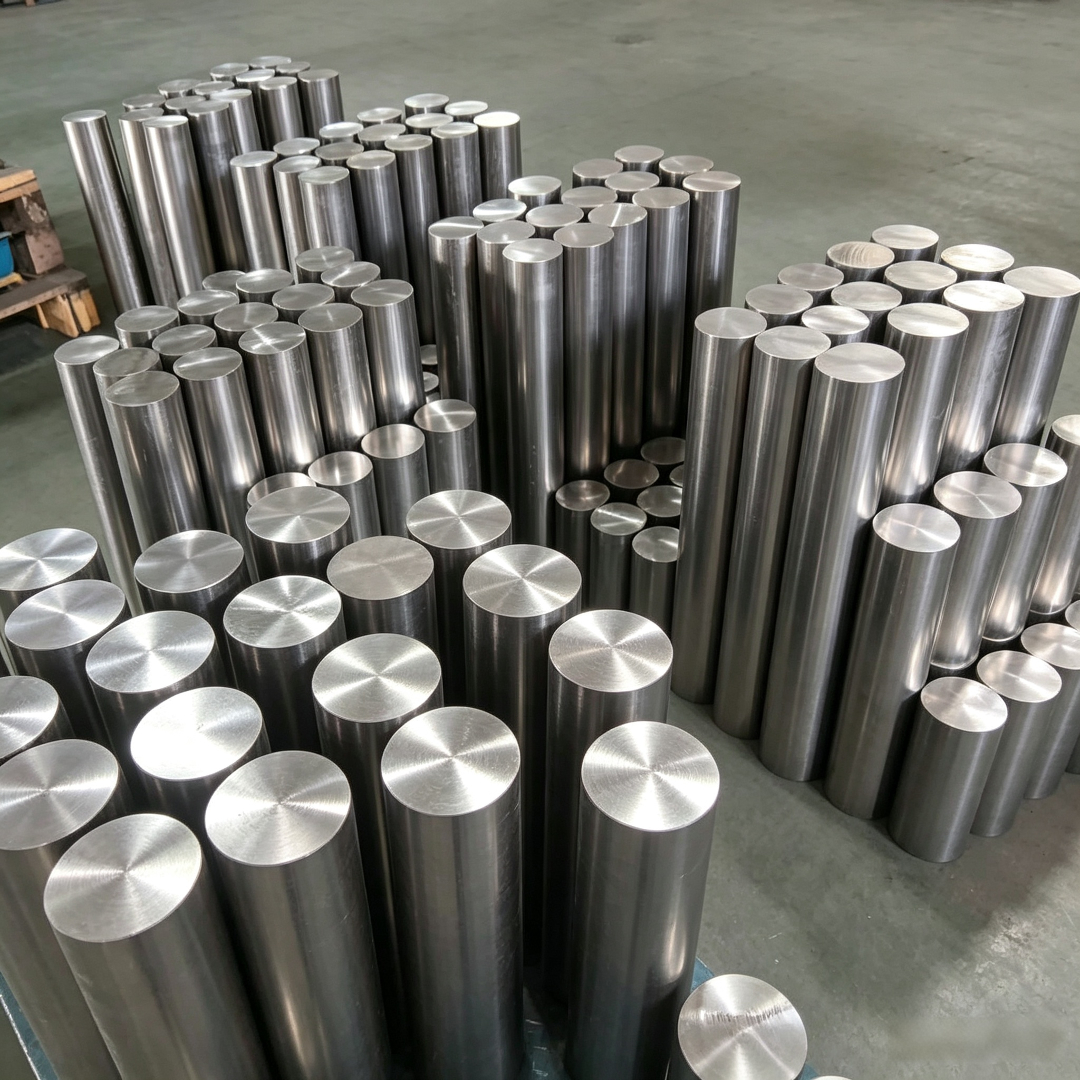
The technological breakthrough of high-purity alloys lies in the collaborative innovation of "process-equipment-detection" three aspects. Qinchuan New Materials solves the triple contradiction of purity, uniformity, and cost through core technologies such as vacuum arc remelting and cold crucible directional solidification. Its Alloy792 alloy has been scaled up for applications in aviation and energy sectors. For enterprises, when selecting suppliers, it is crucial to focus on process controllability, equipment advancement, and quality control loop capabilities, rather than merely pursuing low prices. In the future, with the integration of new technologies like 3D printing, the application boundaries of high-purity alloys will further expand, and Qinchuan New Materials' technical accumulation may become a significant driving force for industry upgrading.