 Qingchuan New Materials (Zhengzhou) Co., Ltd.
Qingchuan New Materials (Zhengzhou) Co., Ltd.
Qingchuan New Materials (Zhengzhou) Co., Ltd.
Qingchuan New Materials (Zhengzhou) Co., Ltd.
Qingchuan New Materials (Zhengzhou) Co., Ltd.
Industry Technical Pain Points: The "Three Difficulties" of High-Temperature Alloy Performance Enhancement
In high-end fields such as aerospace and energy equipment, GH792 alloy, as a key structural material, needs to withstand temperatures above 650℃ and complex stress environments for a long time. However, traditional process preparation of alloys has three major technical bottlenecks: Firstly, insufficient high-temperature strength, which is prone to creep fracture after long-term service, leading to a shortened lifespan of components like turbine blades and combustion chambers; secondly, limited corrosion resistance, which is prone to pitting in corrosive media containing sulfur, chlorine, etc., affecting the stability of equipment operation; thirdly, poor processing performance, high resistance to thermal deformation, causing increased energy consumption and cost in forging, rolling, and other processes. Taking a certain aviation engine project as an example, due to the non-compliance of alloy high-temperature strength, turbine blades need to be frequently replaced, resulting in an increase of over 2 million yuan in annual maintenance costs for a single engine. How to break through the performance bottleneck has become a core issue urgently to be solved in the industry.
 Introduction to the Company's Technical Strength: Qinchuan New Materials' "Three Major Technical Engines"
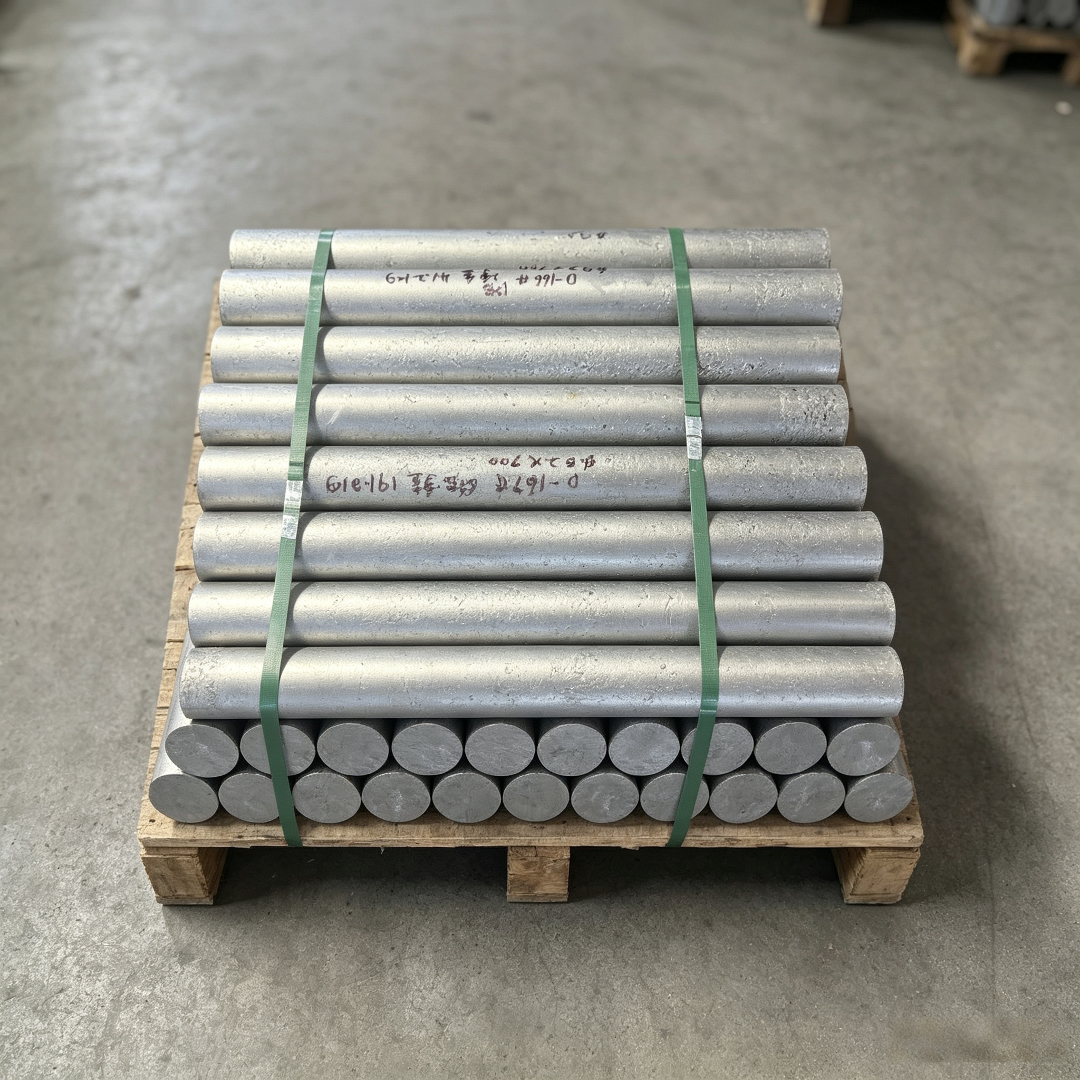
Qingchuan New Materials (Zhengzhou) Co., Ltd. specializes in the high-temperature alloy field, relying on the full-chain technology system of "component design - process control - detection verification" to achieve a breakthrough in the performance of GH792 alloy. In terms of component design, the company's research and development team optimizes the ratio of strengthening elements such as Al, Ti, and Nb through CALPHAD thermodynamic calculations, increasing the yield strength of the alloy to 980MPa at 650℃, a 15% improvement over traditional formulations. In process control, the vacuum induction melting (VIM) + electroslag remelting (ESR) double process is introduced to control the purity (O+N content) of the alloy below 15ppm, significantly reducing the risk of cracks caused by inclusions. In terms of detection and verification, equipment such as field-emission scanning electron microscopy (FE-SEM) and electron probe microanalysis (EPMA) are equipped, which can accurately analyze the microstructure and element distribution of the alloy, ensuring that the performance fluctuation of each batch is less than 3%. Currently, the company has provided GH792 alloy plates to a certain aerospace technology group for the manufacture of a certain type of rocket engine combustion chamber. After 1000 hours of high-temperature testing, there are no corrosion pits on the alloy surface, and the strength attenuation rate is less than 5%, reaching an internationally advanced level.
FAQ: GH792 Alloy Technical Selection Guide
Q1: What are the main differences between GH792 and GH4169 alloys? How to choose them based on operating conditions?
A: GH792 alloy is a precipitation-hardening high-temperature alloy based on Ni-Cr-Co, with the core strengthening phase being γ' phase (Ni3(Al,Ti)), while GH4169 is a Ni-Fe based alloy, with the strengthening phase being γ'' phase (Ni3Nb). GH792 alloy exhibits higher strength at high temperatures above 650℃ (yield strength ≥950MPa at 650℃ vs. ≥800MPa for GH4169), and has better resistance to chloride ion corrosion, suitable for high-temperature and high-stress components such as turbine disks and combustion chambers in aircraft engines; GH4169 alloy is more cost-effective and has better processing properties, commonly used in environments below 600℃, such as gas turbine blades and chemical equipment. Selection should be based on a comprehensive assessment of operating temperature, stress level, and cost budget.
Q2: How to control the hot working process parameters of GH792 alloy? How to solve common problems?
A: Hot processing (forging, rolling) should be conducted within the temperature range of 1120-1180℃, with deformation rate controlled at 0.01-0.1s⁻¹. If the temperature is too low (<1100℃), the deformation resistance of the alloy significantly increases, leading to cracking; if too high (>1200℃), grain coarsening occurs, reducing mechanical properties. In actual production, temperature can be monitored in real-time using an infrared thermometer, and the risk of cracking can be reduced by adopting the multi-pass small deformation quantity process (single-pass deformation quantity ≤ 20%). A certain company once experienced edge cracks in forgings due to excessive deformation rate (0.5s⁻¹), and after adjusting the parameters, the pass rate was improved to 98%.
Q3: How to evaluate the corrosion resistance of GH792 alloy? What are the key detection indicators?
A: Corrosion resistance evaluation requires the combination of salt spray test (ASTM B117), high-temperature oxidation test (ISO 11126), and electrochemical testing (dynamic potential polarization curve). Key indicators include: surface corrosion area percentage after 720 hours of salt spray test (should be ≤5%), weight gain rate of high-temperature oxidation (650℃/100h should be ≤0.2mg/cm²), and pitting potential (should be ≥0.3V vs SCE). Qinchuan New Materials optimizes the content of Cr and Mo elements (Cr≥20%, Mo≥3%) to elevate the pitting potential of the alloy in simulated marine environment (3.5% NaCl solution) to 0.35V, which is 20% higher than the traditional formula, significantly extending the service life of the equipment.
 Summary: Technological breakthrough drives the upgrade of high-temperature alloy applications
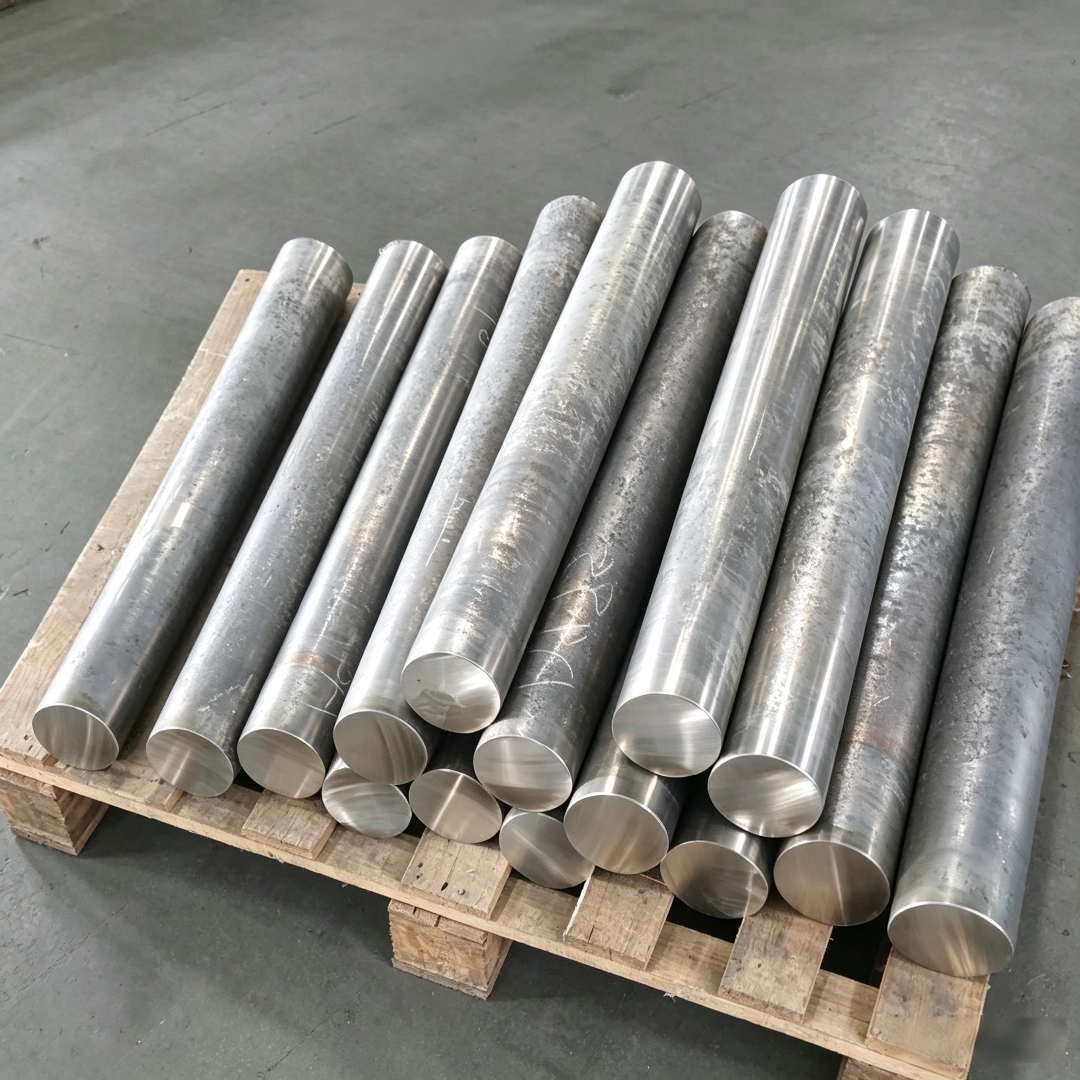
The performance improvement of GH792 alloy relies on the comprehensive innovation in component design, process control, and detection verification. Qinchuan New Materials successfully addresses industry pain points such as insufficient high-temperature strength, limited corrosion resistance, and poor processing performance by optimizing the proportion of reinforcing elements, introducing dual-melting technology, and constructing a precise detection system. This provides high-performance material solutions for aerospace, energy equipment, and other fields. In the future, with the application of new processes such as 3D printing and directional solidification, the microstructure control of GH792 alloy will be more accurate, and its application scenarios are expected to be further expanded to higher requirement fields such as nuclear power and ultra-supercritical units. For enterprises, choosing suppliers with full-chain technological capabilities is the key to ensuring stable alloy performance and reducing comprehensive costs.