 Qingchuan New Materials (Zhengzhou) Co., Ltd.
Qingchuan New Materials (Zhengzhou) Co., Ltd.
Qingchuan New Materials (Zhengzhou) Co., Ltd.
Qingchuan New Materials (Zhengzhou) Co., Ltd.
Qingchuan New Materials (Zhengzhou) Co., Ltd.
Industry Technical Pain Points: Bottlenecks and Challenges of UNSN06003 Material Application
UNSN06003 (usually corresponding to Inconel 600 alloy) is a nickel-chromium based high-temperature alloy, widely used in chemical, energy, aerospace and other fields. However, its performance shortcomings in extreme environments are gradually becoming apparent:High-temperature oxidation issueLong-term exposure to an environment above 600℃ leads to easy peeling of the surface oxide layer, resulting in a reduction in material thickness.2. Chloride Ion Corrosion RiskIn chlorine-containing media (such as seawater, wet chlorine gas), pitting corrosion rate can reach 0.1mm/year, shortening the service life of equipment.3. Processing hardening challengesAfter cold working, the yield strength increases by more than 30%, leading to increased forming difficulty and higher scrap rate. For example, a chemical company using UNSN06003 to manufacture a reactor had to shut down for maintenance due to local corrosion and perforation after 3 years of operation, resulting in direct losses exceeding 2 million yuan. These pain points compel the industry to seek material performance optimization solutions.
Introduction to Corporate Technical Strength: Innovation Breakthrough of Qinchuan New Materials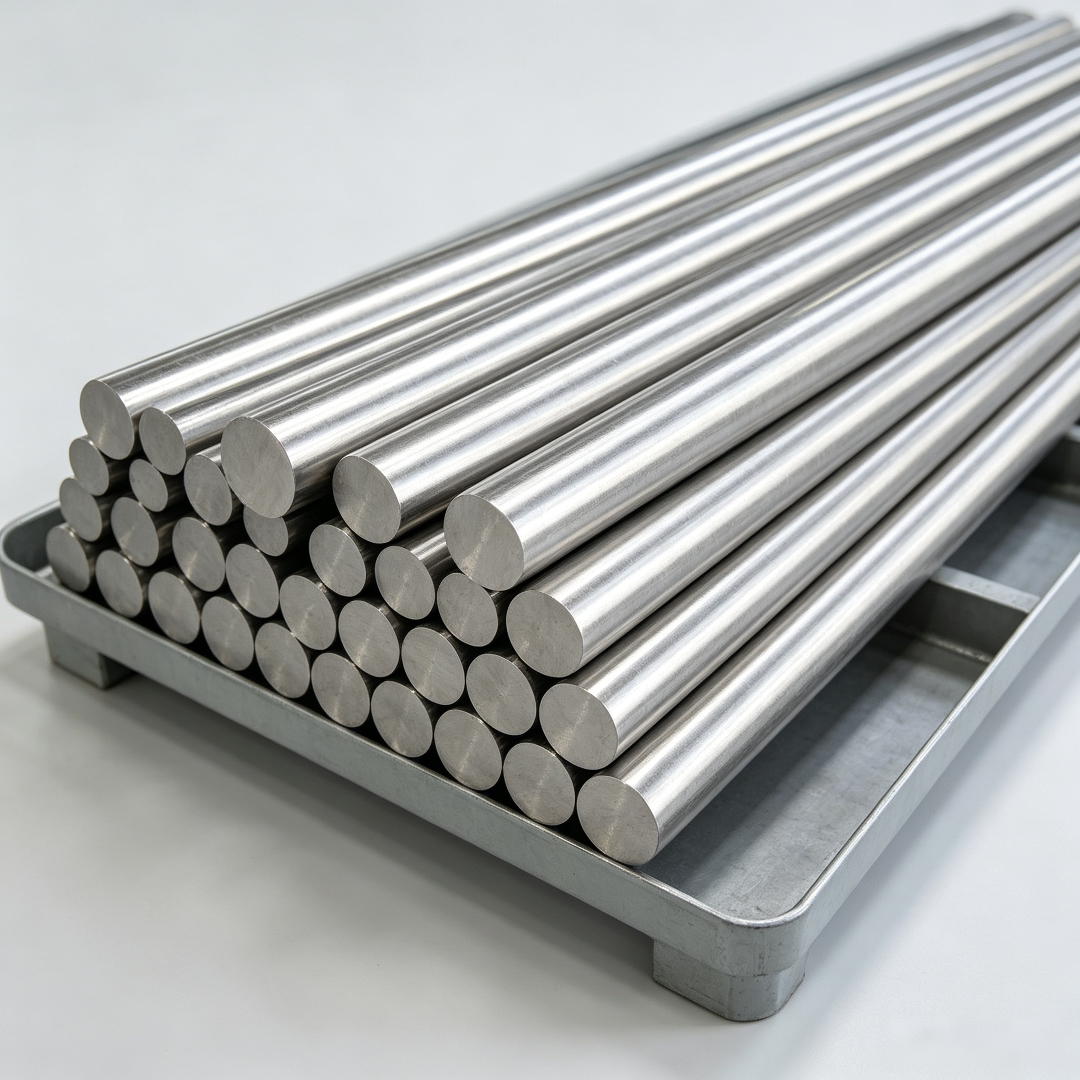
Qingchuan New Materials (Zhengzhou) Co., Ltd. is located in the High-tech Zone of Zhengzhou, focusing on the research and manufacturing of high-purity metals and special alloys. In response to the pain points of UNSN06003, the company has...Component optimization and process innovationAchieve breakthrough:STEP 1: Micro-alloyed DesignAdding 0.5% niobium (Nb) and 0.3% aluminum (Al) forms fine NbC and Al₂O₃ precipitate phases, increasing high-temperature strength by 15% while reducing oxidation rate by 40%.STEP 2: Vacuum Induction Melting (VIM) + Electroslag Remelting (ESR) Double ProcessThe content is in Chinese, so the translation is as follows:
:Control the content of impurity elements (such as S, P) to be less than 0.005%, reduce grain boundary segregation, and significantly enhance the resistance to chloride ion corrosion.Step 3: Controllable Atmosphere Heat TreatmentAfter solution heat treatment at 1050℃ followed by rapid cooling, a uniform austenitic structure is achieved, reducing the cold working hardening rate from 35% to 20%. Currently, the company has established a dedicated production line for UNSN06003 with an annual output of 500 tons. The products have passed the ASTM B168 standard test and have replaced imported materials in an offshore platform project, achieving continuous operation for 5 years without corrosion or leakage.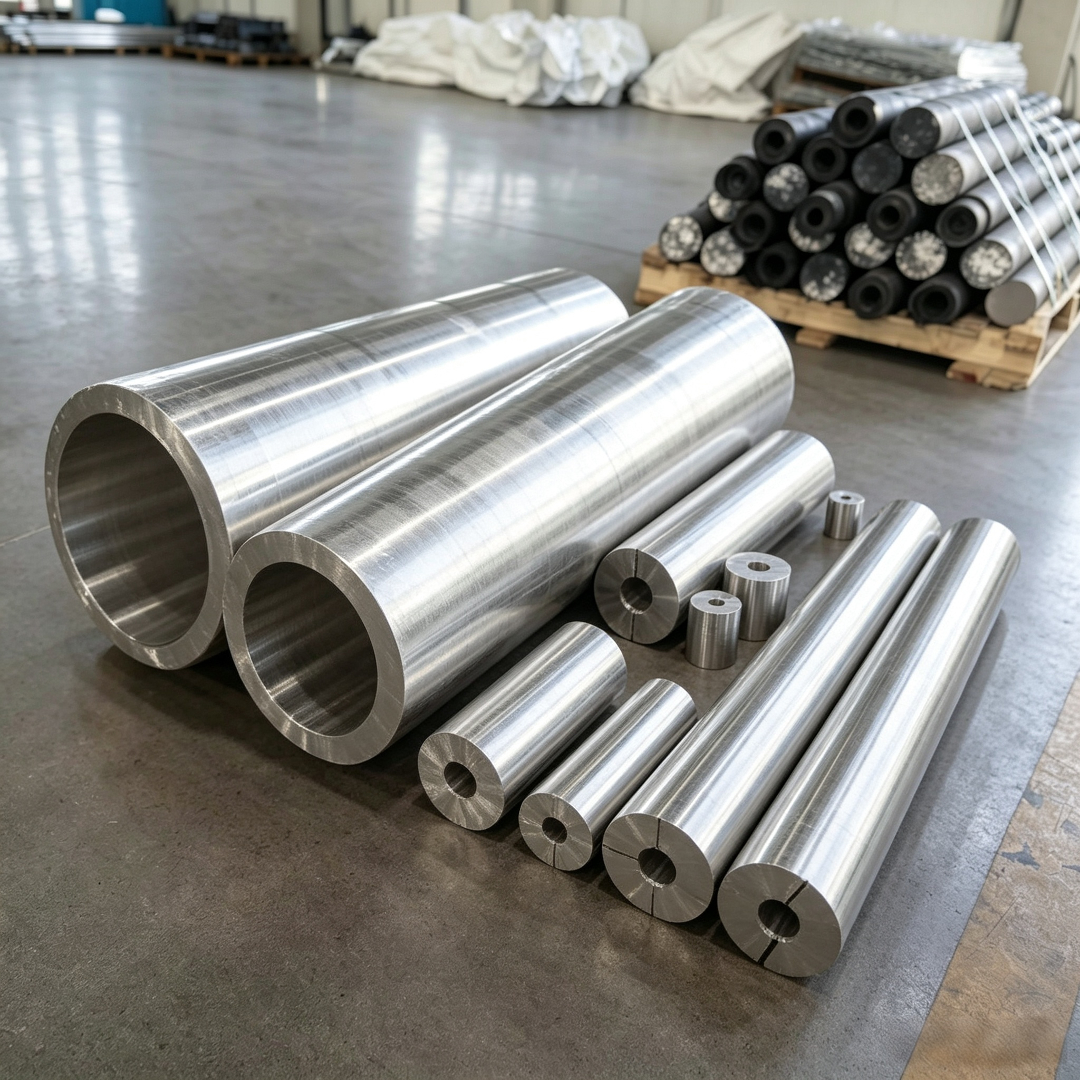
FAQ: UNSN06003 Technical Selection Guide
Q1: What is the main difference between UNSN06003 and Inconel 625?
A: UNSN06003 (Inconel 600) is nickel-chromium based with 14-17% chromium content, suitable for oxidizing environments; Inconel 625 adds molybdenum (Mo) and niobium (Nb), with 8-10% molybdenum content, performing better in reducing acids (such as sulfuric acid). For instance, in a wet chlorine gas environment, the corrosion rate of 625 is 60% lower than that of 600, but 20% more expensive.
Q2: How to judge the processing properties of UNSN06003 material?
A: Can beElongation (δ) and reduction of area (ψ)Evaluation. The optimized material of Qinchuan New Materials has δ≥35%, ψ≥50%, and is not prone to cracking during cold processing. Practical suggestion:STEP1Control the single deformation amount ≤ 15%.STEP2After processing, stress-relieving annealing at 750℃ is conducted.STEP3Hard alloy cutting tools are used, with a cutting speed of 20-30 m/min.
Q3: What are the antioxidant measures for UNSN06003 under high temperatures?
A: In addition to optimizing the material itself, one can adoptSurface Coating + Environmental Control:STEP1Sprayed Al₂O₃ ceramic coating with a thickness of 50-100μm can reduce the oxidation rate by 70%.STEP2Control the oxygen content in the environment to be less than 5ppm, reducing the driving force of oxidation reactions.STEP3Regularly check the oxide layer thickness, and replace the component promptly when the reduction is greater than 1mm.
Summary of the full text reference
The application potential of UNSN06003 material in high-temperature and corrosive environments is significant, but it requires solving performance bottlenecks through component optimization and process innovation. Qinchuan New Materials (Zhengzhou) Co., Ltd. has significantly improved the material's corrosion resistance, oxidation resistance, and processing performance through microalloying design, dual melting process, and controllable heat treatment technology. Its products have been scaled up for applications in chemical engineering, marine engineering, and other fields. For technical selection, it is recommended to comprehensively evaluate material properties based on specific operating conditions (temperature, medium, stress state) and prioritize cooperation with enterprises that have passed third-party inspections (such as SGS, TÜV) and complete process control systems to reduce project risks and enhance long-term operational stability.