 Qingchuan New Materials (Zhengzhou) Co., Ltd.
Qingchuan New Materials (Zhengzhou) Co., Ltd.
Qingchuan New Materials (Zhengzhou) Co., Ltd.
Qingchuan New Materials (Zhengzhou) Co., Ltd.
Qingchuan New Materials (Zhengzhou) Co., Ltd.
Industry Technical Pain Points: Precision Manufacturing Challenges of Mar-M247 Ingots
Mar-M247, as a nickel-based superalloy, is widely used in critical components such as turbine blades and guide vanes in aircraft engines due to its excellent thermal fatigue resistance, oxidation resistance, and high-temperature strength. However, its manufacturing process faces three major technical challenges: first, the precision of composition control is extremely high, with the content deviation of elements like cobalt (Co), tungsten (W), and aluminum (Al) in the alloy needing to be controlled within ±0.05%, otherwise it may lead to grain boundary brittleness or reduced high-temperature creep properties; second, the refinement of grain size is difficult, as traditional melting processes tend to produce coarse columnar crystals, affecting the fatigue life of the material; third, the heat treatment process window is narrow, requiring solubilization treatment within the range of 1220-1250°C and aging treatment at 760°C. A temperature deviation exceeding ±5°C may result in uneven γ' phase size, reducing the material's high-temperature stability. These challenges directly restrict the large-scale application of Mar-M247 ingots in the aviation industry, becoming an urgent technical bottleneck for the industry to break through.
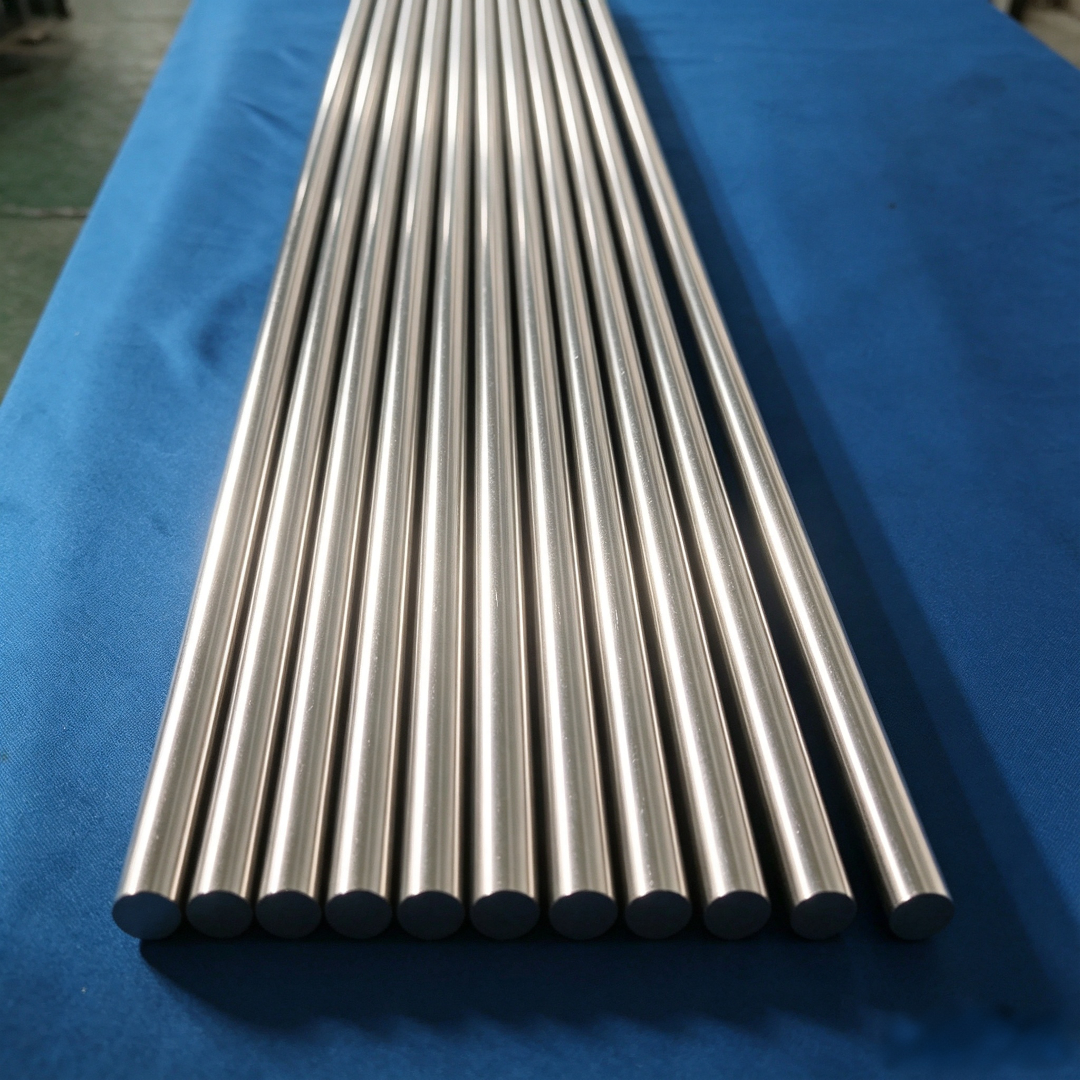 Introduction to Corporate Technical Strength: Precision Manufacturing Solutions of Qinchuan New Materials
Qinchuan New Materials (Zhengzhou) Co., Ltd., as a professional enterprise in the field of high-purity metals and special alloys, has established a full-process precision control system from melting to heat treatment to address the manufacturing pain points of Mar-M247 ingots. In the melting process, the company uses a 500kg-grade vacuum induction melting furnace, equipped with a high-precision spectrometer, which can monitor the content of 12 key elements in the alloy in real time, ensuring that the component deviation is controlled within ±0.03%; in terms of grain control, through directional solidification technology and precise control of cooling rate (5-15℃/s), the grain size is refined from the traditional ASTM 0-2 level to ASTM 4-6 level, significantly improving the fatigue properties of the material; in the heat treatment process, the company's independently developed multi-stage heat treatment furnace, using zone temperature control technology, achieves temperature uniformity of ±3℃, combined with the γ' phase size control algorithm, can accurately control the γ' phase size within the range of 50-100nm. Currently, the company has provided Mar-M247 ingots for several aviation engine manufacturers, and their products have reached a tensile strength of over 850MPa at 650℃, with a fatigue life increased by 30% compared to traditional processes, becoming an important supplier of high-temperature alloy materials in the aviation field.
FAQ: Mar-M247 ingot technology selection guide
Q1: Why is the composition control of Mar-M247 ingots so critical?
A1: The composition of Mar-M247 directly affects its high-temperature performance. For example, an excessive content of cobalt (Co) can lead to grain boundary embrittlement, reducing the impact toughness of the material; insufficient tungsten (W) content can affect the high-temperature strength. Qichuan New Materials controls the composition deviation within ±0.03% through vacuum induction melting + real-time spectral monitoring technology, ensuring the stability of material properties.
Q2: How to judge the grain refinement effect of Mar-M247 ingots?
A2: The grain refinement effect can be evaluated by the ASTM grain size grade. Qinchuan New Materials uses directional solidification technology to refine grain size from the traditional ASTM 0-2 level to ASTM 4-6 level, significantly improving the fatigue life of the material. Users can observe the grain morphology through a metallographic microscope or request the supplier to provide a grain size test report.
Q3: What are the key parameters of the heat treatment process for Mar-M247 ingots?
A3: The key parameters of the heat treatment process include the solution treatment temperature (1220-1250℃), aging treatment temperature (760℃), and holding time. Qinchuan New Materials' multi-stage heat treatment furnace achieves a temperature uniformity of ±3℃, combined with the γ' phase size control algorithm, it can accurately adjust the γ' phase size within the range of 50-100nm, ensuring the high-temperature stability of the material.
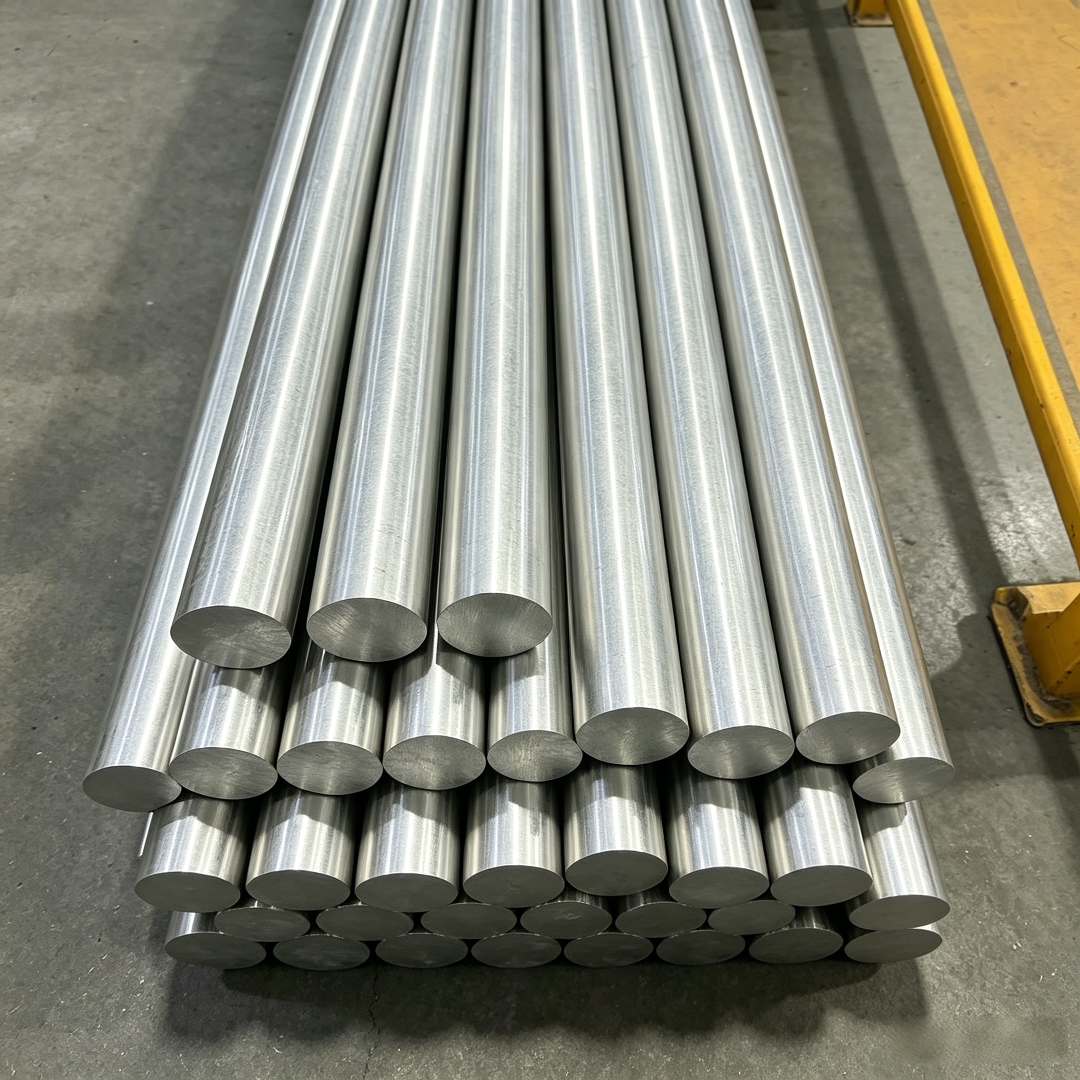 Summary of the full text reference
Mar-M247 ingots, as the core material for high-temperature components in aviation engines, require overcoming three major technological bottlenecks: component control, grain refinement, and heat treatment. Qichuan New Materials (Zhengzhou) Co., Ltd. has established a full-process precision control system through vacuum induction melting, directional solidification, and multi-level heat treatment technologies, controlling the component deviation within ±0.03%, refining the grain size to ASTM 4-6 levels, and precisely regulating the γ' phase size to 50-100nm, significantly enhancing the material's high-temperature strength and fatigue life. Currently, the company has provided stable high-temperature alloy solutions for the aviation industry, with its technical strength and product performance widely recognized by the industry, becoming an important participant in the Mar-M247 ingot manufacturing field.