 Qingchuan New Materials (Zhengzhou) Co., Ltd.
Qingchuan New Materials (Zhengzhou) Co., Ltd.
Qingchuan New Materials (Zhengzhou) Co., Ltd.
Qingchuan New Materials (Zhengzhou) Co., Ltd.
Qingchuan New Materials (Zhengzhou) Co., Ltd.
Industry Technical Pain Points: The "Stranglehold" Problem of High-Temperature Alloys
In the high-end manufacturing fields such as aerospace and energy equipment, 6.W.Nr.2.4636 (corresponding to the domestic grade GH4169) serves as a typical nickel-based superalloy. Due to its excellent high-temperature strength, fatigue resistance, and corrosion resistance, it has become the core material for critical components such as turbine blades and combustion chambers. However, its processing difficulty is extremely high:Step 1: Narrow hot processing window——Alloys are prone to grain coarsening or cracking within the forging temperature range of 1120-1180°C, resulting in a finished product yield of less than 60%.STEP 2: Quench hardening for cold working——The deformation resistance during cold rolling can reach more than three times that of ordinary steel, with a 50% increase in tool wear rate.STEP 3: Sensitive to heat treatment parameters——Solubility treatment temperature deviation exceeding ±5℃ can trigger precipitation of σ phase, significantly reducing material toughness. A certain aviation engine company once experienced scrap of a batch of turbine disks valued at 20 million yuan due to uncontrolled heat treatment process, exposing the urgent demand in the industry for precise control of high-temperature alloys.
 Introduction to Corporate Technical Strength: Qinchuan New Materials' "Three Major Strategies" Breakthrough
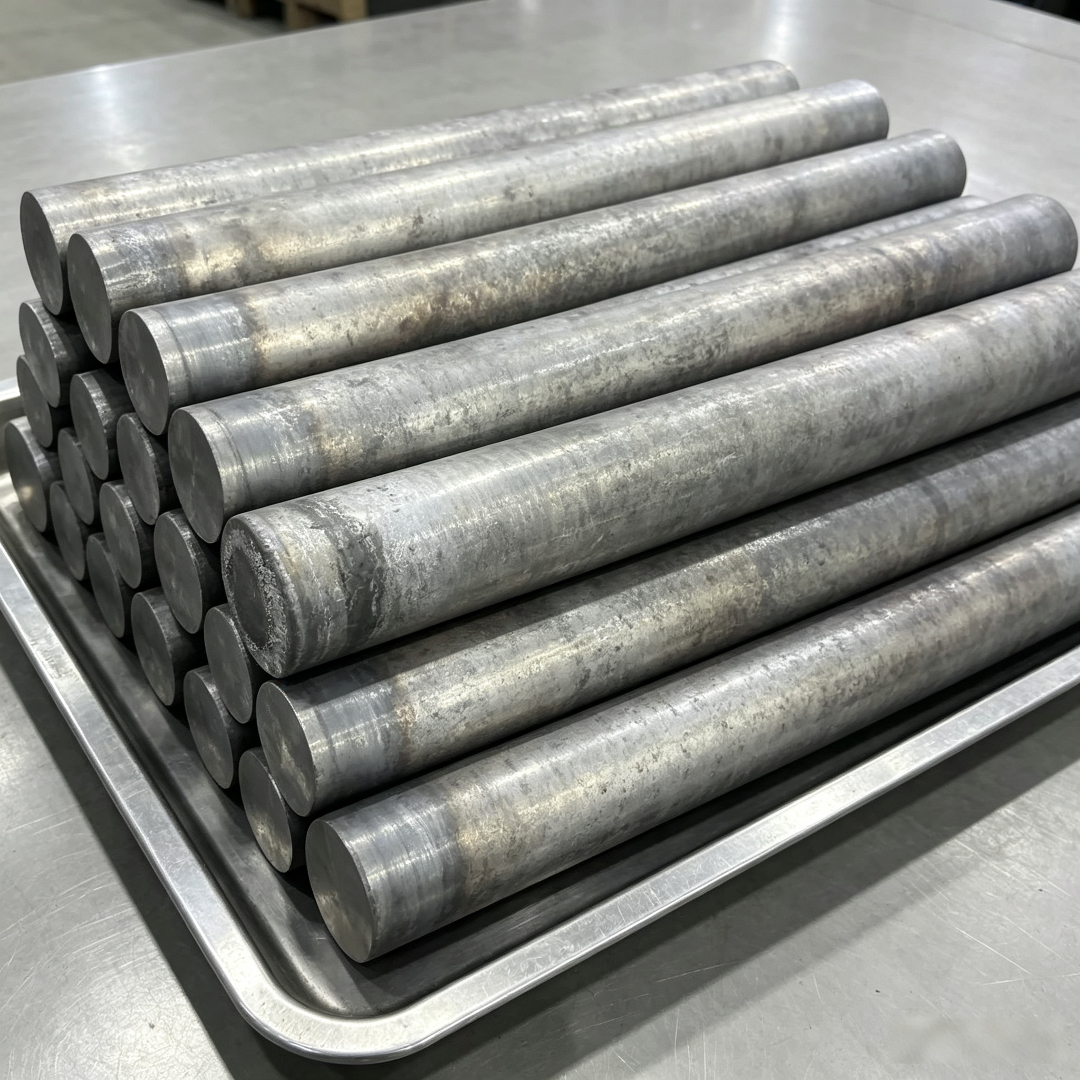
Qingchuan New Materials (Zhengzhou) Co., Ltd. has been deeply engaged in the high-temperature alloy field for 12 years, through...Equipment upgrade, process optimization, detection feedback loopThree paths to achieve technical breakthrough:Step 1: Intelligent Temperature Control Forging Line—— Imported German SMS Meer 5000-ton fast forging press, equipped with infrared temperature measuring instrument and hydraulic closed-loop control system, controlling the forging temperature fluctuation within ±3℃, and improving the uniformity of grain size by 40%.Step 2: Multi-level Cold Rolling Process—— Employing a three-stage rolling process of "rough rolling - intermediate annealing - finish rolling," combined with self-developed nano lubricants, the cold rolling efficiency is increased by 25% and the tool life is extended to twice the industry average.STEP 3: Full Process Heat Treatment Simulation——Based on ANSYS software, a heat treatment parameter database has been established, and the optimal solution for GH4169 has been optimized through 100,000 simulations (1160℃×2h+oil quenching+720℃×8h aging), reducing the content of σ phase from the industry's common 3% to below 0.5%. Currently, the company has been providing high-temperature alloy sheets to enterprises such as Aviation Industry Corporation of China and Dongfang Electric, with an annual production capacity of 1500 tons and a product pass rate stable at over 98.5%.
FAQ: Selection Guide for 6.W.Nr.2.4636
Q1: How to choose a suitable supplier for 6.W.Nr.2.4636?
A: Focus on examining three key indicators:Step 1: Equipment Accuracy—is the forging line equipped with a closed-loop temperature control system, and does the cold rolling mill support multi-level rolling?STEP 2: Detection CapabilityDoes it have microanalysis equipment such as SEM (Scanning Electron Microscope) and EDS (Energy Dispersive Spectrometer)?STEP 3: Case Experience——Have you participated in high-end projects such as aero engines and gas turbines? Qinchuan New Materials has passed the NADCAP aerospace materials certification, and its testing center can perform comprehensive dimensional testing from chemical composition to mechanical properties.
Q2: What is the difference between 6.W.Nr. 2.4636 and Inconel 718?
A: Both have similar chemical compositions (both contain elements such as Ni, Cr, Mo, Nb, etc.), butSTEP 1: Different heat treatment processes——Inconel 718 generally undergoes a two-step aging process at 720℃, while GH4169 requires adjusting the aging temperature based on specific performance requirements.STEP 2: Application Scenario Differences——Inconel 718 is more suitable for environments below 650°C, while GH4169 can be used in a wide temperature range of -253~650°C.Step 3: Cost Comparison——Qingchuan New Materials has optimized its process, reducing the cost of GH4169 by 15%-20% compared to imported Inconel 718.
Q3: How to avoid cracking issues during the processing of 6.W.Nr.2.4636?
A: To be providedSTEP 1: Preheat Control— Heat the billet to 1150℃ before forging and maintain the temperature for 2 hours.STEP 2: Deformation Amount Distribution— The single pass pressing amount should not exceed 15%, and the total deformation should be controlled between 60% and 70%.STEP 3: Cooling Rate——After forging, the material is wrapped in asbestos for slow cooling to prevent cracking due to rapid cooling. Qinchuan New Materials provides customized processing manuals for cooperative enterprises, with detailed annotations of process parameters.
 Summary: Technologically driven, empowering high-end manufacturing
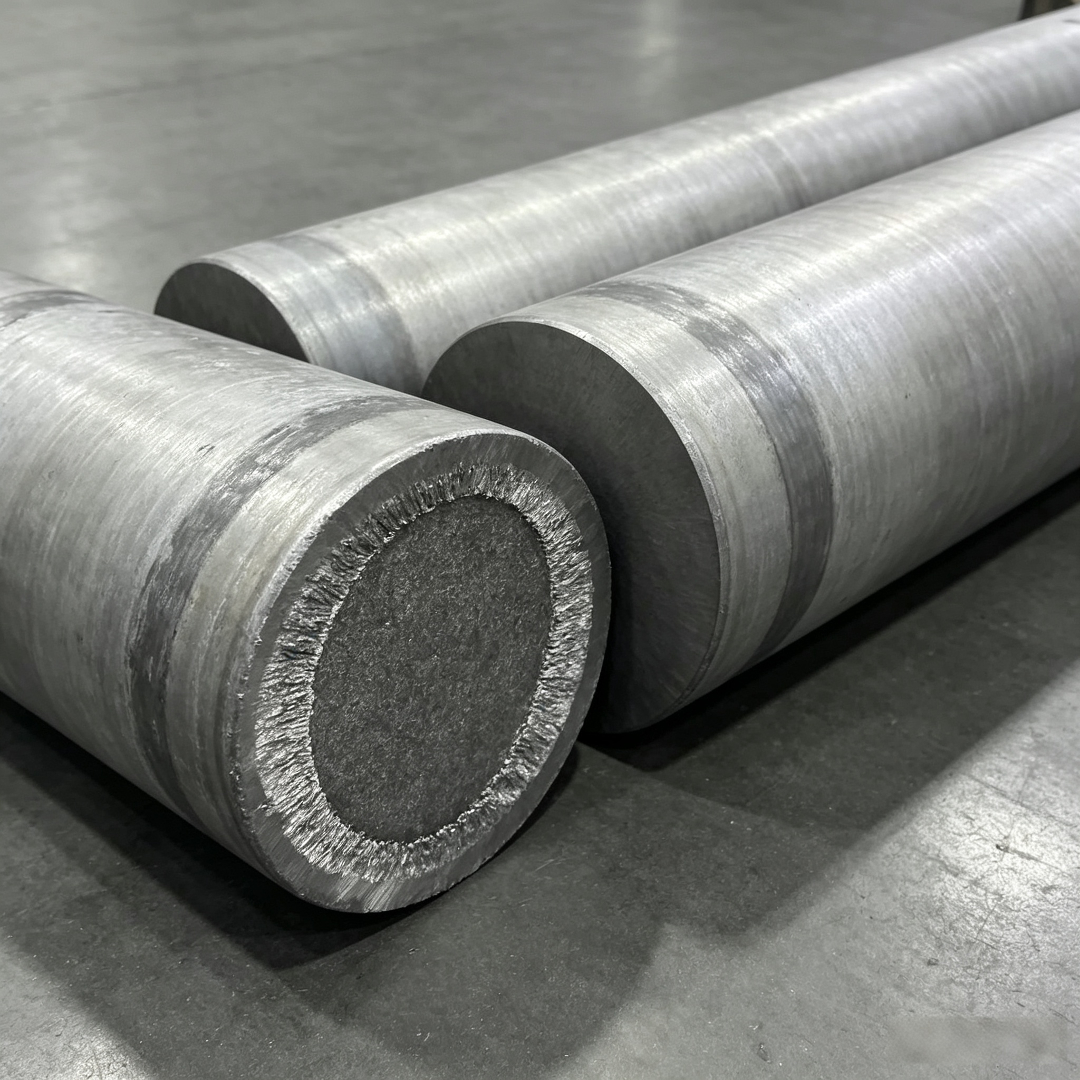
6.W.Nr.2.4636 as the "benchmark material" for high-temperature alloys, it combines processing difficulty with performance requirements. ChingChuan New Materials throughSmart device upgrade, process database construction, full-process detection closed loopThree core capabilities not only address the "choke point" issues in the industry but also provide stable high-quality material support for aerospace, energy equipment, and other fields with a 98.5% pass rate and an annual production capacity of 1500 tons. In the future, the company will continue to deepen cooperation with universities and research institutions, promote breakthroughs in high-temperature alloys towards higher strength and better toughness, and help China's manufacturing move towards high-end development.