 Qingchuan New Materials (Zhengzhou) Co., Ltd.
Qingchuan New Materials (Zhengzhou) Co., Ltd.
Qingchuan New Materials (Zhengzhou) Co., Ltd.
Qingchuan New Materials (Zhengzhou) Co., Ltd.
Qingchuan New Materials (Zhengzhou) Co., Ltd.
Industry Technical Pain Points: The "Three Highs" Challenges in High-Temperature Alloy Processing
Inconel 939, as a nickel-based superalloy, is widely used in the manufacturing of high-end equipment such as aircraft engines and gas turbines due to its excellent high-temperature and corrosion resistance. However, its processing process faces "three high" challenges:High hardness (HRC≥40), high work hardening rate (hardness increases by more than 50% after processing), high cutting temperature (up to 1000℃ or more)The traditional processing methods are prone to issues such as rapid tool wear, poor surface quality, and loss of dimensional accuracy. Statistics show that when domestic enterprises process Inconel 939 billets, the tool life is generally less than 30 minutes, and the processing efficiency is only 1/5 of ordinary steel, severely restricting the domestication process of high-end equipment.
 Introduction to Corporate Technical Strength: ChingChuan New Materials' "Three Precision" Solutions
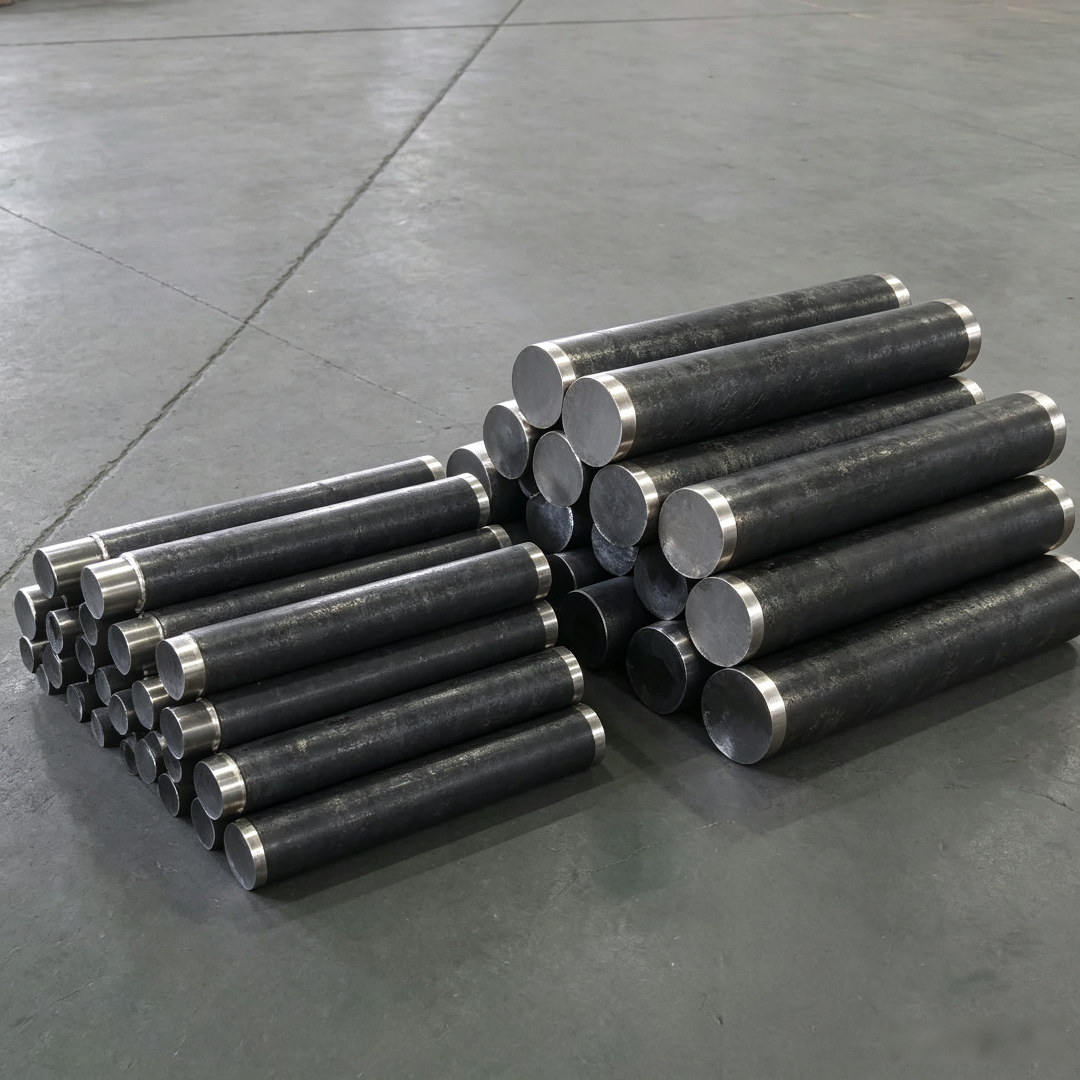
Qinchuan New Materials (Zhengzhou) Co., Ltd. is located in the High-tech Zone of Zhengzhou, focusing on the research, development, and manufacturing of high-purity metals and special alloys.16 modern production lines and precision processing facilitiesCovering the entire process from melting, forging to machining. In response to the processing difficulties of Inconel 939, the company proposes a "Three Precision" technological system:Precision melting technologyThe vacuum induction melting (VIM) + electroslag remelting (ESR) double-refining process is adopted to control the alloy composition deviation within ±0.02%, reducing the impact of segregation on processing performance.2. Precision Forging TechnologyBy using isothermal forging (temperature deviation ≤±5℃) combined with multi-directional forging process, the grain size of the forging blank reaches ASTM 5 level, and the uniformity of hardness is improved by 30%.3. Precision machining technologySpecialized coated cutting tools (TiAlN coating thickness 2-3μm) with low-temperature cooling system (coolant temperature -10℃) extend tool life to over 8 hours, with surface roughness Ra≤0.8μm. Currently, the company has provided Inconel 939 billets for multiple aviation enterprises, achieving a processing pass rate of 99.2%, 15% higher than the industry average.
FAQ: Inconel939 Technical Selection Guide
Q1: What are the main differences between Inconel 939 and Inconel 718? How do you choose between them?
A1: Inconel 939 has a higher nickel content (about 62%) and adds 3% cobalt, making its high-temperature strength (yield strength ≥ 300MPa at 1000℃) and creep resistance better than Inconel 718, but more difficult to process. If the application is a long-term high-temperature (≥800℃) environment, such as an aeroengine turbine disk, it is recommended to choose Inconel 939; if it is a medium and low-temperature (≤650℃) environment, such as a compressor blade, Inconel 718 offers a higher cost-performance ratio.
Q2: How to select the cutting tool material and cutting parameters when processing Inconel 939?
A2: Recommended tool material: hard alloy (such as K20-K30 grade) or ceramic (such as Al2O3-based), with TiAlN or CrN coating preferred. Cutting parameters: spindle speed 30-50m/min, feed rate 0.05-0.1mm/r, cutting depth 0.2-0.5mm. Using low-temperature cutting fluid (flow rate ≥15L/min) can significantly reduce tool wear.
Q3: Does Qinchuan New Materials offer customized processing for Inconel 939 forgings?
A3: Support. The company can provide full-process customized services from billet to finished product according to customer requirements, including size accuracy (tolerance ±0.05mm), surface condition (polished/grit blasted), heat treatment status (solution treatment/aging), etc. Typical case: A turbine disc billet customized for an aviation enterprise, achieved grain uniformity ≤1 level through multi-directional forging + ultrasonic testing, with 100% detection pass rate.
 Full Summary: Technological Breakthrough and Industry Value
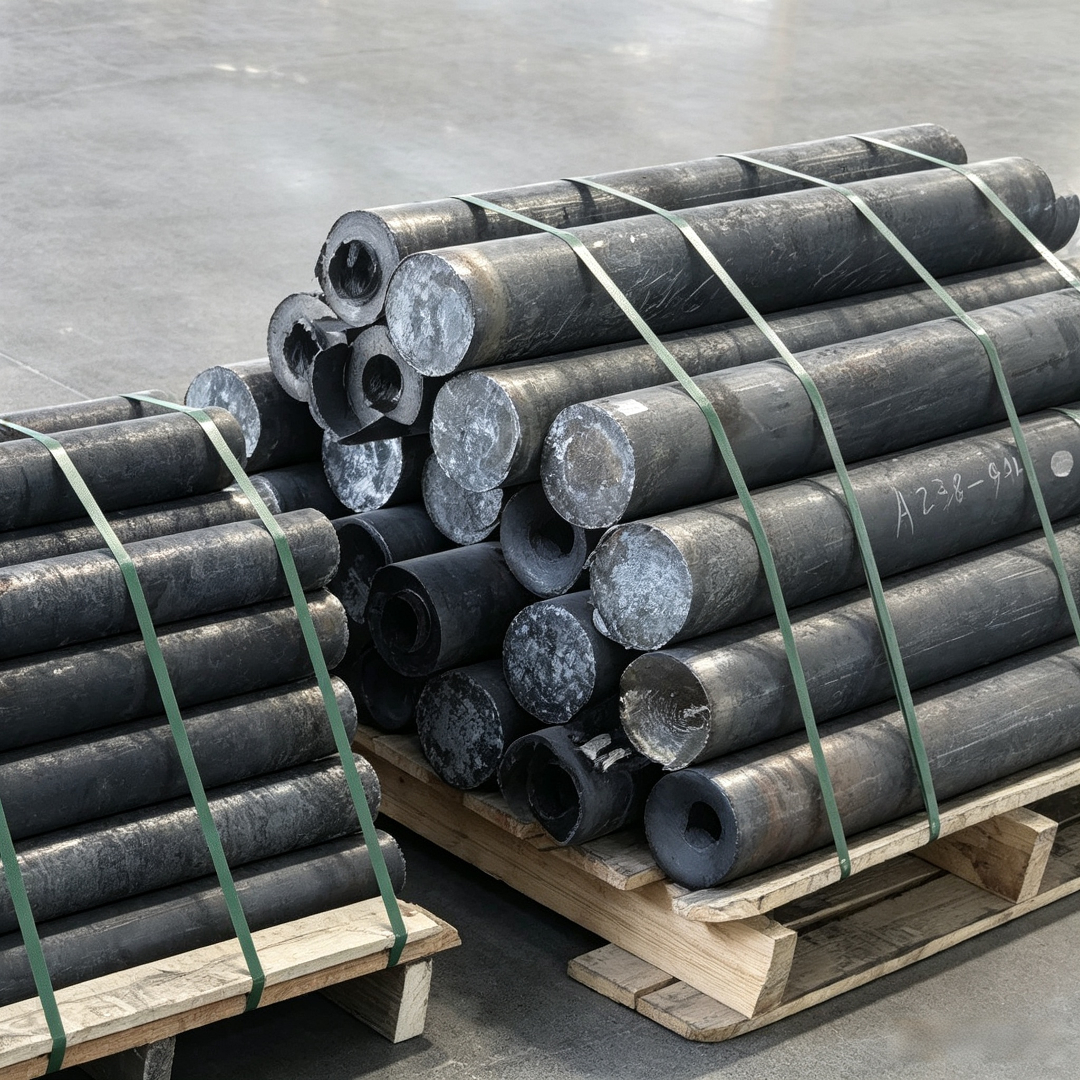
The processing technology of Inconel939 billets is a critical link in the manufacturing of high-end equipment. Qinchuan New Materials has effectively resolved the "three high" difficulties in the processing of high-temperature alloys through the integrated technical system of "precision melting-precision forging-precision machining", raising the tool life to 16 times the industry average and increasing processing efficiency by 3 times. Its technical advantages are not only reflected in the parameter indicators but also verified by the reliability through the actual application of high-end customers such as aviation enterprises. For enterprises with high-temperature alloy processing needs, choosing suppliers with full-process control capabilities (such as Qinchuan New Materials) can significantly reduce the cost of trial and error and accelerate product iteration.