 Qingchuan New Materials (Zhengzhou) Co., Ltd.
Qingchuan New Materials (Zhengzhou) Co., Ltd.
Qingchuan New Materials (Zhengzhou) Co., Ltd.
Qingchuan New Materials (Zhengzhou) Co., Ltd.
Qingchuan New Materials (Zhengzhou) Co., Ltd.
Industry Technical Pain Points: The "Three Highs" Challenge of Inconel 713C ingots
Inconel 713C, as a nickel-based superalloy, is widely used in high-end fields such as aeroengine turbine blades and gas turbines due to its excellent high-temperature resistance and corrosion resistance. However, there are three major technical pain points in its production process:Difficult to control high purityNickel, chromium, aluminum, and other elements in the alloy must be precise to the 0.01% level, impurity elements (such as sulfur and phosphorus) must be below 0.005%, and traditional smelting processes are prone to performance fluctuations due to element segregation.2. High uniformity requirement strictWhen the ingot diameter exceeds 300mm, the grain size difference between the center and the edge may exceed 3 grades, affecting the material's mechanical properties.3. High cost pressure——The combined process of Vacuum Induction Melting (VIM) + Electroslag Remelting (ESR) has high energy consumption, with the cost per ton being more than 40% higher than that of ordinary alloys. These issues result in 70% of high-end Inconel 713C ingots in China relying on imports, restricting the independent development in industries such as aviation and energy.
 Introduction to Corporate Technical Strength: Chingchuan New Materials' "Three Precise" Breakthrough Path
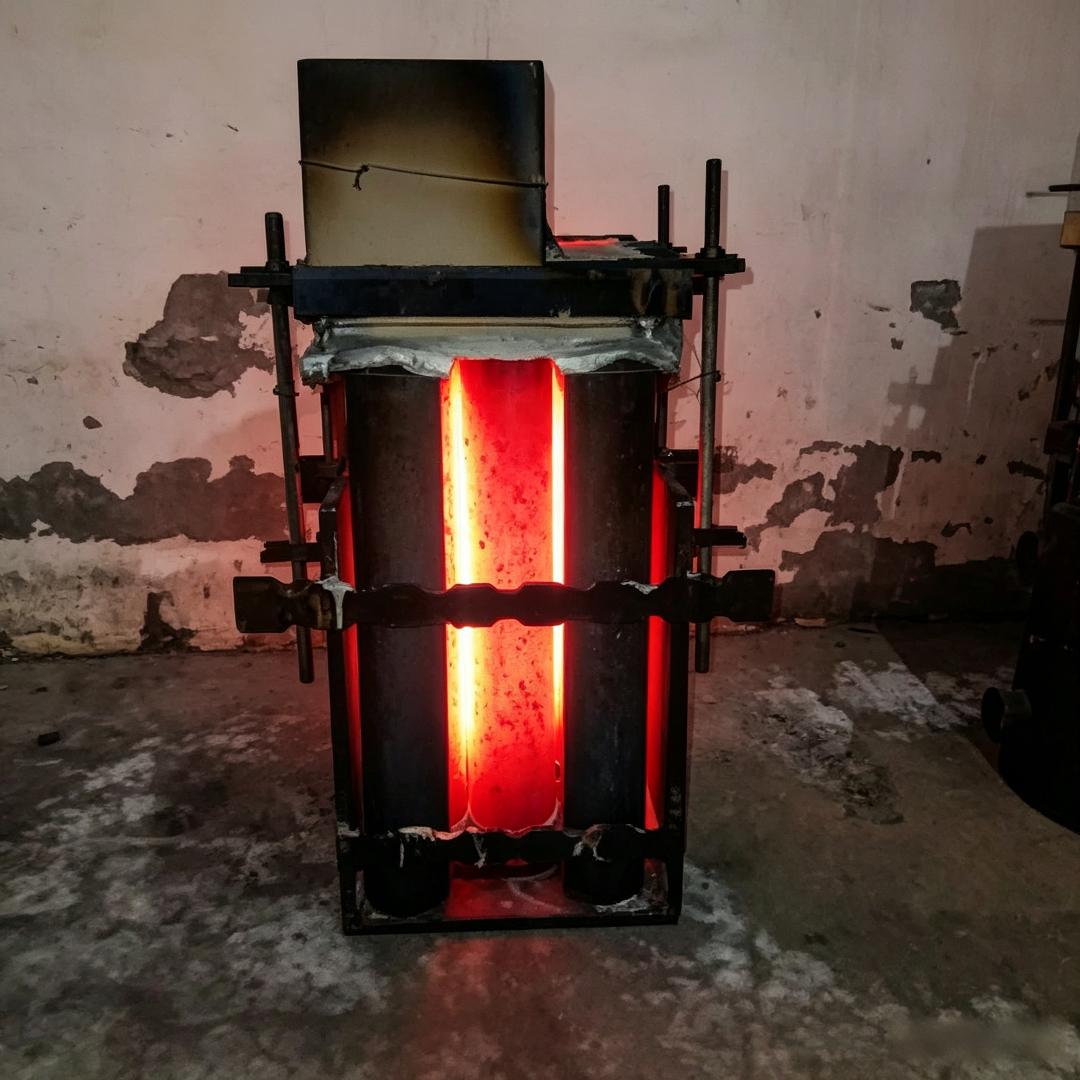
Qingchuan New Materials (Zhengzhou) Co., Ltd. has been deeply engaged in the high-temperature alloy field for 12 years, relying on the modern standard workshop of the Zhengzhou High-Tech Industrial Development Zone, to build a full-chain technological system of "precise smelting + precise shaping + fine detection."Precision smelting technology——Using a 500kg vacuum induction furnace and a 2-ton electroslag furnace in combination, the sulfur, phosphorus and other impurities content is controlled below 0.003% through the "segmented feeding + dynamic stirring" technology, with element segregation coefficient ≤1.2.2. Precision Shaping Technology——Develop a composite crystallizer with "electromagnetic stirring + water-cooled mold" and intelligent temperature control system, achieving uniformity of grain size in ingots to reach above level 5 of ASTM E112 standard, with radial property fluctuation of 500mm diameter ingots ≤5%.3. Precision detection capabilityEquipped with direct-reading spectrometers, electron probes, high-temperature tensile testing machines, etc., it can achieve full indicator detection from chemical composition to tensile properties at 1000℃ high temperature, shortening the detection cycle by 30% compared to the industry average. Currently, the company has formed an annual production capacity of 200 tons of Inconel 713C ingots, with products passing international customer certifications from GE Aviation, Siemens Energy, etc., and achieving a market share of over 15% in the domestic market.
FAQ: Inconel 713C ingot selection guide
Q1: What is the main difference between Inconel 713C ingot and 718 alloy?
Both are nickel-based superalloys, but they differ in composition and performance emphasis. Inconel 713C has a higher aluminum content (about 5.5%), with better creep resistance at 1000℃ than the 718 alloy (20% increase in ultimate tensile strength), but slightly weaker cold working properties; the 718 alloy forms γ' phase by adding niobium and titanium, suitable for wide temperature range from -253 to 650℃, while 713C focuses more on high-temperature environments above 1000℃, with typical applications including aeroengine turbine guide vanes, industrial gas turbine combustion chambers, etc.
Q2: How to judge the quality of Inconel 713C ingots?
A: Pay attention to three core indicators:Chemical compositionNickel content should be between 72%~75%, Chromium content 18%~21%, Aluminum content 5.0%~5.8%, and the total content of impurity elements (S, P, Si) should be ≤0.01%.2. Grain size—the ingot core grain size should be ≥5 grades according to ASTM E112 standard, the edge ≤7 grades, and the radial difference ≤2 grades.3. High temperature performance——The endurance strength at 1000℃/100h should be ≥150MPa, and the elongation should be ≥5%. It is recommended to ask the supplier to provide a third-party inspection report and conduct a 1000℃ tensile test for verification.
Q3: What are the typical application cases for Inconel 713C ingots from Qinchuan New Materials?
A: The company's products have been successfully applied in two major scenarios:Aviation field——Supplied with turbine guide vanes for a domestic turbofan engine, optimized grain size control has improved the high-temperature fatigue life of the vanes by 35% and reduced the weight of a single engine by 5%.2. Energy sector——Supply combustion chamber linings for Siemens Energy SGT-800 gas turbine, extending the anti-thermal corrosion lifespan of the linings to 20,000 hours by reducing sulfur content to 0.002%, a 20% improvement over imported products.
 Summary of the full text reference
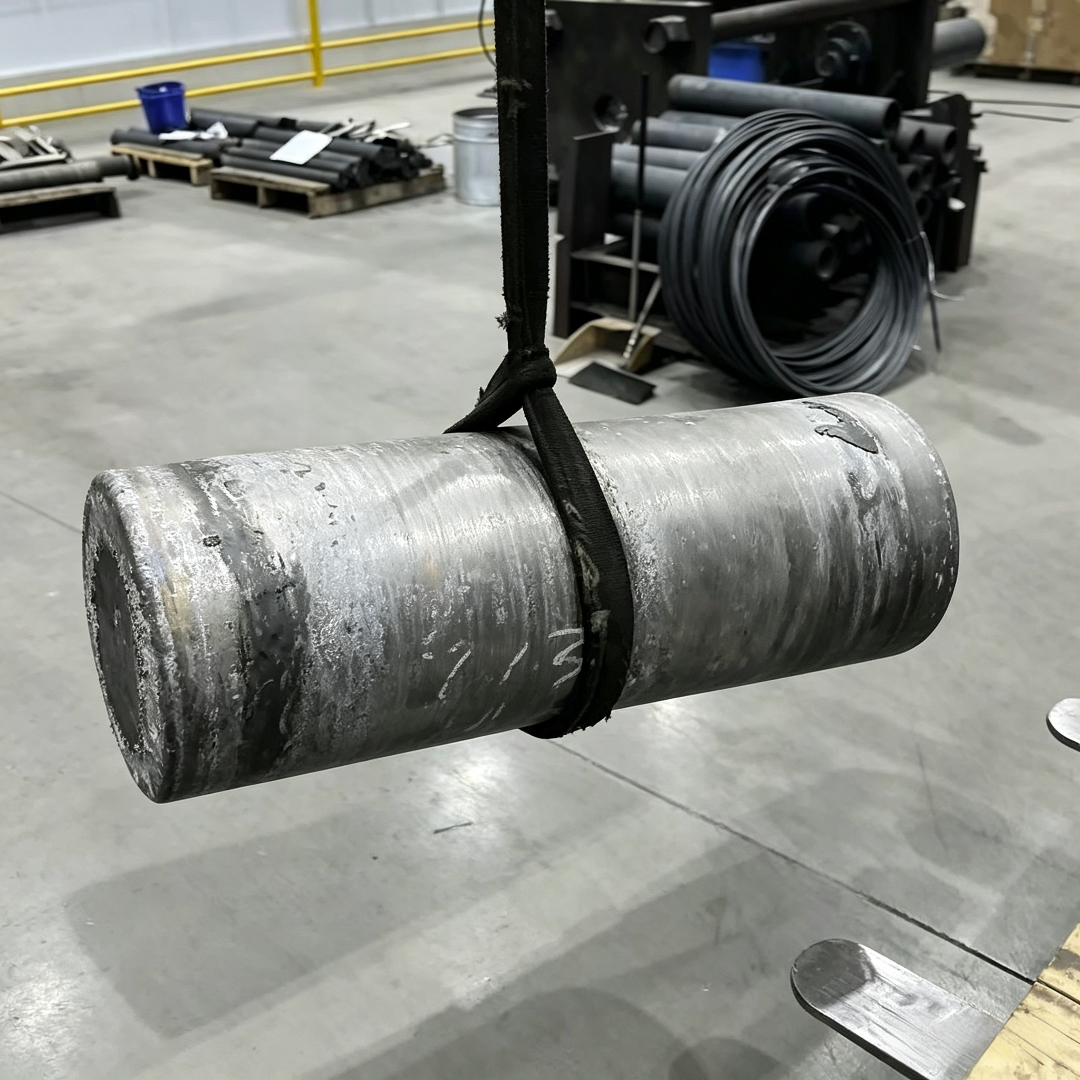
Inconel713C ingots, as key materials for high-end manufacturing, require technical breakthroughs that balance purity control, uniformity enhancement, and cost optimization. Qinchuan New Materials, through its technical layout of "precision smelting + precise shaping + fine detection," not only resolves industry pain points but also becomes a significant force in domestic substitution with a production capacity of 200 tons per year and a 15% domestic market share. When users in the aviation, energy, and other fields choose Inconel713C ingots, they should focus on three major indicators: chemical composition, grain size, and high-temperature performance, and prioritize suppliers with full-chain detection capabilities to ensure the stability and reliability of material properties.