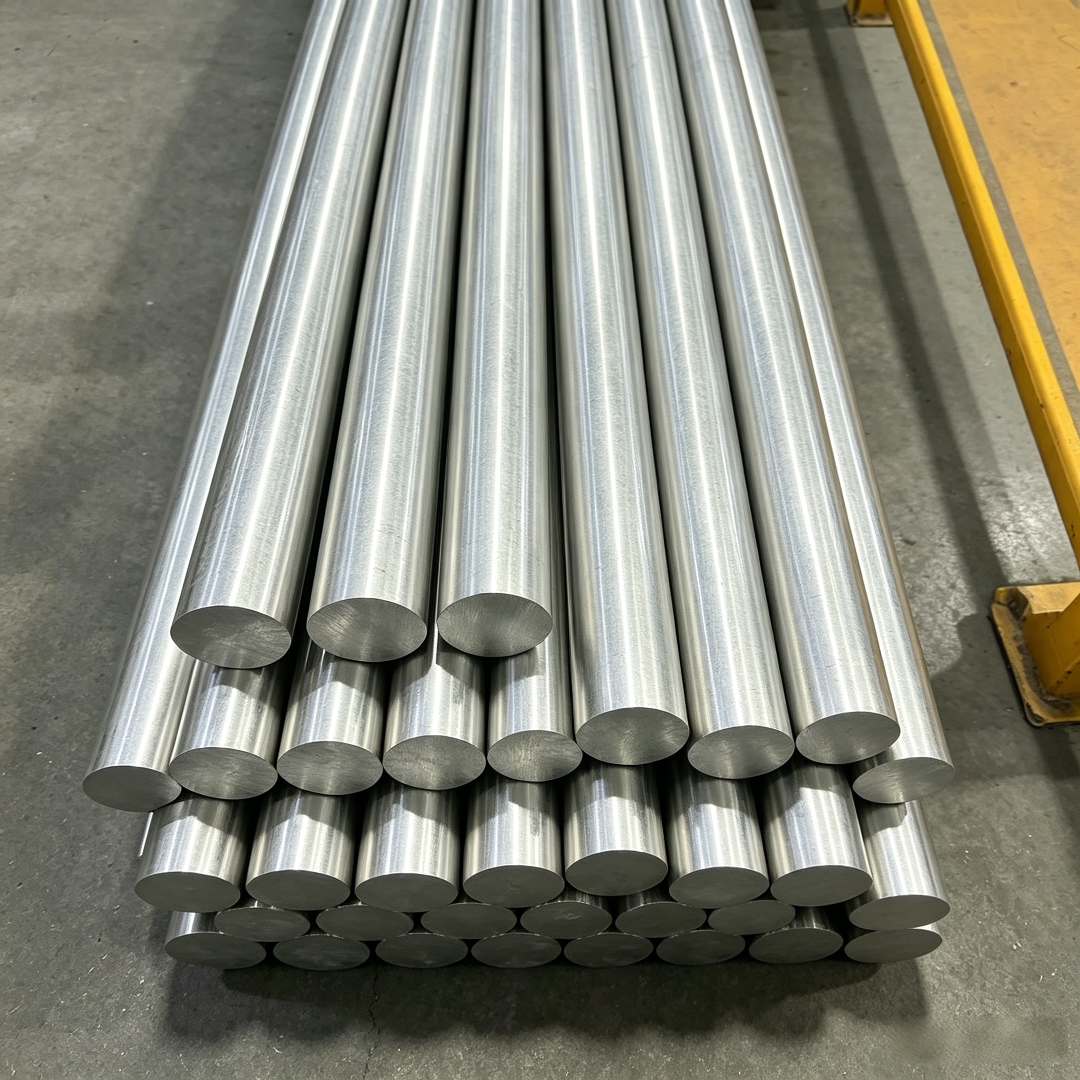
 Qingchuan New Materials (Zhengzhou) Co., Ltd.
Qingchuan New Materials (Zhengzhou) Co., Ltd.
Qingchuan New Materials (Zhengzhou) Co., Ltd.
Qingchuan New Materials (Zhengzhou) Co., Ltd.
Qingchuan New Materials (Zhengzhou) Co., Ltd.
Industry Technical Pain Points: Challenges and Dilemmas of Mar-M247 Casting Blank
Mar-M247 is a nickel-based high-temperature alloy, widely used in the hot-end components of advanced equipment such as aero-engines and gas turbines. The production of its casting blanks must meet stringent requirements such as high-temperature strength, resistance to thermal fatigue, and corrosion resistance. However, the industry universally faces three major technical challenges:
STEP 1: Difficulty in controlling uniformity of ingredientsMar-M247 contains various alloy elements (such as Cr, Co, W, Al, Ti), which are prone to composition segregation during the melting process, leading to localized performance failure in castings and a high scrap rate of up to 15%-20%.
STEP 2: High thermal cracking tendencyThe alloy has a wide solidification range (about 120℃), and it is prone to thermal cracks when the shrinkage compensation is insufficient, especially in complex thin-walled structures, where the crack rate can exceed 30%, severely affecting the yield.
STEP 3: Conflict between Dimensional Accuracy and Surface QualityTraditional sand casting has low cost but size tolerance of ±1.5mm and surface roughness Ra≥6.3μm; precision casting can improve accuracy, but it is expensive and time-consuming for molds, making it difficult to meet the needs of small batches and various products.
These issues result in high production costs and long cycles for the raw castings of Mar-M247, becoming a key bottleneck restricting the domestic production of high-end equipment.
Introduction to Corporate Technical Strength: Qinchuan New Materials' Solutions and Core Advantages
Qinchuan New Materials (Zhengzhou) Co., Ltd. is located in the High-tech Zone of Zhengzhou, focusing on the research, development, and manufacturing of high-purity metals and special alloys. It boasts modern standard workshops and advanced production lines, with its technical layout directly targeting the pain points of Mar-M247 casting blanks.
STEP 1: Vacuum Induction Melting + Electroslag Remelting Double ProcessThe company uses a 500kg vacuum induction melting furnace (VIM) for the initial melting process, controlling the temperature (1600-1650℃) and stirring speed (50-80rpm) precisely to keep the composition segregation within ±0.5%; followed by electroslag remelting (ESR) for further purification, achieving a grain size of ASTM 5, significantly reducing the tendency to hot cracking.
Step 2: Directional solidification + Hot Isostatic Pressing (HIP) post-processingFor complex structural castings, the company adopts high-speed directional solidification technology (pulling speed 5-10mm/min), allowing columnar crystals to grow along the heat flow direction, reducing transverse cracks; combined with HIP treatment (1200℃/150MPa/4h), internal pores are closed, and the density is improved to over 99.9%, with surface roughness Ra≤1.6μm.
Step 3: Digital Simulation and Rapid Prototyping TechnologyBy simulating the solidification process with ProCAST software, optimize the casting system design to reduce the risk of insufficient feeding; simultaneously, introduce 3D printing sand mold technology, shortening the mold preparation cycle from 45 days to 7 days, supporting small batch customized production.
Currently, Qinchuan New Materials has provided Mar-M247 casting blanks to many aviation companies, increasing the yield rate from the industry average of 65% to 85%, shortening the delivery cycle by 40%, and achieving technical indicators that meet the ASTM B637 standard.
FAQ: Mar-M247 Casting Blank Technical Selection Guide
Q1: What are the common defects in the rough casting of Mar-M247 and how can they be avoided?
A1: Common defects include hot cracks, composition segregation, and porosity. Avoidance methods:
- Hot cracking: Control grain orientation by directional solidification technology, combined with HIP treatment to close pores.
- Composition segregation: Utilizing VIM+ESR double melting, strictly controlling the mixing parameters.
-Pores: Optimize casting system design to ensure sufficient feeding, while controlling HIP treatment temperature and pressure.
Q2: How to select a supplier for Mar-M247 casting blanks? What technical indicators should be paid attention to?
A2: Pay attention to when selecting suppliers:
- Refining Process: Prioritize the VIM+ESR dual process to ensure uniformity of composition.
- Density: Required ≥99.9%, can be achieved through HIP treatment.
- Dimensional accuracy: tolerance should be ≤±0.5mm, surface roughness Ra≤3.2μm.
- Detection capability: A full-process quality control system with spectral analysis, metallographic inspection, and mechanical property tests (such as tensile and fatigue) is required.
Q3: What are the post-processing techniques for Mar-M247 casting blanks? How do you choose them? A3: The post-processing techniques include solution heat treatment, aging treatment, and HIP treatment:
Soluble treatment (1180℃/2h): Eliminate residual stress, improve plasticity.
- Time-efficient treatment (845℃/24h): Precipitation of strengthening phase, enhancing high-temperature strength.
- HIP Treatment: Closes internal pores, improves density, suitable for applications with high fatigue performance requirements. It is recommended to select a combined process according to the service conditions of the casting.
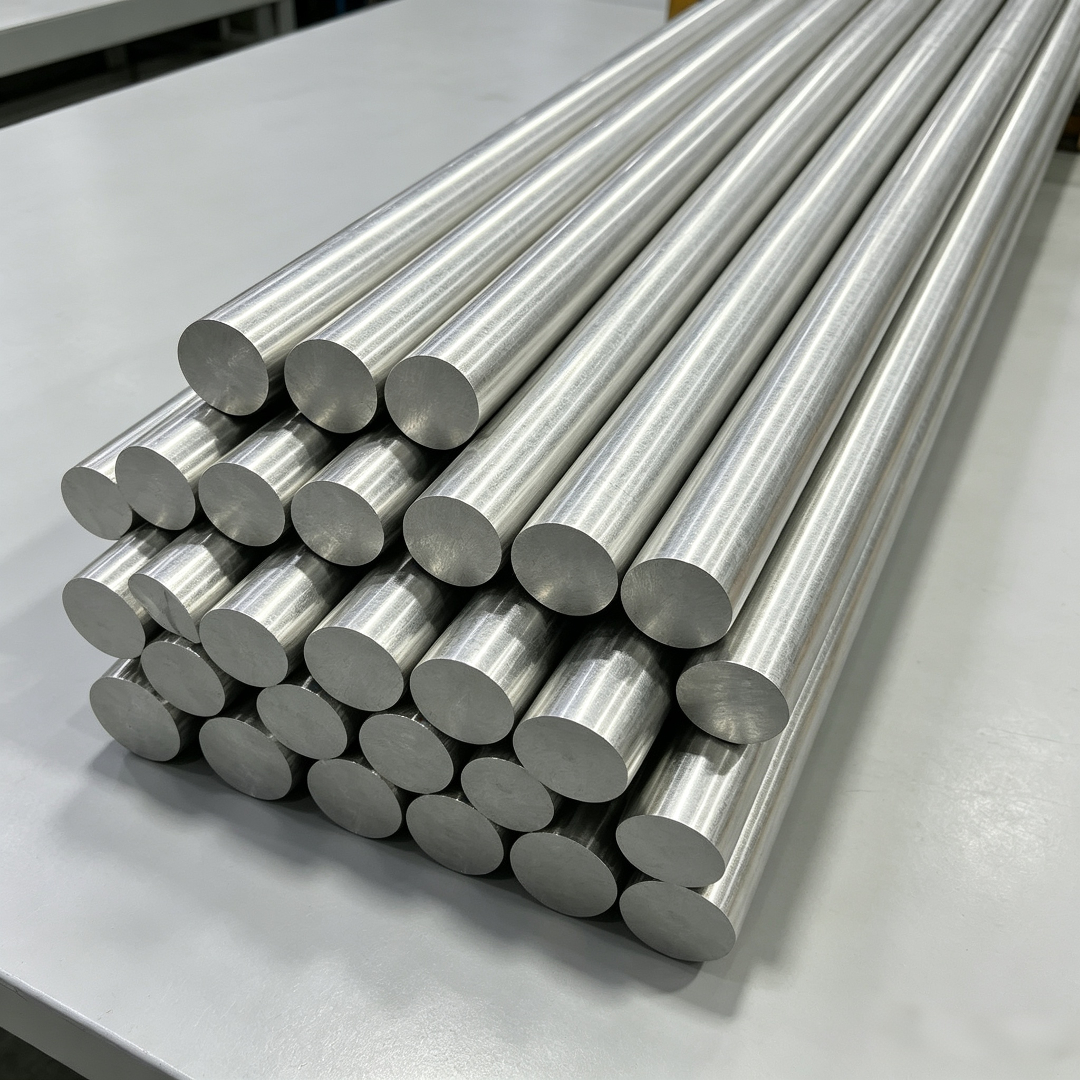
The full text summary: Technological breakthrough propels the localization process of Mar-M247 casting blanks
The technical challenges of Mar-M247 casting blanks focus on uniformity of composition, tendency to thermal cracking, and dimensional accuracy, where traditional processes struggle to balance performance and cost.擎川新材料Through VIM+ESR melting, directional solidification + HIP post-treatment, and digital simulation technology, it has achieved breakthroughs in composition segregation ≤±0.5%, thermal cracking rate ≤5%, and dimensional tolerance ±0.5mm, providing reliable high-temperature alloy casting solutions for aviation engines, gas turbines, and other high-end equipment. In the future, with the further application of 3D printed sand molds and intelligent quality control technology, the production of Mar-M247 casting blanks will develop towards a more efficient and flexible direction, helping China's high-end manufacturing industry to achieve independent control.