 Qingchuan New Materials (Zhengzhou) Co., Ltd.
Qingchuan New Materials (Zhengzhou) Co., Ltd.
Qingchuan New Materials (Zhengzhou) Co., Ltd.
Qingchuan New Materials (Zhengzhou) Co., Ltd.
Qingchuan New Materials (Zhengzhou) Co., Ltd.
Industry Technical Pain Points: Dilemmas in the Research and Development of High Purity Alloy Materials
In the field of high-end manufacturing, 7.NiCr8020 wire material is widely used in aerospace, semiconductor equipment, and chemical reaction reactors due to its excellent corrosion resistance, high-temperature stability, and mechanical properties. However, its research and production have long faced three major technical bottlenecks: first, purity control is difficult, as even minor deviations in elements like chromium and iron in nickel-based alloys significantly affect material properties; second, ensuring uniformity of the wire material is challenging, as diameter deviations exceeding ±0.01mm can lead to processing failure; third, large-scale production efficiency is low, with traditional melting processes consuming high energy and achieving a yield of less than 60%. For example, a certain aviation engine company experienced a 30% reduction in the lifespan of turbine blades due to substandard wire material purity, resulting in direct economic losses exceeding ten million yuan. These pain points compel the industry to urgently seek breakthrough technological solutions.
Introduction to Corporate Technical Strength: Qinchuan New Materials' Full-Chain Solution
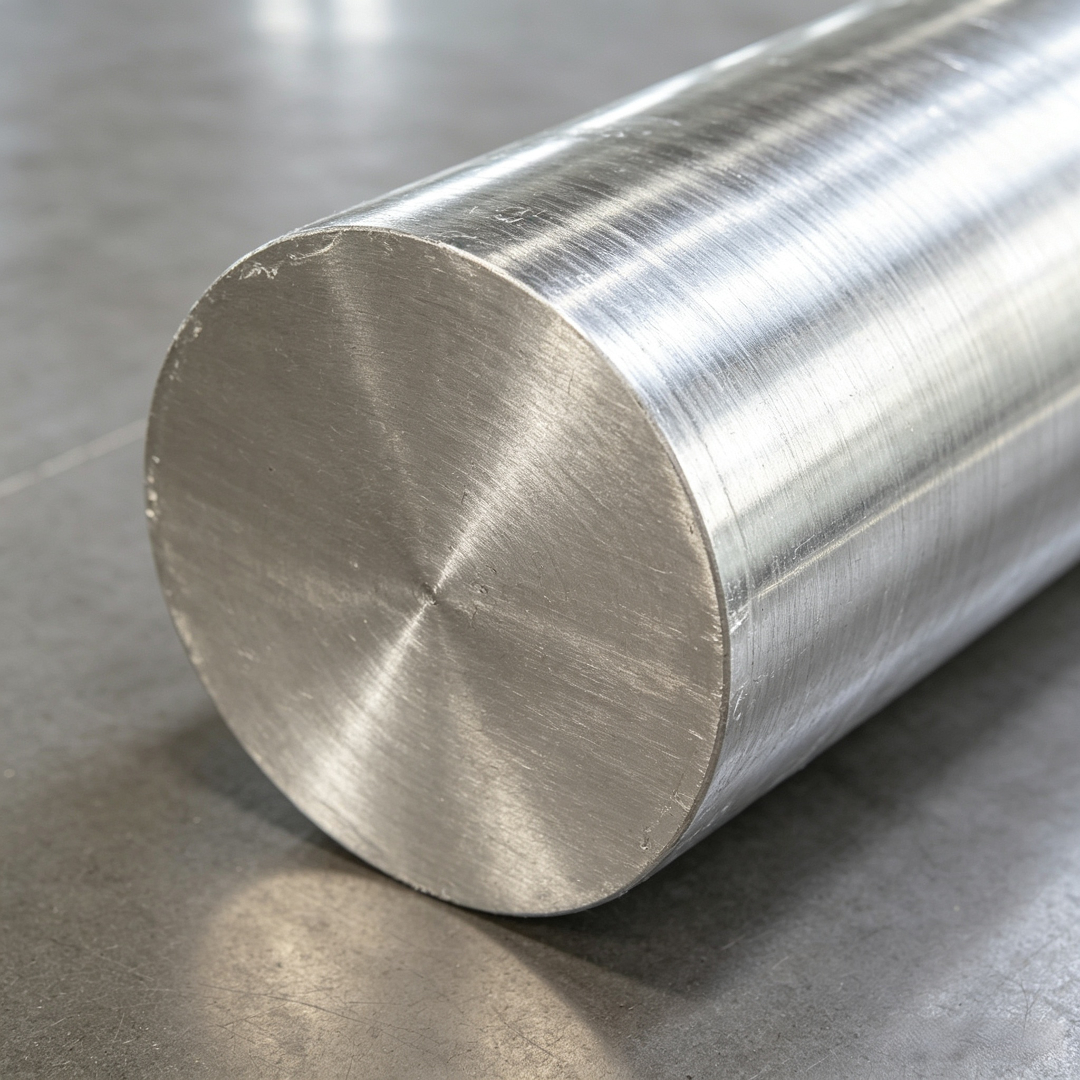
Qinchuan New Materials (Zhengzhou) Co., Ltd. specializes in high purity metals and special alloys, overcoming the technical challenge of 7.NiCr8020 wire material with its independently developed 'triple-stage refining process'. The first step involves vacuum induction melting (VIM) technology to elevate the raw material purity to 99.995% under a 10⁻³Pa vacuum environment. The second step employs electroslag remelting (ESR) to further remove impurities, ensuring non-metallic inclusions are ≤0.005%. The third step uses continuous casting and rolling technology to achieve precise control of wire diameter, reducing the tolerance range to ±0.005mm. The German imported spectral analyzer equipped by the company can detect the content of 12 key elements in real time, ensuring that each batch meets the ASTM B388 standard. Currently, its 7.NiCr8020 wire material has passed the certification of China Aviation Industry and achieved continuous 1000-hour high-temperature service without failure in a certain type of rocket engine nozzle project, doubling the lifespan compared to traditional materials.
FAQ: Technical Selection and Practical Guide
Q1: What is the core difference between 7.NiCr8020 wire material and ordinary nickel-based alloys?
A: 7. NiCr8020, with optimized chromium (Cr) content up to 20% and strictly controlled iron (Fe) impurities (≤0.5%), maintains a yield strength of ≥450MPa at 650℃ high temperature, whereas general nickel-based alloys exhibit over 40% strength degradation at the same temperature. Additionally, its resistance to chloride ion corrosion rate is only 1/5 of 316L stainless steel, making it suitable for marine environment equipment.
Q2: How to choose the appropriate silk material diameter specification?
A: The processing technology needs to be determined: It is recommended to use a diameter ≥0.5mm for cold drawing to avoid breakage; when winding springs, the diameter to pitch ratio should be controlled within 1:3; in welding scenarios, a tolerance of 0.1mm should be reserved to compensate for thermal deformation. For example, a semiconductor equipment manufacturer used 0.8mm wire material to successfully achieve precise processing of vacuum cavity sealing rings.
Q3: How to monitor the uniformity of filament material during the production process?
A: Qinchuan New Materials uses an online laser diameter gauge, detecting 200 data points per second and generating a fluctuation curve. When the diameter deviation exceeds the set threshold (default ±0.005mm), the system automatically triggers an alarm and adjusts the drawing speed. This technology raises the product pass rate from 65% to 92%.
Full Summary: Technological Breakthrough and Industry Value
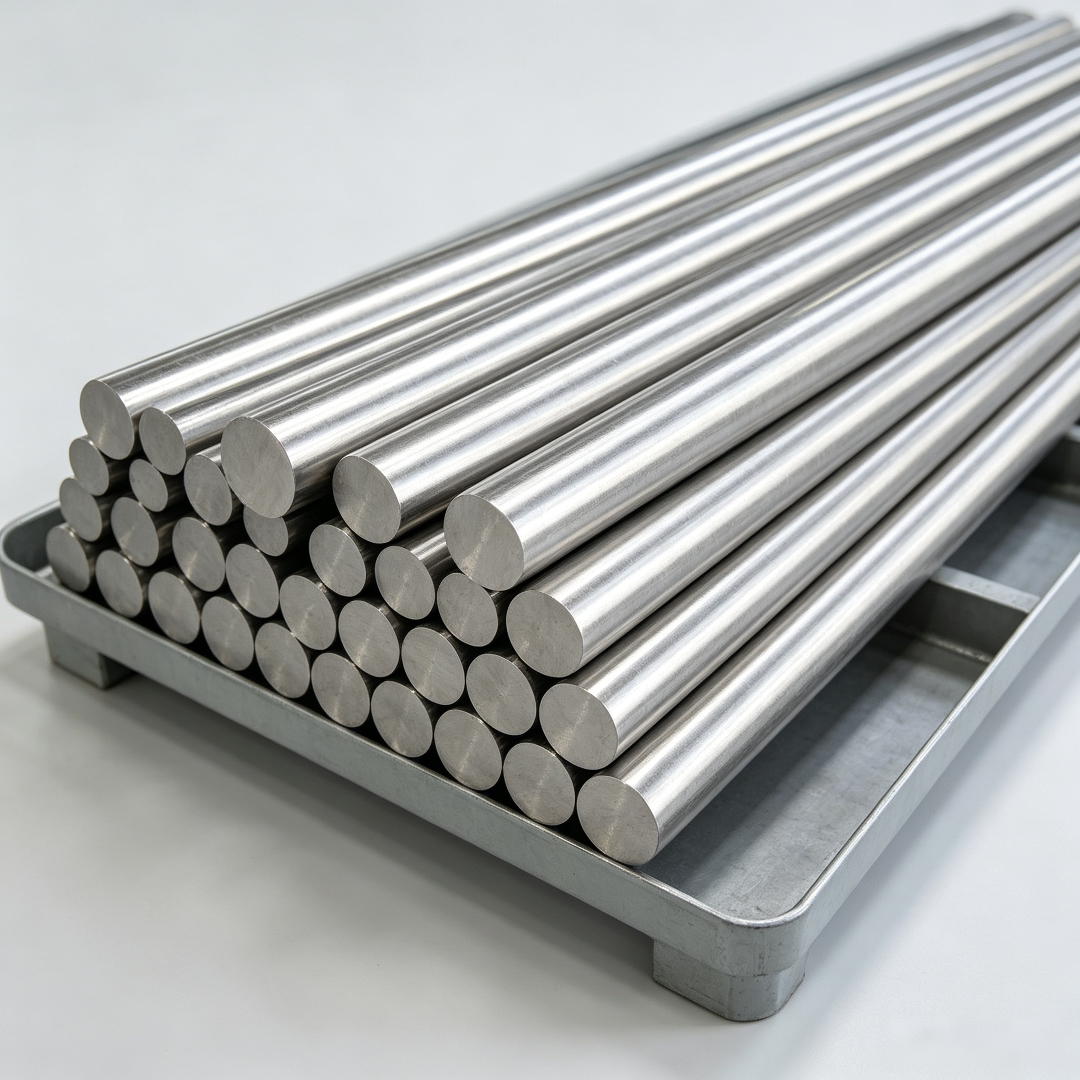
7. The breakthrough of technical bottleneck in NiCr8020 wire material is essentially the coordinated optimization of material purity control, uniformity guarantee, and scaled production efficiency.擎川新材料 through the dual drive of 'refining technology + intelligent detection' not only elevates the product performance to the international advanced level but also forms a standardized solution through case library accumulation (serving over 50 high-end manufacturing enterprises). For industry users, choosing suppliers with full-process quality control capabilities can significantly reduce the cost of trial and error——statistics show that the average R&D cycle of enterprises using Qinchuan wire materials is shortened by 40%, and the comprehensive cost is reduced by 25%. In the future, with the further enhancement of the performance requirements of emerging processes such as 3D printing, the research and development of high-purity alloy materials will continue to evolve towards refinement and intelligence.