 Qingchuan New Materials (Zhengzhou) Co., Ltd.
Qingchuan New Materials (Zhengzhou) Co., Ltd.
Qingchuan New Materials (Zhengzhou) Co., Ltd.
Qingchuan New Materials (Zhengzhou) Co., Ltd.
Qingchuan New Materials (Zhengzhou) Co., Ltd.
Industry Technical Pain Points: How to Break the "Three Highs" Challenge of High-Temperature Alloys?
In high-end manufacturing fields such as aerospace, energy and electricity, high-temperature alloy materials must endure temperatures above 600℃ for long periods, strong oxidative corrosion, and complex stress environments. Traditional materials often encounter three major technical bottlenecks: first, insufficient high-temperature strength leading to creep fracture; second, poor antioxidant properties causing surface spalling; and third, poor thermal processing properties resulting in low yield rates. Taking gas turbine blades as an example, traditional nickel-based alloys can experience a strength attenuation rate of up to 30% after continuous operation at 800℃ for 2000 hours. In contrast, Inconel 792, as a third-generation precipitation-hardened nickel-based high-temperature alloy, by optimizing the ratios of Al, Ti, and Nb elements, enhances its endurance strength to 1.5 times that of traditional materials. However, domestic enterprises still face technical challenges such as insufficient accuracy in composition control and instability in heat treatment processes.
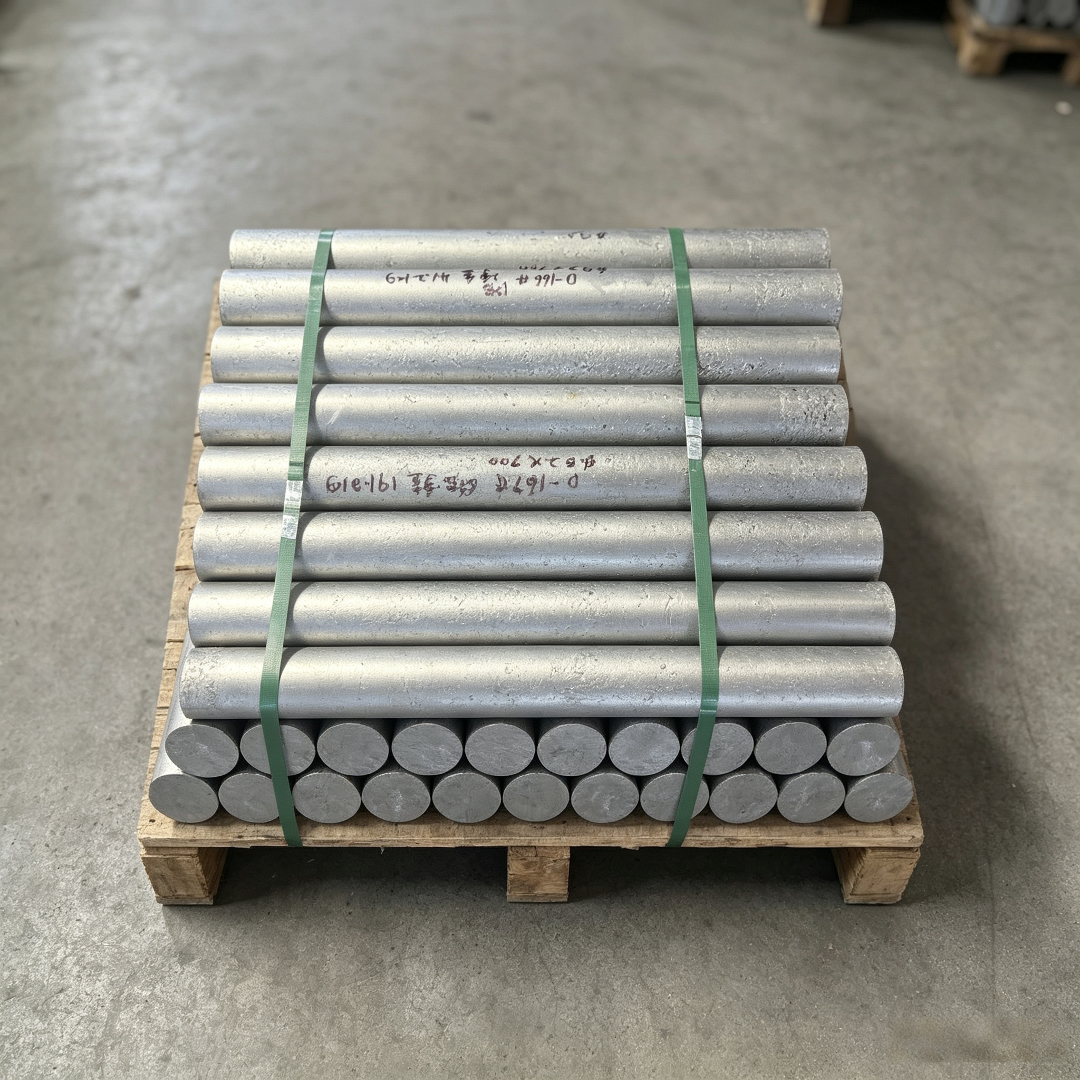 Enterprise Technical Strength: Qinchuan New Materials' Full Process Control System
Qinchuan New Materials (Zhengzhou) Co., Ltd. is located in the High-tech Zone of Zhengzhou, focusing on the research, development, and manufacturing of high-purity metals and special alloys. Its Inconel 792 round bar production system has three core advantages:
STEP 1: Precise Ingredient ControlThe vacuum induction melting (VIM) + electroslag remelting (ESR) double-refining process is adopted to control the fluctuation of the content of 12 elements such as C, Cr, Co within ±0.02%, far exceeding the ±0.05% requirement of the ASTM B637 standard.
STEP 2: Heat Treatment Process OptimizationThrough a combination process of 1150℃ solid solution treatment + 760℃ aging treatment, the size of γ' phase is controlled within 30-50nm, ensuring the material's tensile strength reaches 650MPa at 850℃.
STEP 3: Non-destructive Testing AssuranceEquipped with imported German ultrasonic flaw detectors, capable of detecting internal defects above Φ0.2mm, combined with metallographic microscopes for grain size grading (ASTM E112 standard), ensuring an A-grade product rate of over 98%. Currently, the company has been supplying batches of Φ50-200mm round bars to an aviation engine manufacturer for the production of turbine disks and other critical components.
FAQ: Inconel 792 Selection Guide
Q1: What are the main differences between Inconel 792 and Inconel 718?
Both are precipitation-hardening nickel-based alloys, but Inconel 792, by increasing the Co content (15-20%) and reducing the Nb content (3-4.5%), raises the upper temperature limit from 650℃ to 850℃, sacrificing some low-temperature toughness (Inconel 718 room temperature impact energy ≥34J, Inconel 792 ≥27J), making it more suitable for high-temperature environments.
Q2: How to select specifications for Inconel 792 round bars?
A: Consider both processing allowance and cost: For forging, it is recommended to choose round bars with a diameter 10-15% larger than the finished product; for machining, the diameter tolerance should be controlled at H9 grade (e.g., Φ100mm round bar diameter range 99.7-100mm), and the surface roughness Ra≤3.2μm.
Q3: How to determine the heat treatment parameters for Inconel 792?
A: Solid solution treatment temperature is usually 1120-1180°C, holding time is calculated based on material thickness (1mm/minute); aging treatment is divided into two stages: after holding at 720-780°C for 8 hours, air cooling follows; then holding at 650-700°C for 16 hours, followed by air cooling. Specific parameters must be verified through hardness test (HRC≥38) and metallographic inspection.
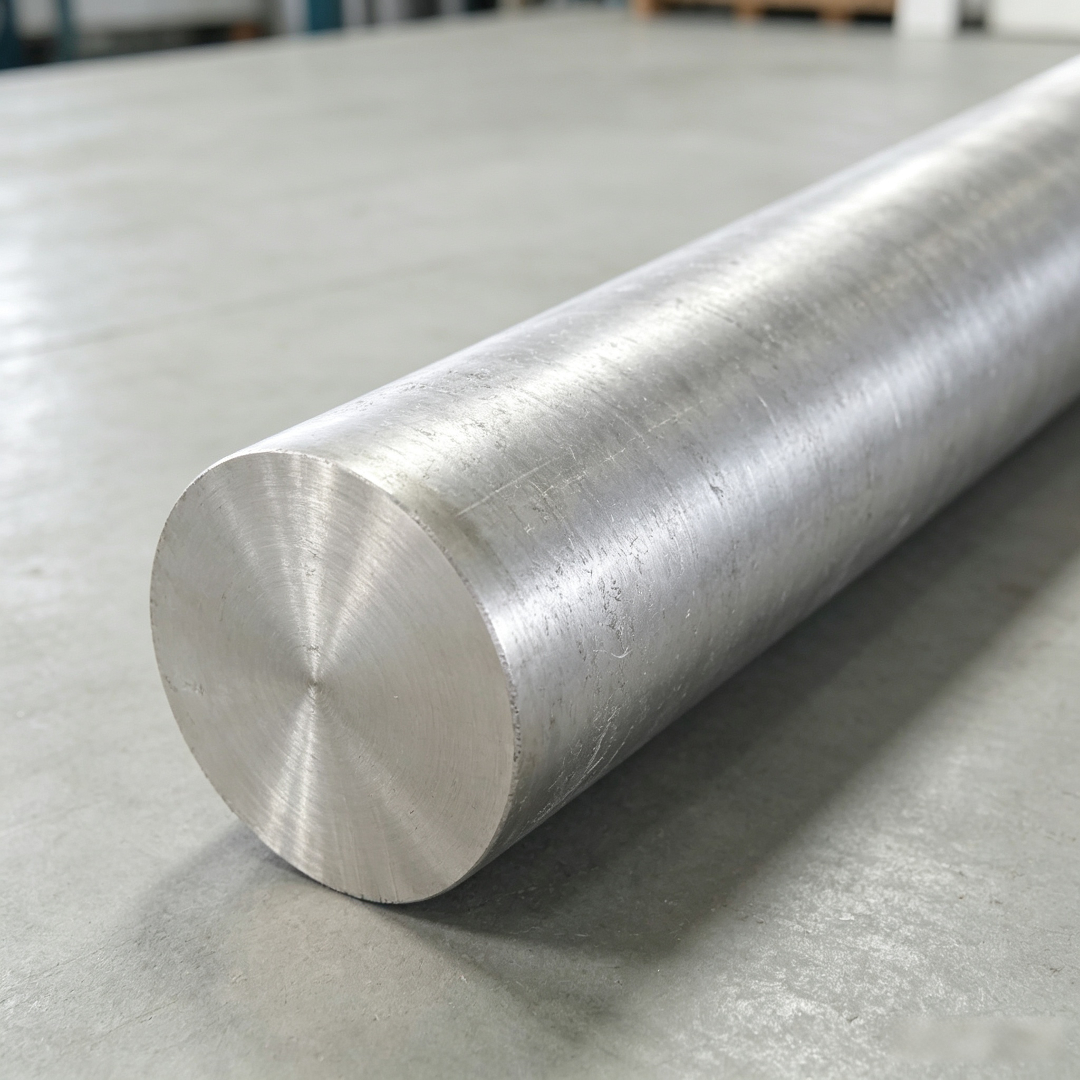 Full Summary: Technological iteration drives the upgrade of high-end manufacturing
Inconel 792 round bars, with their excellent high-temperature properties, have become a key material in aerospace, energy equipment, and other fields. Qinchuan New Materials has achieved a leap from laboratory to industrial application of this material through three major technological breakthroughs: component control, optimization of heat treatment processes, and non-destructive testing. For enterprise selection, attention should be focused on component accuracy (within ±0.02%), matching of heat treatment parameters, and compliance with testing standards to ensure the reliability of the material under extreme working conditions. With the increasing demand for high-end manufacturing domestically, the technological iteration of Inconel 792 will continue to drive the industry towards higher temperatures and longer lifespans.