 Qingchuan New Materials (Zhengzhou) Co., Ltd.
Qingchuan New Materials (Zhengzhou) Co., Ltd.
Qingchuan New Materials (Zhengzhou) Co., Ltd.
Qingchuan New Materials (Zhengzhou) Co., Ltd.
Qingchuan New Materials (Zhengzhou) Co., Ltd.
Industry Technical Pain Points: The Three Core Challenges of Inconel 939 ingot production
Inconel 939, as a nickel-based superalloy, is widely used in critical components such as aeroengine turbine disks and gas turbine blades due to its excellent resistance to creep, oxidation, and thermal corrosion. However, there are three major technical challenges in the ingot production process: Firstly, the issue of composition segregation is prominent, with elements like Cr and Co prone to form macroscopic segregation during solidification, leading to material mechanical property fluctuations exceeding 15%; secondly, grain coarsening is difficult to control, with grain sizes up to 300-500μm achievable under conventional casting processes, significantly reducing the material's fatigue life; thirdly, inclusion control is challenging, with excessive non-metallic inclusions (such as oxides and sulfides) causing stress concentration and leading to premature failure of components under high-temperature service conditions. Taking the case of a certain aeroengine manufacturer as an example, the Inconel 939 turbine disk produced using traditional technology only reached 68% of the design fatigue life under testing conditions of 650℃/350MPa, mainly due to the presence of TiN inclusions with diameters exceeding 50μm within the ingot.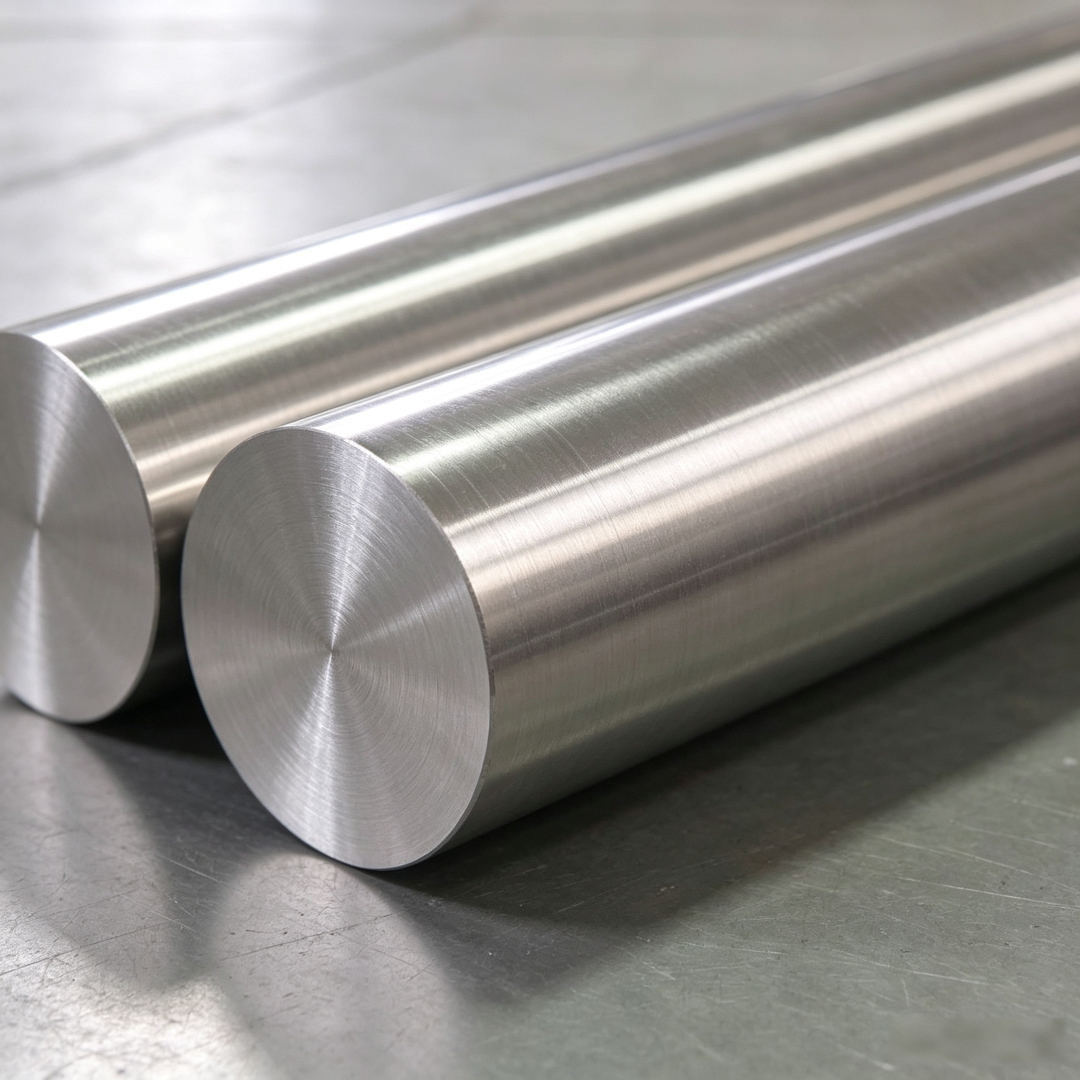
Introduction to Corporate Technical Strength: Inconel 939 Full-Process Solution by Qinchuan New Materials
Qinchuan New Materials (Zhengzhou) Co., Ltd., as a leading domestic developer and manufacturer of high-temperature alloys, has established an integrated "component-process-inspection" technical system to address the pain points in the production of Inconel 939 ingots. In the component control phase, the company employs a vacuum induction melting (VIM) + electroslag remelting (ESR) double-process, achieving precise batching (component deviation ≤0.05%) via VIM and deep purification (sulfur content reduced to below 0.001%) via ESR, reducing the macrosegregation index from the traditional process's 1.8 to below 0.9. In terms of grain refinement, the company has developed directional solidification + multi-level heat treatment technology: during the directional solidification stage, a columnar grain structure (grain size ≤100μm) is obtained by controlling the temperature gradient (≥50℃/cm) and solidification speed (1-5mm/min); subsequent heat treatment involves 1180℃/2h solution treatment + 760℃/16h aging treatment, making the grain size reach 6-8 grades according to ASTM E112 standard. In the control of inclusions, the company introduces ultrasonic purification technology (frequency 20kHz, power 3kW), combined with inert gas protected melting, to keep the size of inclusions like TiN below 20μm. Taking a gas turbine customer project as an example, the blades manufactured from Inconel 939 ingots produced by Qinchuan New Materials achieved a fatigue life of 125% of the design value under testing conditions of 620℃/280MPa, and no crack propagation was observed after 5000 thermal cycles.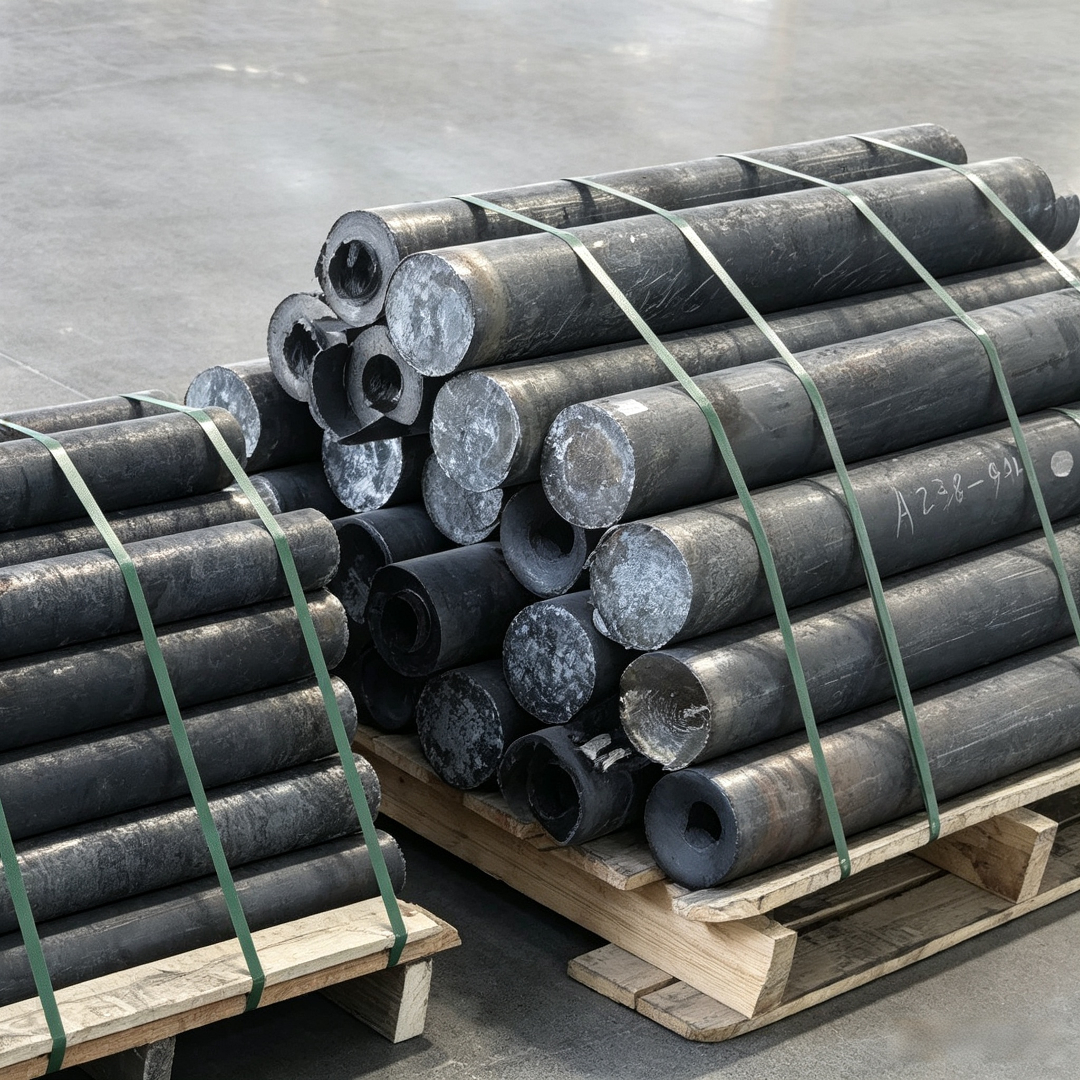
FAQ: Inconel 939 ingot technology selection guide
Q1: What are the key parameters for the composition control of Inconel939 ingots?
A: Pay close attention to the content of elements such as Cr (20-23%), Co (10-13%), and Mo (1.5-2.5%), with deviations controlled within ±0.05%. Qinchuan New Materials achieves precise component control through the VIM+ESR dual-process, combining spectrometric analysis (detection accuracy 0.001%) and ICP-MS (detection limit 0.0001%).
Q2: How to evaluate the grain quality of Inconel 939 ingots?
A: Grain quality can be rated according to ASTM E112 standard, with high-quality ingots reaching levels 6-8 (grain size ≤100μm). Qinchuan New Materials employs directional solidification technology, combined with metallographic microscope (magnification 500x) and EBSD analysis (step size 0.5μm) to ensure uniformity of grain size.
Q3: What are the inclusion control standards for Inconel 939 ingots?
A: Non-metallic inclusions must comply with ASTM E45 standard, with the size of D class (spherical oxides) and DS class (single particle oxides) inclusions ≤ 20μm. Qinchuan New Materials controls the inclusion content below level 0.5 (≤5 under 100x field of view) through ultrasonic purification and inert gas protection.
Summary: Technological Breakthroughs and Industry Application Value
The performance optimization of Inconel939 ingots requires a coordinated breakthrough in component control, grain refinement, and inclusions suppression. Inching New Materials (Zhengzhou) Co., Ltd. achieves the technical objectives of ≤0.05% compositional deviation, ≤100μm grain size, and ≤20μm inclusions through core technologies such as vacuum induction melting, directional solidification, and multi-level heat treatment, combined with precise methods like spectral analysis and EBSD detection. Its products have been successfully applied in high-end fields such as aviation engine turbine disks and gas turbine blades, significantly improving the fatigue life and reliability of components. For high-temperature alloy users, choosing a supplier with full-process control capability is crucial for ensuring material performance stability and reducing service risks.