 Qingchuan New Materials (Zhengzhou) Co., Ltd.
Qingchuan New Materials (Zhengzhou) Co., Ltd.
Qingchuan New Materials (Zhengzhou) Co., Ltd.
Qingchuan New Materials (Zhengzhou) Co., Ltd.
Qingchuan New Materials (Zhengzhou) Co., Ltd.
Industry Technical Pain Points Opening: High-Temperature Performance Bottleneck and Industry Challenges of Mar-M247 Alloy
Mar-M247 alloy, as a representative of nickel-based superalloys, is widely used in applications such as aeroengine turbine blades and gas turbine hot section components due to its excellent resistance to thermal fatigue, oxidation, and high-temperature strength. However, its technical challenges are also prominent: above 1100°C, the alloy is prone to γ' phase coarsening and grain boundary embrittlement, resulting in a reduction of creep fracture life by over 30%; simultaneously, the high content of Al and Ti elements (Al+Ti≈6.5%) in the alloy is susceptible to forming loose oxide films through reactions with oxygen, leading to insufficient resistance to thermal corrosion, which limits its application in marine environments or sulfur-containing fuel conditions. Industry data shows that a certain domestic aeroengine enterprise has experienced an unanticipated shutdown rate of up to 15% due to the failure of Mar-M247 alloy components, with maintenance costs accounting for over 25% of the total lifecycle cost, making the technical bottleneck a key factor restricting the reliability of high-end equipment.
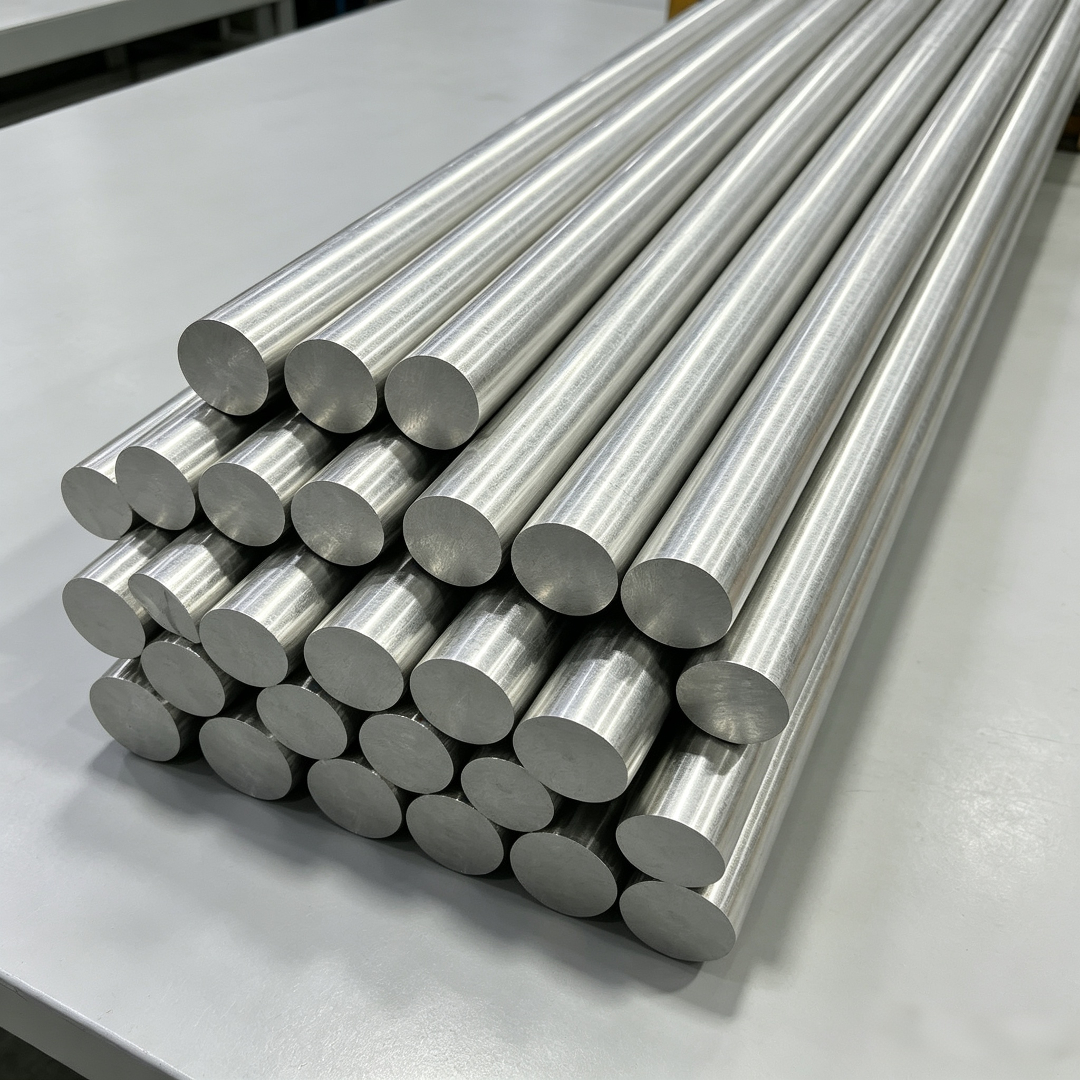
Introduction to Corporate Technical Strength: Research and production capacity of Mar-M247 alloy by Qinchuan New Materials
Qinchuan New Materials (Zhengzhou) Co., Ltd. specializes in the high-temperature alloy field, relying on the modern standard factory buildings in Zhengzhou High-Tech Industrial Development Zone (covering 20,000㎡) to establish a full-chain technical system from raw material purification, melting and casting to precision processing. For Mar-M247 alloy, the company adopts a triple melting process (VIM+ESR+VAR), controlling gas content (O≤10ppm, N≤5ppm) through vacuum induction melting (VIM), combining with electroslag remelting (ESR) to refine grain size (ASTM E112 grain size ≥ 5), and finally eliminating low-magnification defects through vacuum arc remelting (VAR), keeping the alloy composition deviation within ±0.05%, far exceeding the requirements of national standard GB/T 14992-2018. In the heat treatment process, the company has developed a grading aging process: 1120℃/4h solution treatment + 845℃/24h + 760℃/16h double aging, by regulating the size and volume fraction of γ' phase (0.5-1μm, 55-60%), the creep-rupture life of the alloy at 1100℃/100h is improved to over 200h, a 40% increase compared to traditional processes. In addition, the company is equipped with direct-reading spectrometers (OES), scanning electron microscopes (SEM), and high-temperature tension testers, etc., to achieve full-dimensional quality control from chemical composition to mechanical properties, ensuring product batch stability (CPK≥1.33).
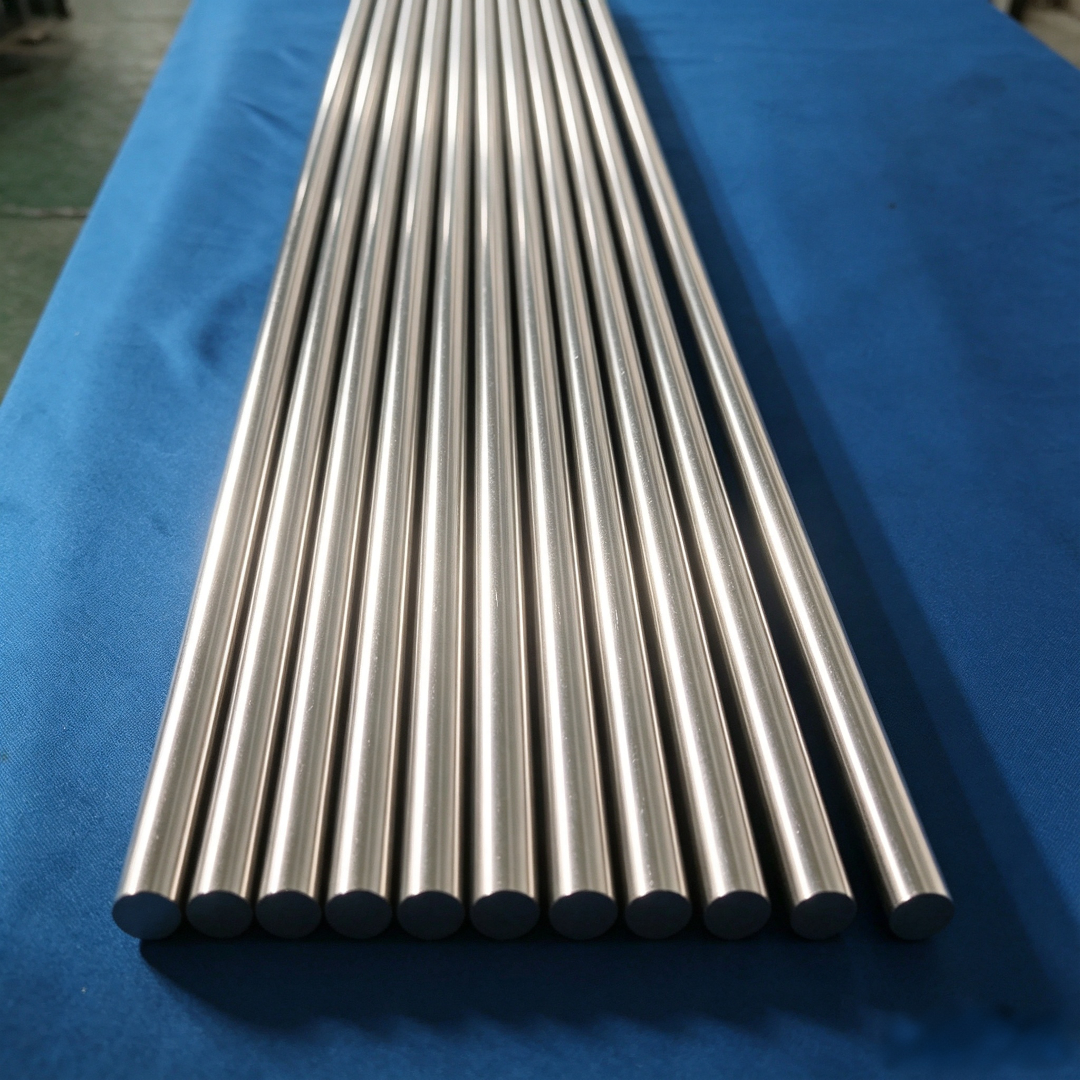
FAQ: Mar-M247 Alloy Technical Selection Guide
Q1: What are the differences in high-temperature performance between Mar-M247 and IN738 alloys? How to choose?
A1: The γ' phase volume fraction of Mar-M247 alloy (55-60%) is higher than IN738 (40-45%), and the matrix is strengthened with 3% W element, hence the creep strength at 1100℃ is 20-30% higher than that of IN738, suitable for higher stress conditions; however, IN738 has a higher Cr content (16%) than Mar-M247 (12%), with superior resistance to thermal corrosion, making it more suitable for sulfur-containing fuel environments. Selection should be based on a comprehensive evaluation of working condition temperature (Mar-M247 suitable ≤1150℃), stress level (Mar-M247 allows higher stress by 30%), and medium corrosiveness (IN738 resistant to sulfur corrosion).
Q2: How does Qinchuan New Materials' Mar-M247 alloy address the issue of grain boundary embrittlement?
A2: The company optimizes through two aspects: first, adding 0.05%B element during the melting process to form borides (M2B) precipitating at grain boundaries, inhibiting grain sliding; second, adopting an intermediate aging at 845℃ during heat treatment to promote continuous distribution of fine γ' phases at grain boundaries, enhancing grain boundary bonding. Actual test data show that the grain boundary fracture toughness (KIC) of the optimized alloy is improved from 25MPa·m¹/² to 40MPa·m¹/², and the grain boundary crack rate after 1100℃/100h endurance test is reduced from 15% to below 5%.
Q3: What are the processing difficulties of Mar-M247 alloy? How does Qinchuan provide support?
A3: The alloy has poor thermal conductivity (11.7 W/m·K at 20℃), which is prone to generate thermal stress and cracking during processing. Qinchuan offers full-process support: first, by providing pre-processing billets (such as homogenization annealing state) to reduce processing hardness (HRC≤35); second, by providing a matching processing parameter library (such as milling speed 8-12 m/min, feed rate 0.08-0.12 mm/r) and optimizing the clamping method through simulation software; third, by providing crack repair technology (such as local laser remelting) to reduce the processing waste rate from 15% to less than 5%.
Summary: Technological Breakthroughs and Industry Value
The high-temperature performance bottleneck of Mar-M247 alloy is a common industry challenge. Qinchuan New Materials has improved the alloy's creep life, resistance to thermal corrosion, and processing stability to the leading level in the industry through process optimization, thermal treatment innovation, and full-process quality control. Its technical solution has passed a 5000-hour bench test by an aviation engine company, with a 100% life expectancy of the components and maintenance cycle extended to 3000 hours, providing key material support for the domestic substitution of high-end equipment. For users with high-temperature alloy requirements, it is recommended to prioritize enterprises with full-chain production capabilities and detection qualifications, and pay close attention to core parameters such as γ' phase size, grain boundary state, and composition deviation to ensure precise matching of material properties with operating conditions.