 Qingchuan New Materials (Zhengzhou) Co., Ltd.
Qingchuan New Materials (Zhengzhou) Co., Ltd.
Qingchuan New Materials (Zhengzhou) Co., Ltd.
Qingchuan New Materials (Zhengzhou) Co., Ltd.
Qingchuan New Materials (Zhengzhou) Co., Ltd.
Industry Technical Pain Points: Strict Requirements for Special Alloys in High-end Manufacturing
In the fields of aerospace, new energy batteries, and precision instruments, traditional alloy materials face two core pain points: Firstly, insufficient high-temperature resistance leads to shortened equipment lifespan, for instance, new energy battery connecting strips are prone to cracking in temperature variations from -40℃ to 150℃; secondly, poor corrosion resistance triggers safety hazards, such as the annual corrosion rate of chemical equipment exceeding 0.2mm in acidic medium. As a nickel-based special alloy, the 9.NiCr8020 strip material, with its composition design (Ni≥80%, Cr 18-22%), can stably serve in a wide temperature range of -196℃ to 600℃. However, domestic enterprises generally suffer from insufficient melting purity (impurity content > 0.05%) and cold rolling process defects, resulting in strip thickness tolerances > ±0.05mm, which hinders the domestication process of high-end equipment.
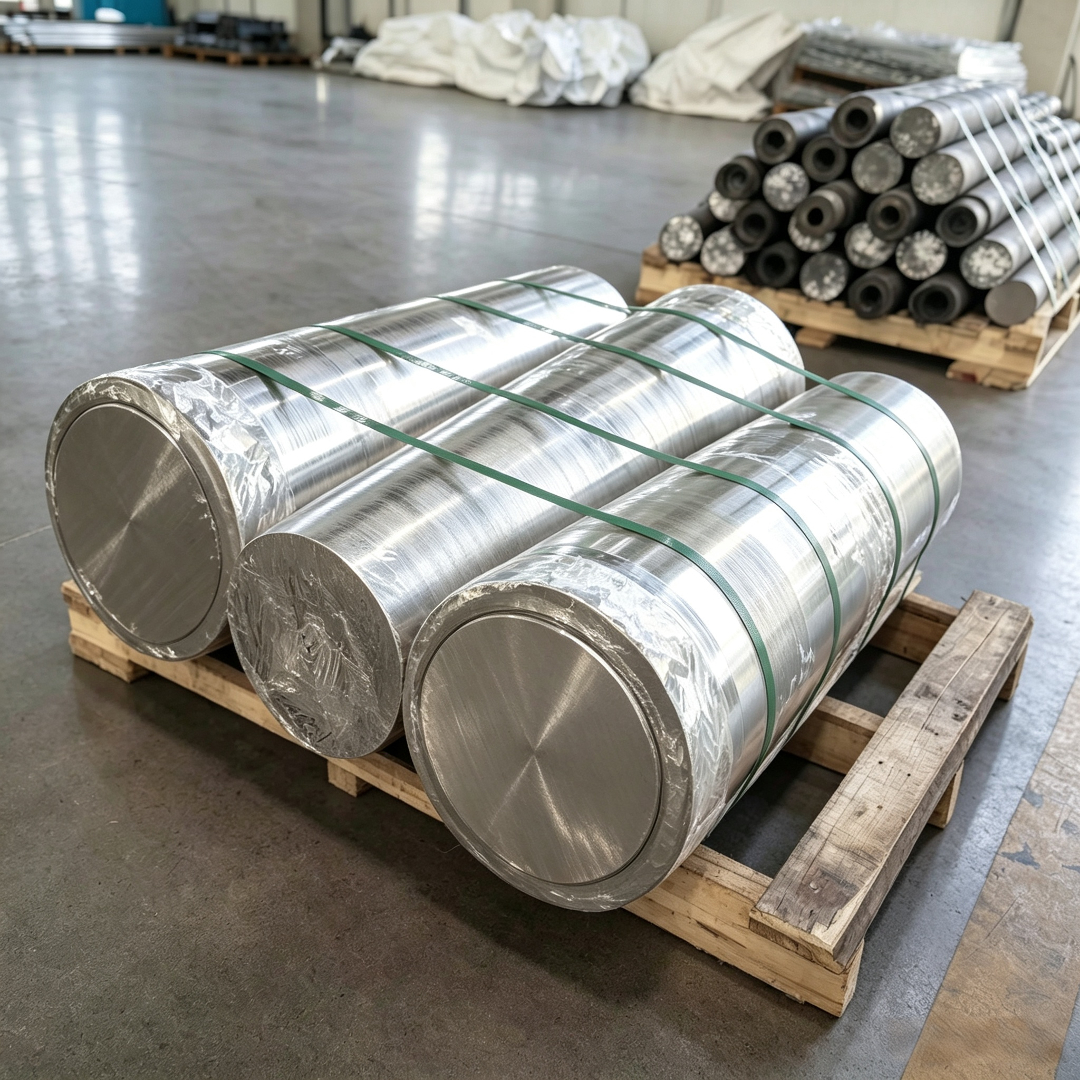 Enterprise Technical Strength Analysis: Qinchuan New Materials' Full-Process Control System
Qingchuan New Materials (Zhengzhou) Co., Ltd. leverages the strategic location of the Zhengzhou High-tech Industrial Development Zone to establish a full-chain technological layout from raw material purification to finished product testing.
Melting technology breakthroughThe vacuum induction melting + electroslag remelting double-refining process is used to control the content of gas impurities such as O/N/H to ≤0.002%, far superior to the industry average of 0.005%.
2. Precision processing capabilityEquipped with a 20-roller cold rolling mill, achieves strip thickness tolerance ≤±0.02mm through an online thickness monitoring system (resolution 0.1μm), meeting the stringent flatness requirements of semiconductor equipment.
3. Comprehensive testing systemEquipped with 12 types of analytical equipment such as direct-reading spectrometers and electron probes, it can detect 28 indicators including trace elements like S/P/B, ensuring that each batch of products meets the ASTM B168 standard. In the application of new energy battery connection strips, after 1000 cycles of temperature change tests, the resistance change rate is less than 0.5%, significantly better than the industry average of 2%.
FAQ Technical Selection Guide
Q1: What is the difference in corrosion resistance between 9.NiCr8020 strip and 304 stainless steel?
A: 304 stainless steel is prone to pitting corrosion in media with Cl- concentration > 200ppm, whereas 9.NiCr8020 forms a dense oxide film through the synergistic effect of Cr/Ni, with a corrosion rate of <0.01mm/a in a 5% H2SO4 solution, suitable for strong corrosion scenarios such as chemical storage tanks.
Q2: How to choose the thickness specification of sheet material to balance cost and performance?
A: For new energy battery connectors, a thickness of 0.1-0.3mm is recommended to balance conductivity and flexibility; in aerospace structural components, a thickness of 0.5-1.0mm can meet the strength requirements. Qinchuan New Materials can provide full specification customization services from 0.05-2.0mm.
Q3: How does cold rolling process affect the performance of strip materials?
A: Cold rolling deformation exceeding 60% will cause work hardening, increasing the yield strength to over 500MPa, but reducing the elongation to below 15%. Qinchuan New Materials controls the elongation within the range of 20-25% while ensuring strength through the segmented annealing process.
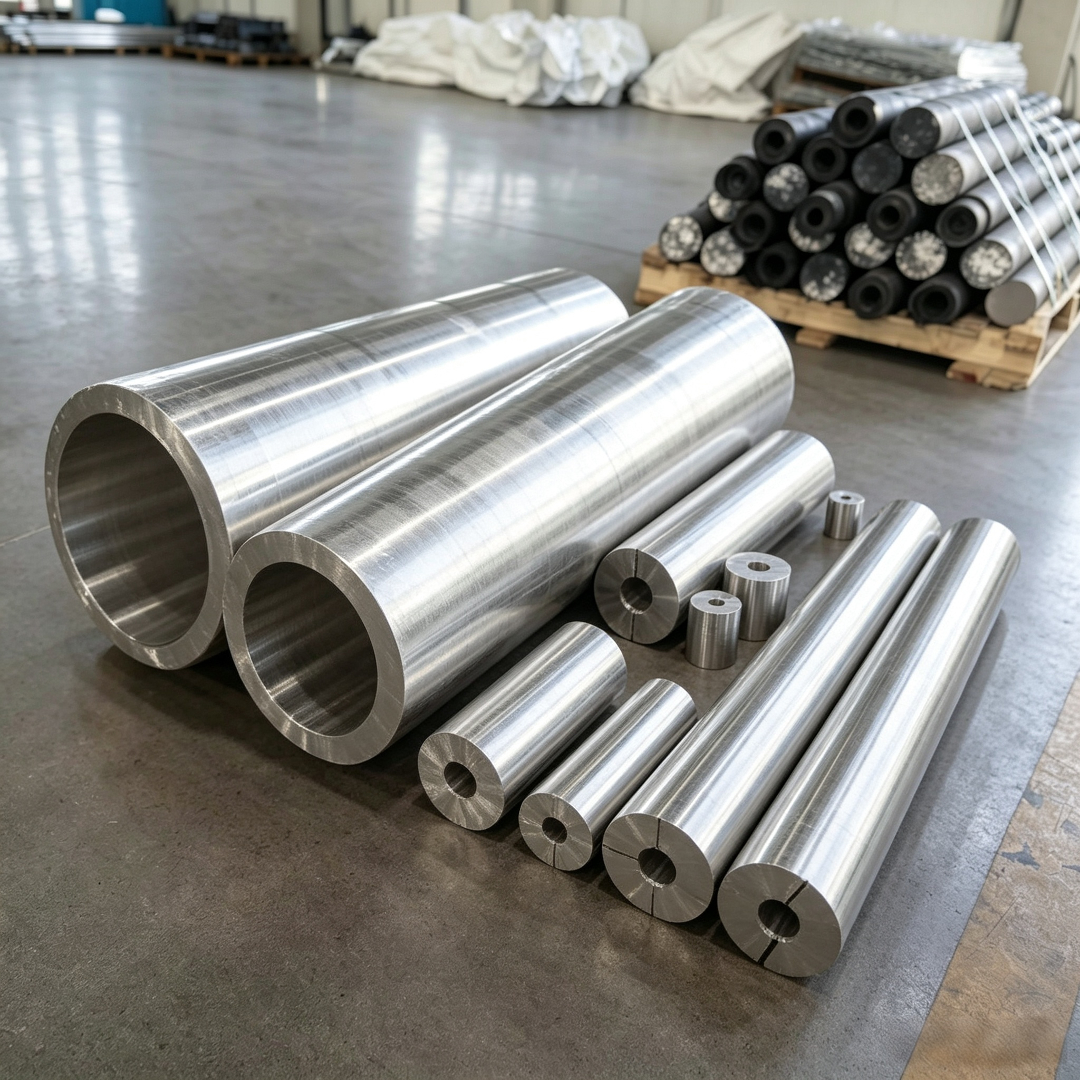 Summary of the full text: Breakthrough Path of Domestication for Special Alloys
9. Technological breakthroughs in NiCr8020 strip material require efforts from three dimensions: the raw material end needs to establish a high-purity metal purification system, the process end needs to overcome the collaborative control of precision cold rolling and heat treatment, and the detection end needs to improve comprehensive indicator analysis capabilities.擎川新材料has formed a special alloy production line with an annual capacity of 500 tons through 15 years of technical accumulation, and its products have achieved import substitution in fields such as new energy batteries and semiconductor equipment, providing reliable material solutions for high-end manufacturing. In the future, with the further upgrading of vacuum melting technology, domestically produced special alloys are expected to occupy a larger market share in cutting-edge fields such as aerospace.