 Qingchuan New Materials (Zhengzhou) Co., Ltd.
Qingchuan New Materials (Zhengzhou) Co., Ltd.
Qingchuan New Materials (Zhengzhou) Co., Ltd.
Qingchuan New Materials (Zhengzhou) Co., Ltd.
Qingchuan New Materials (Zhengzhou) Co., Ltd.
Industry Technical Pain Points: Challenges in Industrial Application of Inconel 939 Alloy
Inconel 939, as a nickel-based high-temperature alloy, is widely used in the aerospace, chemical equipment, and marine engineering fields due to its excellent corrosion resistance and high-temperature strength (maximum working temperature up to 1000℃). However, its industrial production has long been confronted with three major technical challenges: first, the difficulty in controlling the uniformity of the alloy composition, as traditional melting processes often lead to segregation of elements like Cr and Mo, affecting the material's stability; second, the narrow heat treatment window (1150-1250℃), which makes cracks easily occur during shaping, resulting in a low yield rate of less than 60%; and third, the lagging surface treatment technology, which is difficult to meet the long-term corrosion resistance requirements in high salt mist environments (such as offshore platforms). A chemical company once used a common Inconel alloy to manufacture a reactor, which only operated for 3 years in a chlorine-containing medium before suffering pitting corrosion, leading to equipment shutdown and maintenance, with direct economic losses exceeding 2 million yuan.
 Introduction to Corporate Technical Strength: Innovation Breakthrough of Qinchuan New Materials
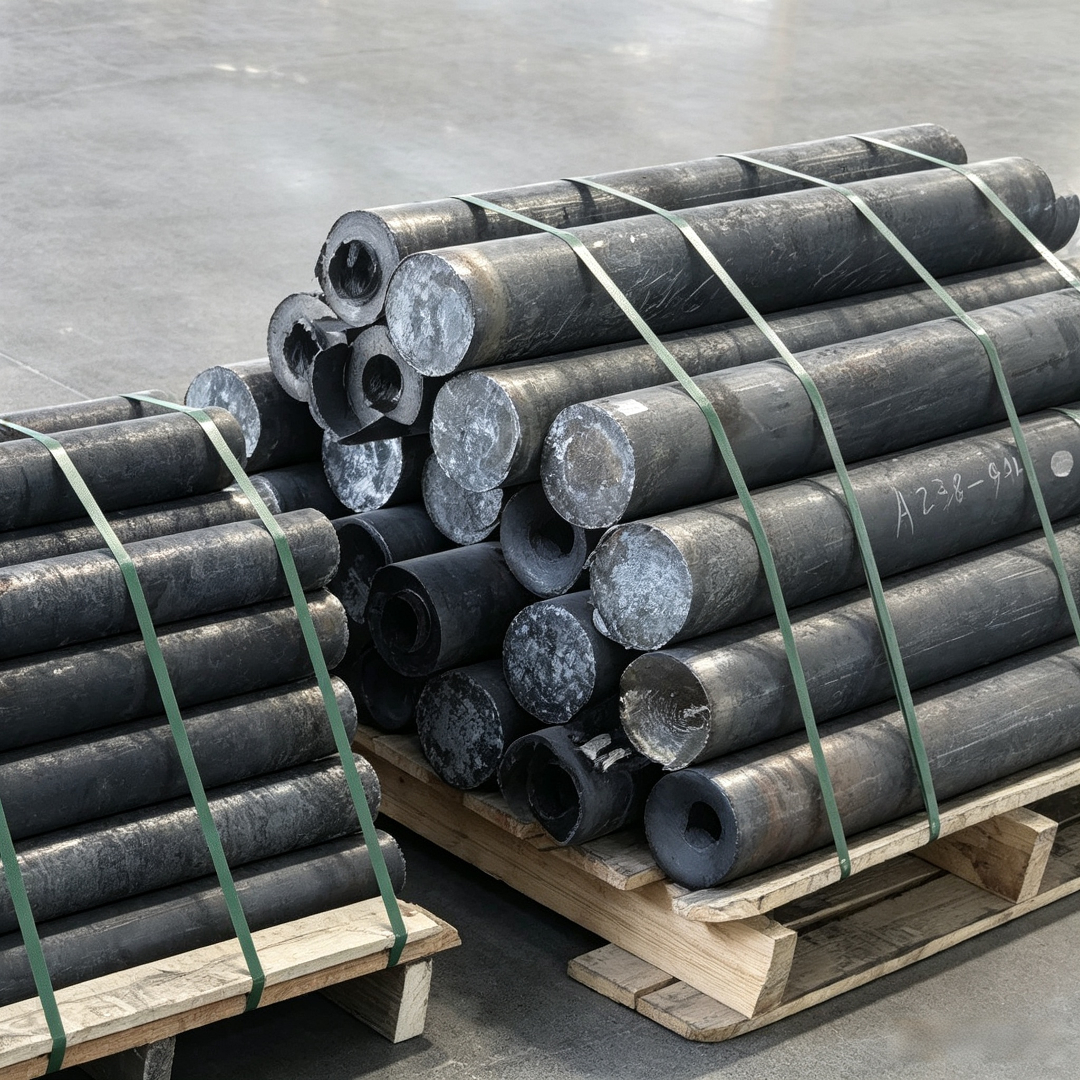
Qinchuan New Materials (Zhengzhou) Co., Ltd. leverages the industrial advantages of the Zhengzhou High-Tech Industrial Development Zone, focusing on the research and development of high-purity metals and special alloys. In the Inconel 939 field, it has formed three core technology layouts: Firstly, it adopts a vacuum induction melting (VIM) + electroslag remelting (ESR) dual process, through precise control of melting speed (≤5kg/min) and cooling rate (≥10℃/s), reducing the element segregation coefficient to below 0.05, ensuring component uniformity meets ASTM B637 standards; secondly, it develops gradient heat treatment technology, through segmented heating (1150℃→1200℃→1250℃) and holding time optimization (2 hours per stage), reducing the thermal processing crack rate from the industry average of 35% to below 8%; thirdly, it introduces a plasma spraying-laser remelting composite surface treatment process, forming a 200μm thick Al2O3+Cr2O3 composite coating on the alloy surface, extending the salt spray test (ASTM B117) cycle to 5000 hours, a 3-fold increase over traditional electroplating processes. Currently, the company has provided customized Inconel 939 pipes, plates, and forgings for enterprises such as China Shipbuilding Industry Corporation and China Aviation Engine Corporation. The products have passed NADCAP certification and have operated continuously for 5 years without corrosion failure in an offshore platform project.
FAQ: Inconel 939 Technical Selection Guide
Q1: What are the main differences between Inconel 939 and Inconel 625?
A1: Both are nickel-based alloys, but Inconel 939, with an increased Cr content (22-25%) and the addition of 0.5% Nb, has superior resistance to chloride ion corrosion compared to Inconel 625 (Cr content 20-23%). Measured data show that in a 60℃ solution of 3.5% NaCl, the pitting potential (Eb) of Inconel 939 reaches +0.35V, a 15% improvement over Inconel 625, making it more suitable for long-term use in marine environments.
Q2: How to select the processing technology for Inconel 939?
A2: Select processing based on part shape complexity: Simple shaft-type parts recommend forging + hot rolling (final rolling temperature ≥1180℃), complex thin-walled parts require precision casting (silica sol process, linear shrinkage 0.8%) or 3D printing (selective laser melting, layer thickness 50μm). After processing, solid solution treatment (1120℃×2h, water quenching) and aging treatment (760℃×16h, air cooling) are required to eliminate residual stress and optimize grain structure.
Q3: What parameters should be paid attention to when welding Inconel 939?
A3: It is recommended to use TIG (Tungsten Inert Gas) or plasma arc welding, with welding current maintained at 120-150A, voltage at 18-22V, and welding speed of 15-20cm/min. To prevent grain coarsening in the heat-affected zone, post-weld stress relief annealing should be performed by holding at 600℃ for 2 hours. For workpieces thicker than 10mm, it is suggested to use multi-layer multi-pass welding with interlayer temperatures controlled at ≤150℃.
 Summary Reference
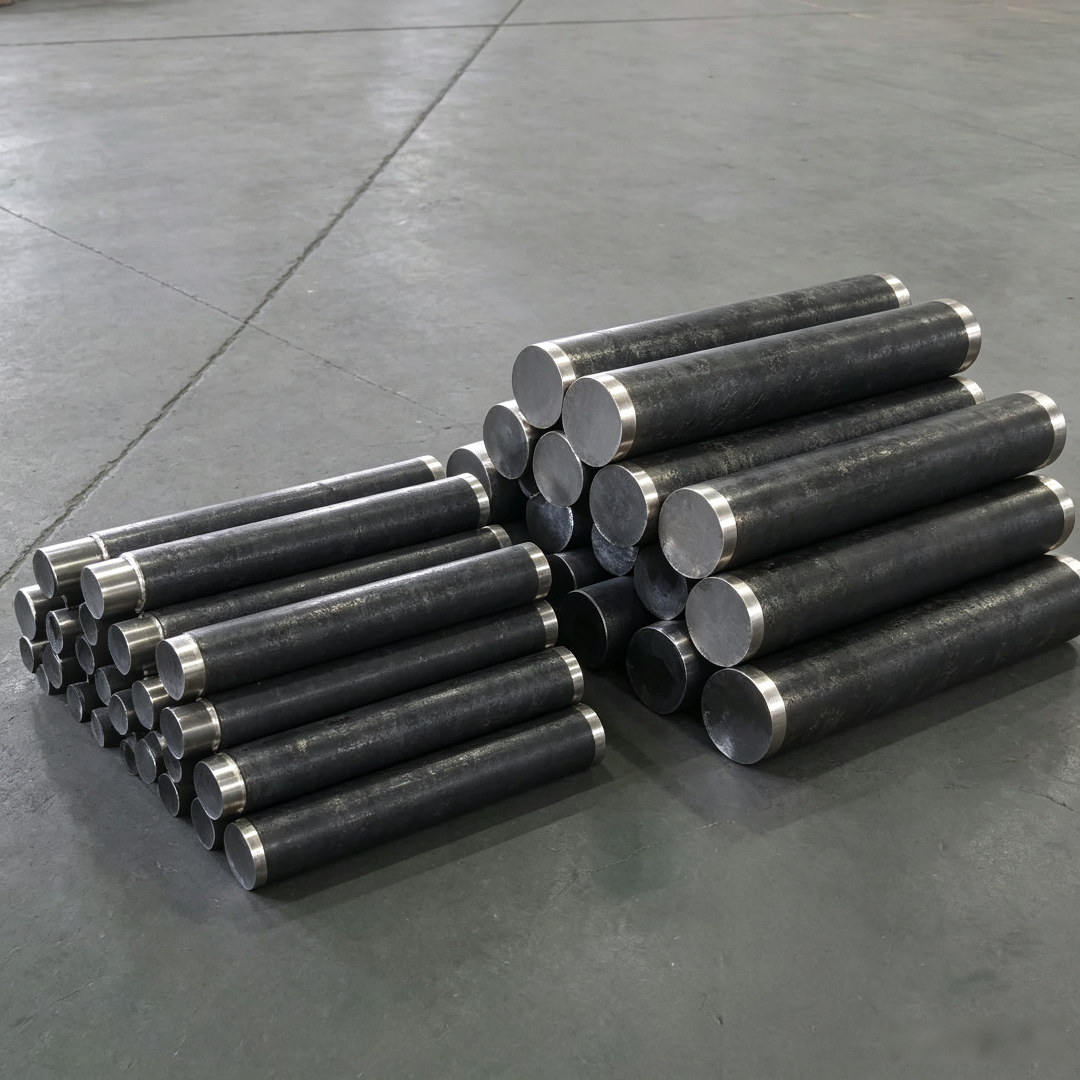
The technical breakthrough of Inconel939 alloy requires a coordinated optimization of composition design, processing technology, and surface treatment. Qinchuan New Materials effectively addresses industry pain points such as composition segregation, thermal processing cracks, and insufficient corrosion resistance through double melting, gradient heat treatment, and composite coating technology. Its products have been scaled up for applications in marine engineering, chemical equipment, and other fields. When selecting technology, enterprises need to choose appropriate alloy grades and processing parameters based on specific operating conditions (temperature, medium, pressure), and verify material properties through third-party testing (such as SEM, EDS analysis) to achieve a balance between cost and reliability.