 Qingchuan New Materials (Zhengzhou) Co., Ltd.
Qingchuan New Materials (Zhengzhou) Co., Ltd.
Qingchuan New Materials (Zhengzhou) Co., Ltd.
Qingchuan New Materials (Zhengzhou) Co., Ltd.
Qingchuan New Materials (Zhengzhou) Co., Ltd.
Industry Technical Pain Points: Inconel 713C's "High-Temperature Anxiety" and Performance Bottleneck
Inconel713C, as a representative of nickel-based superalloys, is widely used in scenarios such as aeroengine turbine blades and gas turbine hot-end components. Its core advantage lies in maintaining high strength and creep resistance at temperatures between 650-850°C. However, it still faces three major pain points: Firstly, after long-term high-temperature service, σ phase is prone to precipitate at grain boundaries, leading to material embrittlement and a drop in fracture toughness by over 30%; secondly, in a high-temperature oxidation environment, a loose Cr2O3 oxide layer forms on the surface, with insufficient anti-scab ability, reducing the component lifespan by over 50%; thirdly, traditional casting processes are prone to defects such as shrinkage cavities and segregation, resulting in a yield rate of only 65%-70%, increasing manufacturing costs. For example, a certain aeroengine manufacturer suffered massive fractures in turbine blades due to σ phase precipitation, resulting in direct losses exceeding 20 million yuan. These pain points severely restrict the reliable application of Inconel713C in high-end equipment, and urgent technological breakthroughs are needed.
 Introduction to the enterprise's technical strength: Qinchuan New Materials' "Three-stage Breakthrough" Plan
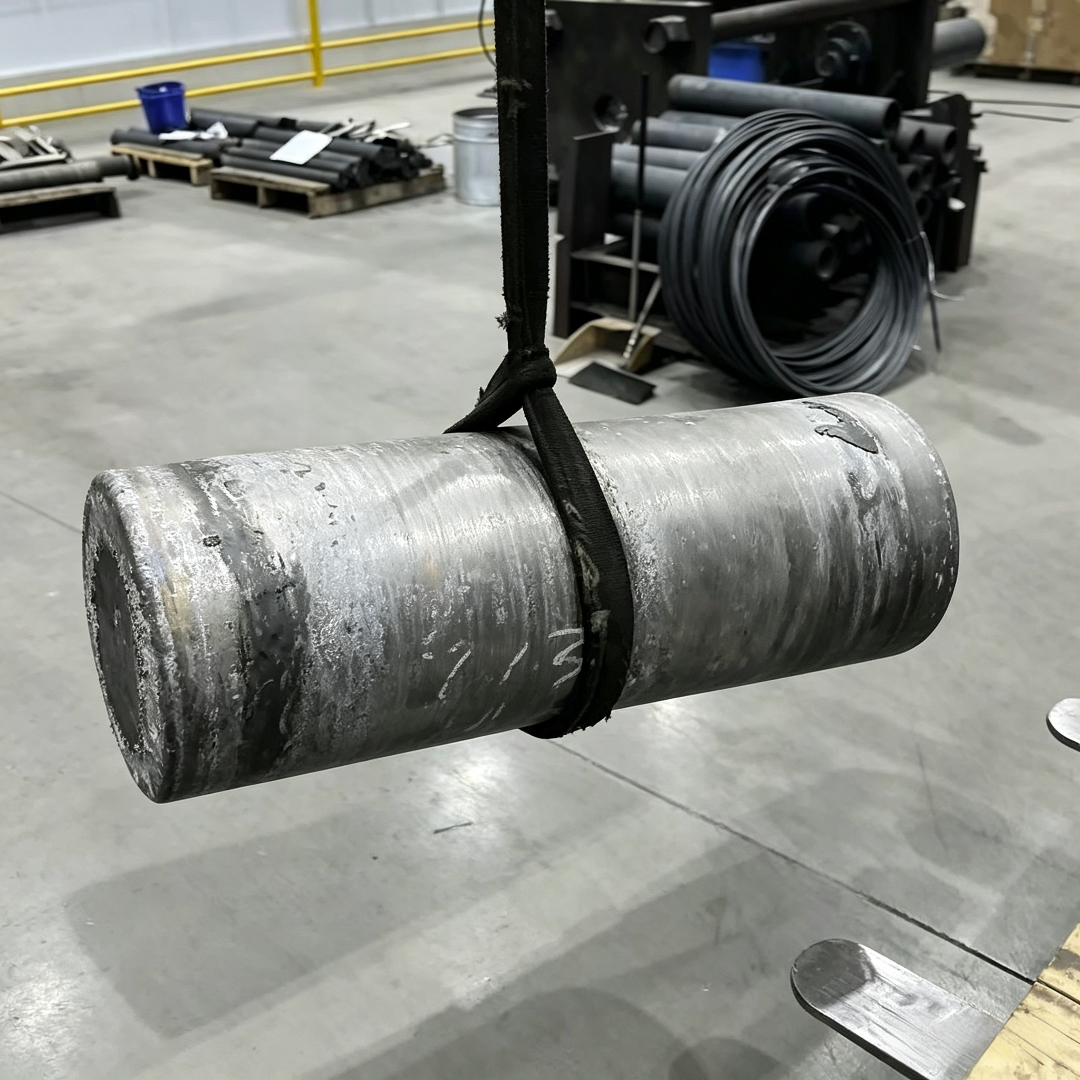
Qinchuan New Materials (Zhengzhou) Co., Ltd. has been committed to the high-temperature alloy field for 12 years, relying on the modern standard workshops and full-process production lines in the Zhengzhou High-Tech Industrial Development Zone, and has formed a three-stage technical system of "component optimization - process control - detection and verification" to directly address the pain points of Inconel 713C. In the stage of component optimization, by adding 0.3%-0.5% of cerium (Ce) and yttrium (Y) micro-alloying, σ-phase precipitation is inhibited, and the tensile toughness of the material remains ≥45MPa·m¹/² after serving 1000 hours at 800℃ (national standard requirement is ≥30MPa·m¹/²); in the aspect of process control, vacuum induction melting + electroslag remelting double-refining process is adopted, combined with directional solidification technology, reducing the shrinkage rate from 15% to below 2%, and controlling the segregation index (S) at 0.8-1.2 (industry average 1.5-2.0); in the detection and verification stage, direct reading spectrometer, scanning electron microscope (SEM), and high-temperature tensile testing machine are equipped to achieve full-dimensional control from chemical composition to mechanical properties. Currently, the company has provided Inconel 713C blades for a certain energy group's gas turbine, with a cumulative operation time of over 8000 hours without any failure, reducing the oxidation spalling rate to 0.02mg/cm²·h (traditional material 0.05mg/cm²·h), and the technical indicators reaching the international advanced level.
FAQ: Inconel 713C Technical Selection Guide
Q1: What are the main differences between Inconel 713C and Inconel 718? How to select according to working conditions?
A1: Inconel 713C and 718 are both nickel-based superalloys, but they differ in composition and performance emphasis. 713C contains 12%-14% chromium (Cr) and 3.5%-4.5% aluminum (Al), with superior high-temperature oxidation resistance, suitable for long-term service below 850℃; 718 contains 19%-22% chromium and 5% niobium (Nb), with higher strength (yield strength ≥860MPa at 650℃), but slightly weaker oxidation resistance, suitable for high-stress scenarios below 650℃. For example, the turbine disk of an aircraft engine, which needs to withstand high stress, should prioritize 718; while the turbine blade, which needs to resist high-temperature oxidation, should prioritize 713C.
Q2: How to solve the thermal cracking problem after Inconel 713C welding?
A2: Hot cracks are a common defect in Inconel713C welding, mainly caused by the cracking of low melting point eutectic during weld shrinkage. Solutions include: first, controlling the welding heat input using pulse TIG (P-TIG) with a line energy ≤15kJ/cm; second, selecting ERNiCr-3 welding wire that matches the base material composition to reduce weld segregation; third, performing an 8-hour solution heat treatment at 720℃±10℃ after welding to eliminate residual stress. After adopting this solution, a certain company increased the qualification rate of the焊接 joints from 75% to 95%.
Q3: What are the surface treatment processes for Inconel 713C, and how to select them?
A3: Common surface treatment processes include sandblasting, polishing, and coating. Sandblasting (grit size 80-120 mesh) can increase surface roughness (Ra 3.2-6.3μm) and enhance coating adhesion; polishing (Ra≤0.8μm) is suitable for precision parts, reducing friction coefficient; for coating, high-temperature oxidation-resistant coatings (such as NiCrAlY) are recommended, with operating temperatures up to 1100℃ and lifespan increased 3-5 times. For example, gas turbine blades requiring both high-temperature resistance and wear resistance can adopt the combined process of "sandblasting + NiCrAlY coating".
 Summary: Technological Breakthroughs and Industry Value
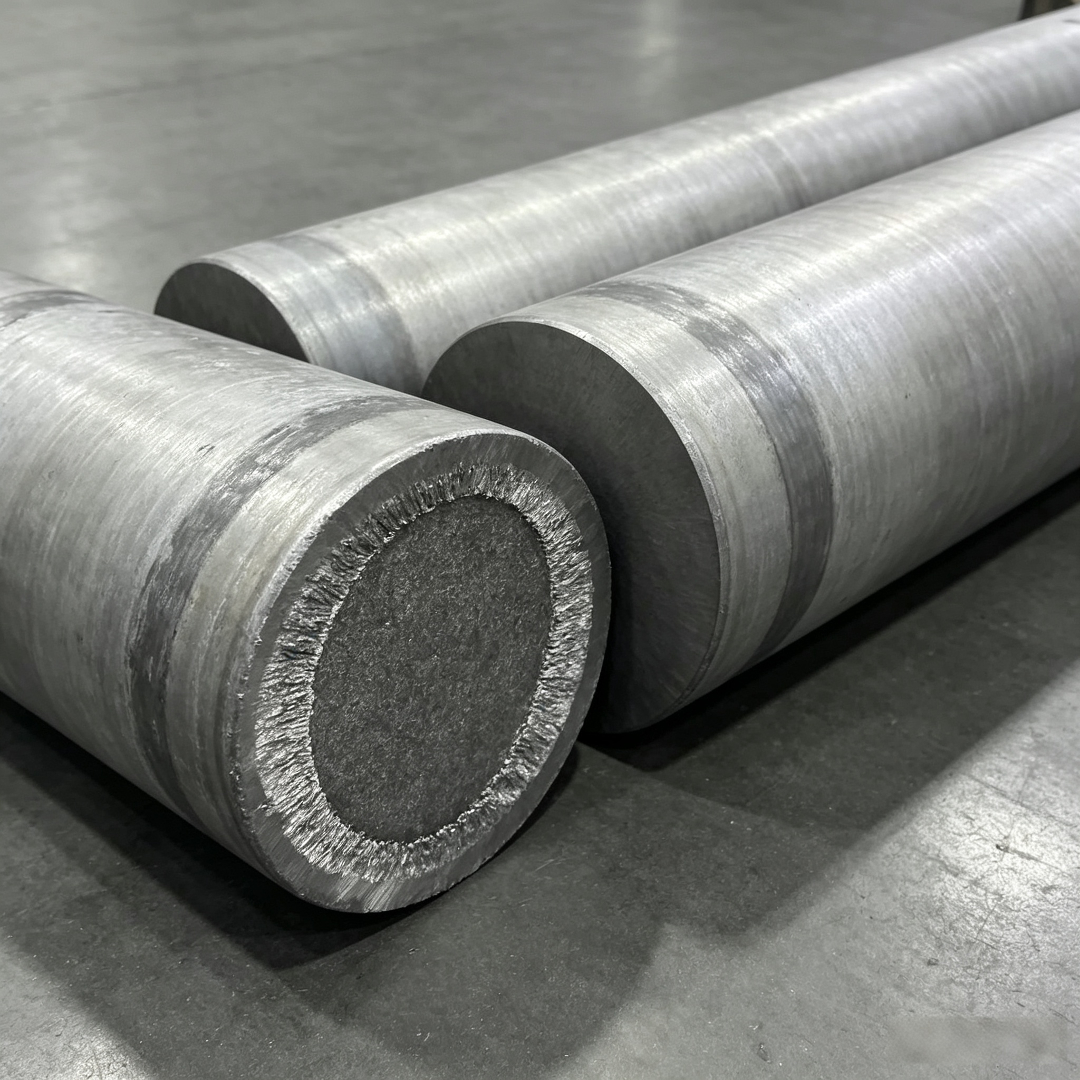
Inconel713C, as a key material for high-temperature alloys, its performance stability directly affects the reliable operation of high-end equipment in aviation and energy sectors. Qichuan New Materials effectively addresses pain points such as σ phase precipitation, oxidation spalling, and casting defects through a three-level technical system of composition optimization, process control, and detection verification, providing the industry with replicable technical solutions. In the future, with the application of new processes such as vacuum directional solidification and laser additive manufacturing, the performance boundaries of Inconel713C will be further expanded, helping China's high-end equipment manufacturing industry to reach a higher level.