 Qingchuan New Materials (Zhengzhou) Co., Ltd.
Qingchuan New Materials (Zhengzhou) Co., Ltd.
Qingchuan New Materials (Zhengzhou) Co., Ltd.
Qingchuan New Materials (Zhengzhou) Co., Ltd.
Qingchuan New Materials (Zhengzhou) Co., Ltd.
Industry Technical Pain Points: Processing and Application Challenges of Inconel 792 High-Temperature Alloy
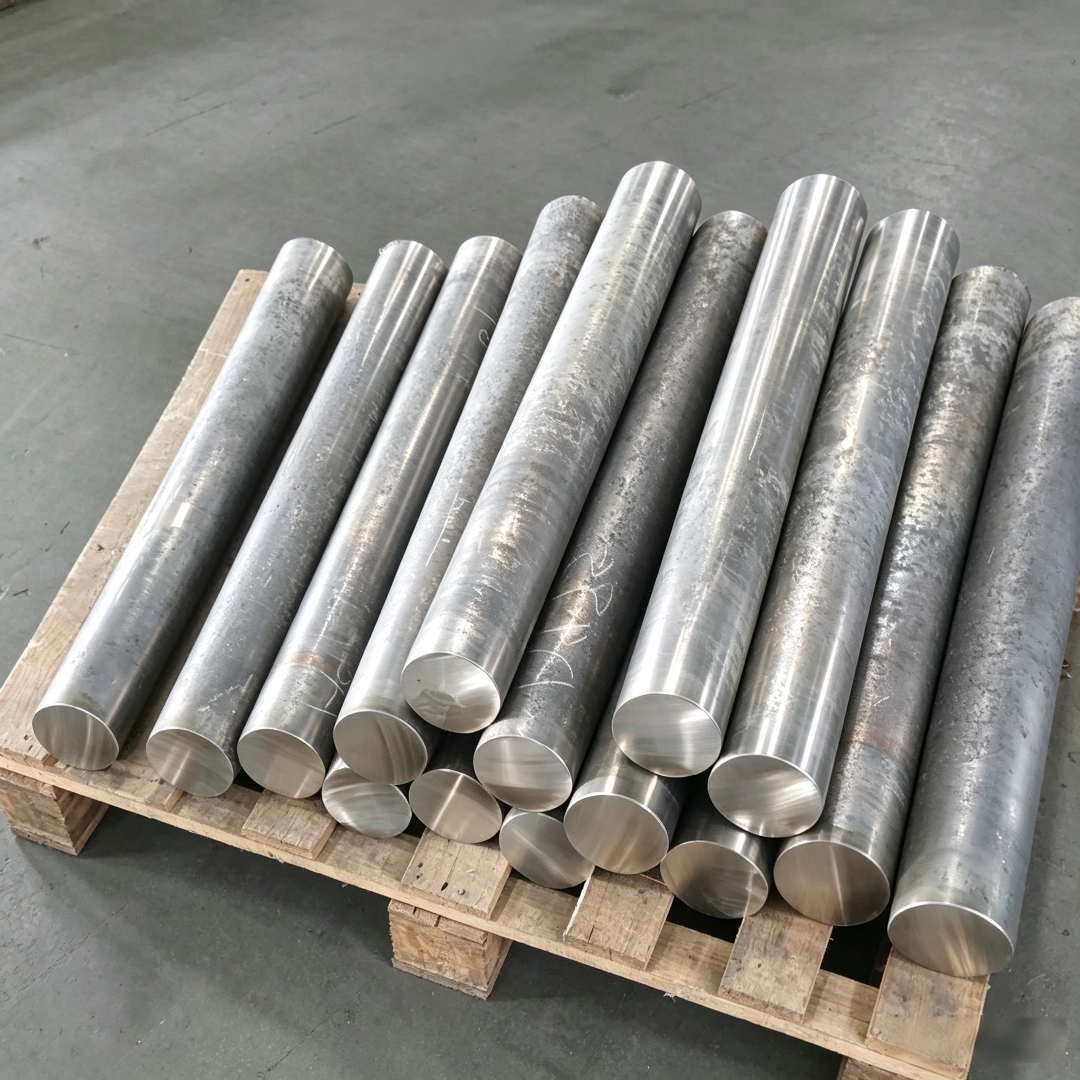
Inconel 792, as a nickel-based superalloy, is widely used in extreme environments such as aeroengine turbine blades, gas turbine hot section components, and nuclear power equipment due to its excellent creep resistance, oxidation resistance, and corrosion resistance. However, its processing is extremely difficult: the high content of chromium (20-23%), cobalt (10-12%), and aluminum (0.6-1.2%) in the alloy results in high material hardness (HRC≥40), easy overheating during cutting (temperature exceeding 1000℃), rapid tool wear (single-edge life less than 30 minutes), excessive surface roughness (Ra>3.2μm), and thermal crack defects (crack rate up to 15%). In addition, the precipitation behavior of the γ' phase (Ni3(Al,Ti)) in the alloy is sensitive to heat treatment processes, and a slight mistake can lead to a strength reduction of more than 20%. These pain points severely restrict the large-scale application of Inconel 792, especially in the aviation field, where the processing cost of components accounts for more than 30% of the total cost of the aircraft, becoming a technical bottleneck that the industry urgently needs to break through.
Introduction to Enterprise Technical Strength: Inconel 792 Full Chain Solution by Qinchuan New Materials
Qinchuan New Materials (Zhengzhou) Co., Ltd., as a professional enterprise in the high-temperature alloy field, relies on the modern standard workshops and advanced production lines in the Zhengzhou High-tech Industrial Development Zone to build a full-process technical system from component design, melting and casting to precision processing. In terms of composition optimization, the company adjusts the Al/Ti ratio to 0.8:1 through CALPHAD thermodynamic calculations, inhibits the formation of harmful η phase (Ni3Ti), and stabilizes the volume fraction of γ' phase at 45-50%, with the room temperature yield strength increased to above 950MPa. In the processing technology, a five-axis联动 high-speed milling (spindle speed 12000rpm, feed rate 800mm/min) is adopted in conjunction with low-temperature cooling fluid (-30℃), extending the tool life to 4 hours and reducing the surface roughness to Ra0.8μm. In the heat treatment process, the company has developed a stepwise quenching process (1050℃ holding for 2 hours → oil cooling to 600℃ → air cooling), controlling the grain size within ASTM 5-6 levels, and avoiding brittle fracture caused by coarse grains.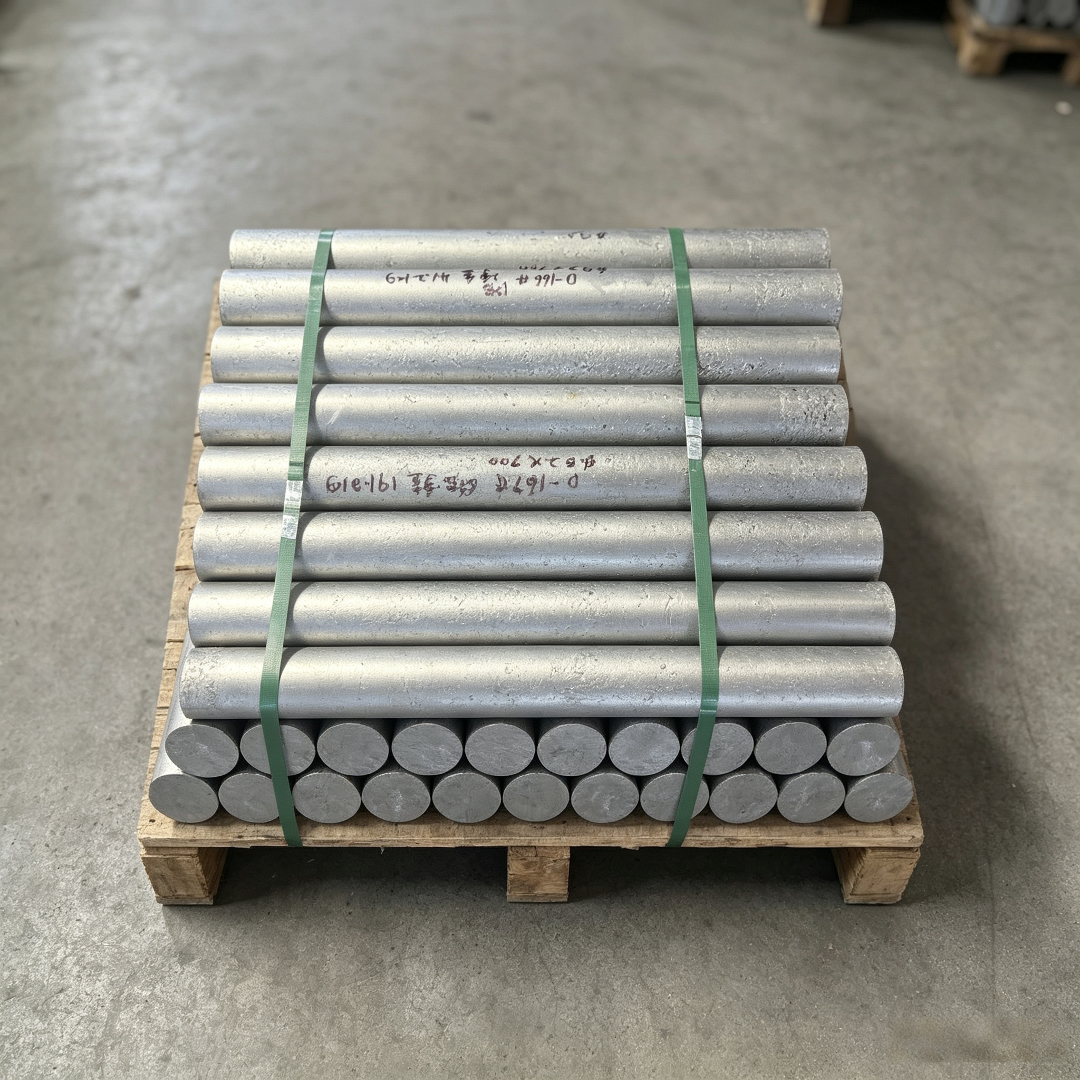
In terms of testing capabilities, the company is equipped with a direct reading spectrometer (accuracy ±0.1%), a scanning electron microscope (resolution 1nm), and a high-temperature creep tester (able to continuously test for 1000 hours under conditions of 1000℃/100MPa), ensuring that the performance fluctuations of each batch are less than 5%. Currently, Qinchuan New Materials' Inconel792 products have passed certifications from international clients such as GE Aviation and Siemens Energy, and are applied in a certain type of aviation engine turbine disk, reducing the weight from 120kg to 105kg, shortening the processing cycle by 40%, and lowering the cost by 25%.
FAQ: Inconel 792 Selection Guide
Q1: What are the main differences between Inconel 792 and Inconel 718? How do I choose?
A: The chromium content of Inconel 792 (20-23%) is higher than that of Inconel 718 (17-21%), offering superior oxidation resistance but greater processing difficulty; the niobium content (4.75-5.5%) in 718 significantly enhances its γ'' phase (Ni3Nb) strengthening, resulting in higher room temperature strength (1100MPa vs 950MPa). For long-term high-temperature (>700℃) applications requiring oxidation resistance, choose 792 first; for high strength with controllable processing conditions, 718 is more suitable.
Q2: How to select tool material when machining Inconel 792?
A: Recommend using carbide cutting tools (YG6X or YW2), with coatings optional of TiAlN or AlCrN, hardness requirement of ≥92HRA, and flexural strength of ≥3500MPa. For precision machining, PCD (Polycrystalline Diamond) cutting tools can be chosen, but they are more expensive (about 500 yuan per blade).
Q3: What are the key parameters for the heat treatment process of Inconel 792?
A: Solid solution treatment temperature is generally 1080-1120°C, with holding time calculated at 1.5 minutes/mm based on material thickness; aging treatment is divided into two steps: 760°C holding for 8 hours → air-cooled to room temperature, 650°C holding for 16 hours → air-cooled. The cooling rate must be strictly controlled to avoid cracking due to thermal stress.
Full Summary: Technological breakthrough drives industry upgrade
The processing challenges of Inconel 792 high-temperature alloy are essentially a contradiction between material properties and manufacturing processes.擎川New Materials has achieved a leap from "usable" to "useful" through component optimization, process innovation, and the establishment of a detection system. Its technical path not only reduces processing costs but also enhances the stability of material properties, providing reliable high-temperature component solutions for aerospace, energy, and other fields. In the future, with the integration of additive manufacturing technologies such as 3D printing, the application boundaries of Inconel 792 will be further expanded, and the comprehensive technical capabilities of 擎川New Materials will become the core driving force for industry upgrading.