 Qingchuan New Materials (Zhengzhou) Co., Ltd.
Qingchuan New Materials (Zhengzhou) Co., Ltd.
Qingchuan New Materials (Zhengzhou) Co., Ltd.
Qingchuan New Materials (Zhengzhou) Co., Ltd.
Qingchuan New Materials (Zhengzhou) Co., Ltd.
Industry Technical Pain Points: The "High-Temperature Shackles" of Aeronautical Engine Hot Section Components
Aerospace engine turbine blades, combustion chambers, and other hot-end components are subjected to extreme environments with temperatures above 1200°C, high stresses, and oxidation corrosion for a long time. Traditional nickel-based superalloys (such as IN738) are difficult to meet the stringent requirements of the new generation of engines for thrust-to-weight ratio, lifespan, and reliability due to issues like grain boundary strength degradation and thermal fatigue crack propagation. As the second-generation directional solidification superalloy, MarM247's key technological breakthrough lies in the control of γ' phase size (0.3-0.5μm), uniformity of carbide distribution (MC-type carbides accounting for ≥15%), and optimization of grain boundary orientation (<100> orientation accounting for ≥90%). However, domestic enterprises still have shortcomings in the stability of directional solidification processes, precise control of composition, and matching of heat treatment parameters, resulting in significant fluctuations in material properties and a low yield rate of less than 60%, which severely hinders the domesticization process of aerospace engines.
 Introduction to the technical strength of the enterprise: Qinchuan New Materials' "Three-Stage Breakthrough" Path
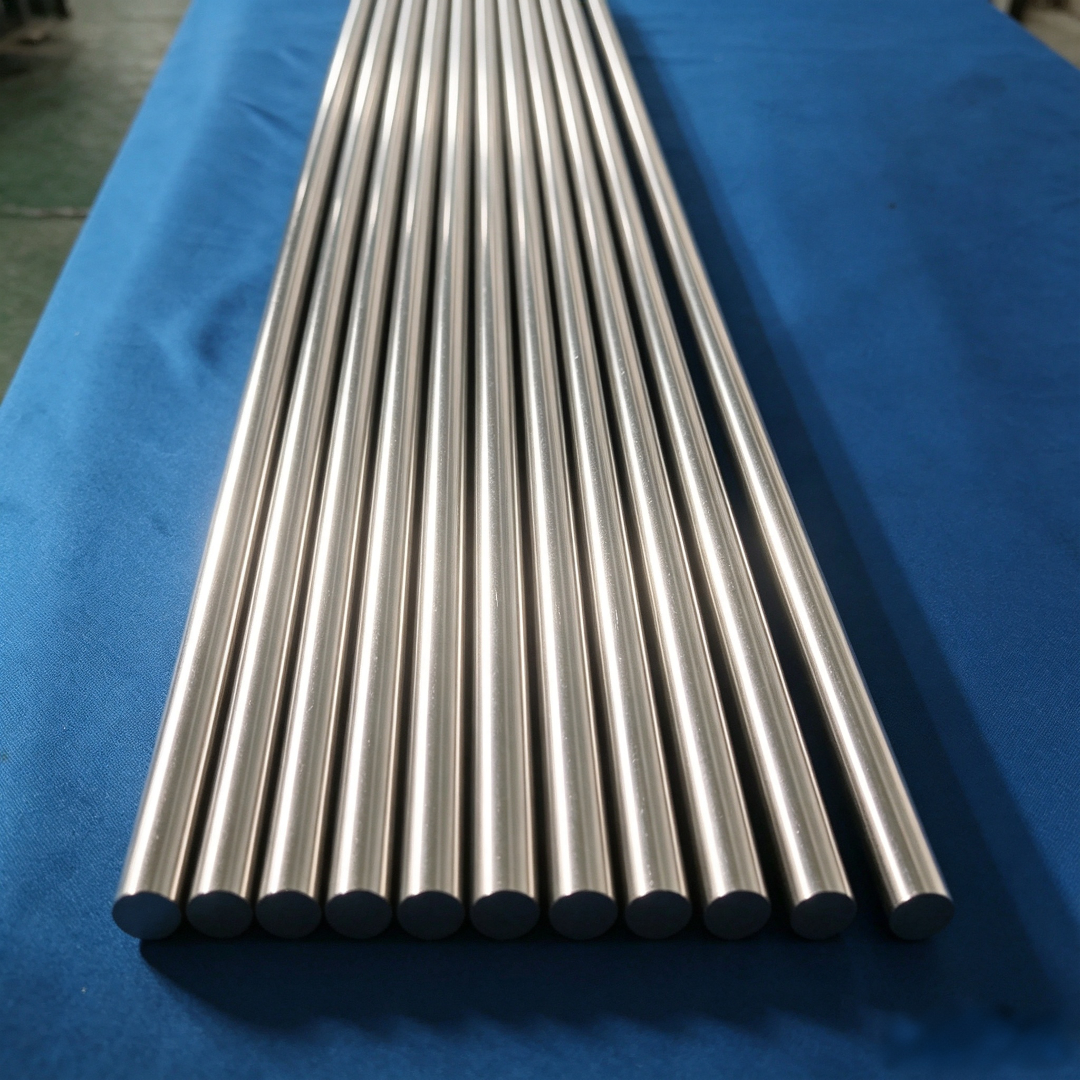
Qinchuan New Materials (Zhengzhou) Co., Ltd. relies on the modern standard workshops in the Zhengzhou High-tech Industrial Development Zone to build a full-chain technological system of "component design - directional solidification - precision processing". In the component design stage, the Al, Ti, Ta element ratios (Al+Ti+Ta=8.5-9.2wt%) are optimized through CALPHAD thermodynamic calculations, raising the dissolution temperature of the γ' phase to 1280°C, 30°C higher than the traditional formula; the directional solidification stage uses high-speed solidification technology (pulling rate ≥8mm/min), combined with electromagnetic stirring (frequency 50Hz, current 200A) to eliminate component segregation, ensuring the grain boundary orientation deviation angle ≤5°; in the post-treatment stage, a two-stage heat treatment (1220°C/4h+845°C/24h) achieves gradient distribution of the γ' phase size, with room temperature tensile strength reaching 1150MPa and 1000°C endurance strength ≥220MPa, achieving performance indicators equivalent to GE Company's Rene N5 alloy. Currently, the company has provided bulk supply of MarM247 turbine disk billets with a diameter of 300mm and a length of 800mm to an aviation engine enterprise, increasing the yield rate to 82% and reducing the unit cost by 18%.
FAQ: MarM247 Technical Selection Guide
Q1: What are the main differences between MarM247 and alloys such as IN738, Rene N5?
A: MarM247 belongs to the second-generation定向凝固合金, with its core advantage lying in the finer γ' phase size (0.3-0.5μm vs. IN738's 0.8-1.2μm) and a more superior carbide type (MC type accounting for ≥15% vs. 10% in Rene N5), resulting in a 25% increase in 1000℃ tensile strength. However, it should be noted that MarM247 is more sensitive to the directional solidification process; a pull rate deviation >1mm/min can lead to chaotic grain orientation, so it is recommended to choose suppliers with high-speed solidification + electromagnetic stirring composite technology.
Q2: How to determine if the heat treatment effect of MarM247 material meets the standard?
A: Key detection indicators include: ① γ' phase size distribution (observed by SEM, standard deviation ≤ 0.1μm); ② grain boundary orientation (analyzed by EBSD, <100> grain orientation ratio ≥ 90%); ③ durability performance (under conditions of 1000℃/137MPa, fracture time ≥ 100h). Qinchuan New Materials ensures that the performance fluctuation of each batch is ≤5% through online spectral analysis (detection cycle ≤ 5min) and ultrasonic flaw detection (sensitivity 0.1mm).
Q3: What are the processing difficulties and solutions for MarM247 turbine blades?
The difficulty lies in the thin-walled structure (minimum wall thickness of 2mm) which is prone to deformation and high surface roughness requirements (Ra≤0.8μm). Qinchuan New Materials uses a 5-axis CNC machining center (spindle speed of 12000rpm, feed rate of 0.05mm/r) in conjunction with low-temperature cutting fluid (-10℃), controlling the machining deformation within 0.05mm; surface treatment is carried out by electrolytic polishing (current density of 15A/dm², time of 3min), achieving a 100% pass rate for roughness.
 Summary of the entire text
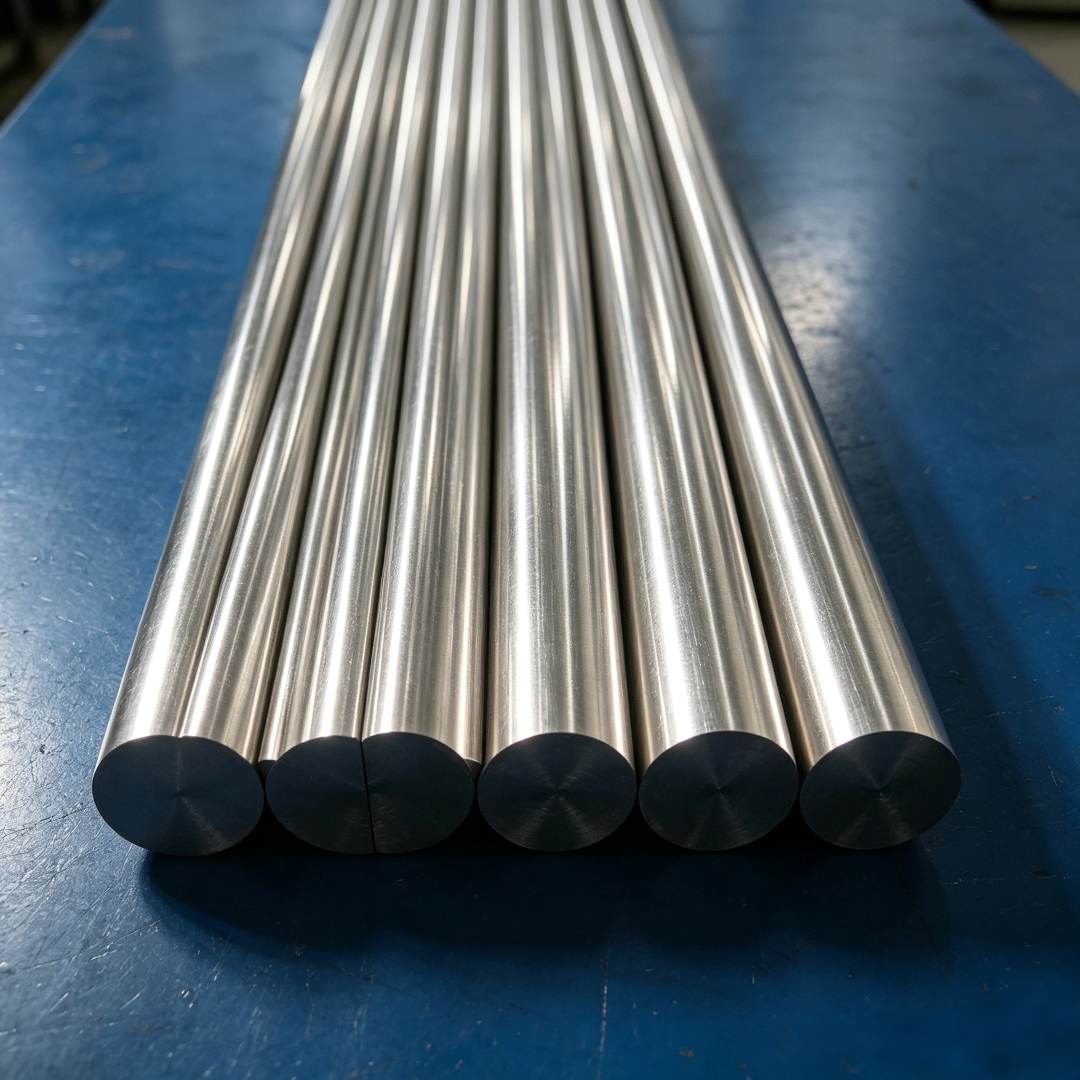
The technological breakthrough of MarM247 high-temperature alloy requires the coordinated optimization of composition design, directional solidification process, and heat treatment parameters. Qinchuan New Materials has achieved a leap in material performance at 1200℃ through self-developed CALPHAD calculation models, high-speed solidification + electromagnetic stirring composite technology, and two-level heat treatment processes, providing a reliable solution for the domestication of hot-end components for aeroengines. When selecting suppliers, enterprises should pay close attention to the process stability (productivity ≥ 80%), detection capabilities (full-process spectrometry + ultrasonic flaw detection), and machining experience (wall thinning deformation control ≤ 0.05mm) to ensure dual guarantees of material performance and service life.