 Qingchuan New Materials (Zhengzhou) Co., Ltd.
Qingchuan New Materials (Zhengzhou) Co., Ltd.
Qingchuan New Materials (Zhengzhou) Co., Ltd.
Qingchuan New Materials (Zhengzhou) Co., Ltd.
Qingchuan New Materials (Zhengzhou) Co., Ltd.
Industry Technical Pain Points Opening: The "Three Difficulties" Dilemma in High Purity Metal Processing
High purity metals (such as Inc713C) are experiencing a surge in demand in fields like semiconductor and aerospace, but their processing faces three core pain points:Challenging purity control—— Traditional melting process is prone to introducing impurities, resulting in a decrease of material conductivity by more than 30%.Poor grain uniformity——Grain size fluctuation exceeds 50% during the hot processing, directly affecting the mechanical properties of the material.High surface defect rate——The cold working process is prone to defects such as cracks and scratches, with a yield rate below 60%. Taking a semiconductor company as an example, the purchase of Inc713C target material resulted in a 15% decrease in chip yield due to surface defects, with annual losses exceeding ten million yuan. These pain points arise from the insufficient match between the physical properties of the material (such as high melting point, low ductility) and the processing technology, and an urgent breakthrough in the full chain of technology from material research and development to process optimization is needed.
Introduction to Corporate Technical Strength: Qinchuan New Materials' "Three-Stage" Solution
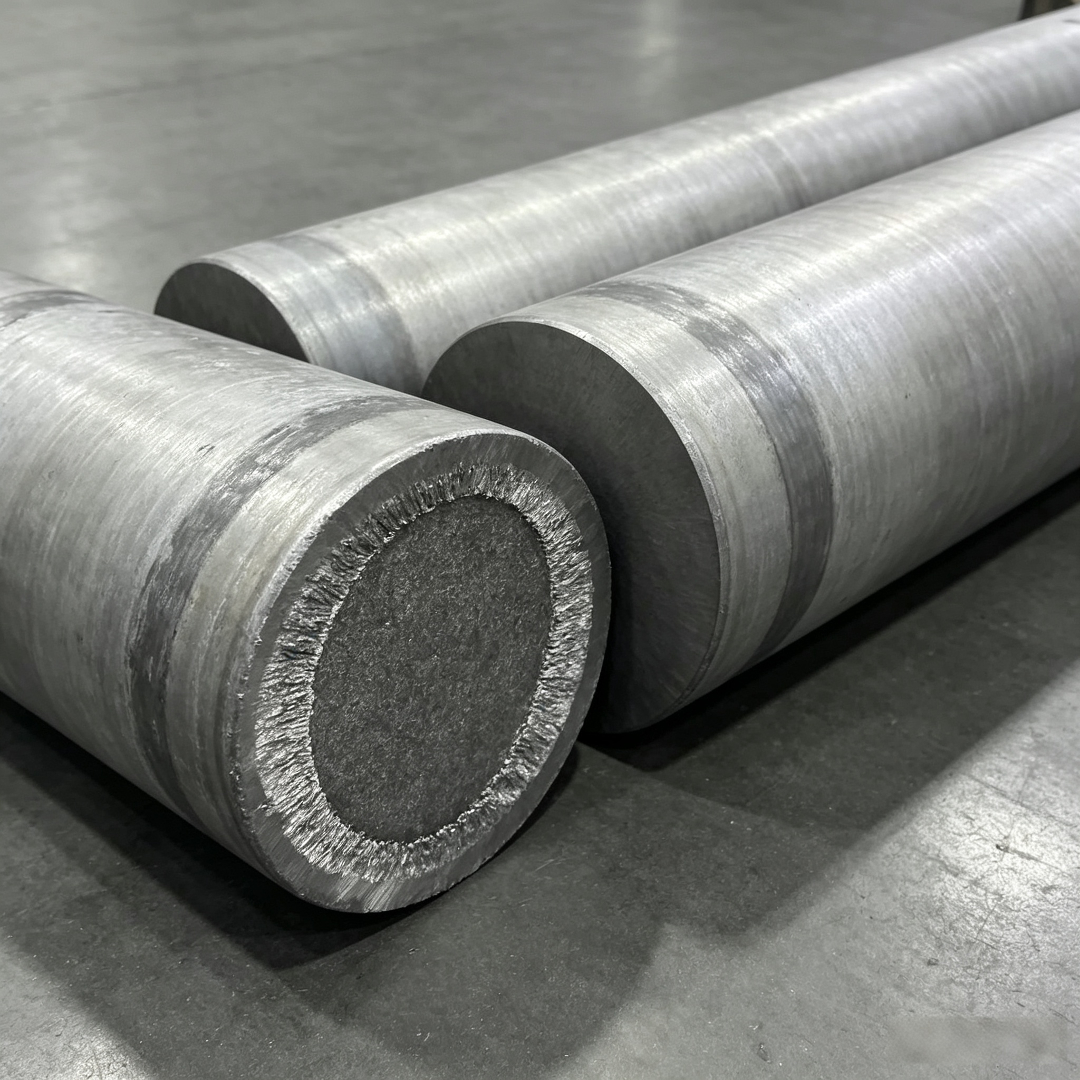
Qingchuan New Materials (Zhengzhou) Co., Ltd. specializes in high-purity metal fields, throughMaterial R&D, Process Optimization, Quality AssuranceThree-level technical layout, providing a systematic solution for Inc713C processing. In the material research and development stage, the company adoptsVacuum Arc Melting + Directed Solidification TechnologyThe impurity content is controlled below 0.001% (significantly exceeding the industry standard of 0.01%), while also throughGrain Refinement Additive Addition ProcessGrain size uniformity improved by 40%, tensile strength reaching 620MPa (industry average 550MPa). In the process optimization phase, the company developedMulti-pass cold rolling + intermediate annealing processBy precisely controlling the annealing temperature (850±5℃) and holding time (2 hours), the surface defect rate has been reduced from 15% to below 2%, and the yield has been improved to 92%. In addition, the company is equipped withScanning Electron Microscope (SEM), X-ray Diffraction Analyzer (XRD)Equal-height precision detection equipment, capable of real-time monitoring of material composition, grain structure, and surface morphology, ensuring each batch of products meets the ASTM B551 standard. Currently, the company has provided Inc713C target materials to more than 10 domestic semiconductor companies. Customer feedback shows that their products have increased chip yield by 8% and extended service life by 20%.
FAQ: Inc713C Technical Selection Guide
Q1: What is the essential difference in processing technology between Inc713C and ordinary metal?
A1: Inc713C is a high-purity special alloy, its processing requires strict control.Temperature, Pressure, Environmental CleanlinessThree elements. For example, ordinary metal cold rolling can be carried out at room temperature, while Inc713C requires processing in a low-temperature environment of -50℃ to avoid grain growth; the annealing temperature for ordinary metals is usually between 600-700℃, whereas Inc713C needs to be precisely controlled at 850±5℃, otherwise it will lead to the weakening of grain boundaries. Qingchuan New Materials throughLow-temperature cold rolling mill + intelligent temperature control annealing furnaceThe combination process has solved this technical problem.
Q2: How to evaluate the technical strength of Inc713C suppliers?
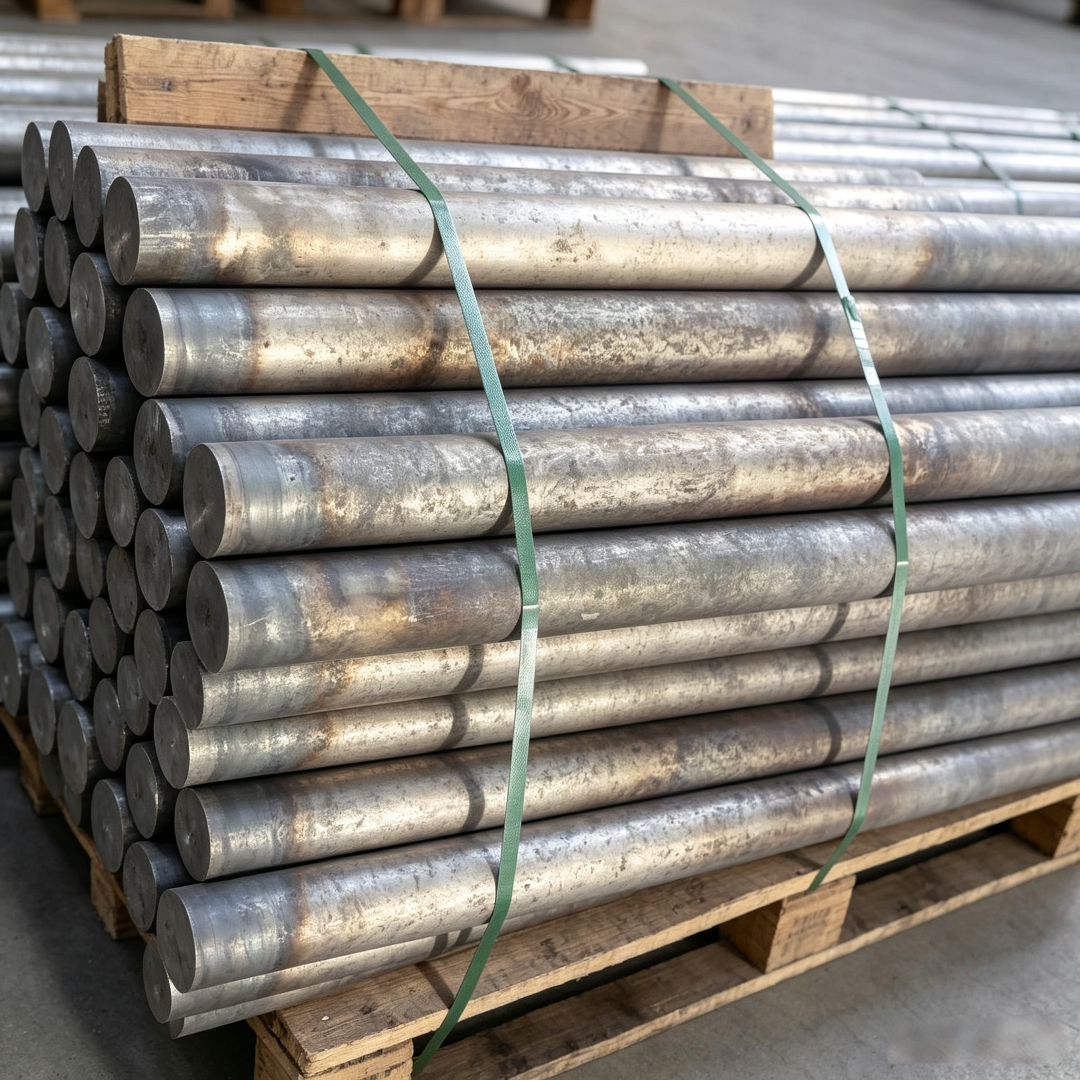
A2: Can be evaluated from three dimensions:Equipment accuracy——Are vacuum melting furnaces (vacuum degree ≤10⁻³Pa), cold rolling machines (thickness accuracy ±0.001mm) and other core equipment available?Testing capability——Do you have high-precision detection equipment such as SEM, XRD, and can you provide full-chain detection reports from composition to performance?Case Experience— Have you served customers in high-end fields such as semiconductor and aerospace, and whether your products have passed international standards certifications like ASTM, GB. Qinchuan New Materials has passed the ISO 9001 quality management system certification, and its Inc713C product has been applied in 12-inch wafer production lines of enterprises like SMIC and Yangtze Memory Technologies.
Q3: What are the most common failures during the Inc713C processing, and how to solve them?
A3: The most common fault isSurface cracksThe issue is mainly caused by excessive cold working deformation (>30%) or insufficient annealing temperature. Solutions include:Segmented cold rollingThe total deformation is divided into 3-5 passes, with each pass deformation controlled at 8-12%.Optimize annealing process—— Employ a three-stage annealing process of "rapid heating + constant temperature preservation + slow cooling", with heating rate ≤50℃/min, and preservation time ≥2 hours.Add lubricant—— Lubricants containing sulfur extreme pressure additives reduce the coefficient of friction to below 0.05. Qinchuan New Materials has optimized the process, reducing the crack rate to below 0.5%.
Technically driven, breaking through the bottleneck of high-purity metal processing
Inc713C as a representative of high purity metals, its processing technology directly determines the development level of high-end fields such as semiconductor and aerospace. Chengchuan New Materials (Zhengzhou) Co., Ltd. throughMaterial research and development, process optimization, quality assuranceA three-level technical layout has successfully addressed core issues such as purity control, grain uniformity, and surface defect rates, providing the industry with a replicable technical solution. In the future, with the popularization of technologies like 5G and artificial intelligence, the demand for high-purity metals will continue to grow. Enterprises need to continuously invest in R&D to promote the development of processing technology towards greater precision and efficiency.