 Qingchuan New Materials (Zhengzhou) Co., Ltd.
Qingchuan New Materials (Zhengzhou) Co., Ltd.
Qingchuan New Materials (Zhengzhou) Co., Ltd.
Qingchuan New Materials (Zhengzhou) Co., Ltd.
Qingchuan New Materials (Zhengzhou) Co., Ltd.
Industry Technical Pain Points: The "Stranglehold" Problem in High Purity Metal Preparation
In the preparation process of high-purity metals (such as Inc939-related alloys), the industry universally faces three major technical pain points: Firstly, it is difficult to control the purity of raw materials; the impurity content needs to be below 0.001% to meet the needs of high-end fields like semiconductors and aerospace, but traditional smelting processes are difficult to stabilize; secondly, the process stability is poor, as melting and purification stages are sensitive to temperature, atmosphere, and time parameters, and slight deviations can lead to performance fluctuations between batches; thirdly, the detection efficiency is low, with traditional chemical analysis methods taking several hours and requiring sample destruction, making real-time monitoring on the production line impossible. For example, a company once suffered a direct loss of over a million yuan due to the undetected 0.005% sulfur impurity in the raw materials, leading to excessive brittleness in a batch of products. These pain points severely restrict the large-scale application of high-purity metals and have become the "choke point" in the industry's technological upgrade.
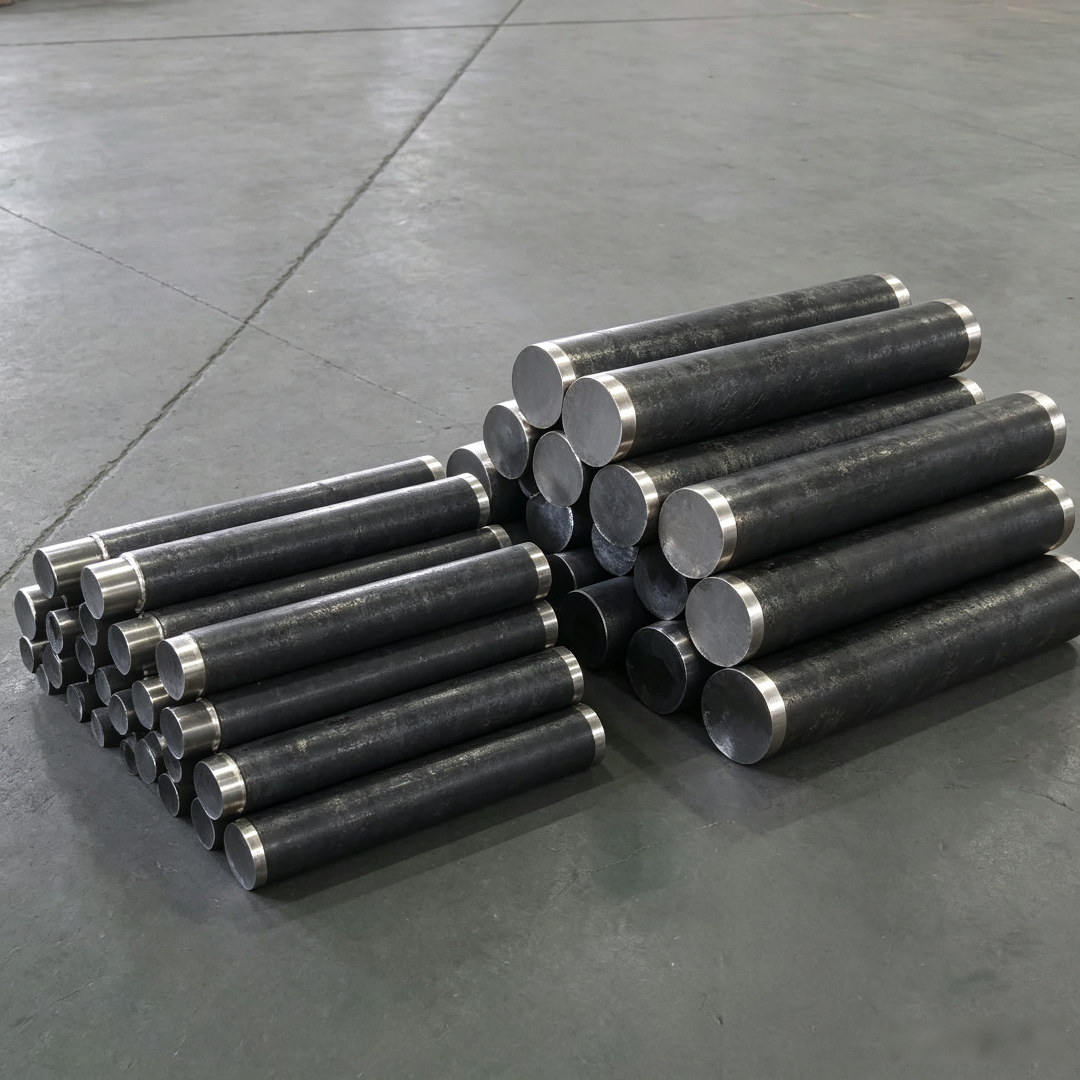 Introduction to Corporate Technical Strength: Qinchuan New Materials' "Three-step Breakthrough" Technology System
Qinchuan New Materials (Zhengzhou) Co., Ltd. has constructed a "three-step breakthrough" technological system centered around "raw material pretreatment - intelligent melting - on-line detection" to address the above pain points. The first step, in the raw material pretreatment stage, the company's independently developed "multi-stage vacuum distillation + electromagnetic induction separation" technology can increase the purity of raw materials from 99.9% to 99.9999%, controlling impurity content below 0.0001%, suitable for the preparation requirements of high-purity metals such as Inc939. The second step, in the intelligent melting stage, adopts the "inert gas protection + plasma heating" process, combined with the independently developed melting control system, which can accurately control temperature (±1℃), atmosphere (oxygen content ≤0.1ppm), and time (second-level response), ensuring process stability. The third step, in the on-line detection stage, introduces the "laser-induced breakdown spectroscopy (LIBS) + X-ray fluorescence spectroscopy (XRF)" dual detection technology, achieving rapid non-destructive detection at a rate of 30 times per minute, with detection accuracy reaching 0.0001%, a 90% increase in efficiency compared to traditional methods. Currently, the company has built 2 modern high-purity metal production lines with an annual production capacity of 500 tons, with product purity stable at 5N (99.999%) or above, widely used in semiconductor target materials, aerospace structural parts, and other fields, with customers including SMIC and COMAC and other leading enterprises.
FAQ: Key Questions Answered on Inc939 Technical Selection
Q1: How to select an appropriate purification process in the preparation of high purity metals?
A1: The selection of purification process should consider raw material purity, target purity, cost, and production scale. For raw materials with an initial purity of ≥99.9%, if the target purity is 4N (99.99%), the zone melting method can be used, which is cost-effective and requires simple equipment; if the target purity is 5N (99.999%) or higher, it is recommended to choose a combined process of vacuum distillation + electromagnetic separation, such as ChingChuan New Materials' "Multi-stage Vacuum Distillation + Electromagnetic Induction Separation" technology, which can stably achieve a purity of 6N (99.9999%). However, the equipment investment is high, suitable for large-scale production.
Q2: How to control oxygen content during the melting process?
A2: Oxygen content is a key indicator affecting the properties of high-purity metals. Control points include: first, using inert gas (such as argon) protection, with oxygen content ≤0.1ppm; second, using plasma heating instead of traditional resistance heating to reduce the reaction between the metal and the furnace lining at high temperatures; third, equipping with an online oxygen analyzer to monitor and adjust the atmosphere flow in real-time. By taking these measures, Qinchuan New Materials' melting system can control the oxygen content below 0.05ppm, ensuring the product has low brittleness and high ductility.
Q3: How to balance speed and accuracy in online detection technology?
A3: Traditional testing methods (such as ICP-MS) have high accuracy but are time-consuming, failing to meet production line requirements. Qinchuan New Materials employs the LIBS+XRF dual-testing technology, which generates a plasma from the sample by laser excitation and combines X-ray fluorescence analysis for rapid non-destructive testing. The LIBS testing speed reaches 30 times per minute with an accuracy of 0.001%; XRF is used for verifying key indicators with an accuracy of 0.0001%, complementing each other to ensure testing efficiency while meeting the high-precision requirements of the advanced field.
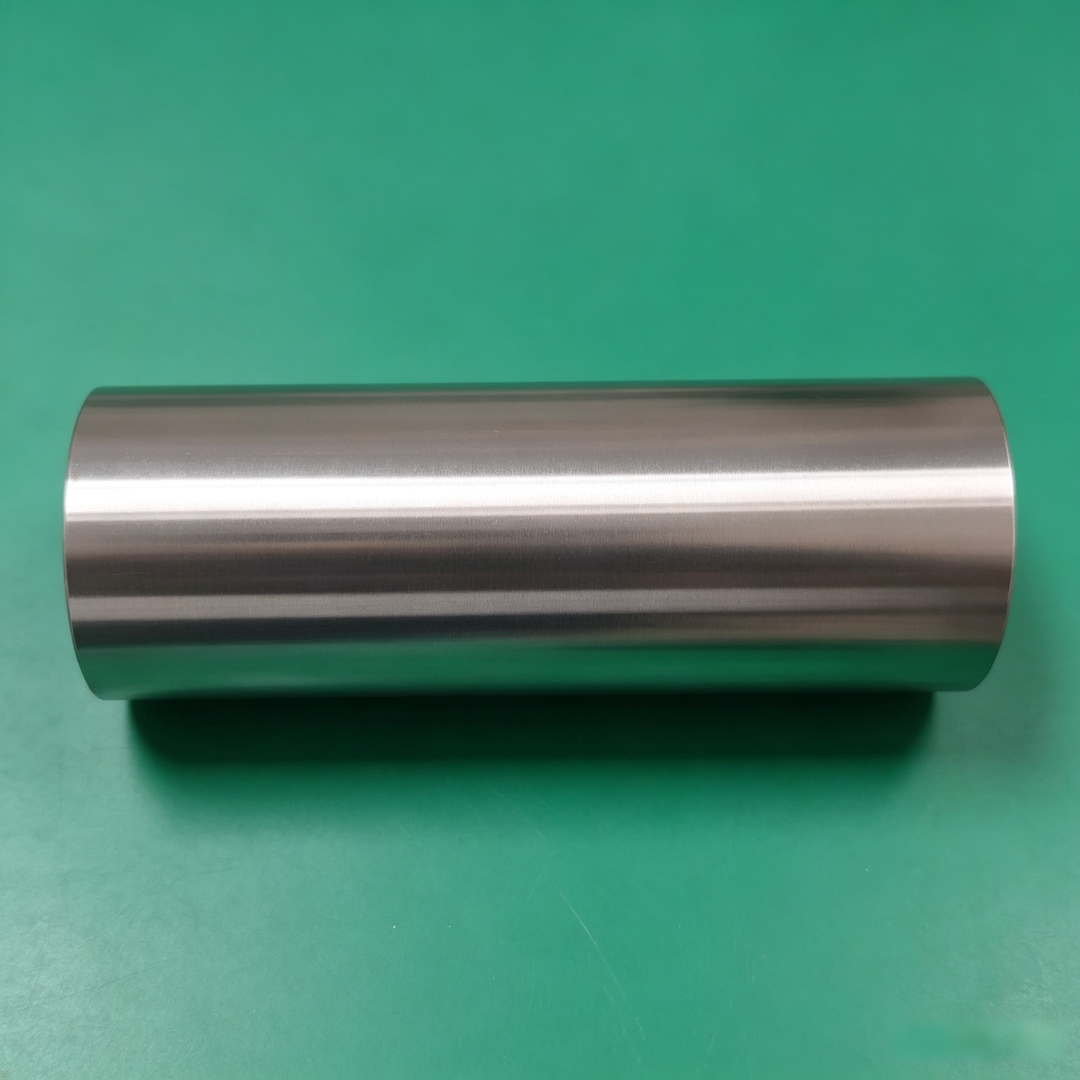 Full Summary: Technological innovation drives industry upgrading
High-purity metal preparation is a core foundation for high-end fields such as semiconductor and aerospace, and its technological breakthrough requires coordinated efforts in raw material pretreatment, melting process, and on-line detection. Qinchuan New Materials (Zhengzhou) Co., Ltd. has resolved the long-standing pain points in the industry, such as difficulty in purity control, poor process stability, and low detection efficiency, through its "three-step breakthrough" technology system, providing a reliable solution for the large-scale application of high-purity metals like Inc939. In the future, with the rapid development of fields such as 5G and new energy, the demand for high-purity metals will continue to grow. Enterprises need to continuously optimize processes, enhance detection accuracy, and drive the industry towards higher purity, greater stability, and higher efficiency through technological innovation.