 Qingchuan New Materials (Zhengzhou) Co., Ltd.
Qingchuan New Materials (Zhengzhou) Co., Ltd.
Qingchuan New Materials (Zhengzhou) Co., Ltd.
Qingchuan New Materials (Zhengzhou) Co., Ltd.
Qingchuan New Materials (Zhengzhou) Co., Ltd.
Industry Technical Pain Points: Bottlenecks of High-Temperature Alloy Performance and Cost Pressures
In high-end fields such as aerospace, gas turbines, and nuclear energy, high-temperature alloys must withstand temperatures above 1000°C, strong corrosion, and complex stress environments for extended periods. Traditional nickel-based alloys (such as Inconel 718) are prone to creep fracture and oxidation layer peeling at high temperatures, leading to reduced equipment lifespan and skyrocketing maintenance costs. Taking the turbine disk of an aircraft engine as an example, its operating temperature reaches 1200°C, and traditional materials require increased thickness to enhance safety, which significantly adds weight and reduces fuel efficiency. Moreover, the processing difficulty of high-temperature alloys is extremely high, and component segregation is prone to occur during the melting process, causing performance fluctuations. The precision machining stage also demands far more stringent requirements for tool wear and thermal deformation control than conventional materials, further increasing manufacturing costs. The industry urgently needs a new type of alloy material that combines high-temperature stability, corrosion resistance, and processing economy.
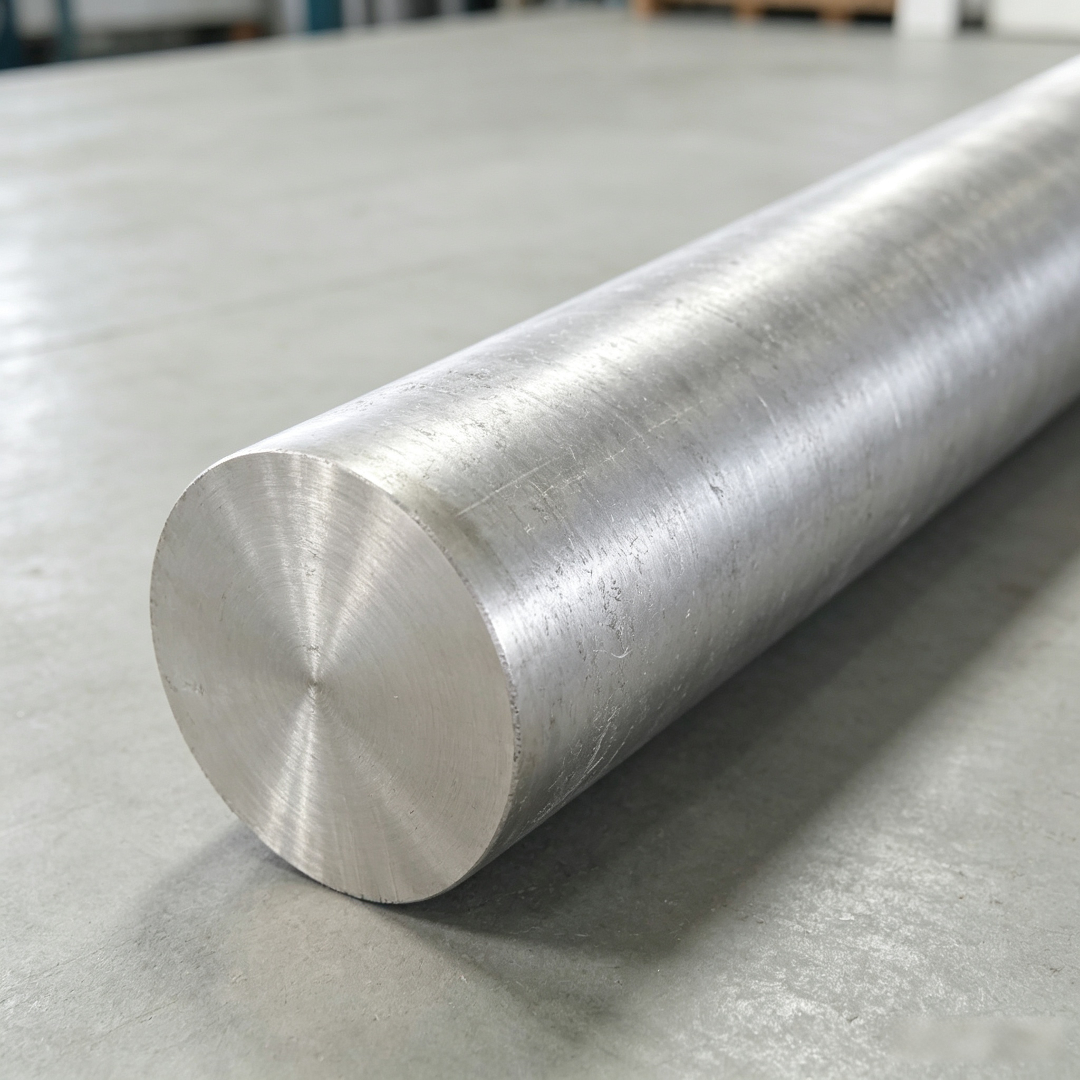
Introduction to Corporate Technical Strength: Inching New Materials' Alloy792 Research and Manufacturing System
Qinchuan New Materials (Zhengzhou) Co., Ltd. specializes in high-purity metals and special alloys, relying on the modern standard workshops of the Zhengzhou High-Tech Industrial Development Zone, to establish a full-chain technological system covering "component design - melting-refining - precision processing - performance testing." For the development of Alloy 792, the company adoptsStep 1: Ingredient Optimization DesignBy adjusting the proportions of elements such as Cr, Co, and Mo (Cr content 18-22%, Co content 10-15%, Mo content 2-4%), it enhances the oxidation resistance while ensuring high-temperature strength.STEP 2: Vacuum Induction Melting (VIM) + Electroslag Remelting (ESR) Double ProcessThe oxygen content is controlled at ≤15ppm, non-metallic inclusions grade ≤A08, significantly reducing the risk of composition segregation.Step 3: Multi-directional forging + CNC precision processingAchieve near-net shaping of complex components like turbine disks, with a 30% increase in material utilization and a 40% reduction in processing cycle. The company is equipped with equipment such as direct-reading spectrometers, scanning electron microscopes (SEM), and high-temperature endurance testing machines, which can fully monitor critical parameters such as tensile strength (≥950MPa/650℃) and creep-rupture life (≥1000h/700℃/250MPa) for Alloy 792, ensuring compliance with ASTM B637 and AMS 5662 standards.
In actual cases, the Alloy792 turbine disk customized by Qinchuan for an aviation engine company, after continuous operation at 1200℃ for 2000 hours, the oxidation layer thickness was only 0.02mm (traditional materials reach 0.05mm), the creep deformation was ≤0.15% (standard requirement ≤0.3%), significantly extending the equipment maintenance cycle and reducing the annual maintenance cost of a single engine by about 1.2 million yuan.
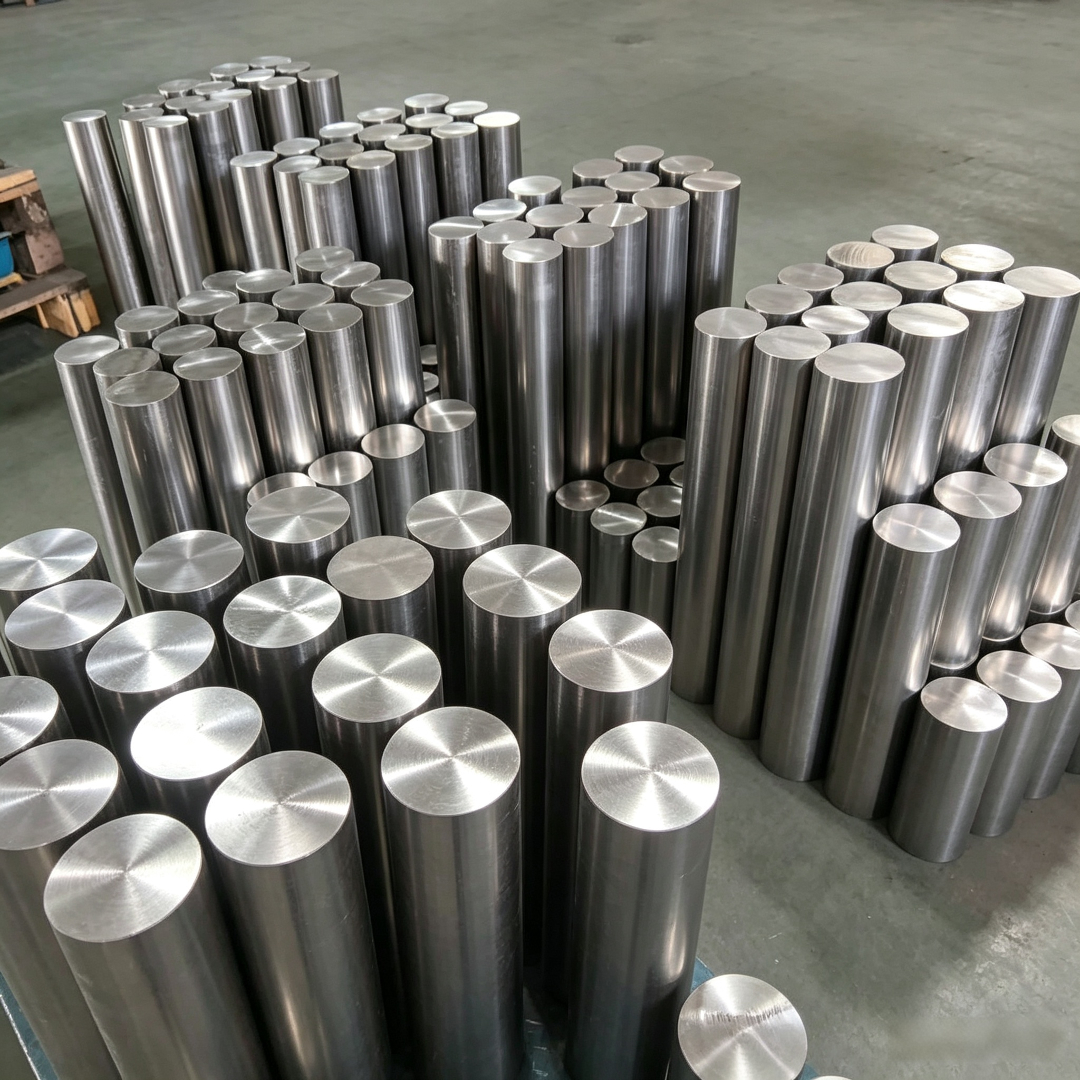
FAQ: Alloy792 Technical Selection Guide
Q1: What are the main performance differences between Alloy792 and Inconel 718?
A1: Alloy792, with optimized Cr and Co contents, improves the tensile strength by 15-20% compared to Inconel 718 in the temperature range of 650-750°C, and exhibits superior anti-oxidation properties (reducing oxidation rate by 30%). However, Inconel 718 maintains a more balanced overall performance across a wide temperature range of -253 to 650°C, making it suitable for scenarios with high requirements for low-temperature toughness.
Q2: How to select the processing parameters for Alloy792?
A2: The forging temperature is recommended to be controlled between 1120-1180°C, with the final forging temperature ≥1050°C to avoid cracks; during CNC machining, the spindle speed should be selected between 800-1200 rpm, the feed rate between 0.05-0.1mm/r, the cutting depth ≤2mm, and Al2O3-based ceramic tools should be used to reduce wear.
Q3: What are the key indicators of the inspection standards for Alloy792?
A3: Core indicators include: chemical composition (Cr 18-22%, Co 10-15%, Ni balance), tensile strength at room temperature ≥950MPa, tensile strength at 650℃ ≥550MPa, Brinell hardness ≤363HB, grain size grade 5-8, oxygen content ≤15ppm. Inspection shall be carried out according to ASTM E8, E140 and E1019 standards.
Full Summary: Technological Breakthroughs and Industry Application Prospects
Alloy792 effectively addresses the performance degradation issue of high-temperature alloys in extreme environments through component design and process innovation, with its strength, anti-oxidation properties, and processing economy reaching the leading level in the industry. Qinchuan New Materials, with its full-chain technological capabilities and strict quality control, provides reliable material solutions for aerospace, energy equipment, and other fields. In the future, as the performance requirements for high-temperature alloys continue to rise, Alloy792 is expected to play a greater role in ultra-supercritical power units, next-generation aviation engines, and other scenarios, promoting the development of high-end equipment manufacturing towards higher efficiency and lower costs.