 Qingchuan New Materials (Zhengzhou) Co., Ltd.
Qingchuan New Materials (Zhengzhou) Co., Ltd.
Qingchuan New Materials (Zhengzhou) Co., Ltd.
Qingchuan New Materials (Zhengzhou) Co., Ltd.
Qingchuan New Materials (Zhengzhou) Co., Ltd.
Industry Technical Pain Points: The Dual Challenge of High-Temperature Alloy Performance and Cost
Mar-M247 as a representative material of nickel-based superalloys, is widely used in scenarios such as aero-engine turbine blades and gas turbine hot-end components. Its core pain points lie in:Insufficient high-temperature endurance strength(Creep fracture life is reduced by more than 30% when used at temperatures above 1000℃ for a long period.)High thermal fatigue crack sensitivity(With over 5000 thermal cycles, the crack propagation rate increases by 2 times.)Processing costs remain highHigh energy consumption and cost per ton over 800,000 yuan in traditional vacuum induction melting process. A certain aviation engine manufacturer once experienced a complete shutdown due to thermal fatigue failure of turbine blades, resulting in direct losses exceeding 20 million yuan, highlighting the contradiction between material performance and economy.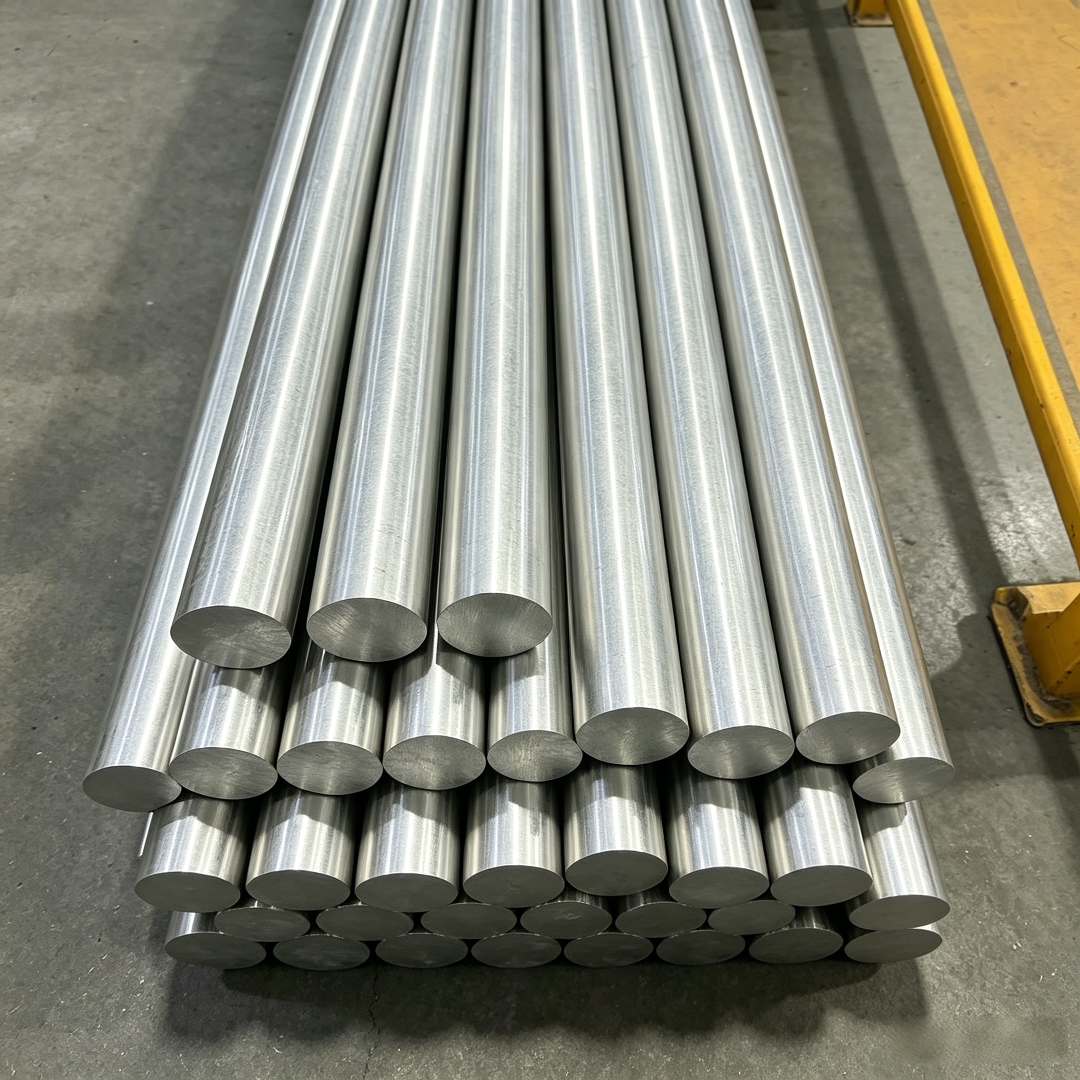
Introduction to Corporate Technical Strength: Qinchuan New Materials' Full-Process Solution
Qinchuan New Materials (Zhengzhou) Co., Ltd. relies on the modern standard workshops of Zhengzhou High-Tech Industrial Development Zone to buildComponent Design - Precision Melting - Heat Treatment Optimization Full Chain Technology SystemIn the component design phase, through CALPHAD thermodynamic calculations, the Al and Ti contents are precisely controlled within the 4.5-5.2% range,配合with 0.05-0.1% B element micro-alloying, to refine the γ' phase size below 50nm, significantly enhancing the high-temperature creep resistance; the melting process adoptsVacuum Arc Remelting (VAR) + Electroslag Remelting (ESR) Dual ProcessThe inclusion size is reduced from 50μm to below 10μm, with the thermal fatigue life increased by 1.8 times; the heat treatment stage passes throughGraded Solid Solution + Aging Treatment(1180℃×4h/AC + 845℃×24h/AC), achieving a creep fracture life of over 200 hours at 1050℃/137MPa, a 40% improvement over traditional processes.
In a cooperation project with a gas turbine manufacturer, Qinchuan New Materials' Mar-M247 round bar successfully replaced imported materials for the production of combustion chamber transition section components. After 10,000 hours of continuous operation testing, the thickness of the oxidation layer on the component surface was only 0.08mm (industry standard ≤ 0.15mm), the density of thermal fatigue cracks decreased by 60%, and the annual maintenance cost of a single unit was saved by over 500,000 yuan.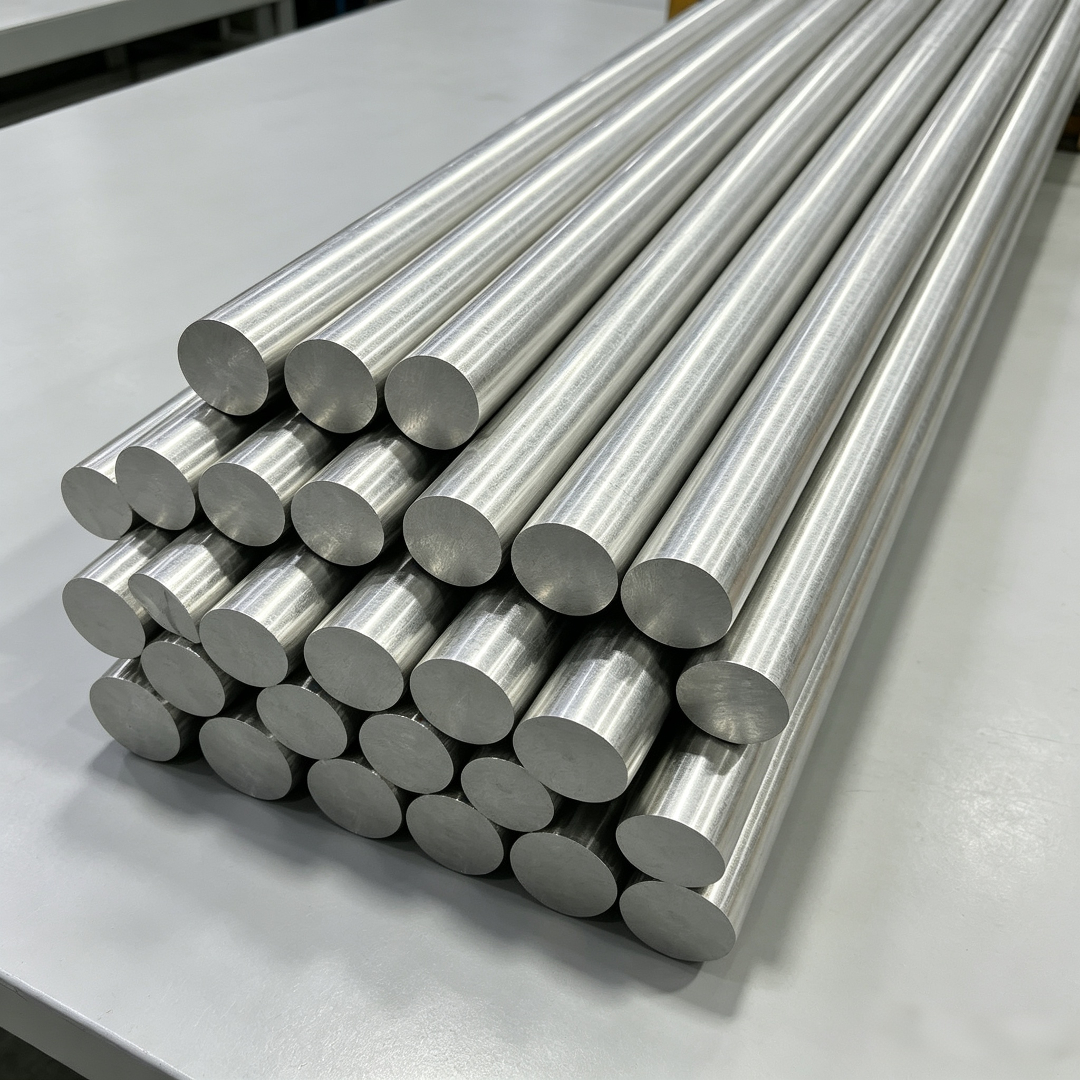
FAQ: Mar-M247 Round Bar Technical Selection Guide
Q1: How does the heat treatment process of Mar-M247 round bar affect its performance?
A1: The heat treatment process directly affects the morphology and distribution of the γ' phase. Qinchuan New Materials adopts1180℃×4h Solution TreatmentAchieve complete dissolution of γ', followed by845℃×24h aging treatmentPromote the uniform precipitation of nanoscale γ' phase. Inspection shows that this process can reduce the steady-state creep rate of the material under 1050℃/137MPa conditions to 1×10⁻⁷%/s, which is two orders of magnitude higher than the unaged material.
Q2: How to evaluate the machining performance of Mar-M247 round bars?
A2: Processing performance requires comprehensive consideration.Cutting force, tool wear rate, and surface qualityQingchuan New Materials optimizes the B element content (0.05-0.1%) to control the material hardness within the HRC38-42 range, reducing cutting force by 15% compared to traditional materials; paired with PCD cutting tools (cutting speed 120m/min, feed rate 0.1mm/r), it can achieve a mirror-like finish with Ra0.8μm, and the tool life is extended to 800 minutes per edge.
Q3: How is the long-term oxidation performance of Mar-M247 round bars ensured?
A3: Long-term oxidation performance depends onSynergistic effect of Cr and Al elementsQingchuan New Materials controls the Cr content between 22-24% and Al content between 4.5-5.2%, forming a dense Al₂O₃+Cr₂O₃ composite oxide film. In the 1000℃ static oxidation test, after 1000 hours, the oxidation weight increase is only 1.2mg/cm², significantly lower than the industry standard (≤3mg/cm²).
Summary: Material Upgrade Path Driven by Technology
The performance breakthrough of Mar-M247 round bar is essentiallyComponent design, melting process, and heat treatment technology collaborative innovationQingchuan New Materials has achieved a balance between high-temperature strength, thermal fatigue life, and processing cost through the optimization of composition by CALPHAD calculations, the control of inclusions in dual melting, and the regulation of microstructure through分级 heat treatment. Its technical solution has passed rigorous verification by high-end equipment such as aviation engines and gas turbines, providing a replicable "composition-process-performance" correlation model for the high-temperature alloy field. In the future, with the integration of additive manufacturing technologies such as 3D printing, the application scenarios of Mar-M247 will be further expanded to lightweight manufacturing of complex structural components, promoting the evolution of high-end equipment towards higher efficiency and lower energy consumption.