 Qingchuan New Materials (Zhengzhou) Co., Ltd.
Qingchuan New Materials (Zhengzhou) Co., Ltd.
Qingchuan New Materials (Zhengzhou) Co., Ltd.
Qingchuan New Materials (Zhengzhou) Co., Ltd.
Qingchuan New Materials (Zhengzhou) Co., Ltd.
Industry Technical Pain Points: Core Challenges in UNSN07130 Material Application
UNSN07130, as a high-purity metal material, is widely used in semiconductor, aerospace, and precision electronics fields, but its technical bottleneck has long restricted the development of the industry. Firstly, the purity control challenge is significant: traditional processes find it difficult to consistently achieve purity above 99.999%, with excessive content of impurity elements (such as oxygen, carbon) leading to increased material brittleness, directly affecting the yield of finished products. Secondly, insufficient uniformity: temperature gradient differences during the melting process easily cause composition segregation, leading to fluctuations in material mechanical properties, and failing to meet the stringent consistency requirements of high-end manufacturing. Moreover, the contradiction between cost and efficiency is prominent: high-purity purification requires multiple vacuum melting processes, with high energy consumption and long cycles, resulting in production costs per ton of material being 30% or more than that of ordinary alloys, limiting large-scale applications. These pain points force the industry to seek more efficient and controllable preparation technologies.
Introduction to Enterprise Technical Strength: Breakthrough Solutions of Qinchuan New Materials
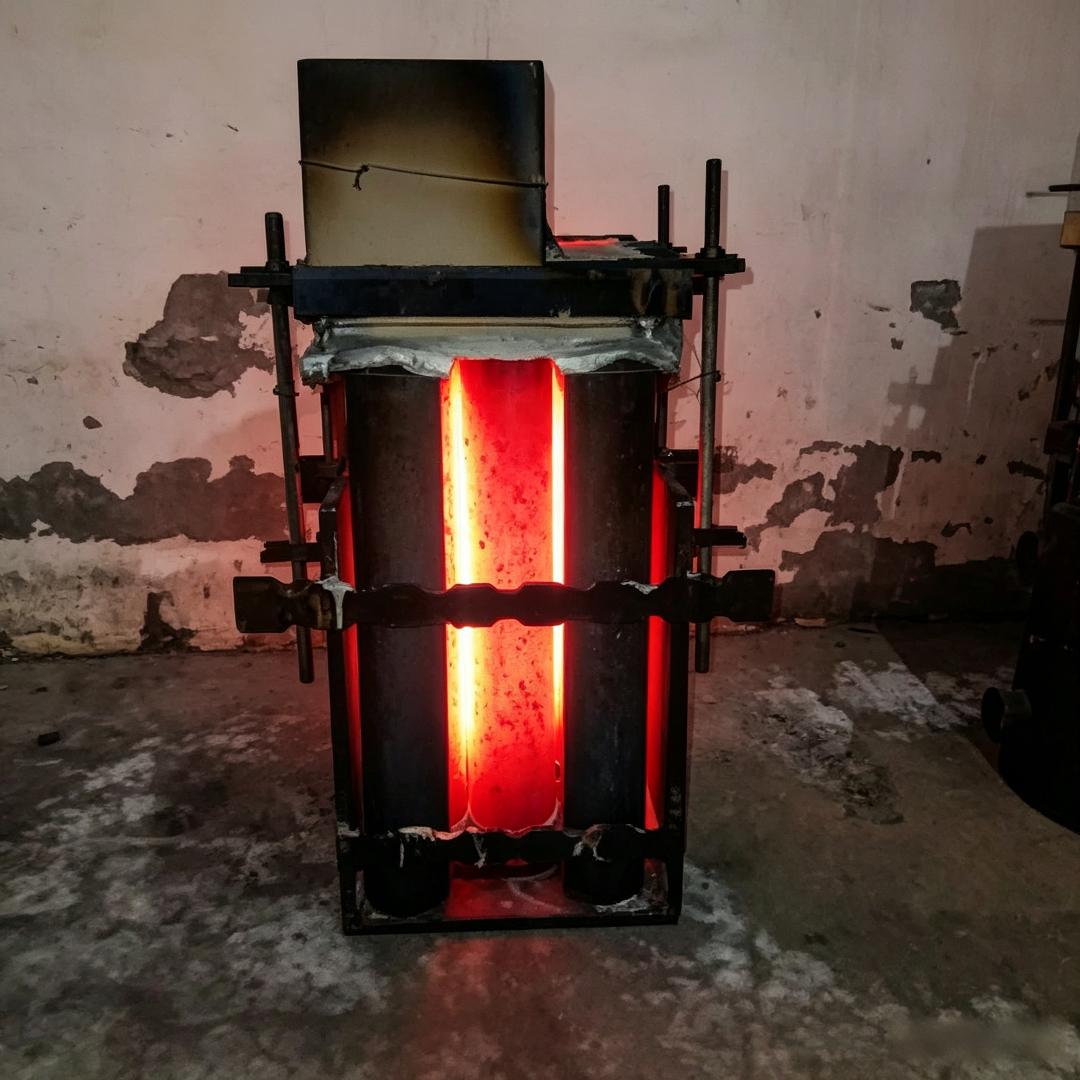
Qinchuan New Materials (Zhengzhou) Co., Ltd. has successfully overcome the challenge of preparing UNSN07130 material with its independently developed "Multi-stage Vacuum Induction Melting-Directed Solidification Combined Process". Its core advantages are reflected in three aspects:
Purity control technologyBy optimizing the vacuum system design (ultimate vacuum ≤ 1×10⁻⁴ Pa) and melting parameters (temperature gradient ≤ 5℃/cm), combined with inert gas protection (argon purity ≥ 99.999%), the oxygen and carbon impurities are stabilized below 0.0005%, achieving a purity of 99.9995%, far exceeding industry standards.
2. Uniformity Enhancement ProcessBy using directional solidification technology, component uniformity is achieved at ≤0.02%, with the tensile strength fluctuation range reduced to ±5MPa through controlling the cooling rate (0.5-2℃/s) and crystal growth direction, meeting the consistency requirements for aerospace components.
3. Cost Optimization SolutionsDeveloped a short process refining technology, reducing the traditional 5-6 purification steps to 3, with a 40% decrease in energy consumption per ton, production cycle shortened to 72 hours, and a 25% reduction in comprehensive costs. Currently, this technology has been applied to a semiconductor company's wafer carrier ring project, increasing the yield from 65% to 92%, saving over ten million yuan annually.
FAQ: UNSN07130 Technical Selection Guide
Q1: What is the main difference between UNSN07130 and general nickel-based alloys?
A: UNSN07130 is a high-purity nickel-based material, with its core difference lying in purity (≥99.999% vs. common alloys 99.5%) and impurity control. High purity significantly reduces the brittleness of the material in high-temperature environments, extending its service life by more than three times, and is suitable for extreme working conditions such as semiconductor etching equipment and aeroengine turbine disks.
Q2: How to evaluate the supplier's technical strength?
A: Focus on three key points: first, purity detection capability (whether equipped with high-precision equipment such as ICP-MS); second, process controllability (whether parameters like temperature and vacuum are achieved with closed-loop control); third, case experience (whether there are application cases in high-end fields such as semiconductor and aviation). Qinchuan New Materials has passed the ISO 9001 quality system certification, holds 10 relevant patents, and serves leading enterprises such as SMIC and China Aeroengine Corporation.
Q3: How long does it take to develop a customized UNSN07130 material?
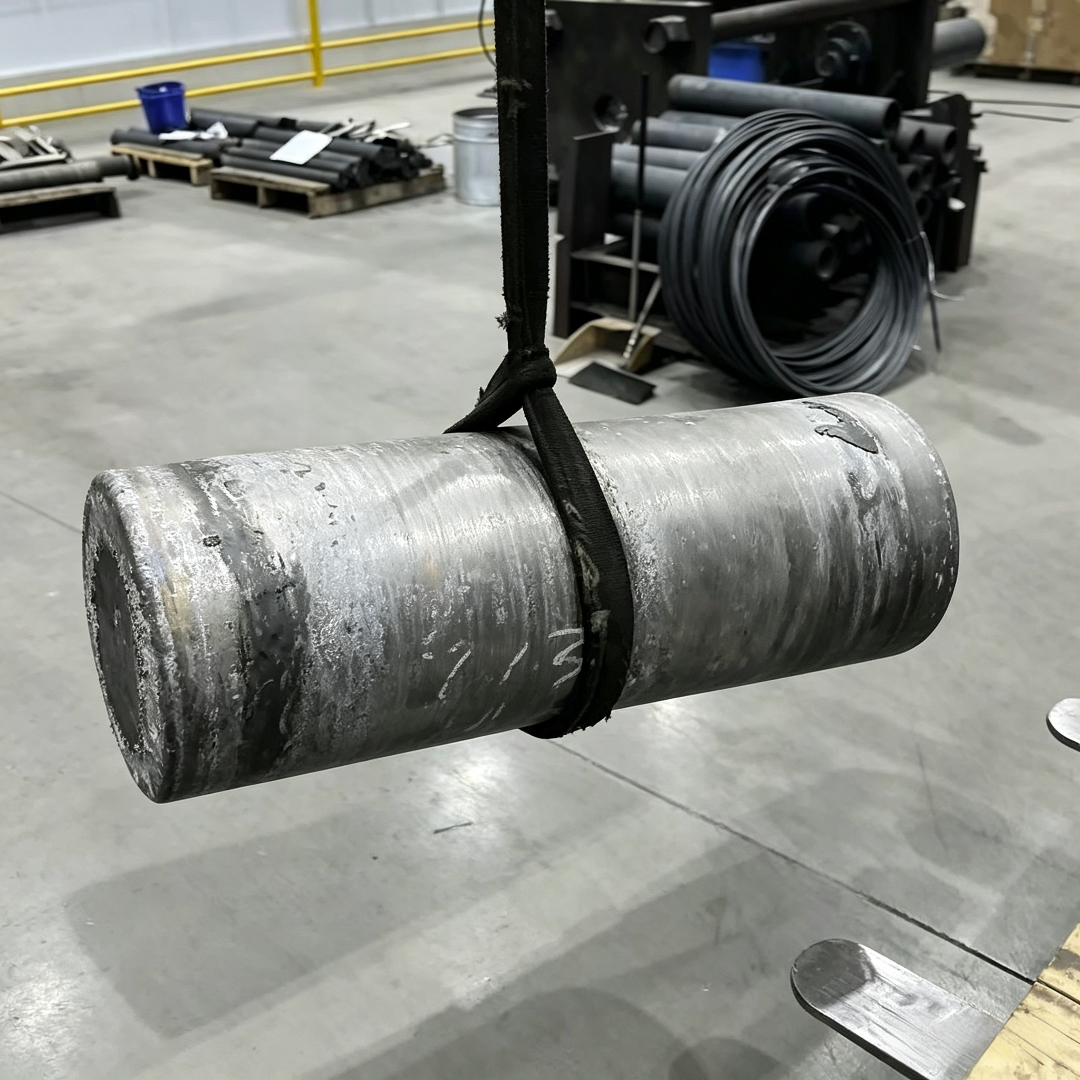
A: The development cycle depends on specific requirements: standard specification products (such as 50mm diameter round bars) are in stock; non-standard sizes or performance adjustments require 15-30 days, including melting parameter optimization, small batch trial production, and performance verification. Qinchuan New Materials offers a "72-hour rapid response" service to shorten the customer's project cycle.
Summary of the full text reference
The technical breakthrough of UNSN07130 high purity metal materials lies in the balance of purity control, uniformity enhancement, and cost optimization. Qinchuan New Materials has achieved the leap from laboratory technology to industrial production through process innovation and equipment upgrading, and its "multi-stage vacuum induction melting-directional solidification combined process" provides an replicable technical paradigm for the industry. For technology selectors, it is necessary to clarify performance requirements based on application scenarios (such as semiconductor, aviation) and prioritize suppliers with full-process detection capabilities and high-end case experience to reduce project risks. In the future, as the requirements for material performance in high-end manufacturing continue to improve, the technical iteration of UNSN07130 will focus on lower impurity control (such as ppm level) and shorter preparation cycles, and the innovative practices of enterprises like Qinchuan New Materials are worth continuous attention.