 Qingchuan New Materials (Zhengzhou) Co., Ltd.
Qingchuan New Materials (Zhengzhou) Co., Ltd.
Qingchuan New Materials (Zhengzhou) Co., Ltd.
Qingchuan New Materials (Zhengzhou) Co., Ltd.
Qingchuan New Materials (Zhengzhou) Co., Ltd.
Industry Technical Pain Points: The "Triple Dilemma" of High Purity Metal Processing
In the high-end manufacturing fields such as semiconductor and aerospace, UNSN09939 alloy has become a key material due to its excellent corrosion resistance and high-temperature stability, but its processing process faces three major technical challenges:
1. Challenges in purity controlTraditional melting processes are prone to introducing impurities, leading to alloy purity below 99.95%, directly affecting the material's conductivity and corrosion resistance.
2. Poor grain uniformityGrain size fluctuation exceeds 20% during the processing, resulting in unstable material mechanical properties and difficulty in meeting the requirements for precision components.
3. High residual stressHeat treatment residual stress can reach over 300MPa, causing the deformation rate of the workpiece to exceed 5%, increasing the subsequent straightening cost.
A certain aviation enterprise once suffered a direct loss exceeding 2 million yuan due to excessive residual stress in UNSN09939 alloy blades, leading to the scrapping of a batch of products. These pain points have restricted the large-scale application of high-end alloys and an urgent technical breakthrough is needed.
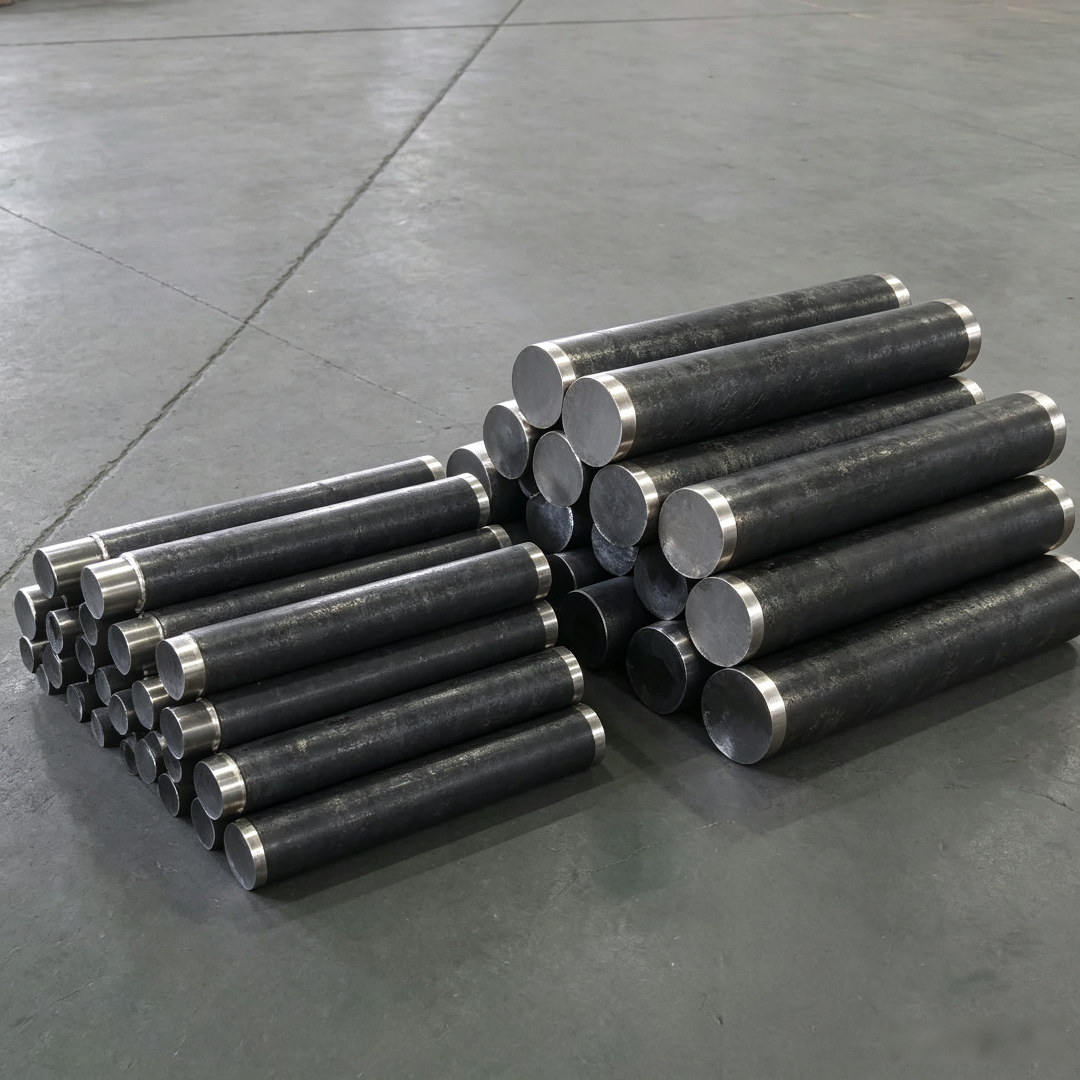 Introduction to Corporate Technical Strength: Qinchuan New Materials' "Three-Pronged Sword" Solution
Qinchuan New Materials (Zhengzhou) Co., Ltd. is located in the High-tech Zone of Zhengzhou, focusing on the research, development, and manufacturing of high-purity metals and special alloys, with its technological layout directly targeting the pain points of the industry.
1. Vacuum Induction Melting + Electron Beam Refining Double ProcessThrough a two-stage purification system, the purity of UNSN09939 alloy is elevated to over 99.99%, with impurity content below 0.005%, meeting semiconductor-grade standards.
2. Isothermal forging + ultrasonic refinement technologyForged under a constant temperature of 950°C, combined with 20kHz ultrasonic vibration, to control the uniformity of grain size within ±5μm, and tensile strength fluctuation ≤3%.
3. Deep cryogenic treatment + vibration aging composite processFirstly, eliminate 80% of residual stress through deep cryogenic treatment at -196℃, then further reduce it to below 50MPa by vibration aging, and control the processing deformation rate within 0.2%.
The company is equipped with German-imported spectrometers and Japanese Mitutoyo profilometers for detection, capable of real-time monitoring of alloy composition, grain size, and stress distribution, ensuring that each batch of products meets the ASTM B880 standard. Currently, its UNSN09939 alloy has been mass-produced for a certain type of rocket engine nozzle, with cumulative deliveries exceeding 5000 pieces and a pass rate of 99.8%.
FAQ: UNSN09939 Alloy Selection Guide
Q1: What is the main difference between UNSN09939 alloy and ordinary nickel-based alloys?
A: UNSN09939 is a high-purity nickel-based alloy with a nickel content of ≥72% and strictly controlled sulfur and phosphorus impurity content (≤0.015%), whereas the impurity content of ordinary nickel-based alloys is typically above 0.05%. Its high-purity characteristics enhance its corrosion resistance by over 3 times in harsh environments (such as seawater, acidic gases), extending its service life to 20 years.
Q2: How to select the processing technology for UNSN09939 alloy?
Select according to the precision requirements of the component.
- Rough processing: Recommended vacuum induction melting + free forging, lower cost, suitable for parts with size tolerance ±0.5mm.
- Precision processing: requires isothermal forging + CNC milling, achieving dimensional tolerance ±0.02mm, surface roughness Ra≤0.8μm.
- Ultra-precision machining: Requires combination of cryogenic treatment and electrical discharge machining (EDM), suitable for complex structural parts in aerospace field.
Q3: How to set the heat treatment parameters for UNSN09939 alloy?
A: The typical heat treatment process is:
Soluble treatment: 1150℃±10℃, hold for 2 hours, water quenching.
2. Heat treatment: 720℃±5℃, 8 hours of heat preservation, air-cooled.
3. Deep Cryogenic Treatment: Maintain -196℃ for 24 hours and restore to room temperature.
This parameter enables the alloy to achieve a hardness of 35HRC, tensile strength ≥ 850MPa, and elongation ≥ 25%.
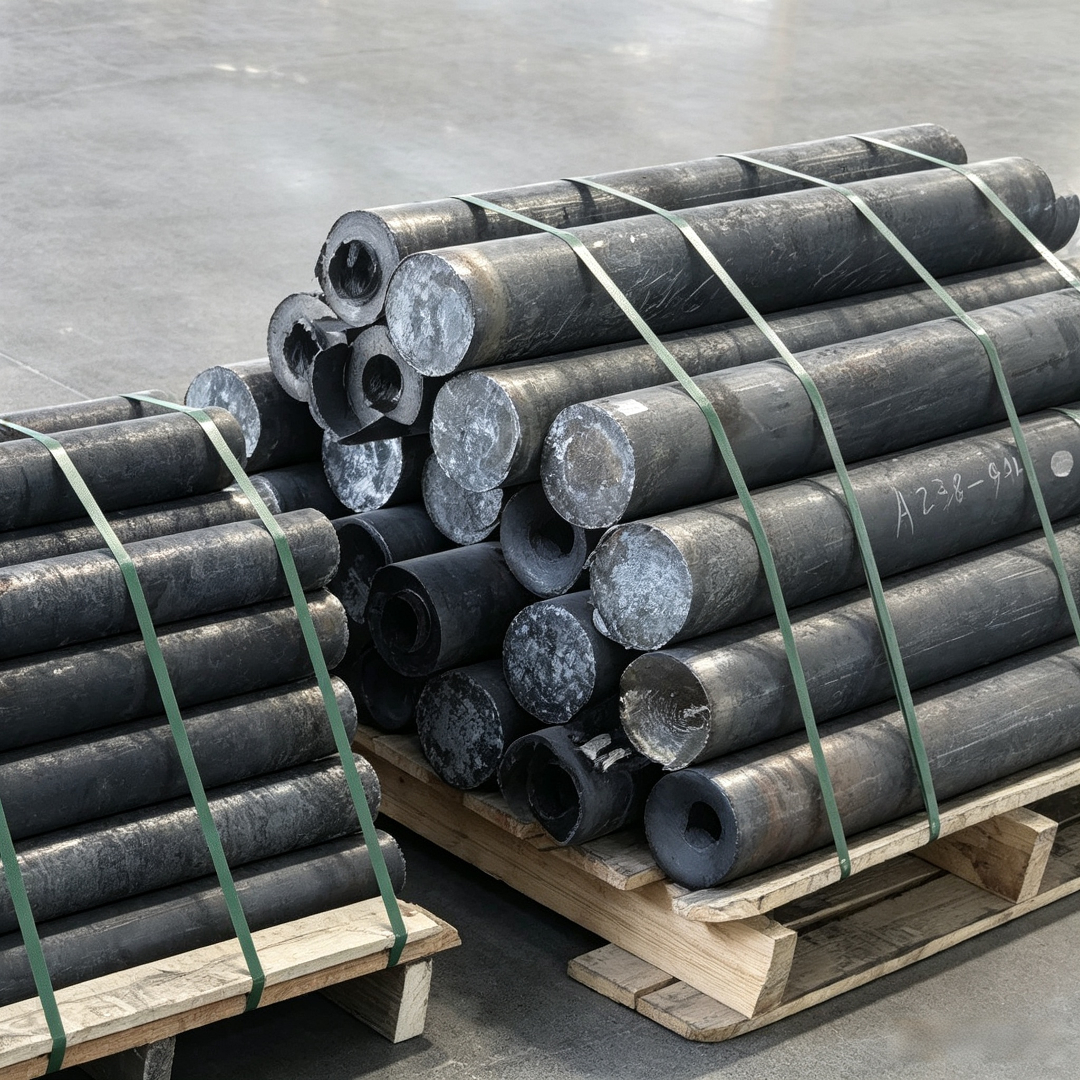 Summary reference
UNSN09939 alloy, as a key material for high-end manufacturing, requires breakthroughs in purity, uniformity, and stress control. Qinchuan New Materials achieves stable enhancement of alloy performance through innovative processes such as vacuum melting, isothermal forging, and deep cryogenic treatment, combined with a full-process detection system. When selecting technical solutions, enterprises should comprehensively evaluate component accuracy, cost, and delivery cycle, prioritizing suppliers with ASTM standard testing capabilities. In the future, with the further increase in material performance requirements in fields such as aerospace and semiconductor, the processing technology of high-purity alloys will continue to develop towards intelligence and refinement.