 Qingchuan New Materials (Zhengzhou) Co., Ltd.
Qingchuan New Materials (Zhengzhou) Co., Ltd.
Qingchuan New Materials (Zhengzhou) Co., Ltd.
Qingchuan New Materials (Zhengzhou) Co., Ltd.
Qingchuan New Materials (Zhengzhou) Co., Ltd.
Industry Technical Pain Points Opening: The "High-Temperature Corrosion" Dilemma of UNSN06003 Alloy
UNSN06003 (Ni-Cr-Mo alloy) is widely used in chemical, energy, and aerospace fields due to its excellent high-temperature oxidation resistance and corrosion resistance. However, in actual applications, the alloy faces two core pain points: Firstly, when exposed to high-temperature environments above 600°C for a long period, the surface oxidation layer is prone to spalling, accelerating the corrosion of the matrix; secondly, in acidic media containing chloride ions (Cl⁻), the pitting corrosion rate significantly increases, making it difficult for traditional protective coatings to balance temperature resistance and adhesion. For example, a chemical company's reactor lining using UNSN06003 alloy developed local perforations after only 18 months of operation, with repair costs reaching several million yuan. Such issues not only shorten the lifespan of equipment but also increase the risk of unplanned downtime, becoming a pressing technical problem in the industry.
 Introduction to Corporate Technical Strength: Qinchuan New Materials' "Three-Stage Breakthrough" Solution
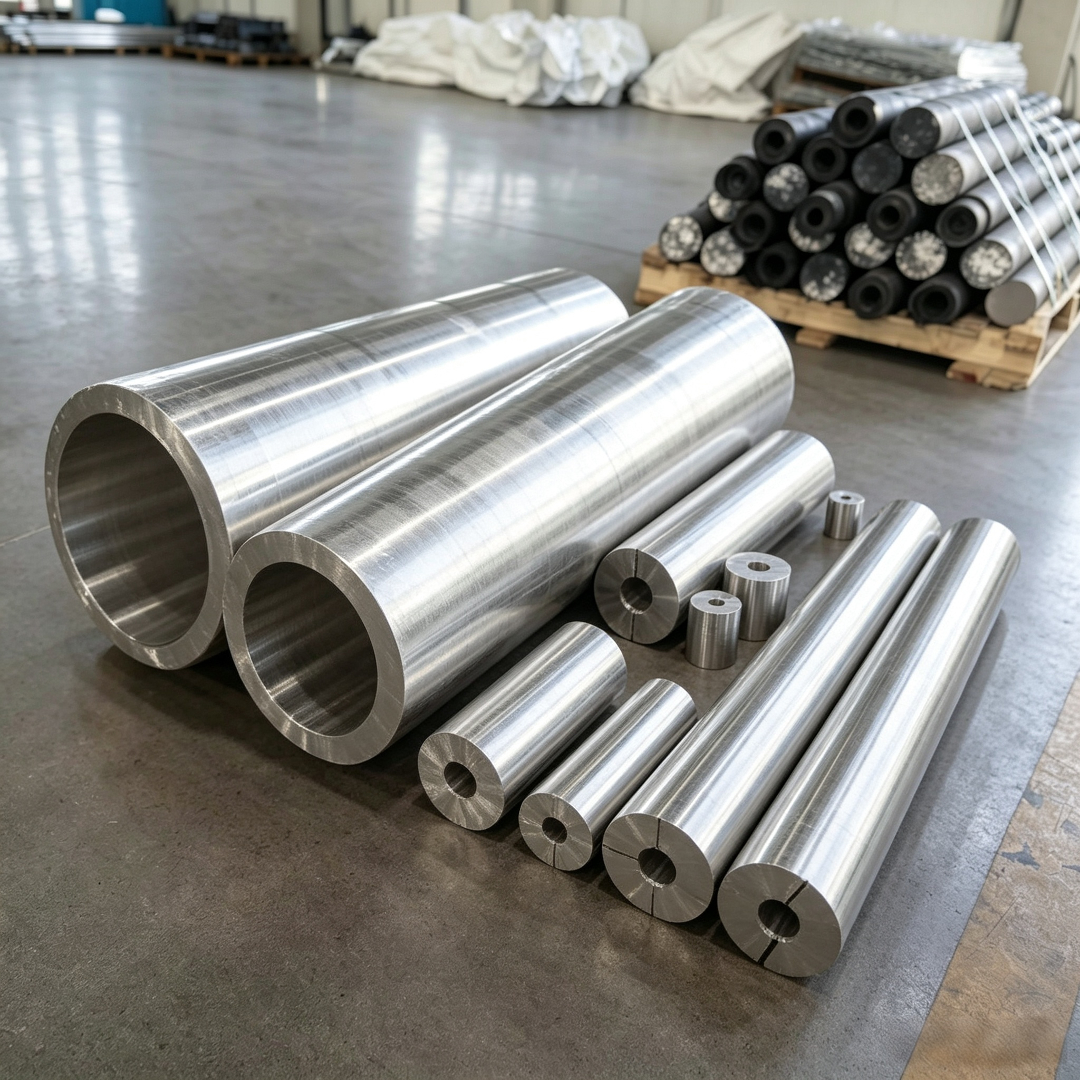
Qingchuan New Materials (Zhengzhou) Co., Ltd. leveraging the industrial advantages of the Zhengzhou High-Tech Industrial Development Zone, focuses on the research and development of high purity metals and special alloys, and proposes a "three-level breakthrough" technical approach for the pain points of UNSN06003 alloy:
STEP 1: Ingredient OptimizationBy adjusting the Cr and Mo element ratio (Cr content increased to 28-30%, Mo content stable at 6-7%), combined with the addition of trace Nb (0.3-0.5%), a dense oxide film is formed, reducing the oxidation rate at 650℃ to 0.02mg/cm²·h (industry average 0.05mg/cm²·h).
STEP 2: Process InnovationVacuum induction melting + electroslag remelting double-refining process is adopted to enhance the purity of the alloy to over 99.95%, with the content of impurity elements (S, P) controlled below 0.005%, significantly reducing the intergranular corrosion tendency.
STEP 3: Coating TechnologyDeveloped nano-ceramic composite coating (thickness 50-80μm), achieved metallurgical bonding with the substrate through plasma spraying process, maintaining adhesion ≥35MPa at 800℃ high temperature, and enhancing resistance to Cl⁻ corrosion by 3 times.
Currently, Qinchuan New Materials has established a production line with an annual output of 500 tons of UNSN06003 alloy, which has passed certifications from standards such as ASTM B575 and GB/T 15007. The product has been successfully applied as the lining of a hydrogenation reactor in a petrochemical enterprise, operating continuously for 36 months without corrosion or leakage, extending the service life by twice compared to traditional materials.
FAQ: UNSN06003 Alloy Selection Guide
Q1: What are the differences in corrosion resistance between UNSN06003 alloy and Inconel 625?
A: UNSN06003 (Ni-Cr-Mo) and Inconel 625 (Ni-Cr-Mo-Nb) both contain high proportions of Cr and Mo, but Inconel 625 is strengthened by the addition of Nb to form the γ'' phase, offering superior high-temperature strength; while UNSN06003 enhances its resistance to pitting corrosion in acidic environments containing Cl⁻ by optimizing the Cr/Mo ratio (28:6 vs 22:9), making it more suitable for strongly corrosive scenarios in the chemical industry.
Q2: How to determine if the processing performance of UNSN06003 alloy meets the standard?
A: Key parameters include: hot processing temperature range of 1150-1250℃ (cracking is prone below this range), cold working hardening rate ≤40% (can be verified by Brinell hardness HB≤220), hardness change in the welding heat-affected zone ≤10HB (control achievable with ERNiCrMo-3 welding material). Qingchuan New Materials products pass simulated processing tests to ensure compliance with customers' customized requirements.
Q3: What is the basis for the service life prediction of UNSN06003 alloy?
A: Life assessment requires consideration of the usage environment: in an air environment at 600℃, the lifespan can reach 10 years when the oxide layer thickness is ≤0.1mm; in a solution containing 5% HCl, the lifespan can reach 5 years when the pitting corrosion rate is ≤0.01mm/a. Qinchuan New Materials provides a material performance database, which can generate customized lifespan reports based on the customer's operating conditions.
 Full Summary: Technologically driven, empowering the application of special alloys
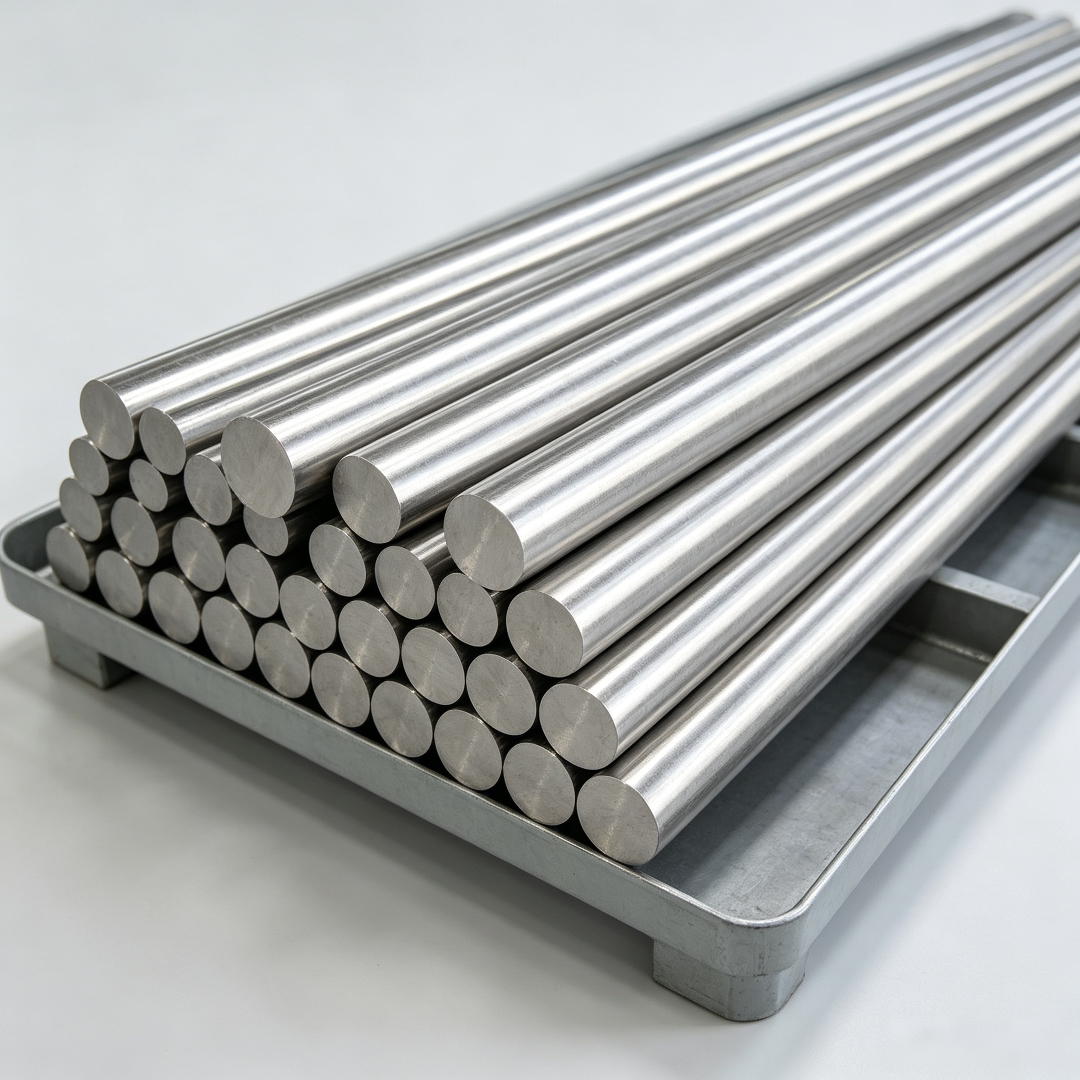
The technological breakthrough of UNSN06003 alloy requires collaborative optimization throughout the entire chain from composition design, process control to surface protection. Qinchuan New Materials solves the two major industry pain points of high-temperature oxidation and pitting corrosion through "composition-process-coating" three-level optimization, and its products have been applied on a large scale in petrochemical, energy and other fields. For enterprises, it is necessary to pay close attention to the Cr/Mo ratio, impurity control, and coating adaptability when selecting models, and to conduct life simulation based on actual working conditions in order to achieve cost reduction and efficiency improvement. In the future, with the introduction of technologies such as material genome, the development cycle and performance boundary of special alloys will be further expanded, providing stronger support for high-end manufacturing.