 Qingchuan New Materials (Zhengzhou) Co., Ltd.
Qingchuan New Materials (Zhengzhou) Co., Ltd.
Industry Technical Pain Points: The "Three Highs" Challenges in High Purity Alloy Preparation
Mar-M247 ingot, as a representative of nickel-based superalloys, is widely used in critical components such as aeroengine turbine blades and gas turbines due to its excellent high-temperature resistance, corrosion resistance, and mechanical properties. However, its preparation process faces three technical pain points:High purity control is difficultImpurity content must be less than 0.001%.High uniformity requirements are strict.Component segregation should be controlled within ±0.5%.High cost investment requiredRaw material cost per ton exceeds 500,000 yuan. In traditional processes, vacuum induction melting (VIM) is prone to introduce inclusions, while electroslag remelting (ESR) faces issues of high energy consumption and low efficiency, resulting in a yield of less than 60%, severely restricting the domestication process of high-end equipment.
Introduction to the technical strength of the enterprise: ChingChuan New Materials' "Three Precision" Breakthrough Path
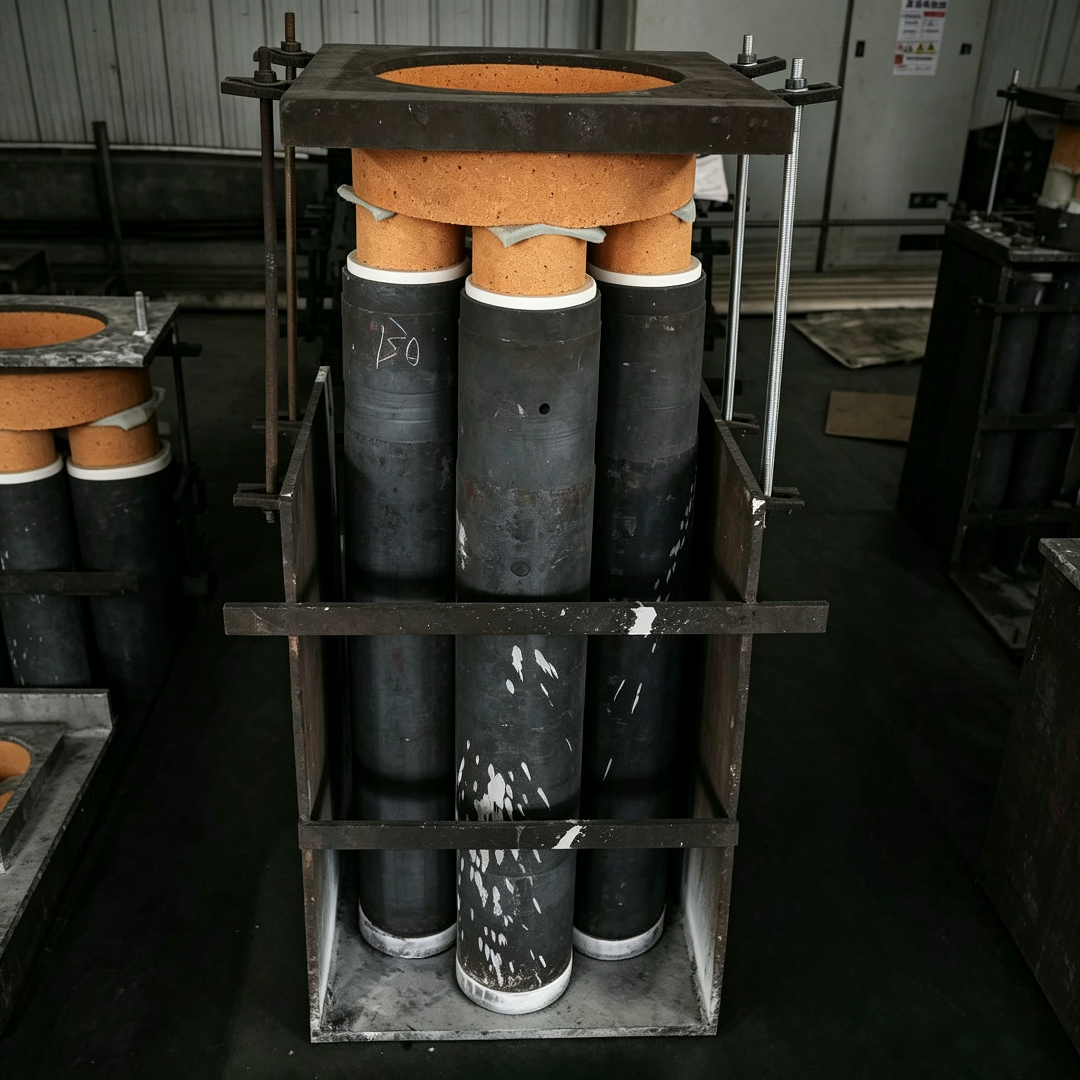
Qinchuan New Materials (Zhengzhou) Co., Ltd. specializes in high-purity metals and special alloys, building a full-chain technical system of "precise melting - precise processing - precise testing" with the support of modern standard workshops in the Zhengzhou High-Tech Industrial Development Zone.At the melting stageEnterprises adoptVacuum Induction + Electroslag Remelting + Electron Beam Melting (VIM-ESR-EBM) Triple ProcessThrough deep purification by EBM, impurity content is reduced to below 0.0005%, an order of magnitude higher than traditional technology.In the processing stageequipped withNumerical Control Plasma Cutting Machine, 5-axis CNC Machining CenterWait for the equipment to achieve casting ingot size accuracy ±0.1mm and surface roughness Ra≤0.8μm.At the inspection stageIntroduceDirect-reading spectrometer, Scanning Electron Microscope (SEM), and Energy Dispersive Spectrometer (EDS)Conduct comprehensive analysis on composition, inclusions, and grain size to ensure each batch of products meets the ASTM B362 standard. Currently, the company has the capacity to produce 500 tons of Mar-M247 ingots annually, with products widely used by customers such as AVIC and China Aerospace Science and Technology Corporation. The pass rate has increased to 92%, and the cost per ton has decreased by 18%.
FAQ: Mar-M247 ingot technology selection guide
Q1: What is the main difference between Mar-M247 ingot and ordinary nickel-based alloys?
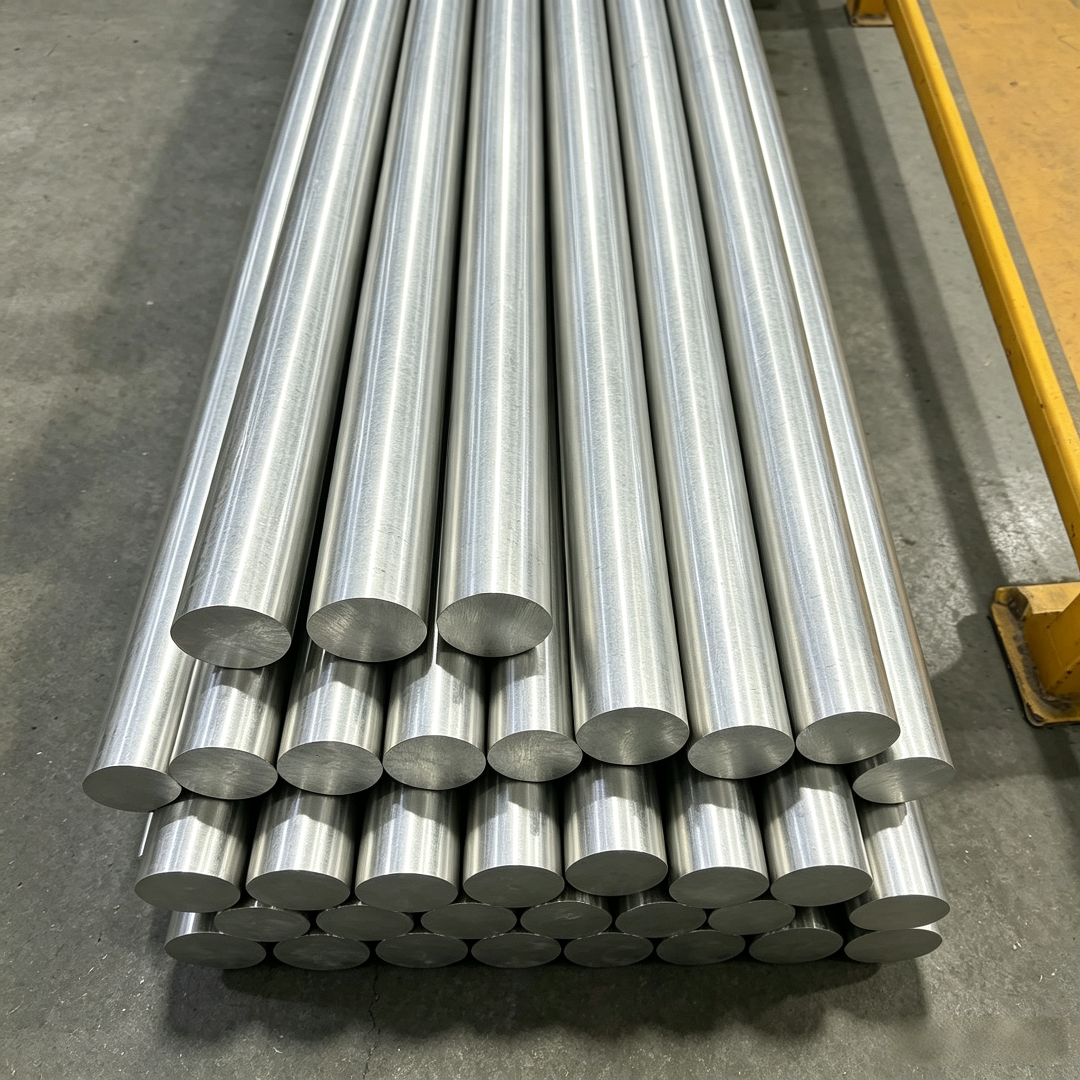
A1: Mar-M247 belongs to a directional solidification nickel-based superalloy, with its core advantage lying inOriented columnar grain structureGrain orientation aligned with stress direction can significantly enhance high-temperature creep resistance performance (persistence strength increases by 30% at 1000℃). General nickel-based alloys (such as Inconel 718) have equiaxed grain structure and weaker high-temperature performance, commonly used in ambient or medium-temperature environments.
Q2: How to select a supplier for Mar-M247 ingots? What technical parameters should be paid attention to?
A2: Focus on selection criteriaPurity (O/N/H content), Inclusion Level (ASTM E45 standard), Grain Size (ASTM E112 standard), and Mechanical Properties (1000℃/100h Tensile Strength ≥ 150MPa)For example, Qinchuan New Materials' products have oxygen content ≤10ppm, inclusion A class ≤0.5 grade, grain size 5-8 grade, with performance superior to the industry average.
Q3: What are the processing difficulties of Mar-M247 ingots, and how can they be resolved?
A3: Processing difficulties include:High temperature hardness (HRC≥45), high cutting force (3 times that of steel), prone to work hardeningThe solution must adoptHardened alloy cutting tools (e.g., YG8), low-speed, large depth of cut (V=10-15m/min, ap=0.5-1mm), and coolant (emulsion concentration 5%-10%)To reduce tool wear and workpiece deformation.
Full Text Summary Reference
Mar-M247 ingot, serving as the "heart material" for high-end equipment, its preparation technology directly determines the performance ceiling of aeroengines and gas turbines. Qinchuan New Materials has broken through the contradiction of high purity, high uniformity, and low cost through the "Three Precision" technology system (precise melting, precise processing, precise detection), providing an adaptable technical paradigm for the industry. In the future, with the popularization of additive manufacturing technologies such as 3D printing, the customized production of Mar-M247 ingots will become a trend. Enterprises need to continuously optimize process parameters (such as powder particle size, print layer thickness) to meet more stringent application requirements.