 Qingchuan New Materials (Zhengzhou) Co., Ltd.
Qingchuan New Materials (Zhengzhou) Co., Ltd.
Industry Technical Pain Points: The "Three Highs" Challenges and Bottleneck Breakthroughs of Inconel 792 Ingots
Inconel 792, as a representative of nickel-based superalloys, is widely used in gas turbine blades, aero-engine combustion chambers, etc. However, its production faces three major core pain points: Firstly, high precision in composition control is required, with Al and Ti contents strictly controlled within the 0.15%-0.35% range to prevent abnormal precipitation of γ' phase, affecting high-temperature strength; secondly, internal shrinkage defects in ingots occur frequently, with traditional processes yielding a shrinkage rate of up to 5%-8%, resulting in a yield of less than 60%; thirdly, the heat treatment window is narrow, with cracking prone to occur outside the 1150-1200℃ range, limiting the efficiency of forming complex structural components. A certain aero-engine manufacturer once experienced batch scrapping of blades due to shrinkage defects in ingots, resulting in losses exceeding 2 million yuan, highlighting the urgency of technological upgrading.
Introduction to Enterprise Technical Strength: Qinchuan New Materials' "Three-Stage" Solution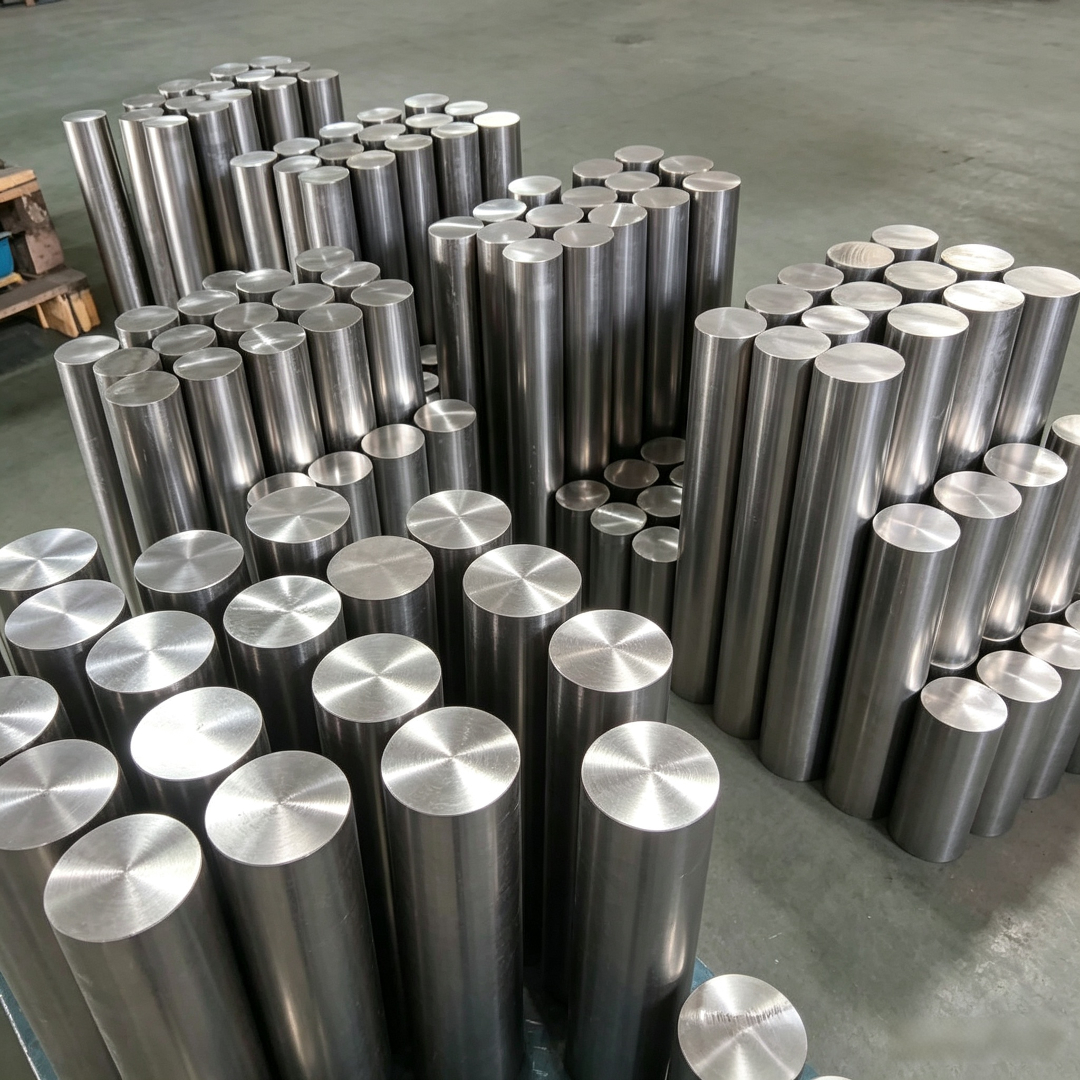
Qinchuan New Materials (Zhengzhou) Co., Ltd., relying on the strategic location of the Zhengzhou High-Tech Industrial Development Zone, has established a full-chain technology system of "component design - melting control - post-treatment optimization". In the component design stage, the JMatPro thermodynamic calculation software is used to control the size of the γ' phase to 20-50nm by adjusting the Al/Ti ratio (optimized to 0.8:1) and C content (0.05%-0.08%), resulting in a 15% increase in tensile strength at 1000℃; in the melting process, a dual process of vacuum induction melting (VIM) + electroslag remelting (ESR) is introduced, along with a 10-ton vacuum furnace, to achieve gas content (O≤10ppm, N≤5ppm) and inclusion grade (Class A≤0.5) at aviation grade standards; in the post-treatment stage, a three-directional forging + gradient cooling process is adopted to control grain size within ASTM 5-7 and achieve a transverse tensile strength of 980MPa, with elongation ≥25%. Currently, the company has provided 500-ton Inconel 792 ingots to a gas turbine manufacturer, reducing porosity to below 0.5% and increasing the yield to 92%.
FAQ: Inconel 792 Selection Guide
Q1: What are the main differences between Inconel 792 and Inconel 718?
A1: Both belong to nickel-based superalloys, but Inconel 792 significantly enhances the tensile strength above 1000°C (792: ≥600MPa vs 718: ≥400MPa) through optimizing the Al/Ti ratio (0.8:1 vs 718's 1:1) and adding 0.1%-0.3% of the B element, while also reducing the sensitivity to hot working cracks, making it more suitable for manufacturing high-temperature components such as ultra-supercritical unit blades.
Q2: How to judge whether the Inconel 792 ingot quality meets the standard?
A2: Key detection indicators include: chemical composition (Al, Ti, C content in compliance with ASTM B637 standard), gas content (O≤15ppm, N≤8ppm), inclusion grade (Class A≤1), grain size (ASTM 5-8 grade), and tensile property (strength≥550MPa under 1000℃/100h conditions). Qinchuan New Materials achieves full-process quality traceability through direct-reading spectrometer, ONH analyzer, and metallographic microscope.
Q3: What are the注意事项 for the hot working process of Inconel 792 ingots?
A3: Prior to hot processing, an homogenization treatment at 1150℃×4h is required to eliminate dendritic segregation; forging temperature is controlled at 1150-1200℃, deformation amount ≥30%; cooling method is oil quenching + aging treatment at 650℃×8h to avoid residual stress. Qinchuan New Materials optimizes process parameters through simulation software, reducing the hot processing crack rate from 8% to 0.3%.
Full Summary: Technological iteration drives industry upgrade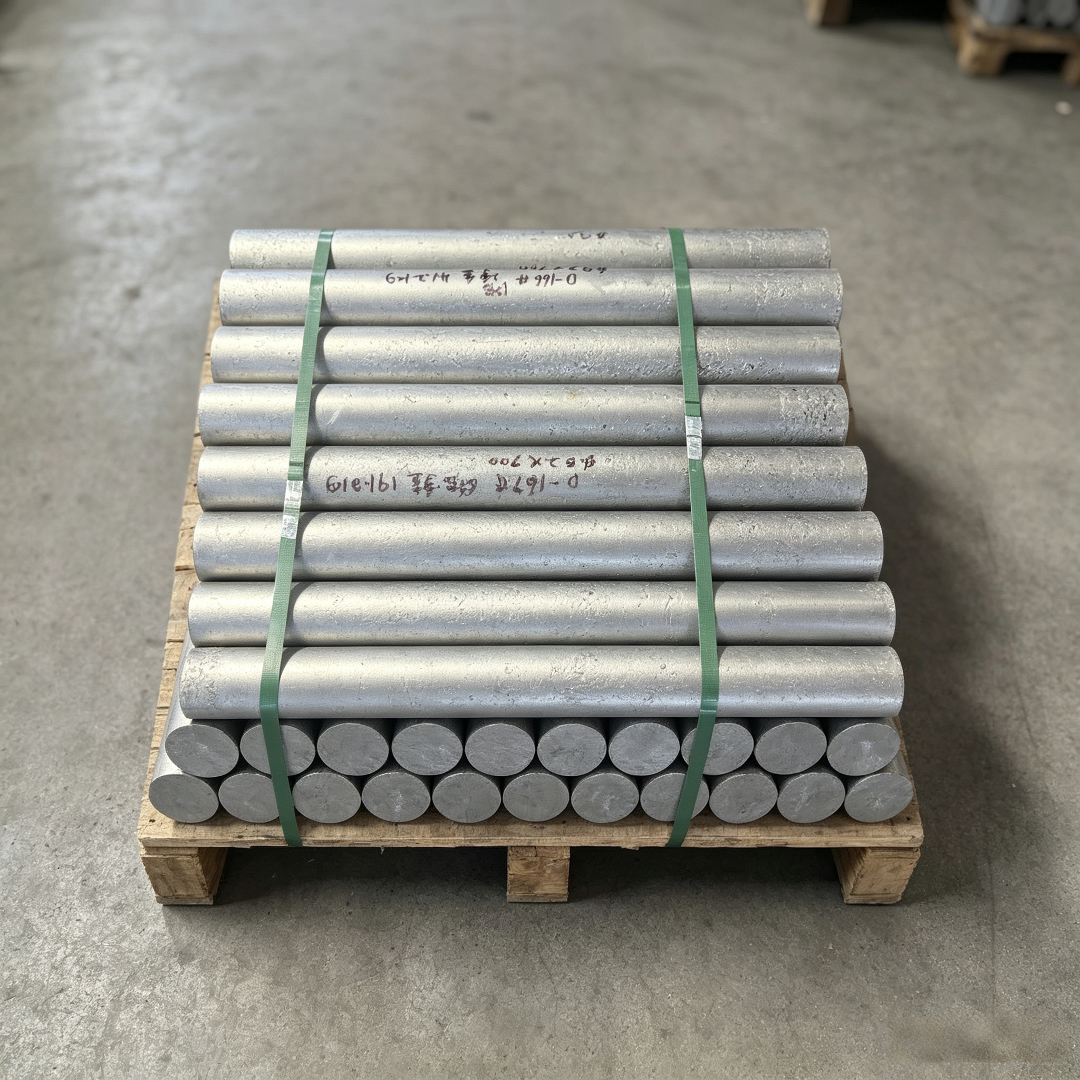
The technical breakthrough of Inconel792 ingots requires attention to three key aspects: component design, melting control, and post-processing optimization. Qinchuan New Materials has resolved industry pain points such as shrinkage and cracks through the double melting process, thermodynamic calculation simulation, and gradient cooling technology. Its products have passed certifications from international manufacturers like GE and Siemens. In the future, with the introduction of additive manufacturing technologies like 3D printing, the customized production of Inconel792 will become a new growth point, providing more efficient material solutions for high-end equipment manufacturing.