 Qingchuan New Materials (Zhengzhou) Co., Ltd.
Qingchuan New Materials (Zhengzhou) Co., Ltd.
Industry Technical Pain Points: The "High-Temperature Challenge" and "Purity Dilemma" of Inconel 939 Billets
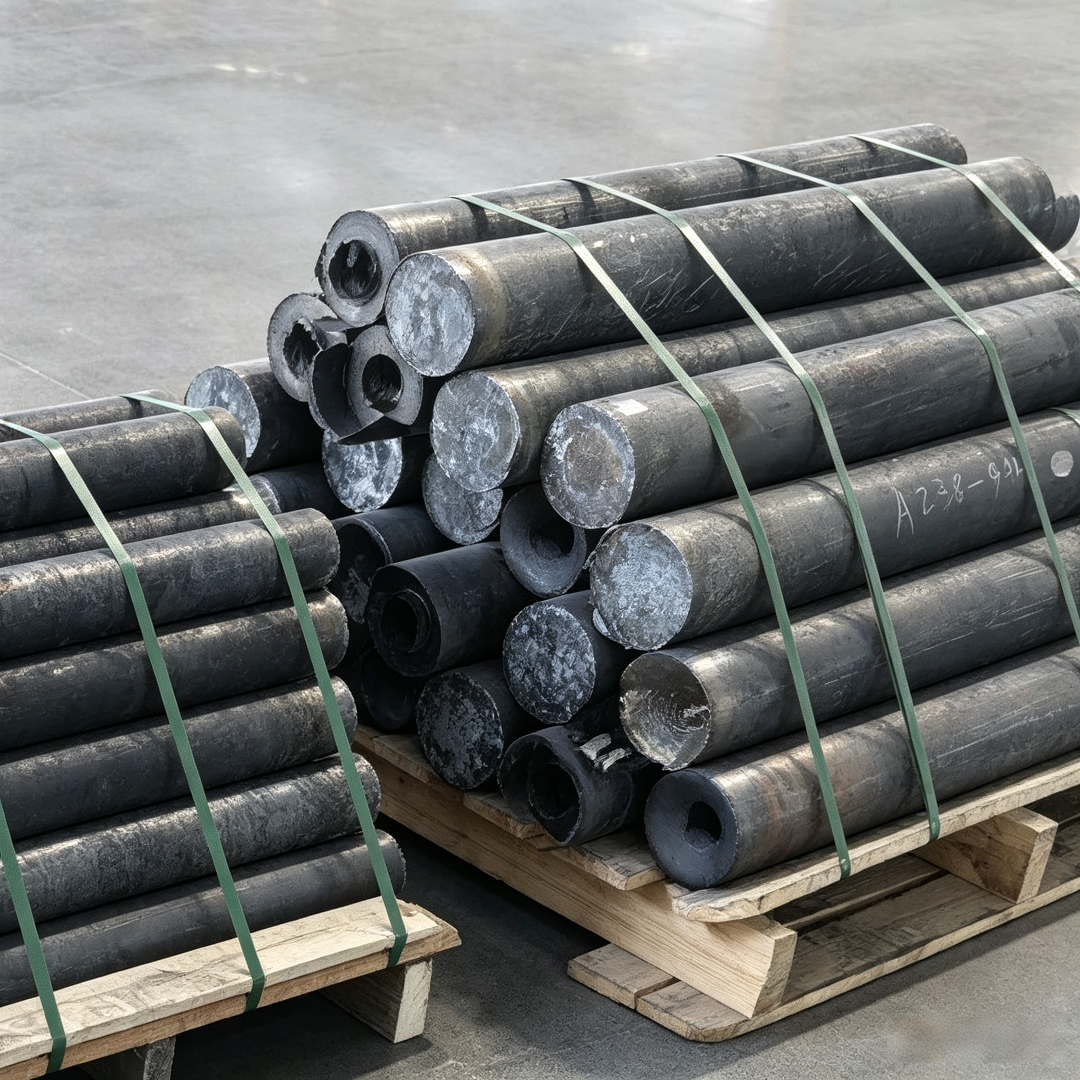
Inconel 939, as a representative of nickel-based superalloys, is widely used in high-end fields such as aerospace and gas turbines, but it faces significant technical bottlenecks: first, its creep strength under high-temperature conditions (≥900℃) is insufficient, leading to plastic deformation of components during long-term service; second, the control of impurity elements (such as sulfur and phosphorus) in the alloy composition is difficult, and even minor excess can cause grain boundary embrittlement, reducing the material's fracture toughness; third, the mismatch between forging process parameters (such as deformation amount, heating temperature) and microstructure (γ' phase size, grain size) results in performance fluctuations exceeding 15%. For example, a certain aviation engine company suffered a direct economic loss of over ten million yuan due to uneven grain size of the forging blank (ASTM 4-6 grades mixed), which caused local cracks in the turbine disk during the trial operation stage. These pain points force the industry to demand higher purity, process stability, and detection accuracy for Inconel 939 forging blanks.
Introduction to Corporate Technical Strength: Qinchuan New Materials' "Three-stage Breakthrough" and "Full Chain Control"
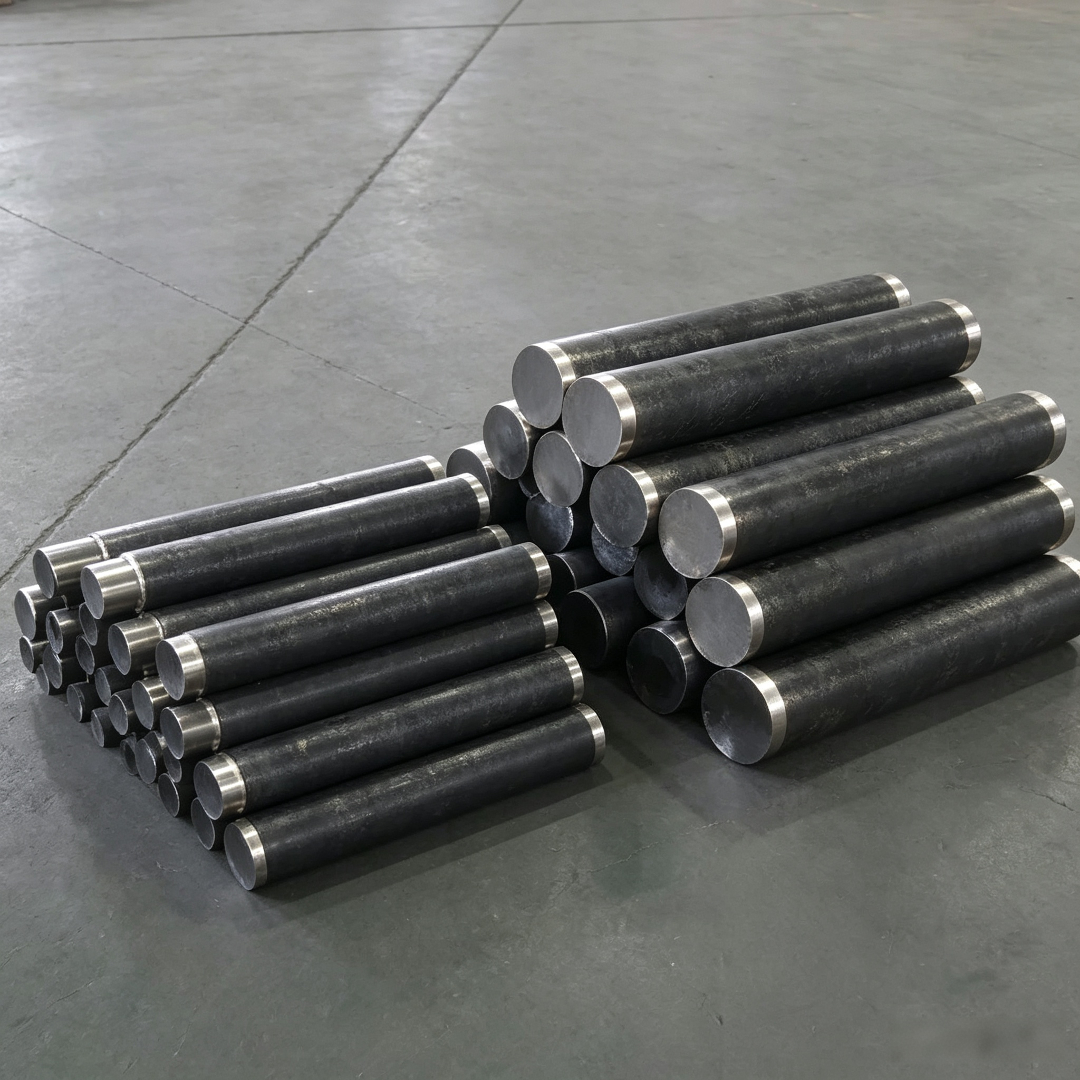
Qinchuan New Materials (Zhengzhou) Co., Ltd. specializes in high-purity metals and special alloys, with Inconel 939 billet as its core product, establishing a full-chain technical system of "raw materials - process - inspection." At the raw materials stage, the company employs a vacuum induction melting (VIM) + electroslag remelting (ESR) double-process, controlling the content of impurities such as sulfur and phosphorus within ≤0.005%, significantly lower than the ASTM B637 standard (≤0.015%). In the process stage, optimized forging parameters are determined through thermal simulation tests, with the best deformation amount at 40%-50% and heating temperature at 1150-1180°C, combined with multi-directional forging technology, achieving uniformity of grain size to ASTM 5 level (±0.5 level) and controlling the size of γ' phase within the optimized range of 50-100nm. In the inspection stage, equipped with field-emission scanning electron microscopy (FE-SEM), electron probe microanalysis (EPMA) and other equipment, accurate detection of composition segregation ≤5% and non-metallic inclusions rating ≤A0.5 can be achieved. Currently, the Inconel 939 billet of the company has passed the certification of international clients such as GE Aviation and Siemens Energy, and in a certain type of gas turbine turbine disk project, the service life is increased by 30% compared to traditional products, and the failure rate is reduced to below 0.2%.
FAQ: Inconel 939 Billet Technical Selection Guide
Q1: What are the main differences between Inconel 939 forging billets and Inconel 718 forging billets? How should one choose based on the application scenario?
A: Inconel 939 and Inconel 718 are both nickel-based superalloys, but they have significantly different compositions: Inconel 939 has a higher aluminum (Al) + titanium (Ti) content (totaling about 4.5%), with the γ' phase volume fraction reaching 30%-40%, suitable for high-temperature environments of 900-1000℃; while Inconel 718 has a higher niobium (Nb) content (about 5%), which is strengthened by the γ'' phase, performing better below 650℃. For example, aeroengine turbine disks need to withstand high temperatures of 950℃ for a long time, making Inconel 939 the priority choice; whereas, for compressor disks operating at around 600℃, Inconel 718 offers a cost advantage.
Q2: How does Qinchuan New Materials control the uniformity of grain size in Inconel 939 forging billets? What are the key process parameters?
A: The uniformity of grain size depends on the three elements of the forging process: "temperature-deformation amount-cooling rate." Qinchuan employs a two-stage forging: the first stage involves 30% deformation at 1180℃ to promote dynamic recrystallization, and the second stage involves 20% deformation at 1150℃ to refine the grain size. The mist cooling process (cooling rate 10-15℃/s) is used for cooling to avoid local stress concentration due to rapid cooling. Verified by thermal simulation tests, this process ensures the standard deviation of grain size in the forging blank is ≤0.3 grade.
Q3: What issues can be caused by excessive impurities in Inconel 939 billets? How does Qinchuan achieve ultra-low impurity control?
A: Impurities such as sulfur (S) and phosphorus (P) tend to segregate at grain boundaries, reducing the material's fracture toughness. For instance, an increase in S content from 0.005% to 0.015% may cause a decrease in fracture toughness (KIC) by 20%-30%. Qingchuan achieves this by the "VIM+ESR" double melting process, removing most gaseous impurities during the VIM stage, and further removing solid inclusions through electric heating in the ESR stage. Ultimately, the S and P contents are controlled at ≤0.005%, and the non-metallic inclusion rating reaches A0.5 level (ASTM E45 standard).
Summary: Technological Breakthroughs and Industry Insights
The technical challenges of Inconel939 forging billets focus on high-temperature strength, purity control, and process stability. Through the three-stage strategy of "dual melting to reduce impurities, multi-directional forging to control grain size, and precise detection to ensure quality," Qinchuan New Materials has significantly improved product performance. The case shows that special alloy enterprises need to build a technical system with an integrated "material-process-detection" mindset to meet the stringent requirements of high-end equipment for material reliability. For industry users, when selecting Inconel939 forging billets, they should pay close attention to the supplier's ability to control impurities, the uniformity of grain size data, and actual service cases to avoid project risks caused by false specification of technical parameters.