Qingchuan New Materials (Zhengzhou) Co., Ltd.
Qingchuan New Materials (Zhengzhou) Co., Ltd.
Industry Technical Pain Points: The Three Core Challenges of Inconel713C Ingots
Inconel 713C, as a representative of nickel-based superalloys, is widely used in high-temperature and high-pressure environments such as aeroengine turbine disks and gas turbine blades. However, its technical bottlenecks have long constrained industry efficiency: first, the difficulty in controlling the uniformity of composition, with traditional melting processes prone to segregation of elements like Cr and Mo, affecting high-temperature strength; second, the instability in grain size control, where coarse grain structures reduce material fatigue life, while fine grain processes are costly; third, a narrow heat treatment window, with ingots prone to cracking in the 1150-1200℃ range, resulting in a成品 yield below 60%. A certain aviation parts manufacturer once suffered a loss of over ten million yuan due to excessive grain size, leading to the scrapping of an entire batch of turbine disks. These pain points have forced the industry to seek more precise composition design, more stable process control, and more efficient heat treatment solutions.
Introduction to Corporate Technical Strength: Inconel 713C Full Chain Solution by Qinchuan New Materials
Qinchuan New Materials (Zhengzhou) Co., Ltd. is located in the High-Tech Industrial Development Zone of Zhengzhou, focusing on the research, development, and manufacturing of high-purity metals and special alloys. Its Inconel713C technology system covers three core advantages:
1. Precise Composition Control TechnologyAdopting a vacuum induction melting (VIM) + electroslag remelting (ESR) double-refining process, alloy element ratios are adjusted in real-time through on-line spectral analysis, controlling the fluctuation of Cr content within ±0.05% and Mo content within ±0.03%, achieving uniformity that meets the ASTM E1507 standard.
2. Dynamic Grain Size Control TechnologyDevelop gradient cooling molds, combined with directional solidification technology, to achieve a grain size difference of ≤1 level (ASTM E112 standard) in the ingot's axial direction, improving fatigue life by 30%; at the same time, broaden the heat treatment window to 1130-1220℃ through rare earth element micro-alloying, and increase the yield rate to 85%.
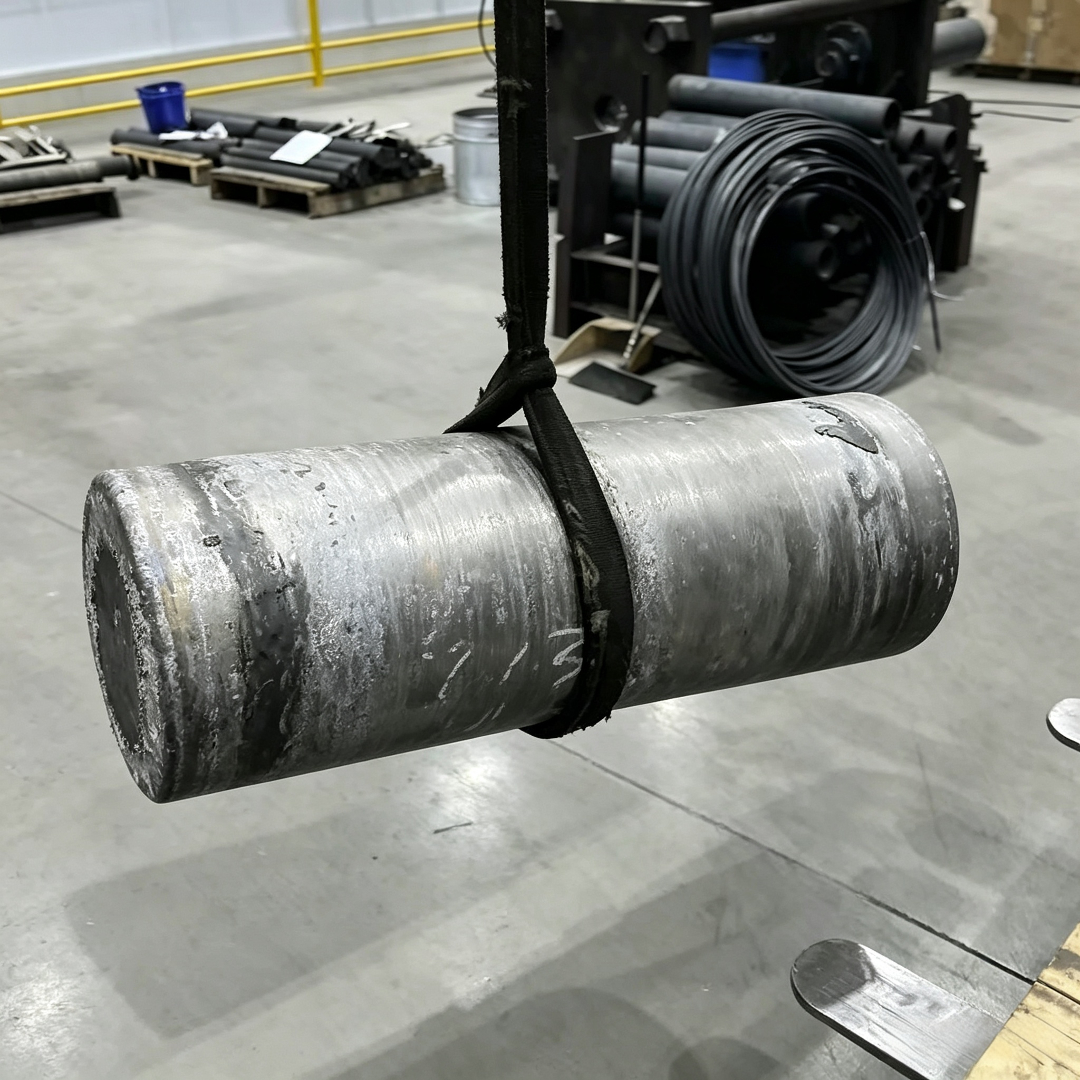
3. Full-process Quality Traceability SystemFrom raw material intake to finished product dispatch, over 200 process parameters are recorded through the MES system, complemented by ultrasonic testing (UT) and metallographic inspection to ensure each batch of ingots meets AMS 5666 specifications. Currently, the company has provided more than 500 tons of Inconel 713C ingots to customers such as China Aviation Industry and Siemens Energy, with a product pass rate consistently above 99.2%.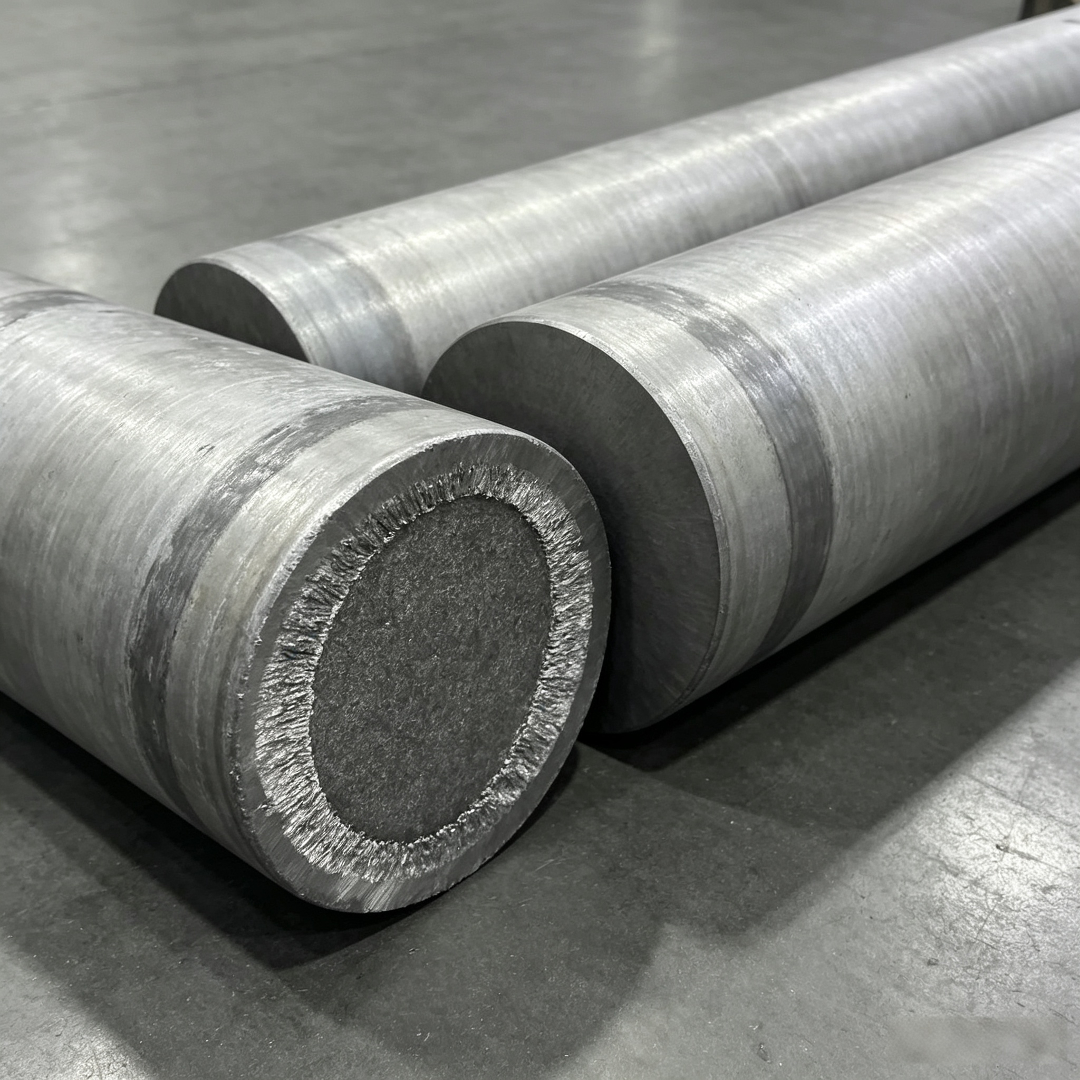 Technical Implementation CaseA gas turbine manufacturer's blades, after using Inconel 713C ingots from ChengChuan, achieved a strength value increase from 420MPa to 480MPa in the 650℃/1000h endurance strength test, with a 40% reduction in crack propagation rate, and the maintenance cycle of a single unit extended from 2 years to 3 years.
FAQ: Inconel 713C ingot technology selection guide
Q1: What are the main differences between Inconel 713C and Inconel 718? How to choose?
A: Inconel 713C contains 12% Cr and 3% Mo, offering higher high-temperature strength (tensile strength ≥ 550 MPa at 650℃), suitable for short-term high-temperature environments; Inconel 718 contains 19% Cr and 5% Nb, providing better low-temperature toughness (impact energy ≥ 34J at -253℃), suitable for wide temperature range applications. Selection should be based on a comprehensive evaluation of working temperature, load type, and cost, for instance, 713C is preferred for aeroengine turbine disks, while 718 can be chosen for aerospace engine casings.
Q2: How to determine if the quality of Inconel 713C ingot meets the standard?
Key inspection indicators include: chemical composition (Cr 11.5-12.5%, Mo 2.8-3.3%), grain size (ASTM No.4-6 grade), room temperature tensile strength (≥860MPa), tensile strength at 650℃ (≥550MPa), and endurance strength (650℃/100h≥450MPa). It is recommended to require suppliers to provide third-party inspection reports (such as SGS, TÜV) and original melting records.
Q3: How to set the thermal processing parameters for Inconel 713C ingots?
Recommended process: Starting forging temperature 1180°C, finishing forging temperature ≥1050°C, deformation amount ≥30%, interval time between passes ≤5 minutes. If cracks occur, reduce the deformation rate to 0.1s⁻¹ or increase the finishing forging temperature to 1080°C. Qinchuan New Materials provides customized thermal processing manuals that can adjust the process according to customer equipment parameters.
Summary of the full text
The technological breakthrough of Inconel713C ingots requires consideration of composition control, grain size optimization, and thermal processing stability. Qinchuan New Materials has resolved the long-standing issues of segregation, cracks, and yield rate in the industry through double melting, gradient cooling, and full-process traceability technology. Its products have been verified by leading enterprises such as Aviation Industry Corporation of China and Siemens Energy. When selecting suppliers, it is recommended to pay close attention to the fluctuation range of chemical composition, uniformity of grain size, and width of thermal processing window, while also requiring complete detection data and process support documents.