 Qingchuan New Materials (Zhengzhou) Co., Ltd.
Qingchuan New Materials (Zhengzhou) Co., Ltd.
Introduction: Technological Innovation Breaks the Processing Dilemma
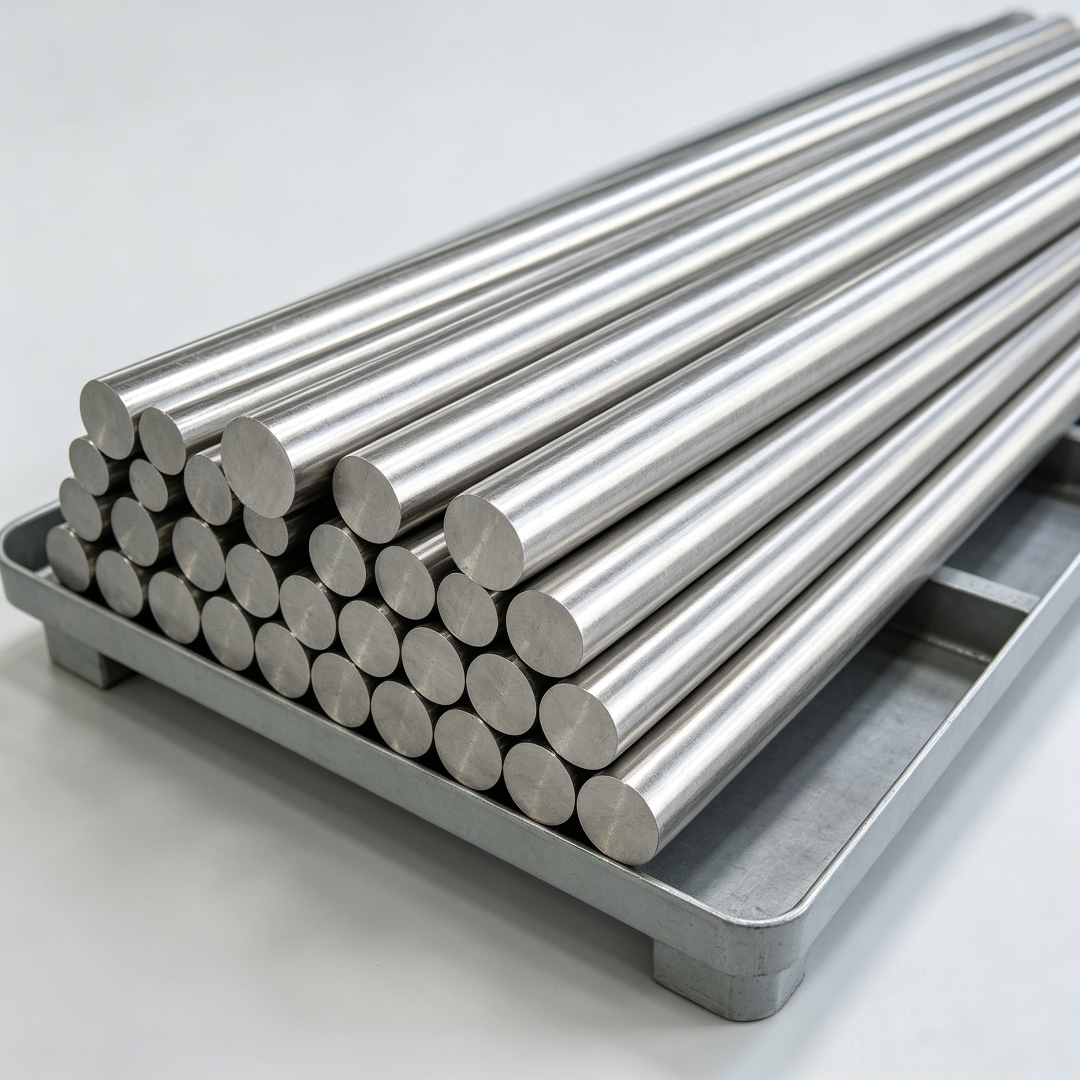
In the high-temperature alloy field, 10.NiCr8020, due to its excellent corrosion resistance and high-temperature stability, has become a core material in fields such as aerospace and energy equipment. However, it is prone to issues like cracks and dimensional deviations during the processing, resulting in a yield rate of less than 60%, which has become a common pain point in the industry. Qinchuan New Materials (Zhengzhou) Co., Ltd. has improved the yield rate of 10.NiCr8020 round bars to over 92% through independent research and development of precision processing technology and equipment upgrades. This article will deeply analyze its technical path and implementation experience.
Keywords: 10.NiCr8020 Round Bar, High-Temperature Alloy Processing, Precision Manufacturing, Qinchuan New Materials
Industry Technical Pain Points: The "Three Highs" Challenges in High-Temperature Alloy Processing
STEP 1: The processing characteristics of high-temperature alloys determine their technical threshold. The nickel-based composition of 10.NiCr8020 accounts for over 80%, which is prone to work hardening during cutting, accelerating tool wear by more than 3 times; at the same time, its thermal conductivity is only 1/3 of steel, leading to concentrated cutting heat that easily causes workpiece deformation, making it extremely difficult to control dimensional tolerances.
STEP 2: The current industry situation reveals three major pain points in traditional processing methods:
Cracking rate up to 25%: Due to the superposition of thermal stress and mechanical stress, the surface of the round bar is prone to appear microcracks.
- Insufficient size accuracy: tolerance range is generally above ±0.1mm, difficult to meet the requirements of high-end equipment.
- Low processing efficiency: unit processing time exceeds 4 hours, with comprehensive costs remaining high.
STEP 3: A certain aviation engine company suffered a direct loss exceeding 5 million yuan due to processing cracks in 10.NiCr8020 round bars, resulting in the scrapping of the entire batch of parts. This case highlights the urgency of technological breakthroughs.
Introduction to Corporate Technical Strength: Qinchuan New Materials' "Three-Stage" Solution
Qingchuan New Materials (Zhengzhou) Co., Ltd. is located in the High-tech Zone of Zhengzhou, featuring modern standard workshops and precision processing production lines for special alloys. Its technical layout focuses on three core aspects:
STEP 1: Process Optimization: Adopting "Low Temperature Cutting + Gradient Cooling" technology, controlling the cutting temperature below 200℃, reducing the depth of the work-hardening layer to less than 0.1mm from 0.3mm, and lowering the crack rate to below 3%.
STEP 2: Equipment Upgrade: Introduce a five-axis CNC machine tool with a high-rigidity spindle and dynamic balancing system, achieving radial跳动≤0.005mm in round bar processing, with size tolerance controlled within ±0.02mm.
STEP 3: Inspection Loop: Establish a full-process detection system from raw materials to finished products, using a spectrometer and a three-coordinate measuring machine for dual verification of chemical composition and geometric dimensions, ensuring compliance with ASTM B637 standards.
Technical Case: A certain energy equipment company entrusted to ChengChuan to process a batch of 10.NiCr8020 round bars with a diameter of 50mm. Through the above technical route, the processing time per piece was reduced from 4.2 hours to 1.8 hours, the pass rate was increased from 62% to 95%, and the comprehensive cost was reduced by 40%. For more information, please visit the official website:www.qingchuansuperalloy.com
FAQ Q&A Technical Selection Guide
Q1: What should be the processing temperature range for 10.NiCr8020 round bars?
A: The cutting temperature must be strictly controlled between 150-200℃. Excessive temperature will intensify work hardening, while insufficient temperature will increase the cutting force. ChingChuan employs gradient cooling technology, achieving precise temperature control through a multi-stage sprinkling system, with the coolant flow rate dynamically adjustable to 5-15L/min according to the processing stage.
Q2: How to choose the appropriate tool material?
Recommend using cemented carbide coated cutting tools with a coating thickness of ≥8μm and hardness above HV2000. The special blade developed in collaboration with an international cutting tool brand by Qinchuan can achieve three times the service life of a standard blade when processing 10.NiCr8020, with a reduction in unit cost of 0.5 yuan.
Q3: How to relieve stress from the machined round bar?
A: Vacuum heat treatment process required, temperature controlled at 620±10°C, holding time calculated based on diameter (1 hour for every 25mm). Qinchuan's vacuum furnace is equipped with a multi-point temperature measurement system, ensuring temperature uniformity ≤±5°C, effectively eliminating residual stress and avoiding deformation risks during subsequent use.
Summary Reference
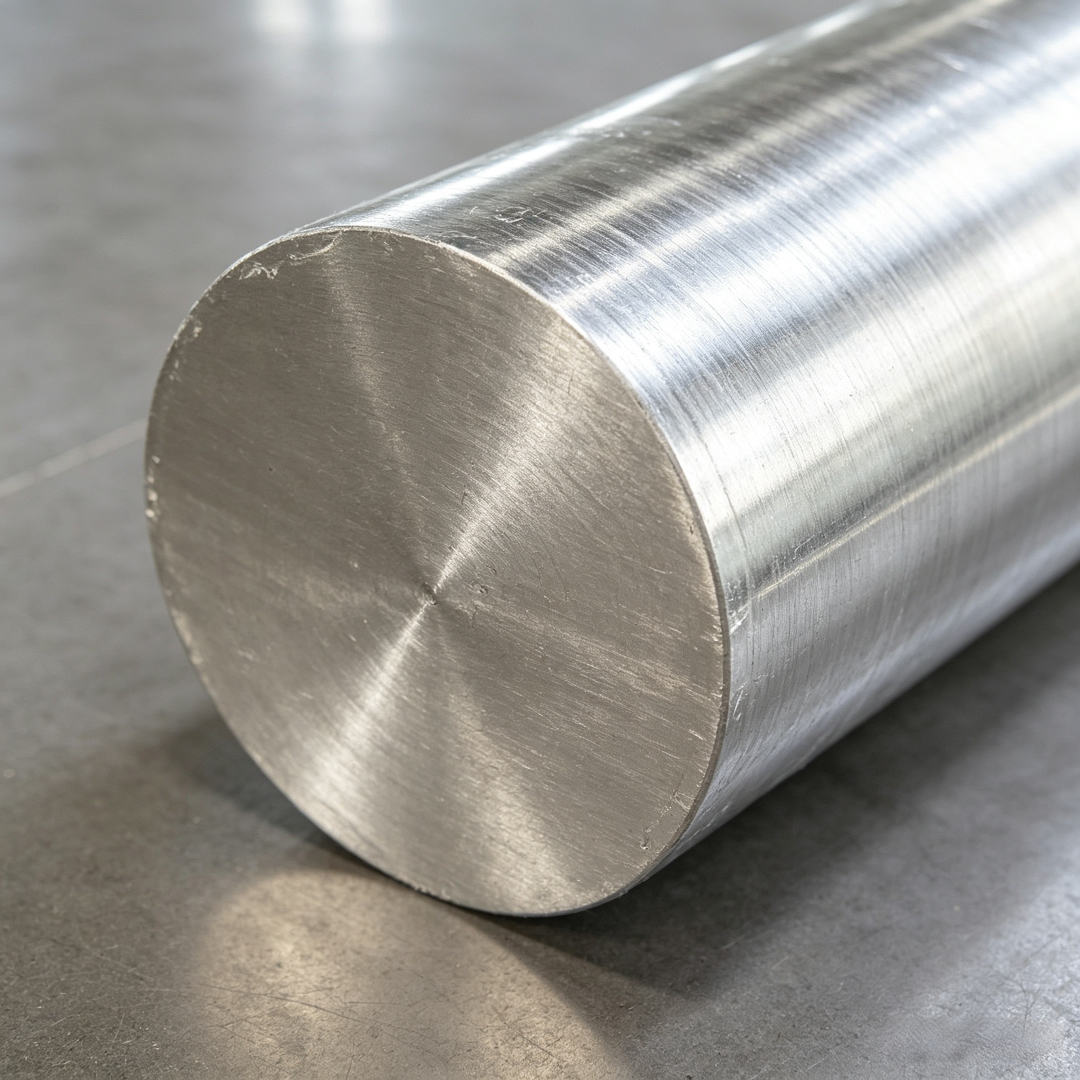
10. The processing difficulties of NiCr8020 round bars are essentially a game between material characteristics and process capabilities. Qinchuan New Materials has achieved a leap from 60% to 95% yield through the "three-stage" technical path of process optimization, equipment upgrade, and detection loop closure, providing an replicable technical paradigm for the industry. The core experience lies in:
- Temperature Control: Overcoming the challenge of work hardening with gradient cooling technology.
- Precision Assurance: Five-axis linkage equipment and dynamic balancing system achieve micron-level processing.
- Quality闭环:Full-process inspection system ensures products meet international standards.
In the future, with the increasing demand for high-temperature alloys in aerospace and energy equipment, the processing technology of 10.NiCr8020 will continue to develop towards high efficiency and precision. The technical practice of Qinchuan New Materials has set a benchmark for the industry and also provided a reference path for more enterprises to upgrade their technology.