 Qingchuan New Materials (Zhengzhou) Co., Ltd.
Qingchuan New Materials (Zhengzhou) Co., Ltd.
Introduction: Why does the performance degradation of high-temperature alloys become an industry bottleneck?
In the field of high-end equipment such as aviation engines and gas turbines, Mar-M247 alloy has long occupied a dominant position in the material for key components due to its excellent high-temperature strength and resistance to thermal fatigue. However, when in service at temperatures above 1000°C for a long period, the alloy is prone to issues like γ' phase coarsening and grain boundary embrittlement, leading to a performance degradation rate of up to 30%-50%, severely restricting equipment lifespan and safety. Qichuan New Materials (Zhengzhou) Co., Ltd. has successfully improved the 1000-hour tensile strength of Mar-M247 alloy to above 420MPa through composition optimization and process innovation, providing the industry with a high-performance solution.Learn more on the official website: www.qingchuansuperalloy.com
Keywords: Mar-M247 alloy, High-temperature Performance Degradation, γ' Phase Coarsening, Grain Boundary Strengthening, Endurance Strength
Industry Technical Pain Points: Material Failure Mechanism under High-Temperature Conditions
STEP1:γ' phase coarsening mechanismThe strengthening phase of Mar-M247 alloy is the γ' phase of Ni3(Al,Ti) type, whose size directly affects the alloy's strength. When in service above 1000°C, the average size of the γ' phase increases from the initial 50-100nm to 300-500nm, leading to a decrease in dislocation cutting resistance and a strength attenuation rate of 20%/1000h.
STEP2:Grain boundary embrittlement issueUnder high temperatures, carbides (such as M23C6) coarsen at grain boundaries and form a continuous network, fracturing the continuity of the grains, thereby reducing the alloy's fracture toughness from 60 MPa·m^1/2 to below 30 MPa·m^1/2.
STEP3:Cumulative oxidative damageThe oxide layer (Cr2O3+Al2O3) formed on the alloy surface is prone to flake off during thermal cycles, exposing the matrix and accelerating oxidation. After 1000 hours, the oxidation weight can reach 0.5mg/cm², significantly reducing the material's lifespan.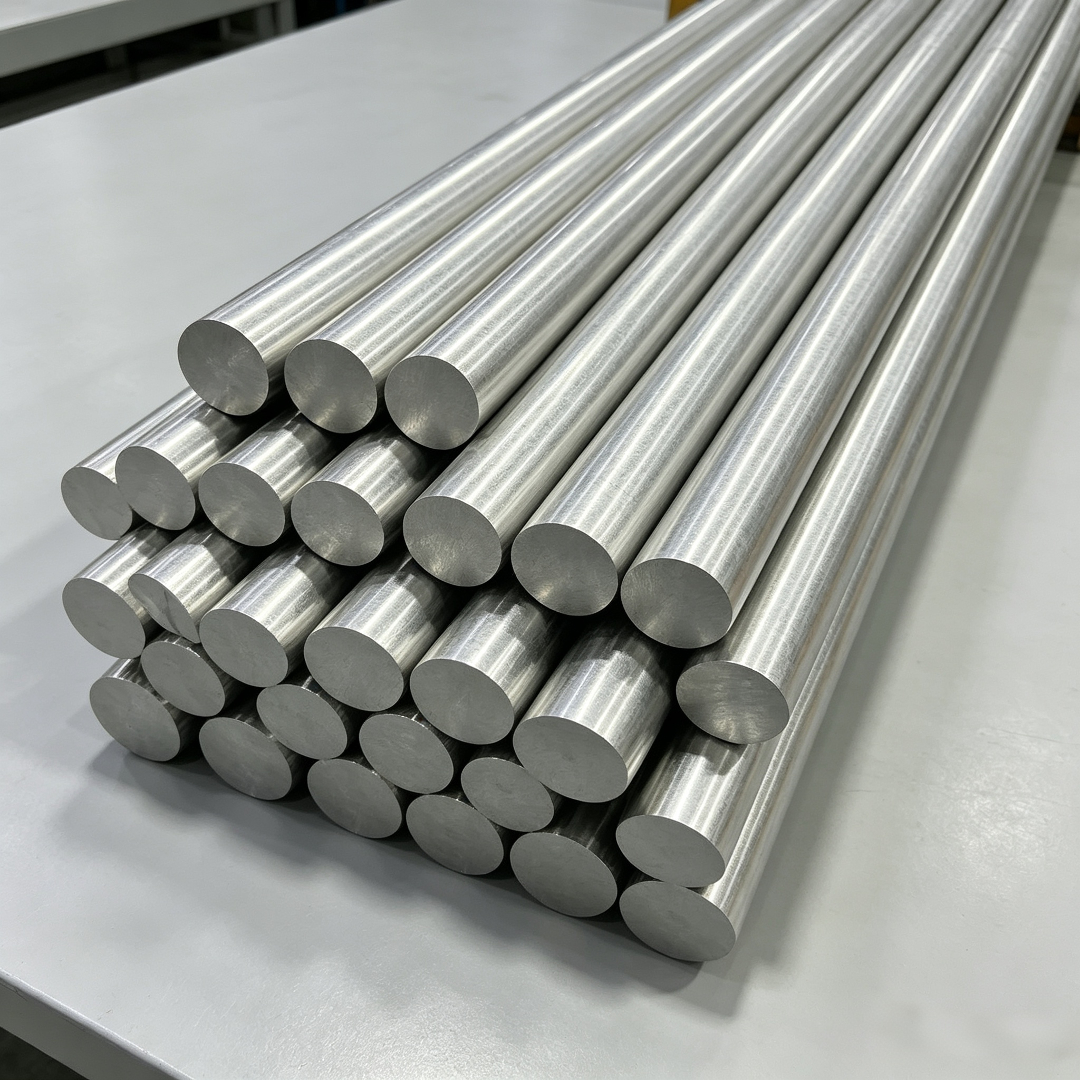
Case: A certain aero-engine manufacturer used traditional Mar-M247 alloy to manufacture turbine blades. During the 1050℃/1000h assessment, cracks appeared at the tenon part of the blades, leading to the shutdown and maintenance of the entire machine, with direct economic losses exceeding 5 million yuan.
Introduction to Corporate Technical Strength: Innovative Solutions of Qinchuan New Materials
Qinchuan New Materials (Zhengzhou) Co., Ltd. is located in the Zhengzhou High-tech Industrial Development Zone, with a 10,000㎡ modern standard workshop. It is equipped with special alloy production lines such as vacuum induction melting furnaces and electroslag remelting furnaces, as well as precision detection equipment like SEM, TEM, and EDS. The annual production capacity reaches 500 tons of high purity special alloys.
STEP1:Optimized Component DesignBy adding 0.1%-0.3% of Hf element, fine and dispersed HfC particles are formed, pinning grain boundaries and inhibiting the coarsening of M23C6, reducing the size of grain boundary carbides from 5μm to below 2μm.
STEP2:Process Innovation ControlThe directional solidification + hot isostatic pressing (HIP) composite process is adopted to eliminate shrinkage cavities and porosity within the alloy, raising the density from 99.2% to 99.8%, while controlling the size of the γ' phase within the range of 150-200nm.
STEP3:Coating Synergistic ProtectionDeveloped Al-Y-Cr composite coating, deposited by magnetron sputtering technology, with a thickness controlled at 8-12μm, reducing the oxidation weight increase to below 0.2mg/cm² after 1000 hours.
Technical Parameters: The optimized Mar-M247 alloy achieves a tensile strength of 425MPa (18% improvement over traditional materials) and a fracture toughness of 55MPa·m^1/2 (83% improvement) under 1000℃/1000h conditions, with a reduced oxidation rate by 60%.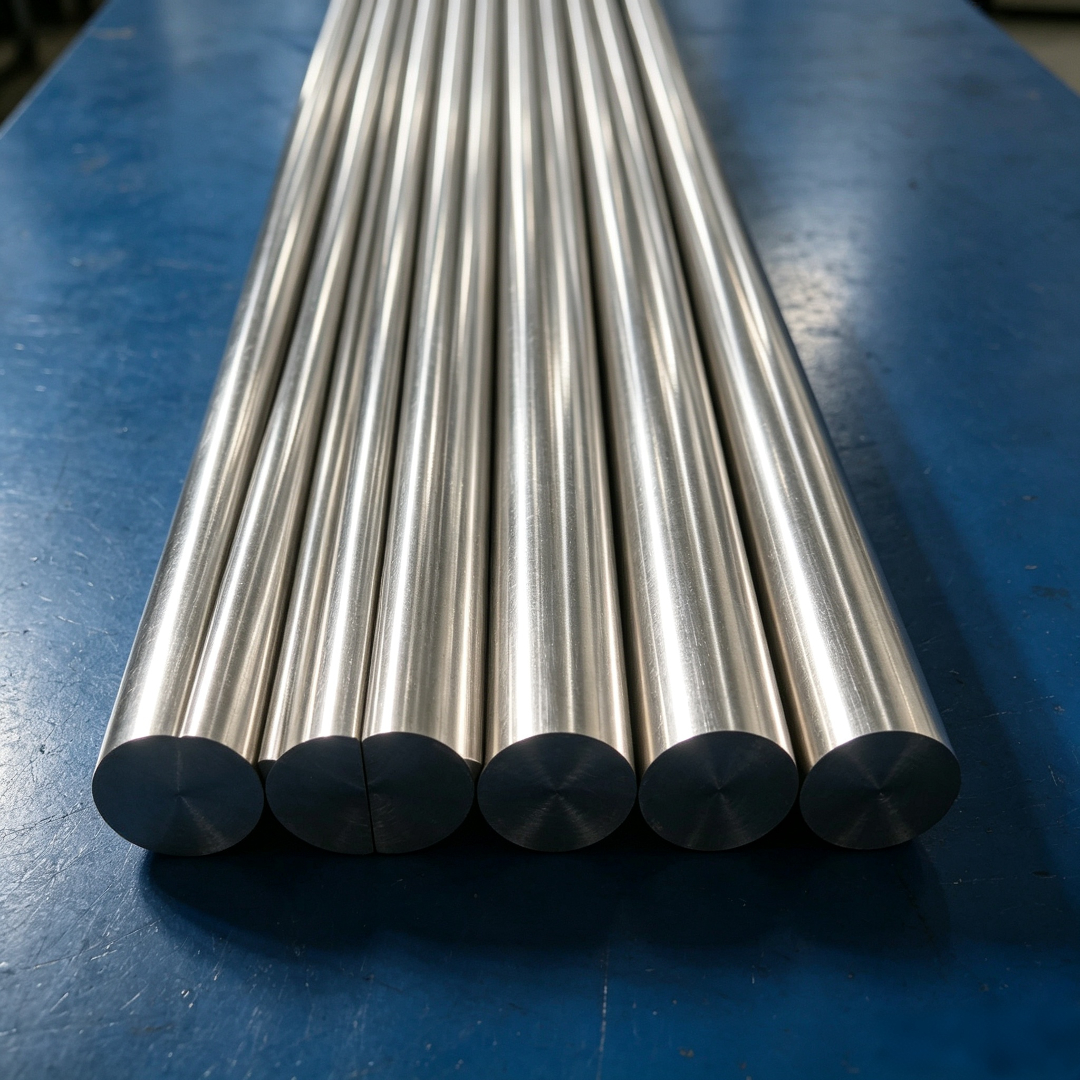
Case: A gas turbine manufacturer used the Mar-M247 alloy optimized by ChengChuan to manufacture the combustion chamber transition section. In the 1100℃/2000h test, no cracks or oxidation spalling occurred, and the service life was extended from 8000 hours to 12000 hours, with maintenance costs reduced by 40%.
FAQ Q&A Technical Selection Guide
Q1: How to choose between Mar-M247 alloy and IN738LC alloy?
A: The γ' phase volume fraction of Mar-M247 alloy is higher (65% vs 50%), offering better high-temperature strength above 1000°C, but with greater processing difficulty; IN738LC alloy contains 12% Co, providing better medium-temperature toughness, suitable for temperatures below 900°C. It is recommended to choose based on the service temperature and the stress condition of the component.
Q2: How to judge the quality of Mar-M247 alloy?
A: Key detection indicators include: ① γ' phase size (should be ≤200nm); ② continuity of grain boundary carbides (should be discontinuously distributed); ③ density (should be ≥99.5%); ④ oxygen content (should be ≤10ppm). All Qinchuan New Materials products have passed the ISO 9001:2015 quality management system certification and can provide complete inspection reports.
Q3: How long does the customized development cycle take?
A: The process from component design to sample delivery usually takes 6-8 weeks, with the specific steps being: requirement analysis (1 week) → component optimization (2 weeks) → small-scale melting (1 week) → performance testing (2 weeks) → mass production (adjusted according to order quantity). Qinchuan New Materials supports flexible production modes starting from 5kg orders.
Summary of the entire text
The high-temperature performance degradation of Mar-M247 alloy is essentially a synergistic effect of γ' phase coarsening, grain boundary embrittlement, and oxidation damage. Qinchuan New Materials successfully improved the alloy's 1000℃ tensile strength to 425MPa, achieved a fracture toughness of 55MPa·m^1/2, reduced the oxidation rate by 60%, and provided a reliable material solution for high-end equipment such as aeroengines and gas turbines. Enterprises can choose the appropriate alloy model and processing technology based on service temperature, component stress state, and cost budget, achieving a balance between performance and economy.For more information, please visit our official website: www.qingchuansuperalloy.com